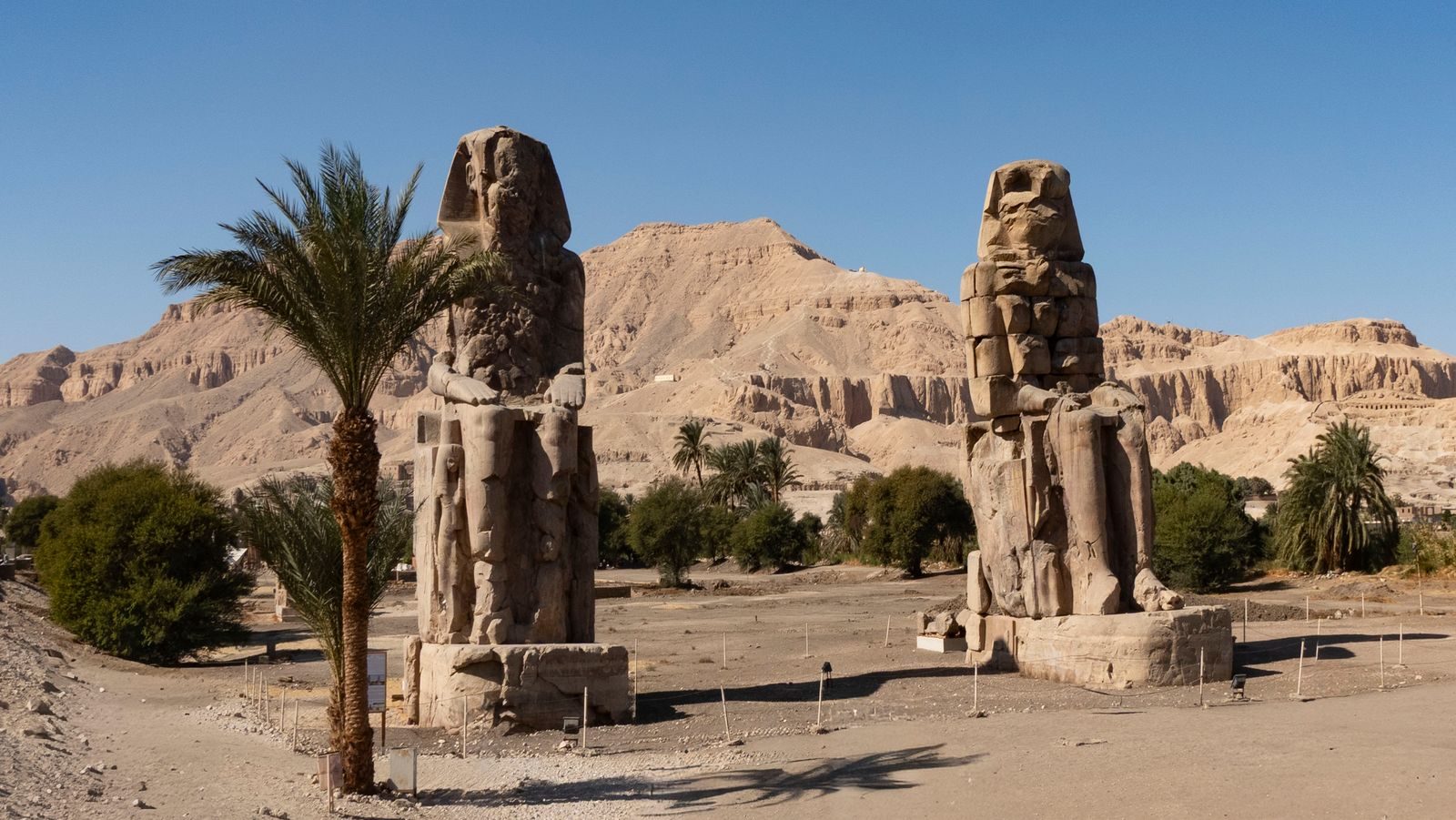
Ancient Egypt’s colossal statues are sometimes described as engineering achievements that “no one can explain.” That claim goes too far. Archaeologists understand many of the tools, materials and transport principles the Egyptians could have used.
What remains uncertain is the complete sequence of decisions required to quarry, move, raise and align individual monuments weighing hundreds of tonnes. The mystery lies in missing logistical details, not in the absence of scientific explanations.
Amenhotep III’s Landscape of Giants
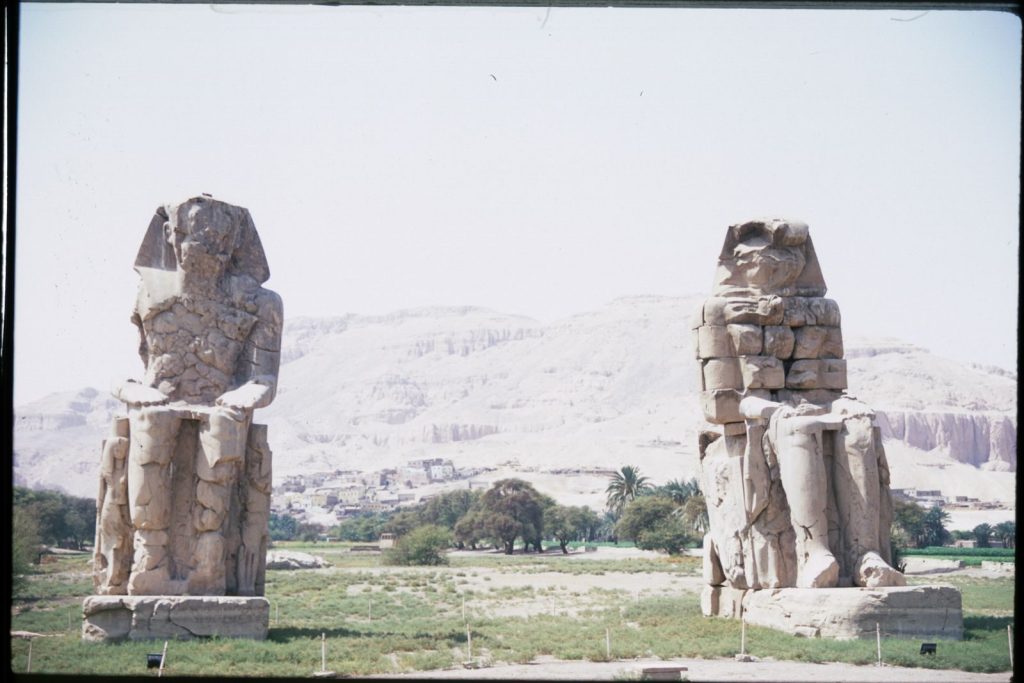
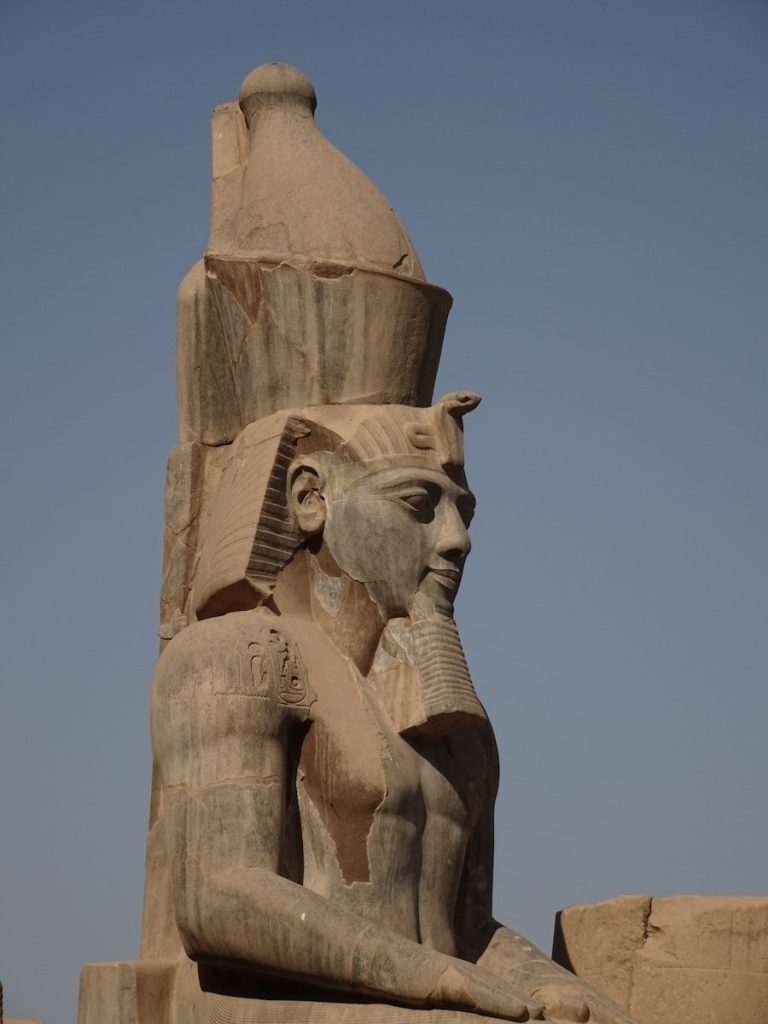
Amenhotep III’s vast mortuary temple at Luxor once contained numerous monumental statues. The two seated figures commonly called the Colossi of Memnon are its most famous survivors.
Other statues from the complex were shattered by earthquakes, flooding and centuries of stone removal. In 2025, archaeologists unveiled restored alabaster colossi assembled from fragments recovered during a long Egyptian-German conservation project.
The Stone Came from Hundreds of Kilometres Away
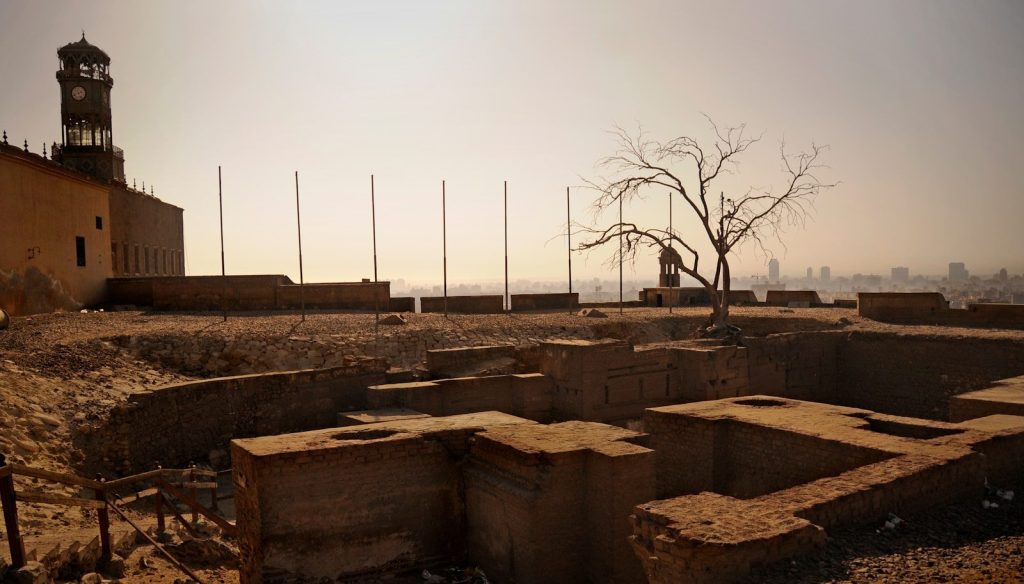
Mineralogical and chemical analysis has linked the quartzite used for the famous seated colossi to ancient quarries at Gebel Ahmar, near modern Cairo.
The statues were erected at Thebes, today’s Luxor, far to the south. This means the Egyptians transported enormous stone blocks across a substantial part of the country before sculpting, finishing and positioning them at the temple.
Each Colossus Weighed Around 720 Tonnes
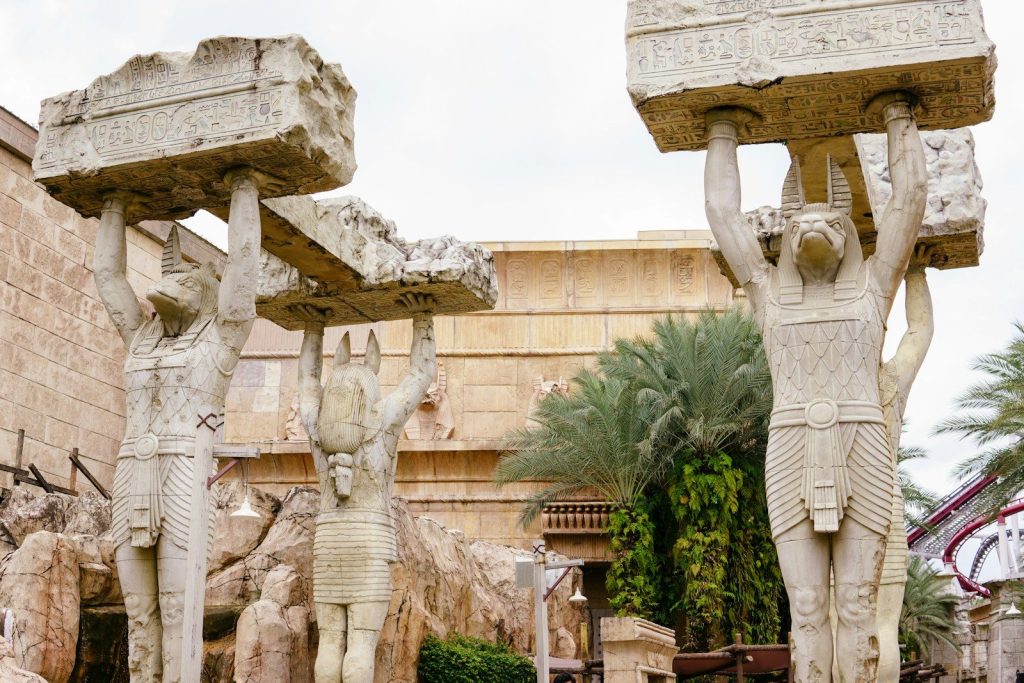
Scientific analysis has estimated that each of the famous quartzite statues originally weighed approximately 720 tonnes.
Moving such a load required more than raw manpower. Engineers needed a prepared route, strong sledges, carefully coordinated pulling teams and reliable control over friction. A small mistake could damage the monument, collapse the route or trap the block in soft ground.
Wet Sand May Have Solved the Friction Problem
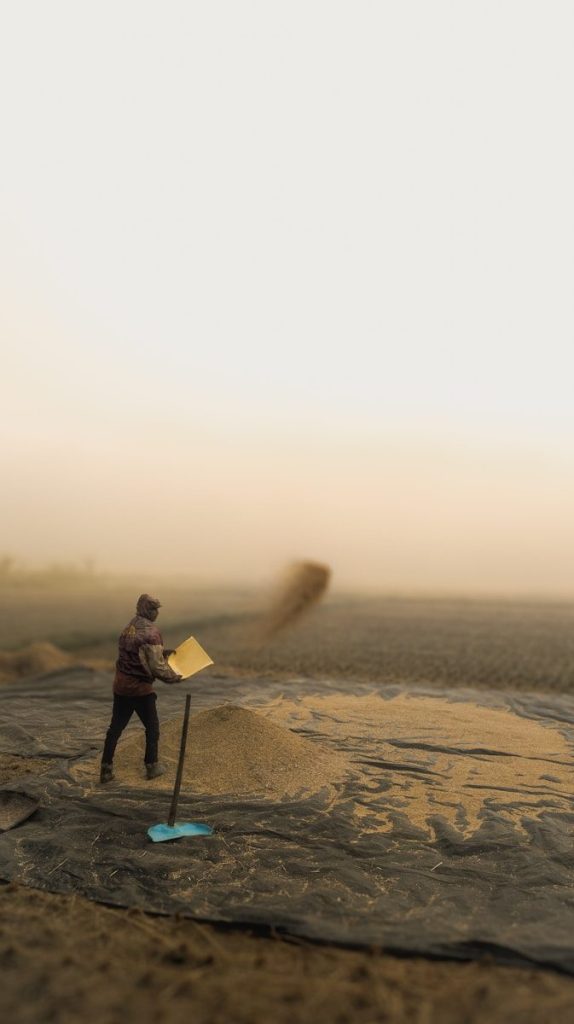
Ancient artwork shows workers pouring liquid in front of a heavy sledge. Modern experiments have demonstrated why this could have helped.
When sand contains the correct amount of moisture, microscopic water bridges bind the grains together. The surface becomes firmer, less sand piles up ahead of the sledge, and the force needed to pull a heavy object can fall considerably. Too much water, however, makes the surface unstable again.
The Nile Was Only Part of the Journey
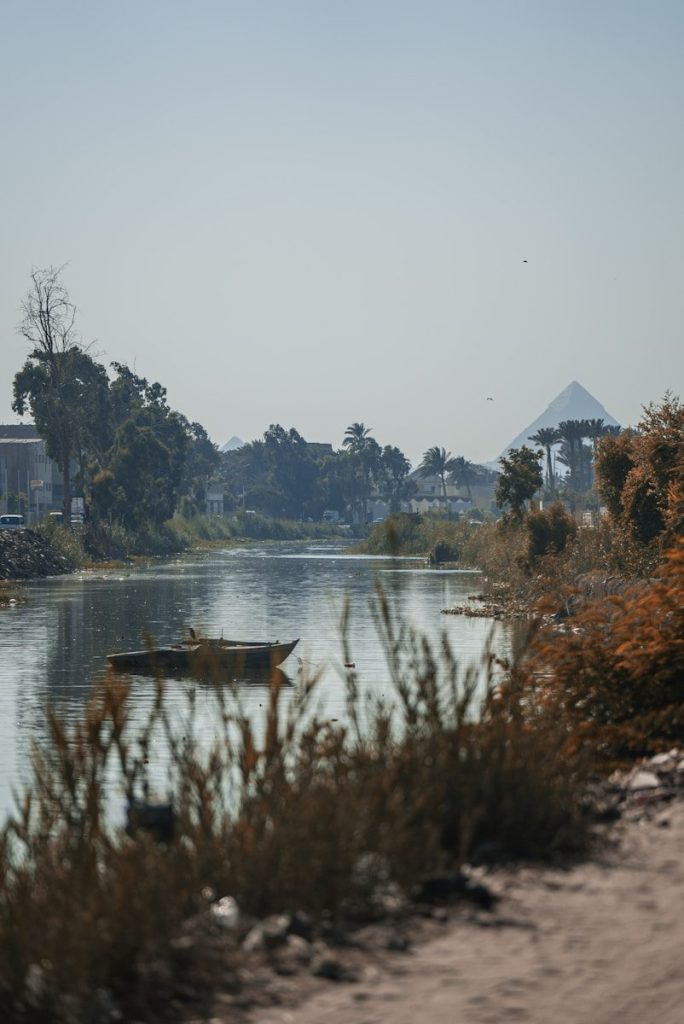
River transport could carry stone over long distances, especially when seasonal water levels allowed barges to approach construction areas. Yet the statues still had to travel between quarries, loading points, riverbanks and prepared foundations.
Researchers continue to debate the precise routes, vessel designs and division between water and land transport. No surviving document records the entire operation used for the Colossi of Memnon.
Raising the Statue Was Another Challenge
Transporting a colossal block was only one stage. Workers also had to bring it upright, position it accurately and ensure that its base could support the immense weight.
Archaeologists can infer possible methods from ramps, sledges, levers, foundations and other Egyptian construction evidence. However, the exact arrangement used at Amenhotep III’s temple has not survived, leaving several engineering steps open to reconstruction.
The Real Achievement Was Human Organisation
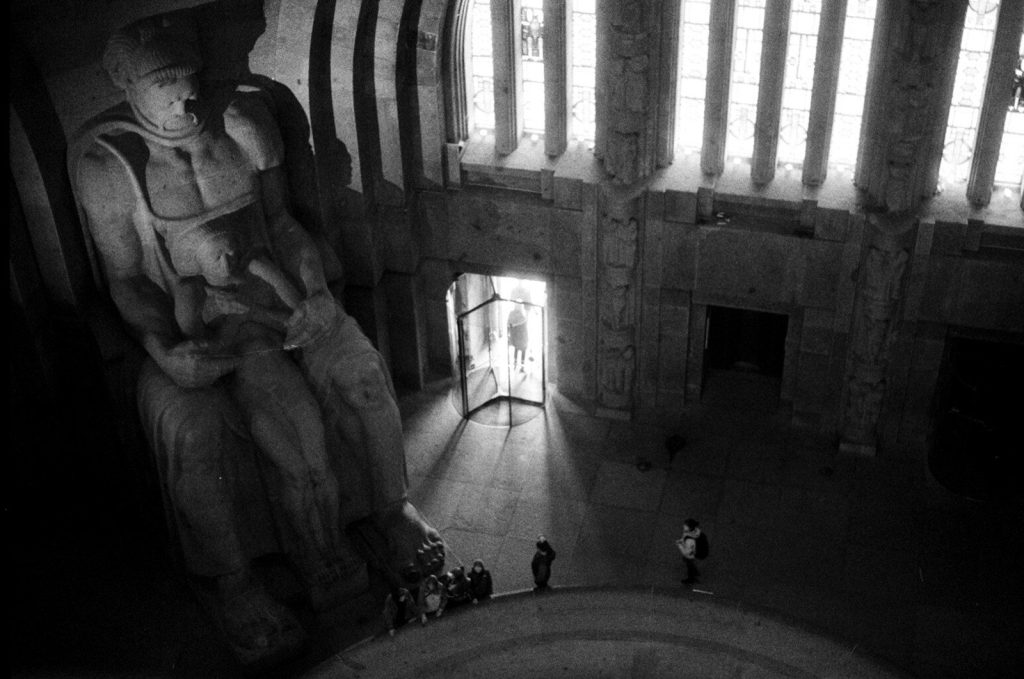
The statues did not require lost technology or supernatural assistance. They required quarry specialists, surveyors, sculptors, transport crews, administrators and large numbers of trained workers operating according to a carefully managed plan.
Modern restoration projects, which can take decades even with cranes and digital surveys, reveal how demanding the original work must have been. The enduring wonder is the scale of organisation achieved more than 3,000 years ago.
Featured Image: Photo by Natalya Cotenko on Pexels
Leave a Reply