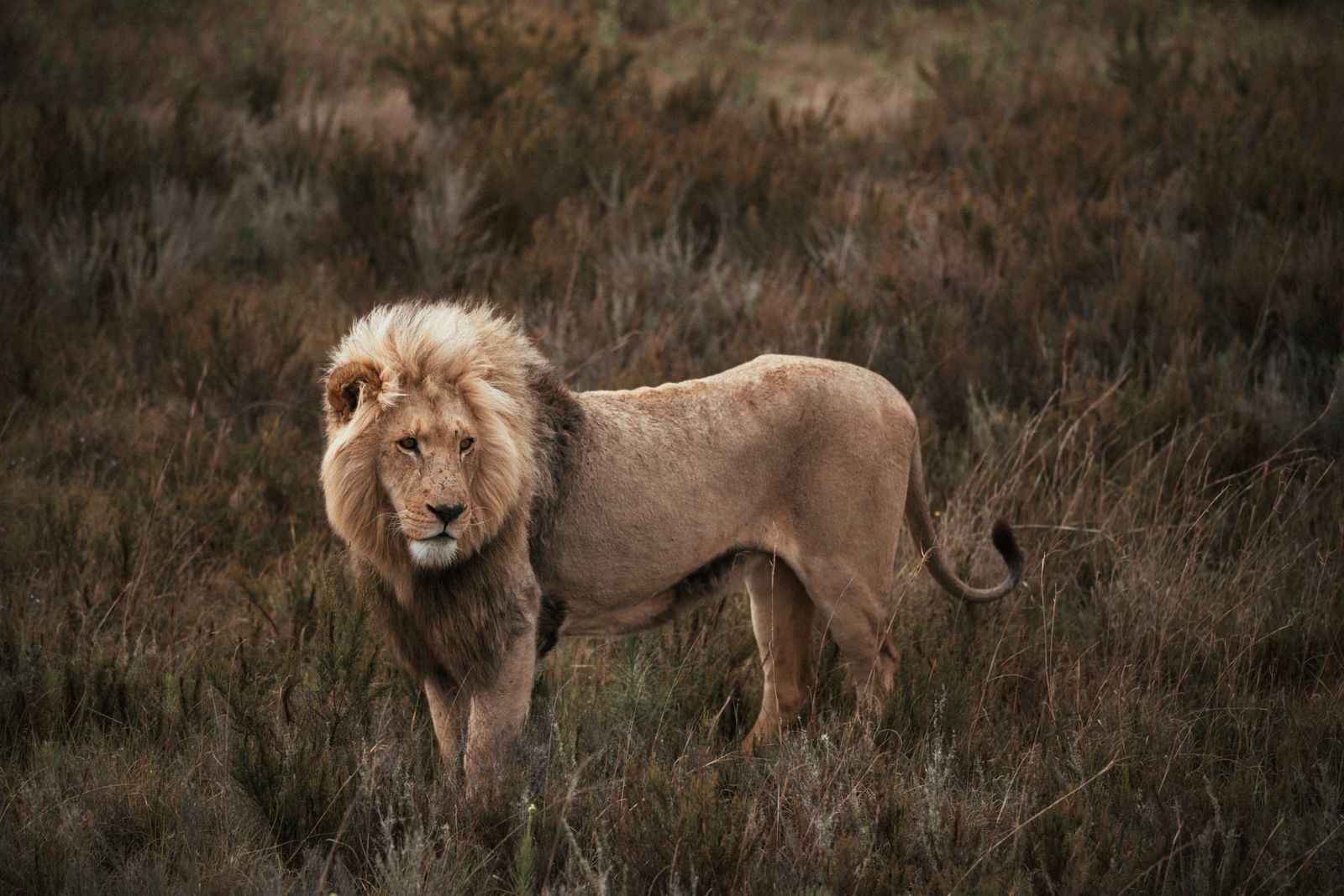
Most people assume wild predators attack humans out of pure malice or bloodlust. We picture dangerous beasts actively hunting innocent travelers in remote wilderness zones.
But animal behavior experts prove these intense reactions are driven by territorial defense. Understanding these instinctual survival triggers helps humans avoid dangerous wild encounters.
Hippos Guard River Borders

Placid river views mislead travelers into thinking hippos are peaceful river plant eaters. Massive jaws exert thousands of pounds of pressure during sudden river defense strikes. Danger is extreme. According to African wildlife conservation reports, hippos cause more human casualties annually than lions or leopards. But another aquatic predator displays equally intense territorial defense habits.
Saltwater Crocodiles Ambush Prey
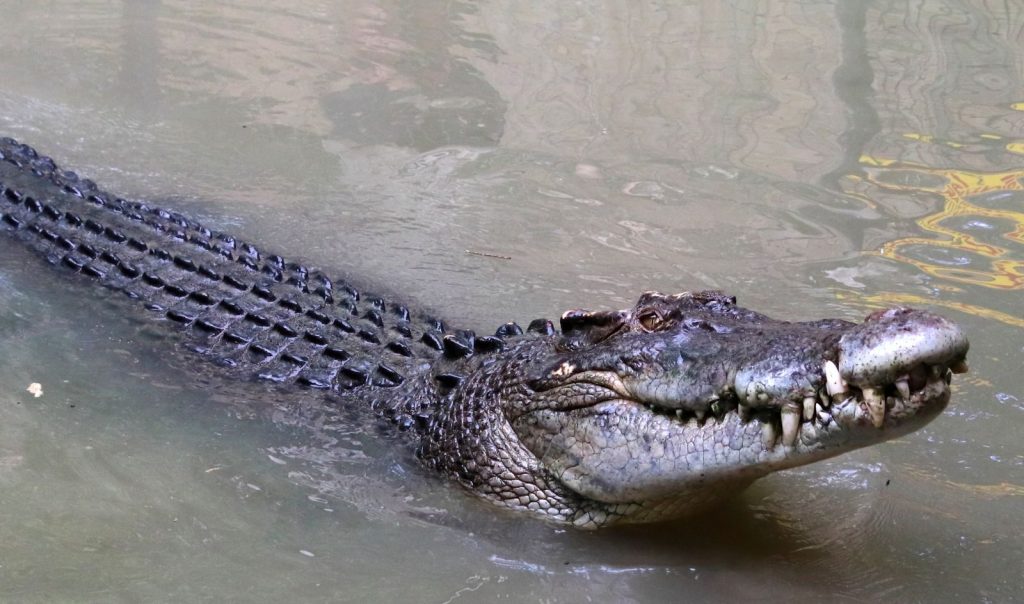
Massive saltwater crocodiles lurk silently beneath murky river waters, waiting for unsuspecting animals. Powerful tails propel these armored reptiles forward at shocking speeds toward riverbanks. Strikes happen fast. According to Australian wildlife surveys, these giant reptiles view any intruder inside their territory as potential food. Yet land mammals protect their territory with equal ferocity.
Cape Buffalo Charge Intruders

Herd instincts drive Cape buffalo to confront approaching threats rather than fleeing across grasslands. Heavy horn shields protect these massive herbivores during headlong charges against dangerous predators. They never retreat. According to African safari guide logs, wounded buffalo actively track and ambush human hunters inside thick brush. But smaller forest mammals prove surprisingly territorial as well.
Wolverines Fight Larger Beasts
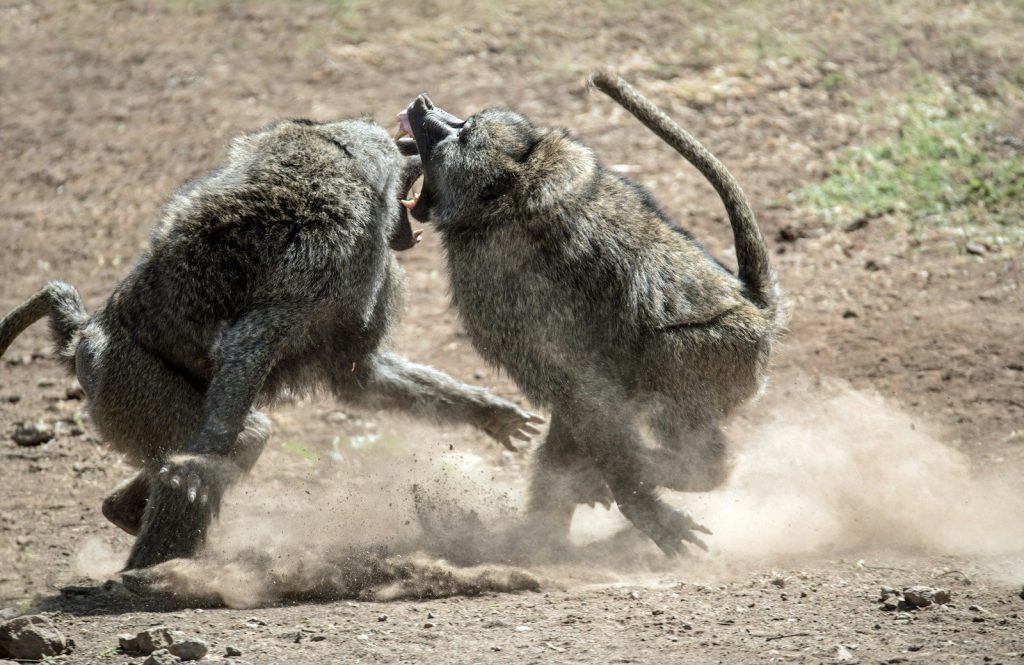
Dense muscles and thick hide allow wolverines to defend kill sites against massive bears. Fearless instincts drive these small carnivores to attack animals ten times their size. Temperament is fierce. According to wildlife biology studies from Alaska, wolverines rarely back down from territorial disputes inside mountain forests. Yet ocean creatures display equally aggressive defensive moves.
Cone Snails Deploy Venoms

Harmless appearances make colorful cone snails look like innocent ocean shells sitting on coral reefs. Tiny harpoon teeth inject complex nerve toxins that immobilize prey in seconds. Danger stays hidden. According to marine biology research at the University of Utah, cone snail venom contains hundreds of fast-acting chemical compounds. But airborne predators protect their nests with intense force too.
Goshawks Strike Approaching Hikers

Fierce forest hawks dive at high speeds to strike humans walking near hidden tree nests. Sharp talons cause severe head wounds during surprise aerial defense maneuvers. Birds guard young. According to European ornithology logs, nesting goshawks repeatedly target intruders until they leave the forest area. But understanding wild behavior helps humans stay safe outdoors.
Cassowaries Kick Severe Blows
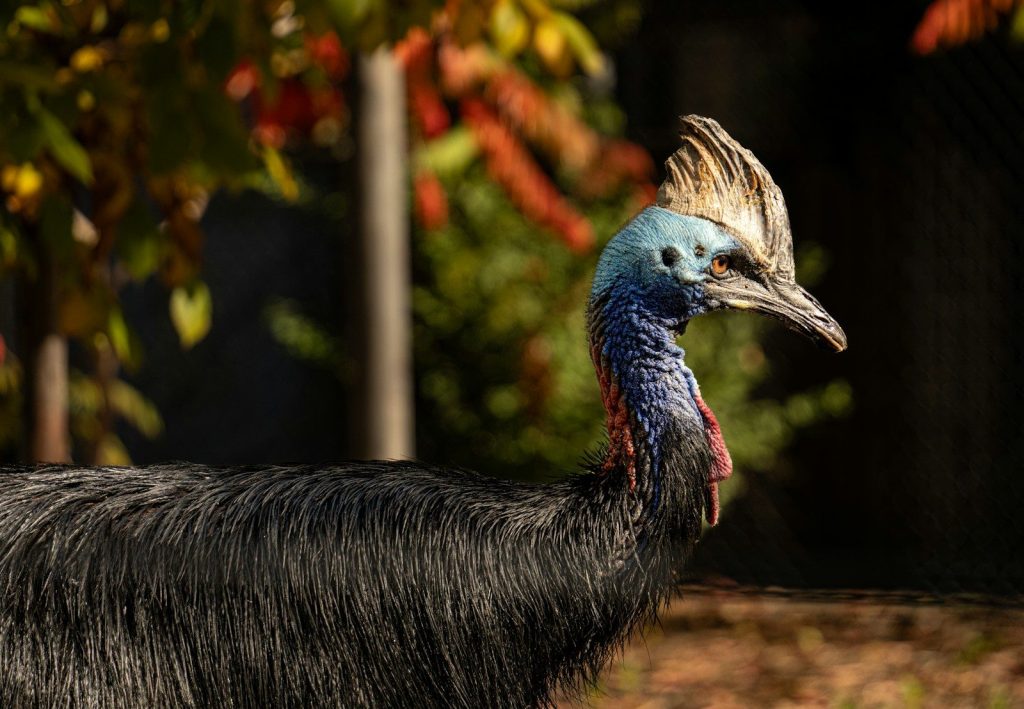
Rainforest birds carry sharp dagger-like claws capable of inflicting fatal injuries during territorial disputes. Powerful legs allow these flightless birds to leap and kick with immense physical force. Space is protected. According to Australian park service reports, cassowaries attack when people offer food or crowd their forest territories. Yet human encroachment remains the primary trigger for conflict.
Respecting Wild Animal Boundaries

Studying territorial instincts in nature teaches humans how to coexist safely with dangerous wildlife species. Avoiding nesting areas and giving large animals ample space prevents defensive attacks. Safety requires respect. According to wildlife biologists, maintaining distance ensures that humans and wild animals can share natural habitats safely. This article is for informational purposes only.
Featured Image: Photo by Brayden Stanford on Pexels
Leave a Reply