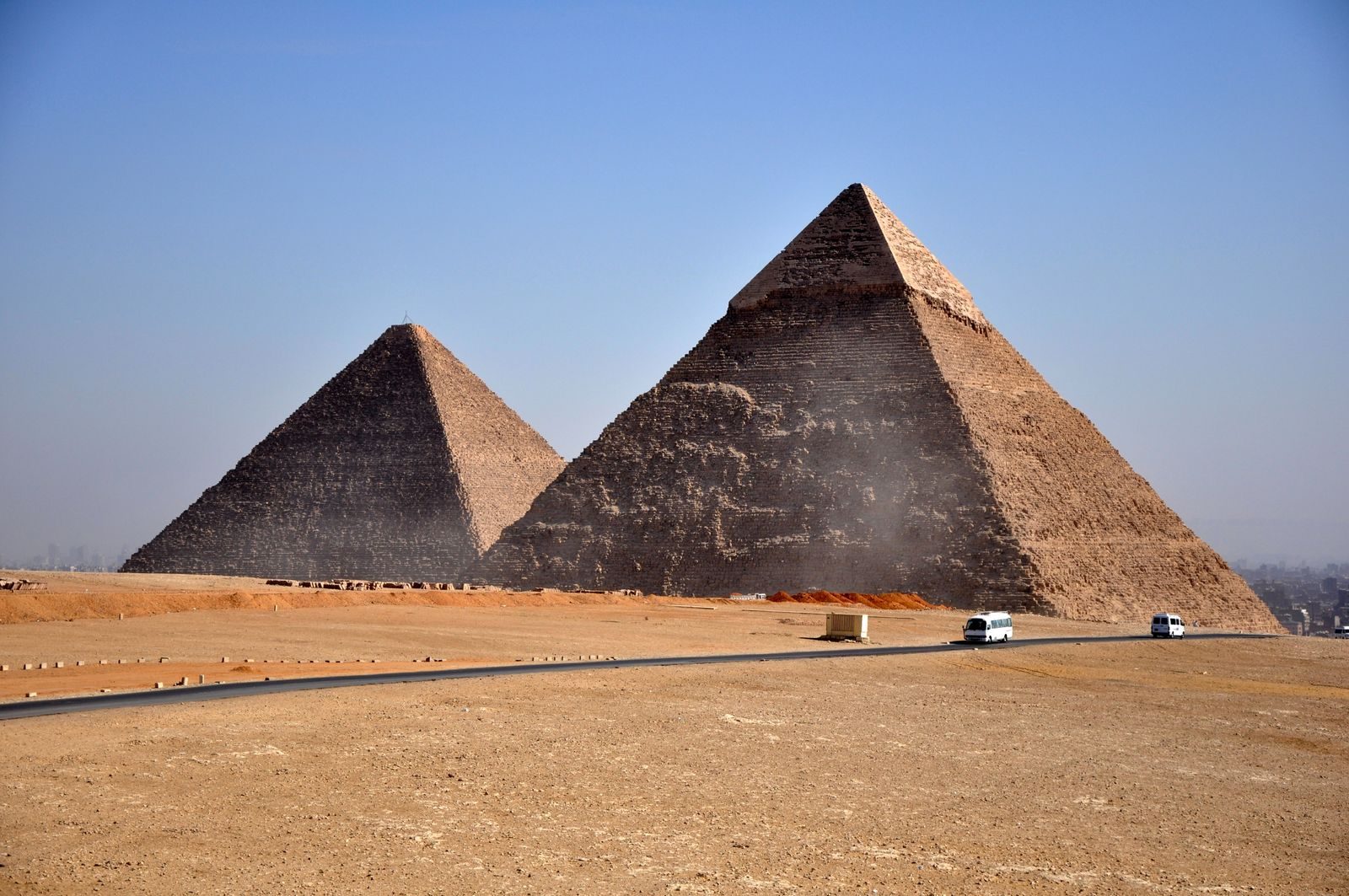
Most people believe that thousands of enslaved workers dragged giant blocks across the dry sand. We imagine endless lines of laborers pulling ropes under a burning sun.
But new archaeological evidence reveals a highly advanced building method. Ancient engineers actually used the natural power of water to move these massive stones.
The Hidden Desert Waterway
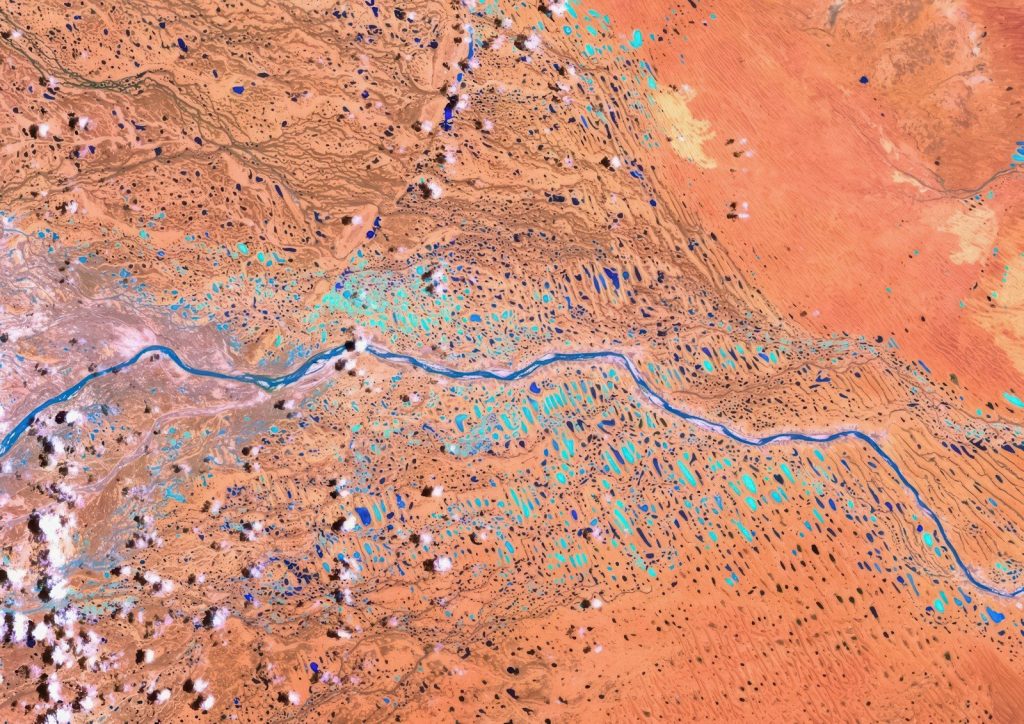
For centuries, historians wondered how builders moved heavy stones across miles of dry land. According to research from the University of North Carolina, scientists recently mapped a buried branch of the Nile River. This was a game-changer. The lost waterway ran directly past the pyramid construction sites. But this river was only the first part of their massive transport network.
Unlocking The Deep Harbors
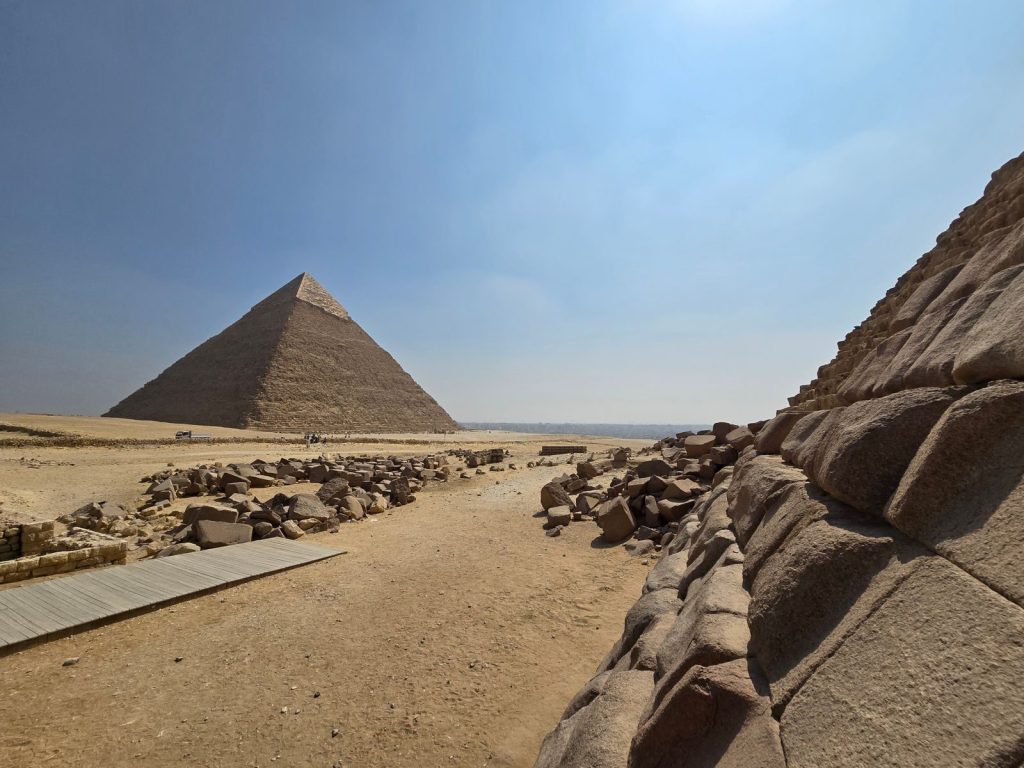
Excavations near the Giza Plateau revealed ancient docking bays and heavy stone harbor walls. According to reports from the French Archaeological Institute, these structures allowed deep draft cargo boats to unload building materials. They were incredibly sophisticated. This advanced canal system brought blocks directly to the construction zone. However, keeping these waterways open required a massive effort from the local workforce.
Mastering The Seasonal Flood
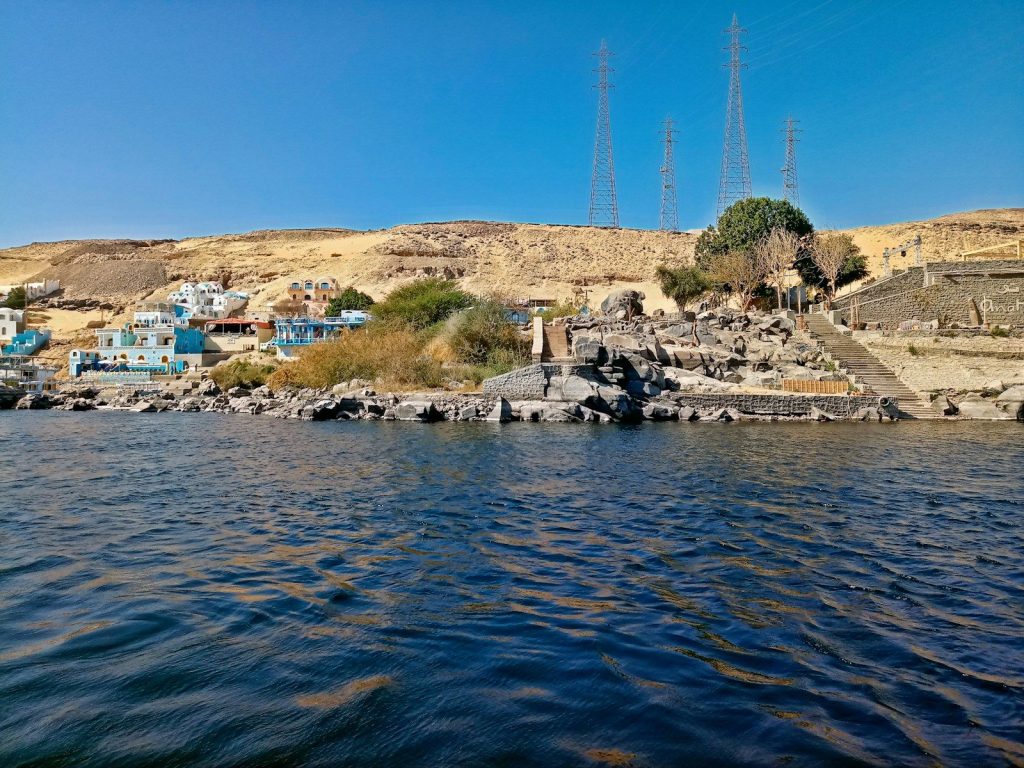
The builders did not fight against nature to move their heavy materials. According to historical papyrus logs, workers carefully timed their deliveries to match the annual flooding of the Nile. Timing was absolutely key. The rising waters filled the shallow dry channels and allowed large boats to sail easily. Yet this temporary shipping network faced a constant threat from the surrounding desert.
Battling The Desert Sands
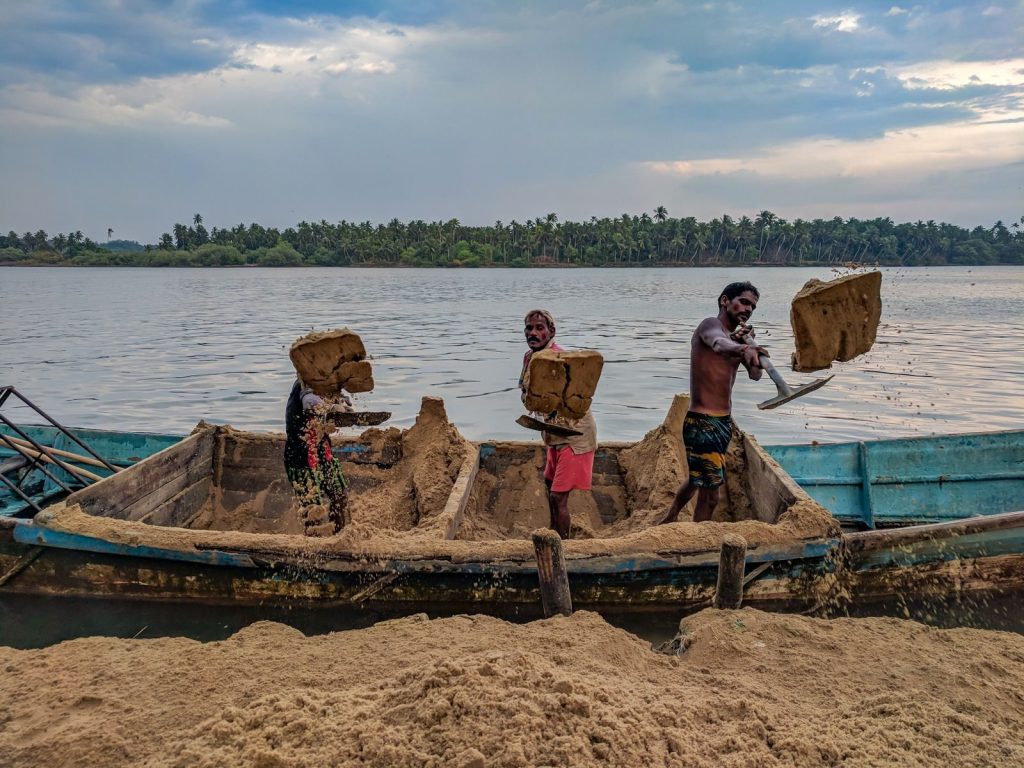
Windstorms continuously threatened to fill the artificial shipping canals with heavy silt. According to structural engineers, specialized maintenance crews worked around the clock to keep the channels clear. It was grueling work. These workers used basic wooden tools to scoop out the sand. But a massive environmental change was about to ruin this clever transit system forever.
The Great Drying Event

The wet period that sustained the Nile branch eventually came to an end. According to paleoclimate studies, a severe regional drought caused the crucial waterway to dry up completely. The lifeblood was gone. Shifting sand dunes buried the harbors and erased the ancient canals from sight. However, the empty riverbed left behind a perfect clue for modern researchers to follow.
Reading The Hidden Landscape
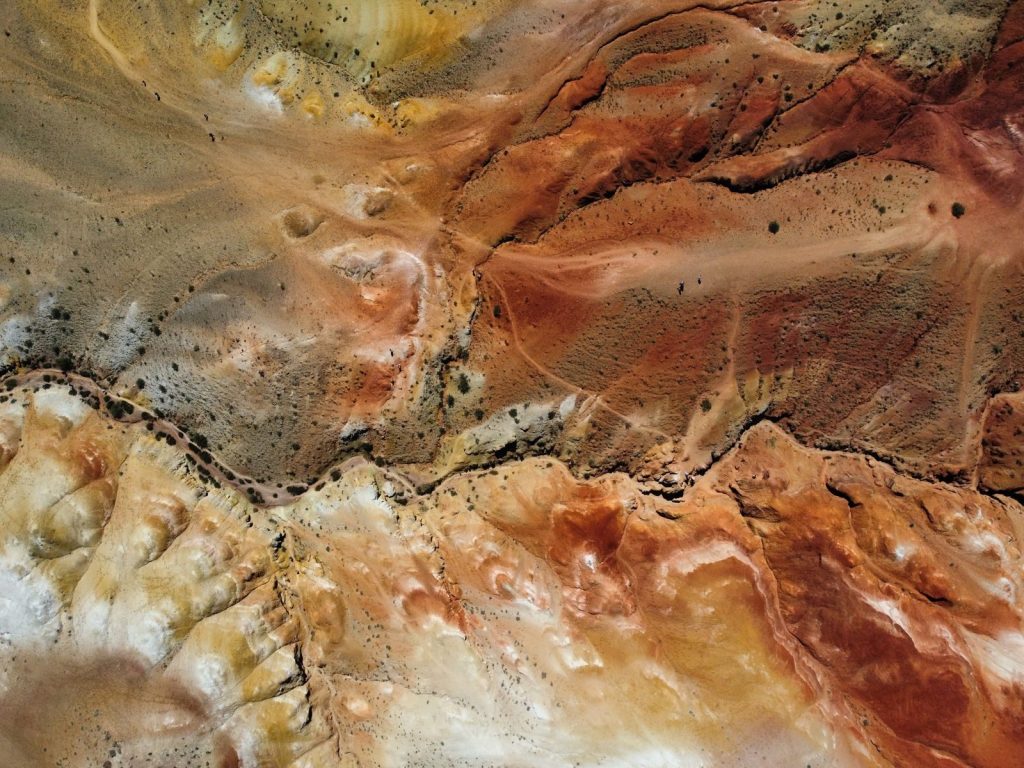
Modern scientists used advanced radar technology to peer beneath the modern desert surface. According to satellite imagery, the ancient riverbed remains visible as a faint outline under the dry sand. The technology is amazing. This discovery finally explains how millions of tons of stone reached the Giza Plateau. But this breakthrough also reveals a surprising truth about the ancient builders themselves.
Redefining Ancient Logistics
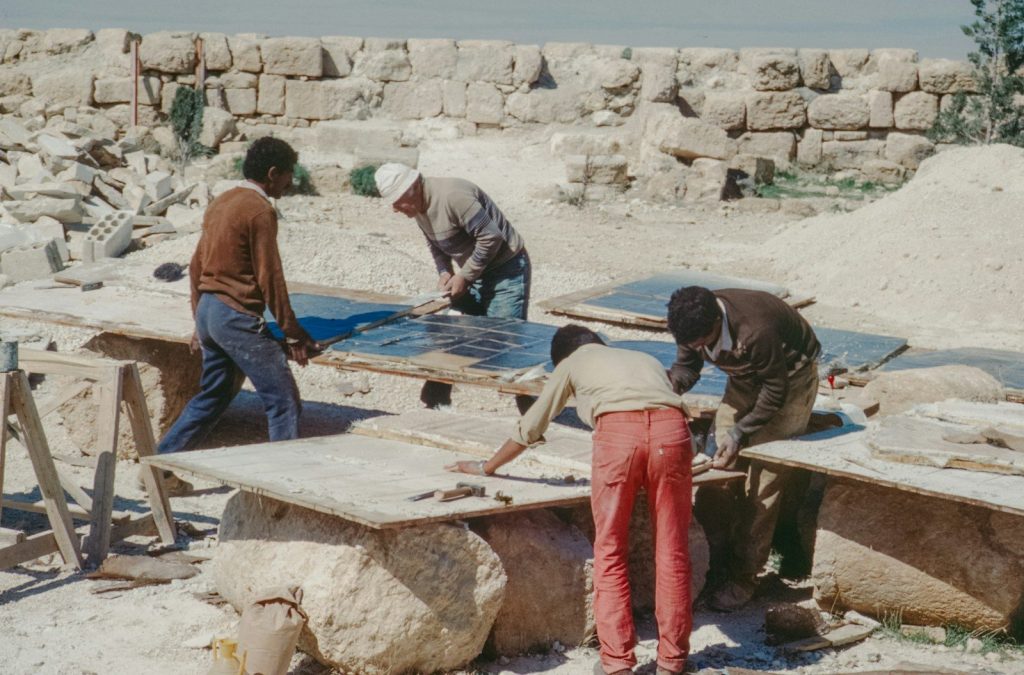
The image of millions of workers dragging stones across dry sand is officially outdated. According to Egyptologists, these people were skilled engineers who manipulated their environment with incredible precision. They were true masters. This discovery highlights their advanced understanding of hydrology and physics. But the ultimate legacy of this water highway stretches far beyond the pyramids.
A Highly Advanced Past
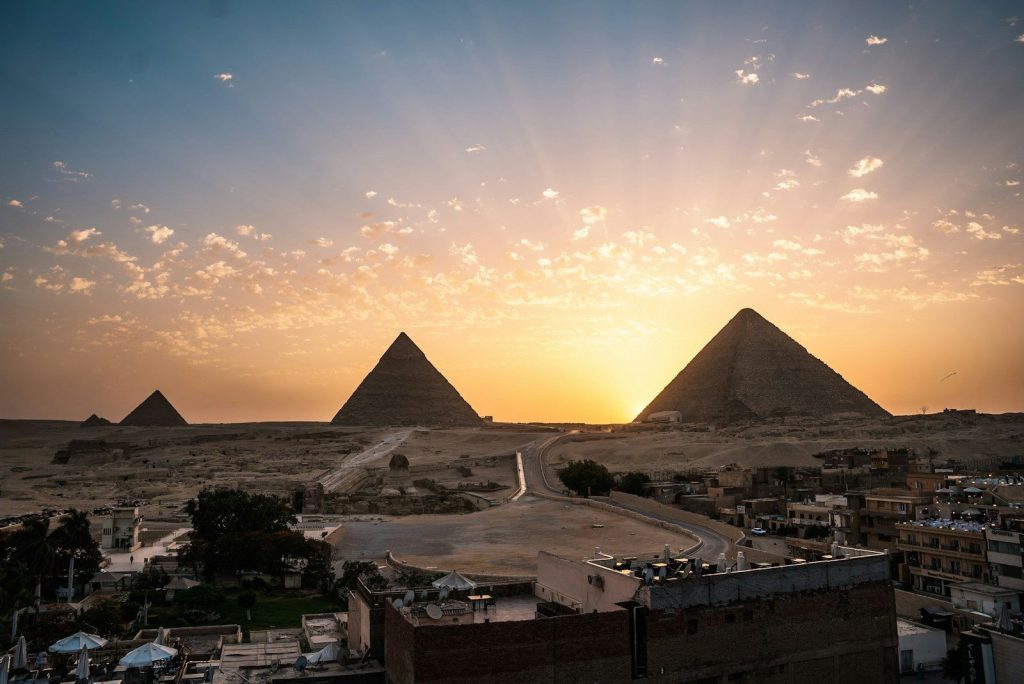
Analyzing this hidden waterway proves that ancient societies solved complex problems with environmental engineering. According to modern research, the Giza harbor is one of the earliest examples of large-scale water management in human history. This article is for informational purposes only and does not constitute scientific or professional advice.
Featured Image: Photo by Walter Galvis on Pexels
Leave a Reply