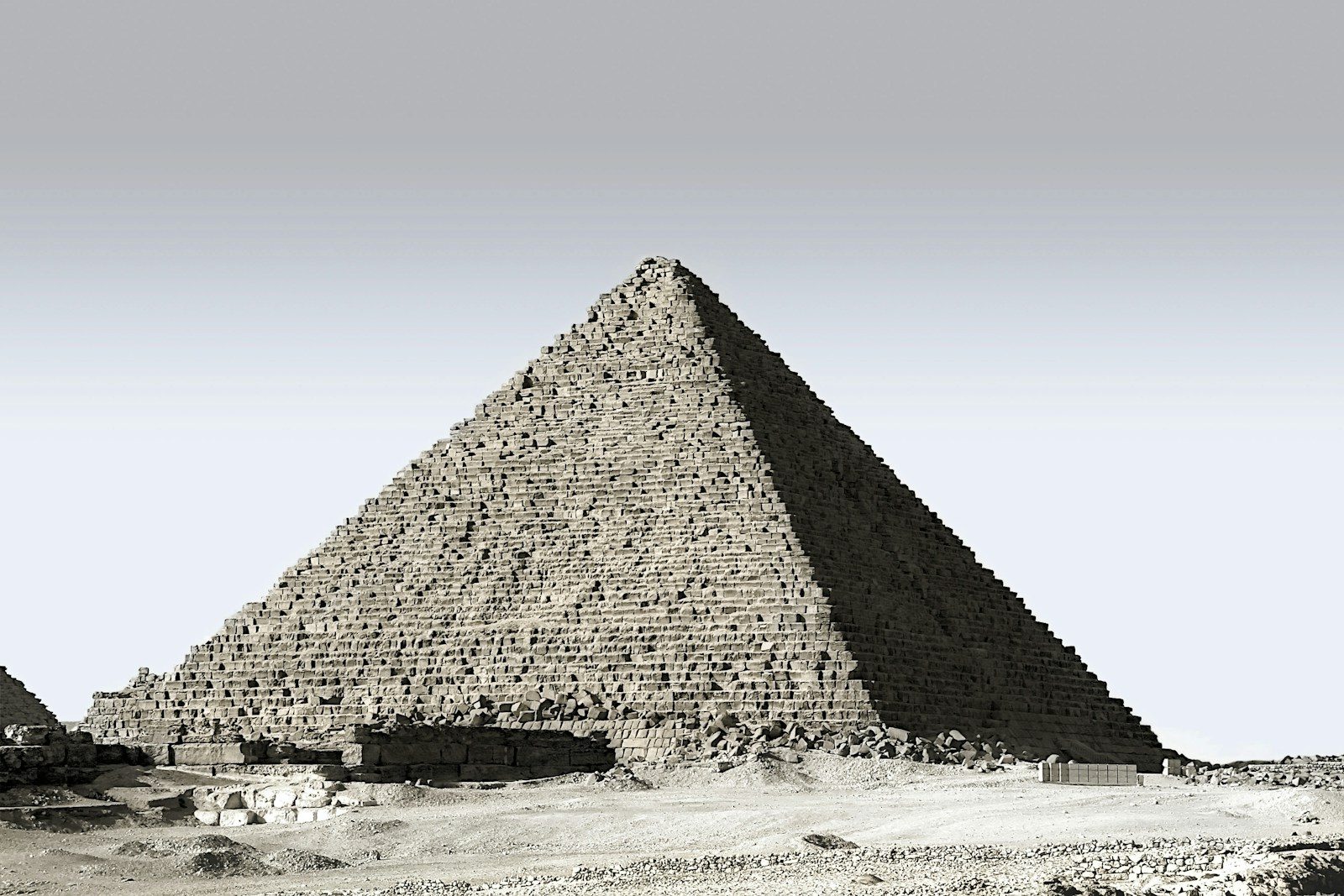
We always assumed that ancient Egyptians dragged millions of heavy stones across miles of dry desert sand. Most historians believed thousands of workers used sheer muscle power to build the pyramids.
But a groundbreaking geological discovery has finally revealed a much smarter ancient construction method. Researchers found evidence of a lost water highway that changed everything.
The Missing Sand Highway
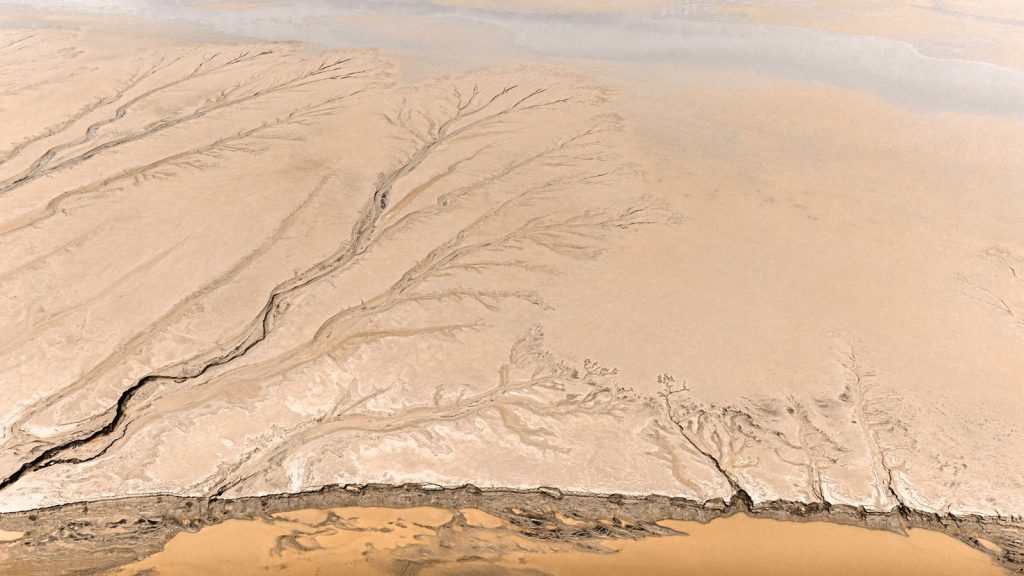
Transporting massive limestone blocks to the Giza Plateau was a massive logistical challenge. According to satellite radar imaging, a long dry branch of the Nile River once flowed right past the pyramids. It was huge. This ancient waterway allowed builders to float heavy cargo directly to the construction sites. But the existence of this river was hidden for thousands of years.
Deep Beneath The Desert
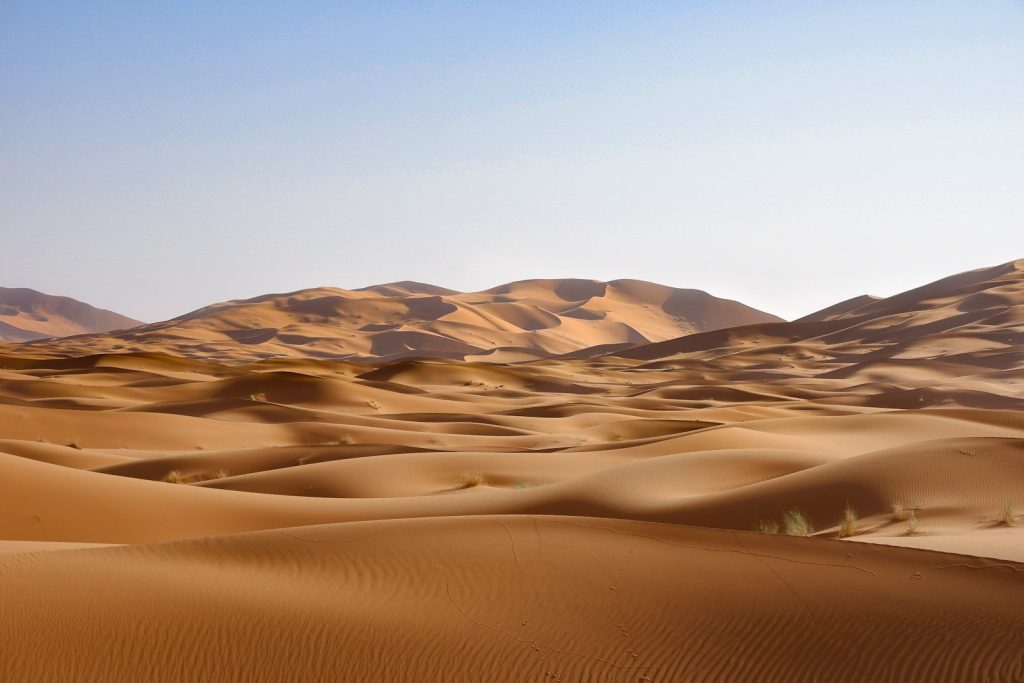
Over centuries, shifting sands and climatic changes completely buried the ancient river channel. According to geological core samples, the dry branch ran for dozens of miles through the valley. It was completely invisible. Scientists had to use advanced scanning technology to detect the old riverbed under the modern desert surface. But this waterway was not just an accidental path.
The Great Port of Giza
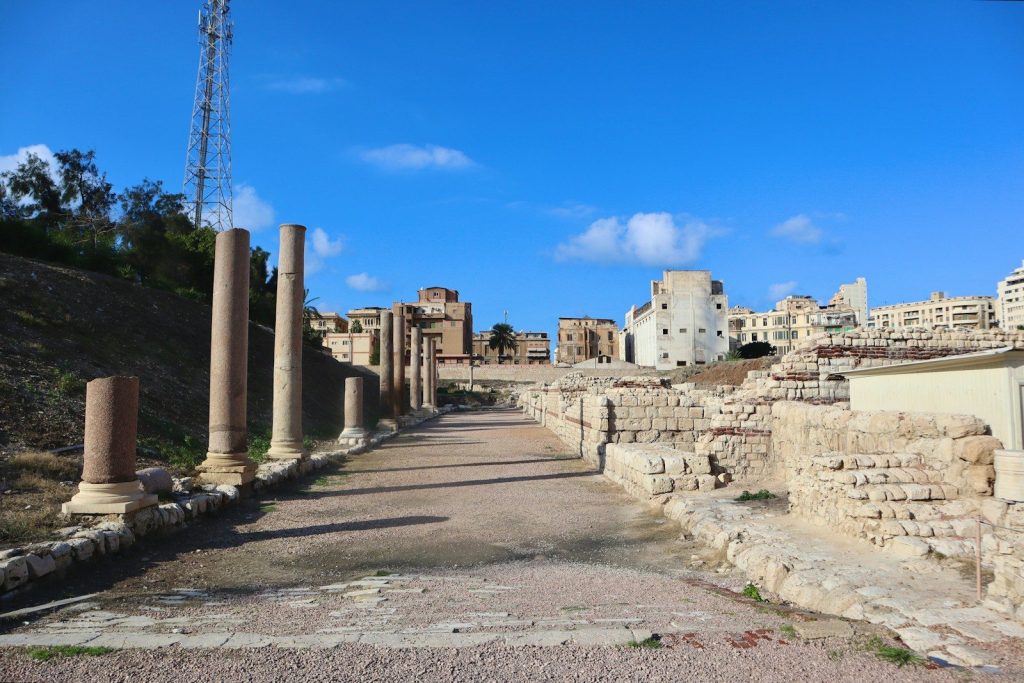
Excavations near the base of the pyramids revealed ancient harbor walls and docking basins. According to archaeological reports, these structures were designed to handle deep draft cargo boats. They were highly advanced. Workers unloaded the heavy stones directly at the foot of the building site. Yet managing this water system required a high level of seasonal planning.
Harnessing The Nile Flood
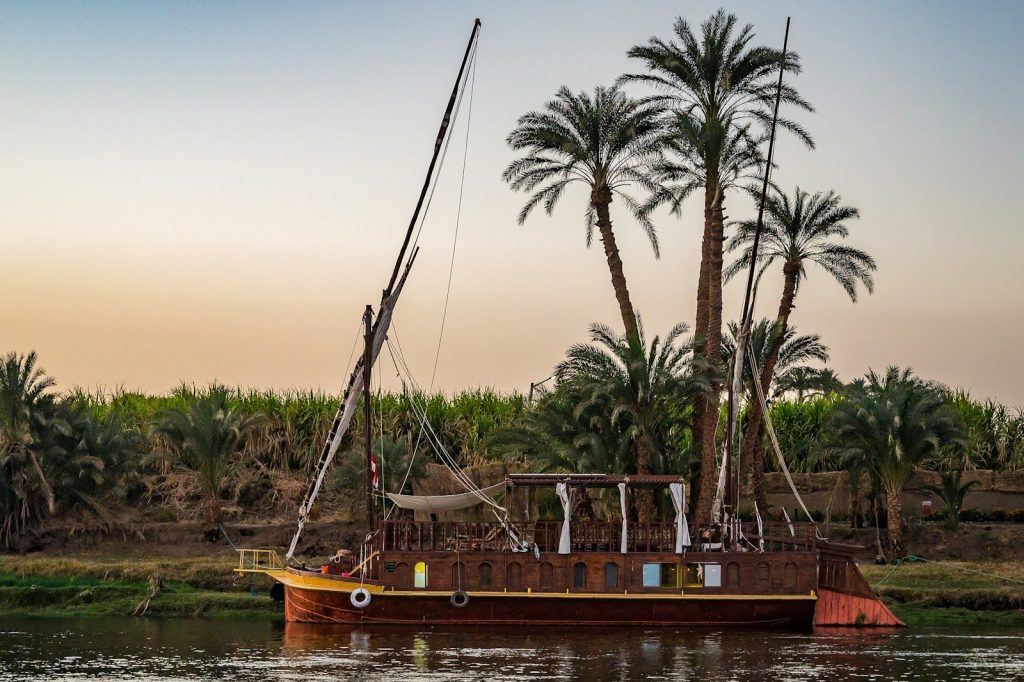
The Egyptians timed their heavy transport projects to match the annual flooding of the Nile. According to historical papyrus journals, the high waters made the shallow channels easy to navigate. Timing was everything. The builders used the natural power of the river to move blocks weighing several tons. But this complex network required constant maintenance to remain open.
The Ancient Dredging Crews
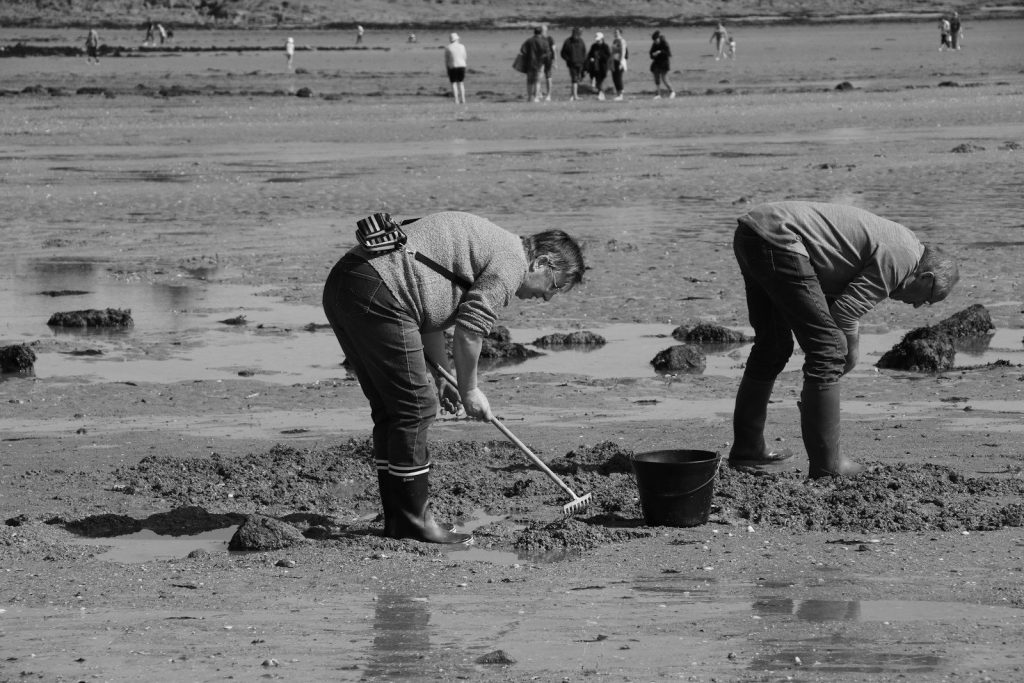
Sandstorms and silt would quickly clog these shallow transport canals if left untended. According to structural engineers, workers constantly cleared the channels to keep the shipping lanes open. It was exhausting work. The builders relied on a massive workforce to maintain their water highway. However, nature would eventually reclaim this vital transport route.
The Water Runs Dry
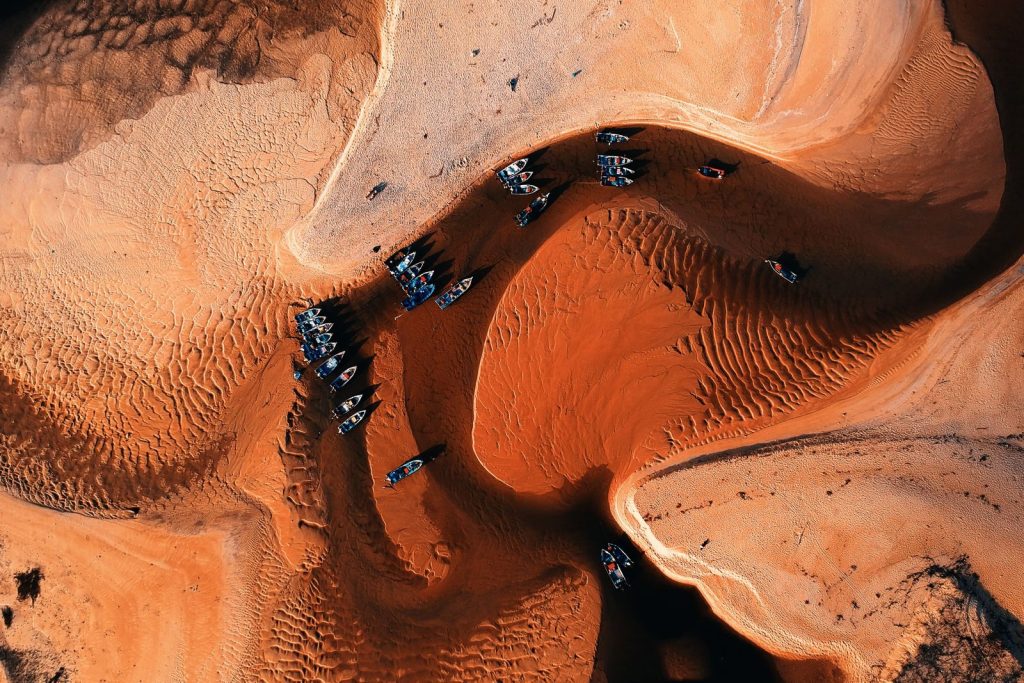
A severe drought eventually caused this branch of the Nile to dry up completely. According to paleoclimate studies, the shifting water levels forced the Egyptians to abandon their harbor town. The highway vanished. The dry riverbed was quickly buried under the endless desert sands. Yet this lost river left behind a perfect explanation for an ancient mystery.
A New Pyramid Story

The discovery of this dry river branch proves that Egyptians were master water engineers. According to modern geologists, they did not rely solely on brutal force to build their wonders. They used physics. This article is for informational purposes only and does not constitute scientific or professional advice.
Leave a Reply