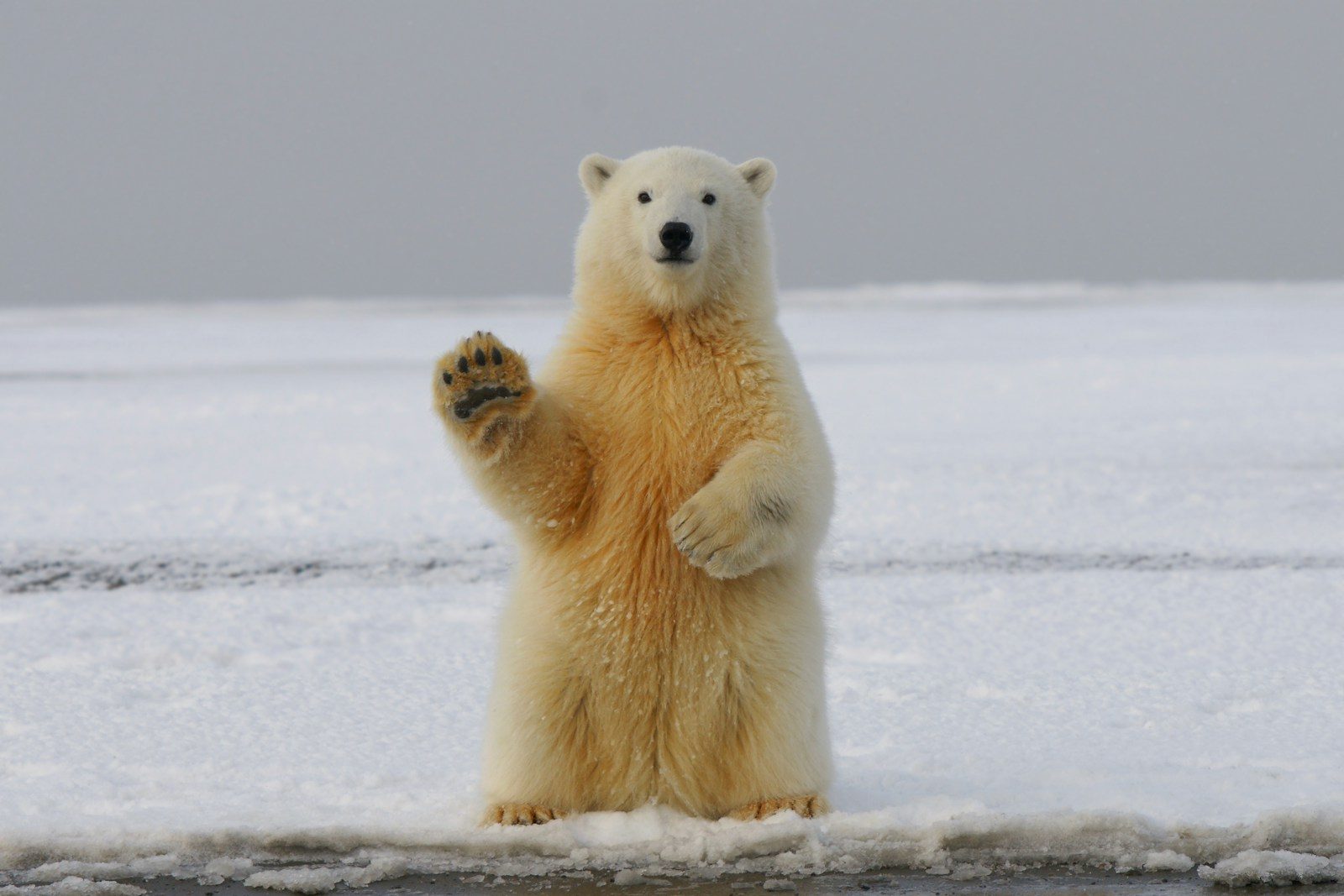
Many people assume that different bear species always stay completely separate. We believe that geographic boundaries keep ancient lineages from mixing.
But a rising population of hybrid animals is challenging this evolutionary rule. These powerful new predators are quickly spreading across the warming north.
The Unlikely Northern Hybrid
Hunters first discovered these unusual white and brown animals in the Canadian Arctic. According to genetic tests from the University of Alberta, these creatures are a mix of polar bears and grizzlies. They are massive. This biological combination represents a major shift in northern ecosystems. But the cause of this mixing is actually driven by a warming planet.
Shrinking Frozen Ice Fields
As northern temperatures rise, polar bears are forced to search for food on land. According to reports from the National Snow and Ice Data Center, melting sea ice is shrinking their traditional hunting grounds. The ice is vanishing. At the same time, grizzlies are moving further north into territory that was once too cold. But their meeting was about to take a completely unexpected turn.
Compatible Evolutionary Genetics

Unlike most hybrid species, these mixed bears are fully capable of reproducing. According to evolutionary studies from the University of California, the two species split from a common ancestor very recently. Their DNA is compatible. This genetic similarity allows them to produce healthy offspring that can continue the hybrid line. But this genetic blending creates a completely new set of physical traits.
Adapting To Two Environments
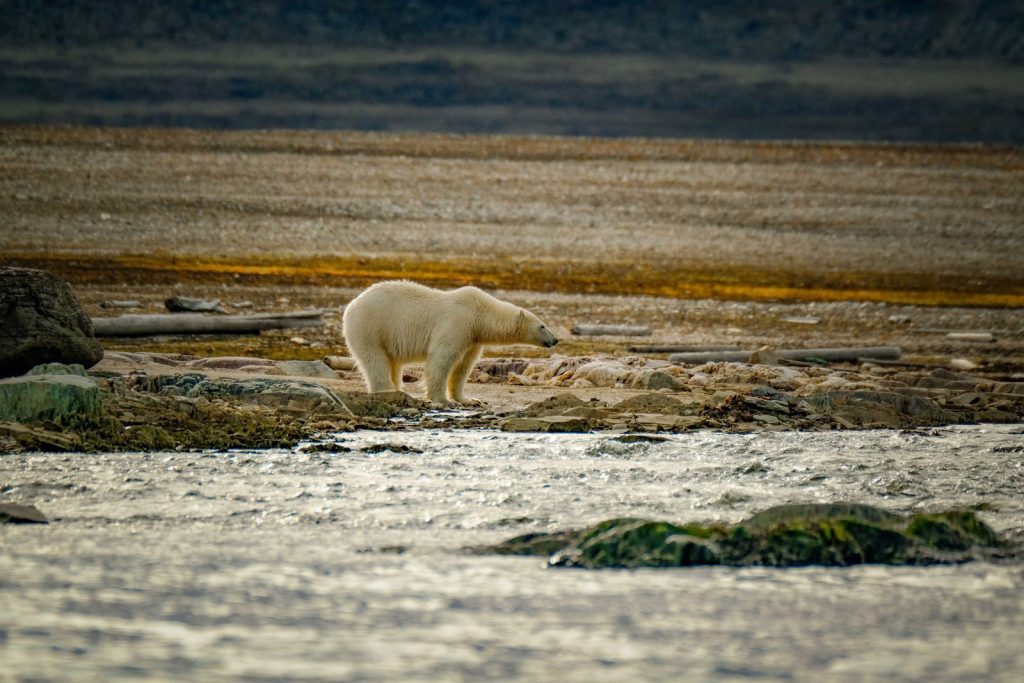
These hybrids inherit physical characteristics from both parents. According to morphological studies from the Canadian Wildlife Service, they possess the long necks of polar bears and the broad heads of grizzlies. They are highly adaptable. This physical design allows them to hunt both on land and in water. But this adaptability could spell trouble for the classic polar bear.
Diluting Pure Native Linages
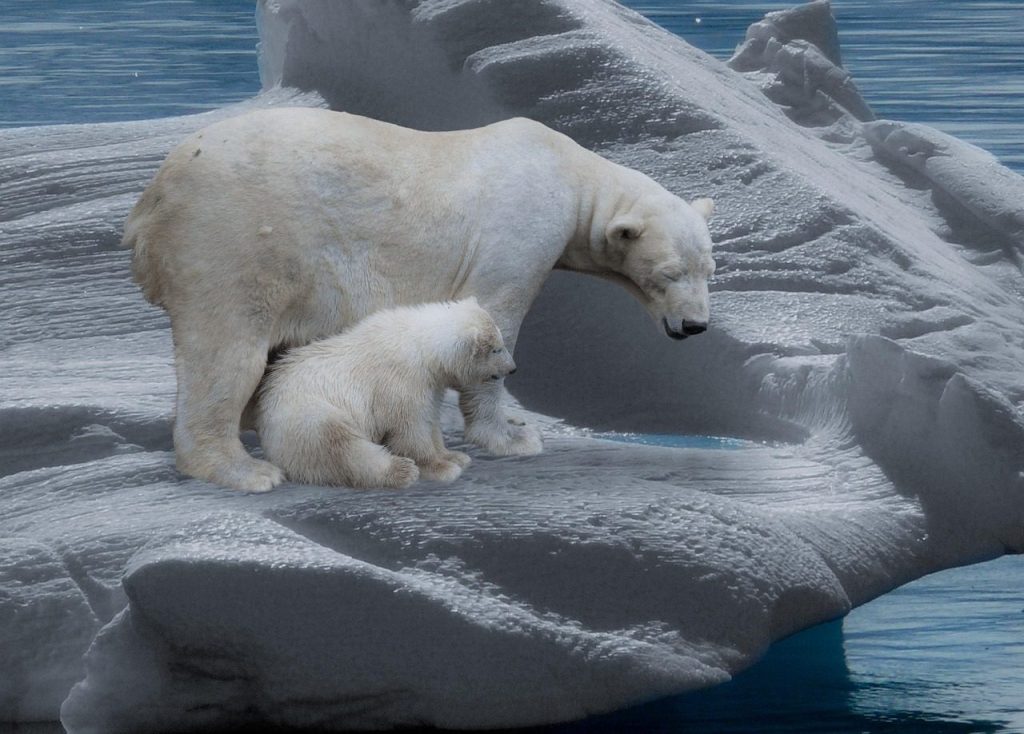
The rapid spread of these hybrids could eventually push polar bears toward extinction. According to research from the International Union for Conservation of Nature, genetic swamping is a serious threat. Their genes are diluted. Over time, the pure polar bear lineage could be completely absorbed into the grizzly population. But this biological transition is happening faster than scientists expected.
Mapping The Dynamic Shift

Scientists are using satellite tracking to monitor the spread of these hybrid populations. According to tracking data from the Geological Survey, sightings are rising in remote northern islands. The map is expanding. These predators are proving that nature will adapt to rapid climate changes in surprising ways. But the long-term impact remains a mystery.
The Emerging Polar Wilderness

The rise of hybrid predators shows how fast our planet is changing. These resilient animals are the new faces of a warming wilderness. We must observe closely. This article is for informational purposes only.
Featured Image: Photo by Hans-Jurgen Mager on Unsplash
Leave a Reply