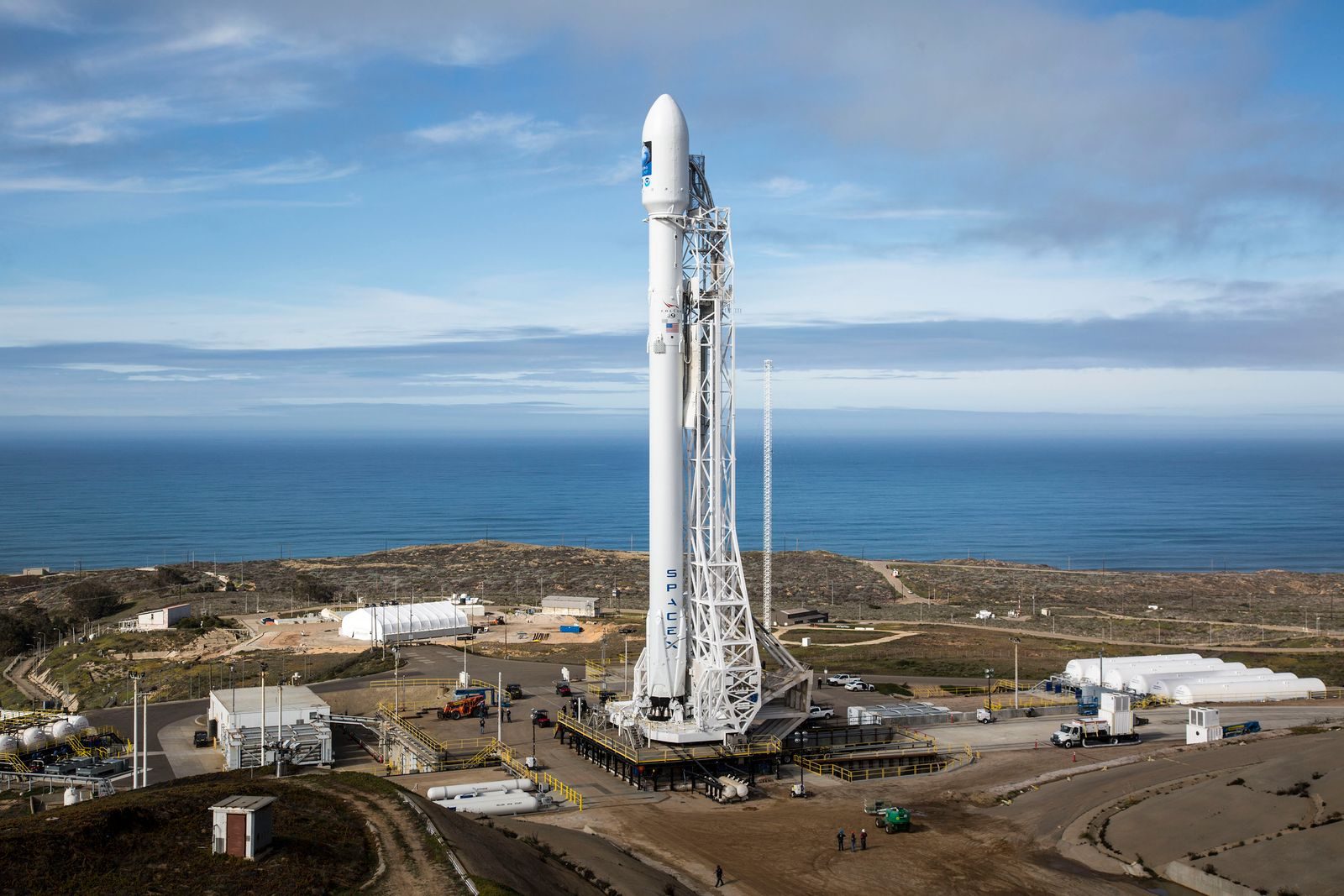
Most stargazers assume that lunar shelters will be tiny structures built by simple robots. We believe that building a real base on the moon is decades away.
But a fleet of massive deep-space rockets is preparing to start construction much sooner. This bold project will establish the first permanent human outpost on another world.
A New Heavy Lift Era
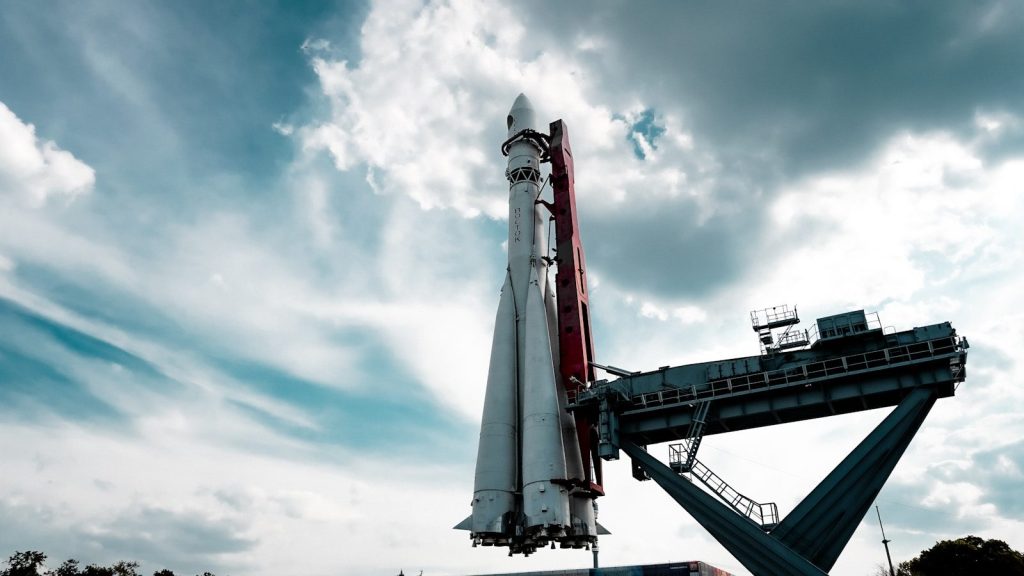
Shipping building materials into deep space requires unprecedented rocket volume. According to technical specifications from SpaceX, the giant reusable launch vehicle can carry over one hundred tons of payload to lunar orbit. This is a game-changer. Standard rockets are far too small to carry the heavy steel beams needed for large bases. But getting these massive loads to the moon requires a unique orbital trick.
Refueling In Deep Space
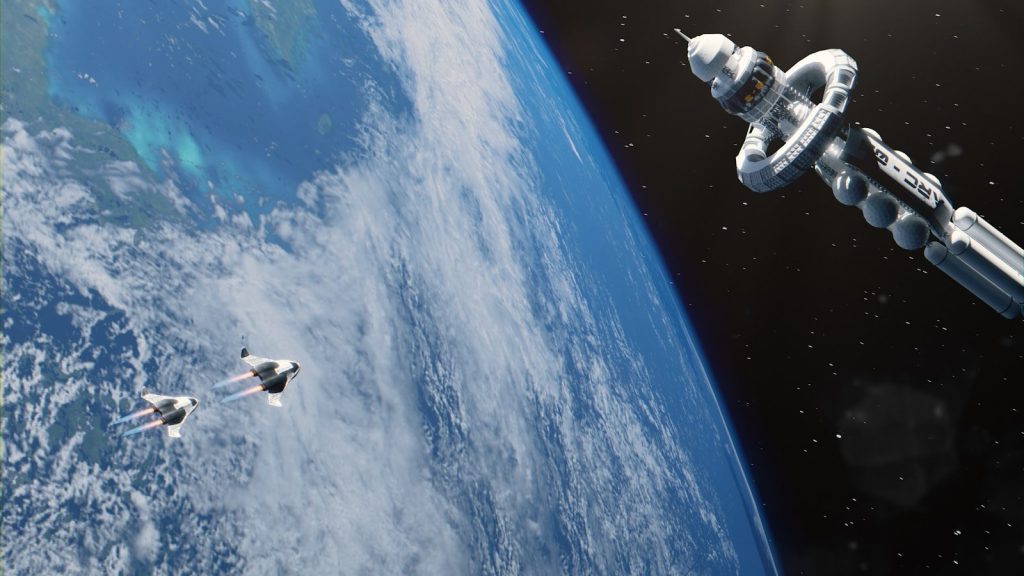
A heavy spacecraft cannot reach the lunar surface on a single tank of fuel. According to aerospace engineering reports, the rocket must rendezvous with automated tanker ships in low orbit. The process is complex. Transferring cryogenic methane in zero gravity is incredibly difficult, but it unlocks the entire solar system. But once the cargo safely lands, astronauts will face a brutal lunar environment.
Battling Toxic Lunar Dust
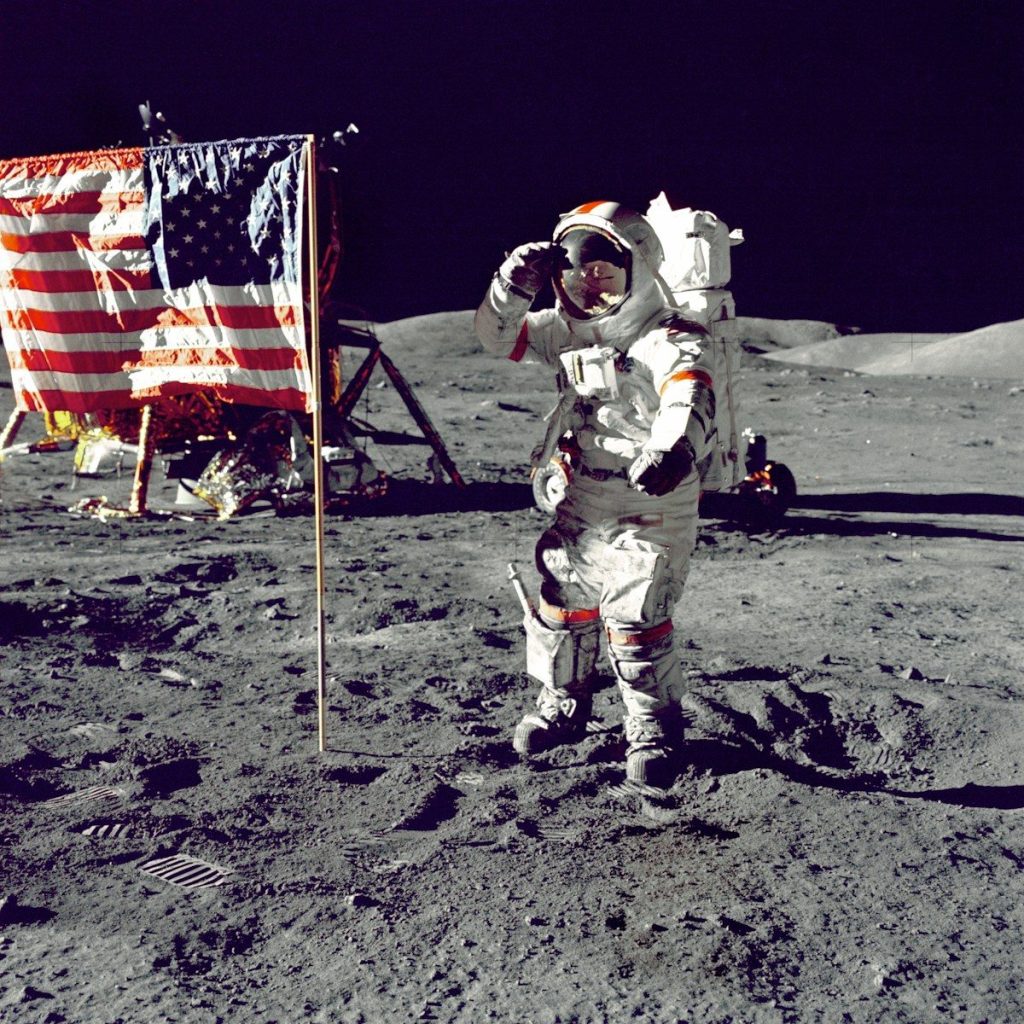
The lunar surface is covered in a fine powder that destroys machine joints and spacesuits. According to geologic studies by NASA, this sharp dust is highly static and clings to everything. It is incredibly toxic. Future base designs must include advanced electrostatic airlocks to keep these jagged particles outside. But dust is not the only hazard waiting for the first builders.
Underground Lunar Caves
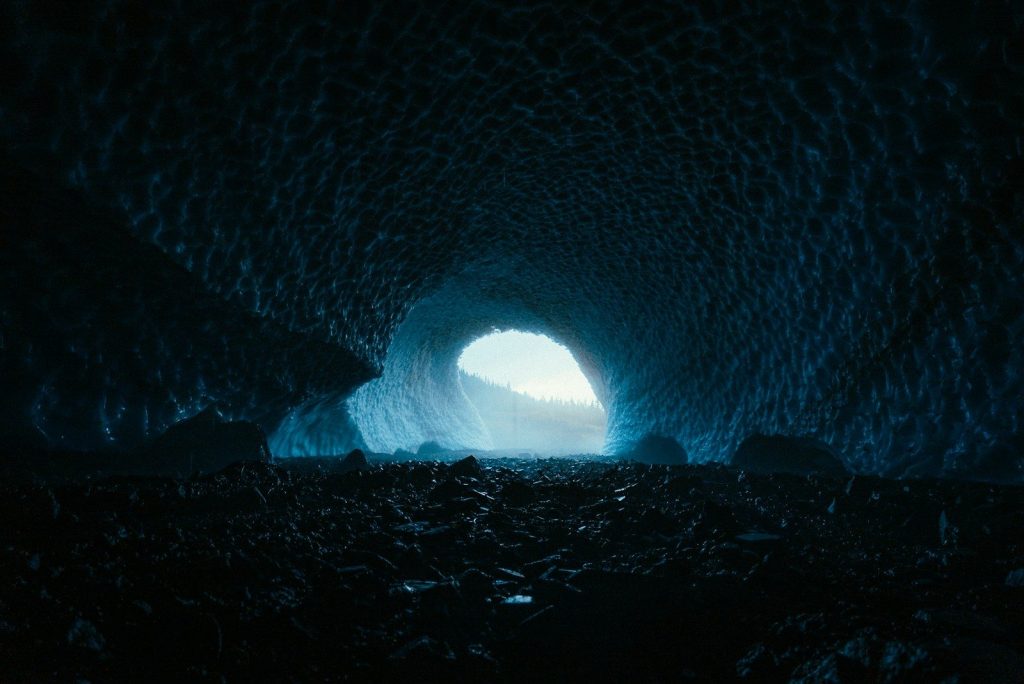
Dangerous cosmic radiation and extreme temperature swings blast the lunar surface. According to geophysical models, the safest place to build is actually inside deep volcanic tunnels. They are massive. These natural lava tubes provide built-in shielding from space weather and micrometeorites. But sealing these giant underground chambers will require an entirely new type of structural engineering.
The Inflatable Dome Solution
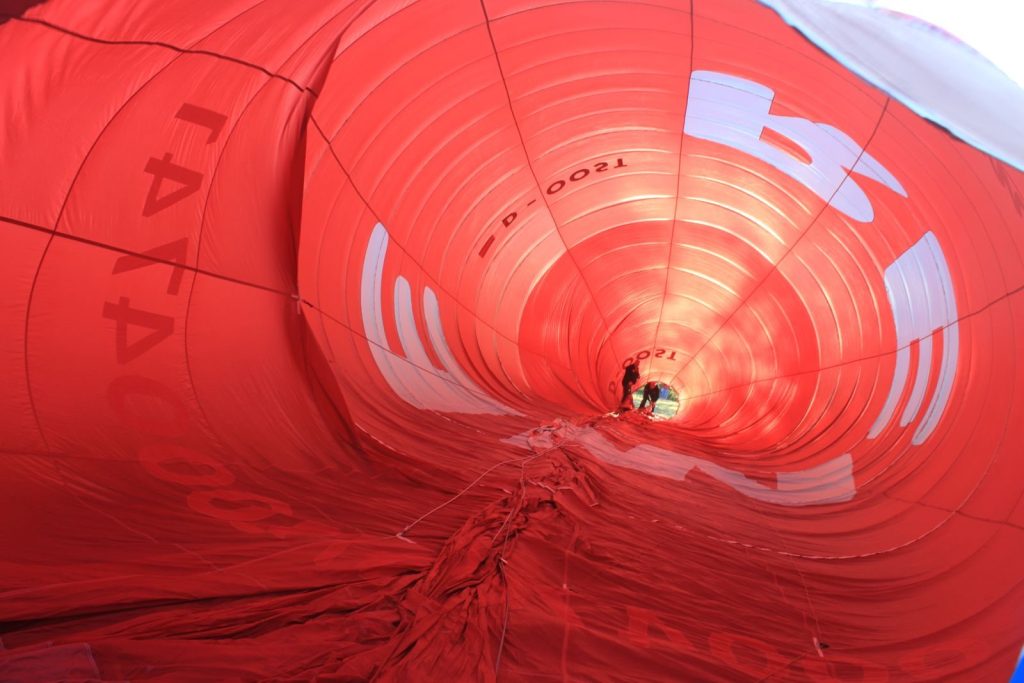
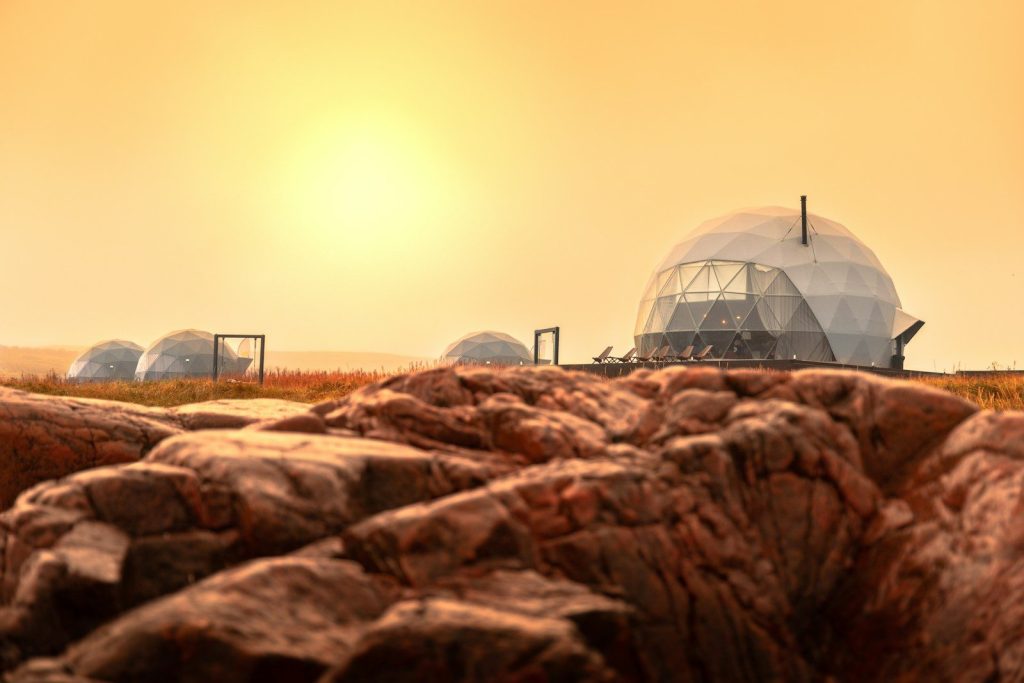
Carrying traditional concrete and steel from Earth is far too expensive. According to architectural design files, engineering teams plan to deploy heavy fabric domes that expand with air. They are incredibly tough. Once inflated, these flexible shells will be covered with lunar soil to form a thick protective barrier. But keeping these enclosed habitats breathing requires a steady supply of basic life support.
Mining For Rocket Fuel
A permanent base cannot rely on supply ships from Earth forever. According to satellite mapping data, deep craters at the lunar south pole contain billions of tons of water ice. This ice is vital. Future miners will harvest this ice to create drinking water, breathable oxygen, and fresh liquid rocket propellant. But powering this heavy industrial equipment on a dark world presents a major energy puzzle.
The Giant Lunar Grid
Extreme lunar nights last for fourteen Earth days, plunging solar arrays into total darkness. According to energy planners, colonists must deploy small nuclear fission reactors to maintain continuous power. Reliability is everything. These compact generators will run constantly to keep the base warm and the oxygen pumps active. But this massive power grid is just the starting point for a larger interplanetary expansion.
The Interplanetary Stepping Stone
Learning to survive on the moon is the ultimate dress rehearsal for deep space exploration. According to planetary scientists, the technologies perfected on the lunar surface will directly power the first human missions to Mars. We are moving outward. This historic endeavor will turn humanity into a true multi-planetary species. This article is for informational purposes only.
Leave a Reply