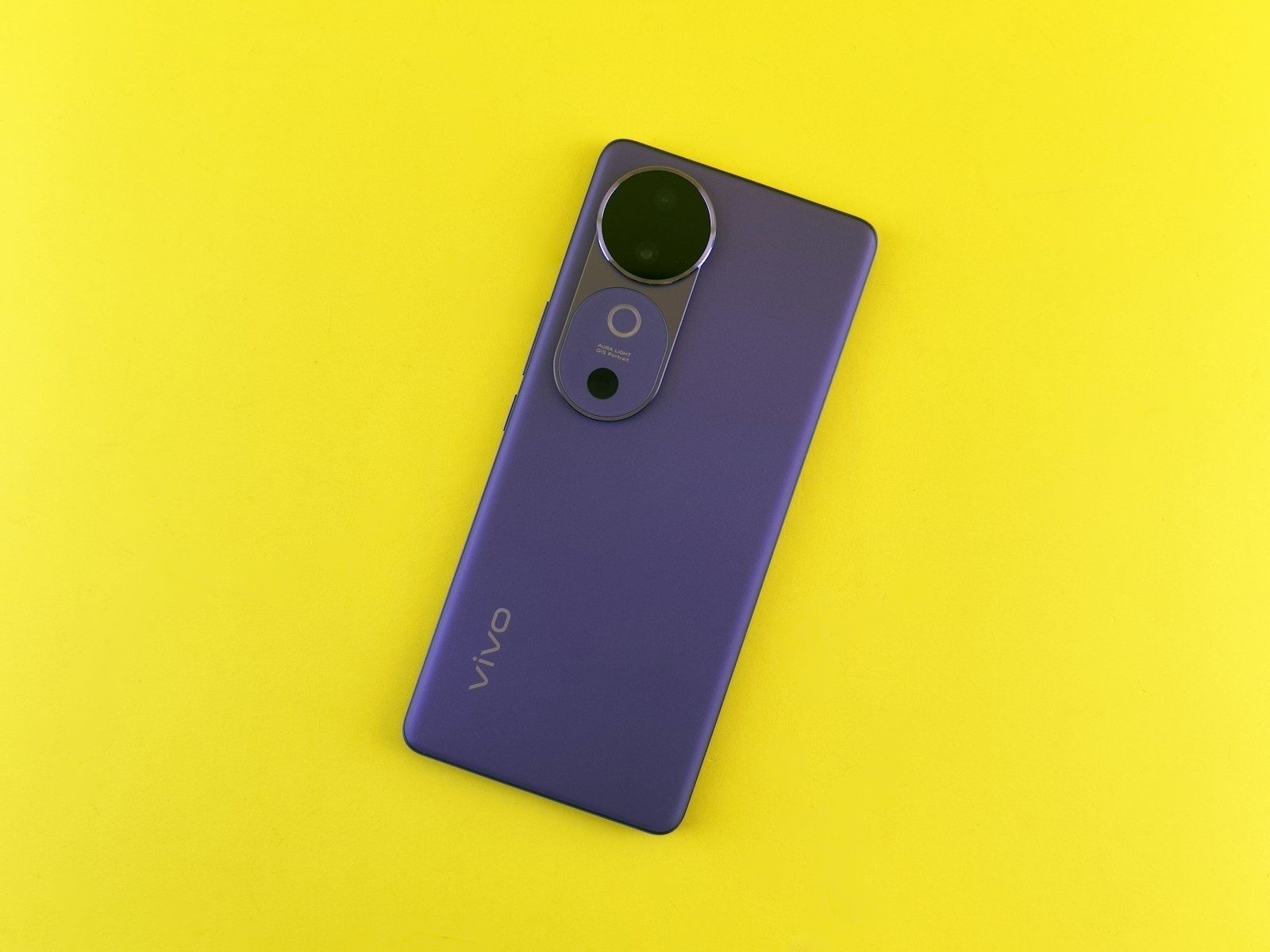
A phone does not need the highest price tag to feel high-end. Many mid-range and “near-flagship” phones now borrow features that used to belong only to top models. Smooth OLED screens, strong processors, better cameras, longer software support, tougher glass, cleaner designs, and water resistance can make a phone feel much more expensive than it is.
Google’s Pixel 9a, for example, lists a 120Hz pOLED display, bright screen, and long-term update support, while Samsung’s Galaxy S24 FE includes a 120Hz AMOLED display and IP68 rating. Apple’s iPhone 16e also brings an OLED display and Ceramic Shield protection to a lower-priced iPhone. The trick is knowing which signs actually matter in daily use.
A smooth OLED screen
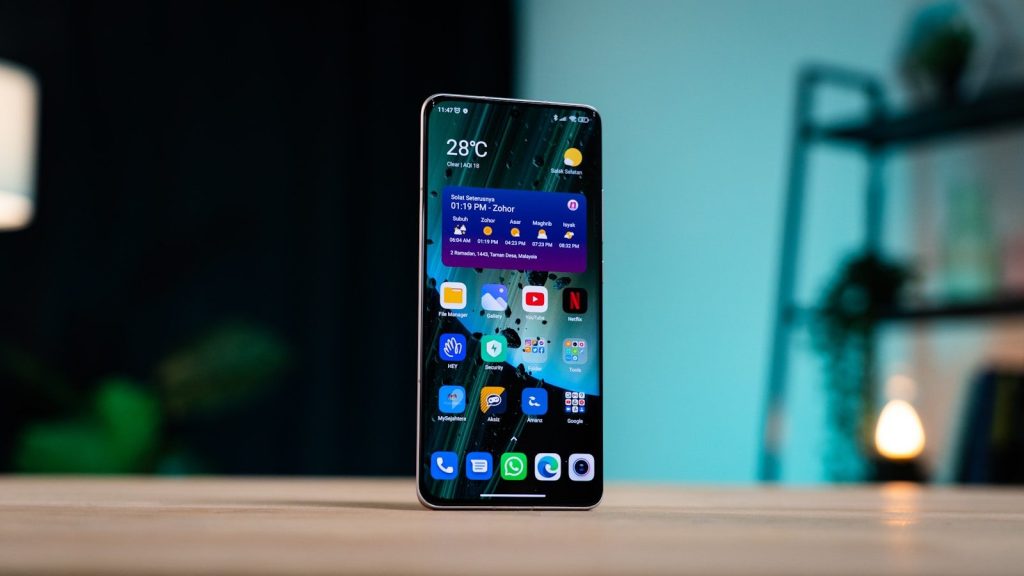
A premium-feeling phone often starts with the display. OLED screens usually offer deeper blacks, strong contrast, and a cleaner look than basic LCD panels.
Refresh rate matters too. A 120Hz screen can make scrolling, gaming, and app switching feel smoother. Google lists the Pixel 9a with a 60–120Hz pOLED display, while Samsung lists the Galaxy S24 FE with a 120Hz Dynamic AMOLED 2X screen.
Brightness that works outdoors
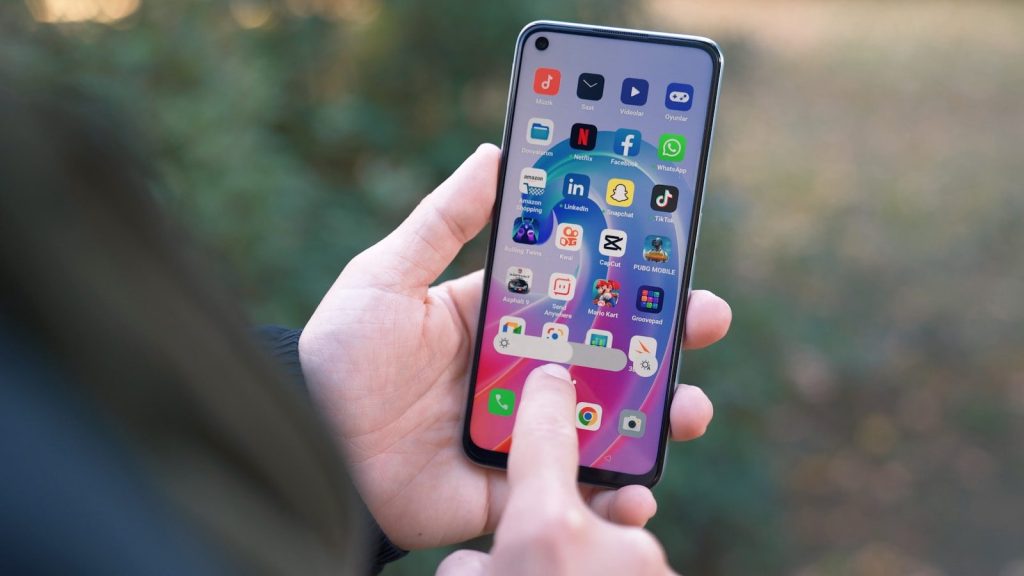
A phone can look great indoors but struggle outside. A more premium display should stay readable in sunlight, especially when checking maps, messages, photos, or videos.
Peak brightness is one clue to watch. Google says the Pixel 9a reaches up to 2,700 nits peak brightness, while Apple lists the iPhone 16e with up to 1,200 nits peak brightness for HDR. Those numbers can affect real outdoor comfort.
Materials feel more solid
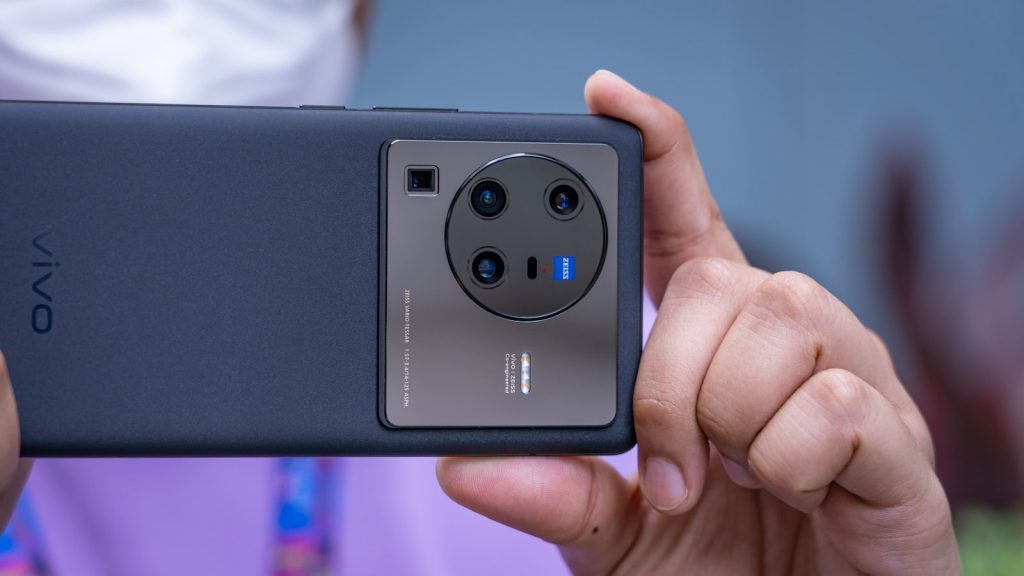
A phone feels more premium when it does not seem cheap in the hand. Stronger glass, cleaner edges, better buttons, and a sturdy frame can make a big difference.
Apple says iPhone 16e uses Ceramic Shield on the front and a tough glass back. That kind of build detail helps a lower-priced phone feel closer to a flagship, even if it skips some top-tier extras.
Water resistance adds confidence
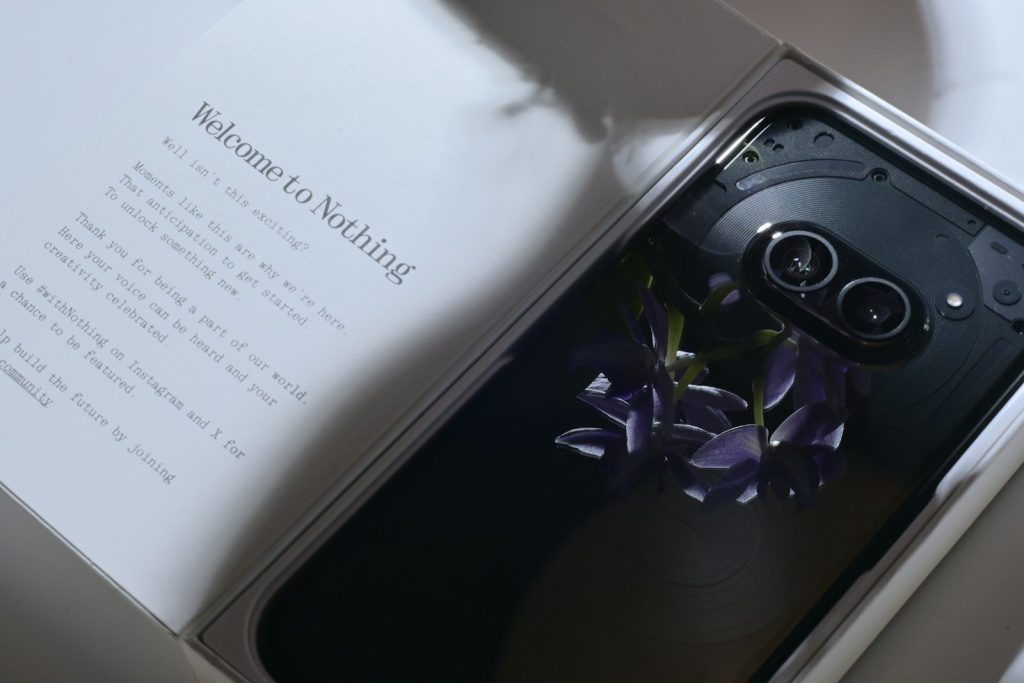
Water and dust resistance can make a phone feel more dependable. It does not mean people should be careless, but it does help protect against everyday accidents.
Samsung lists the Galaxy S24 FE with an IP68 rating under lab conditions, and that is the kind of feature many buyers expect from more expensive models. A strong rating can be a quiet sign that the phone is built to last.
Cameras do more with less
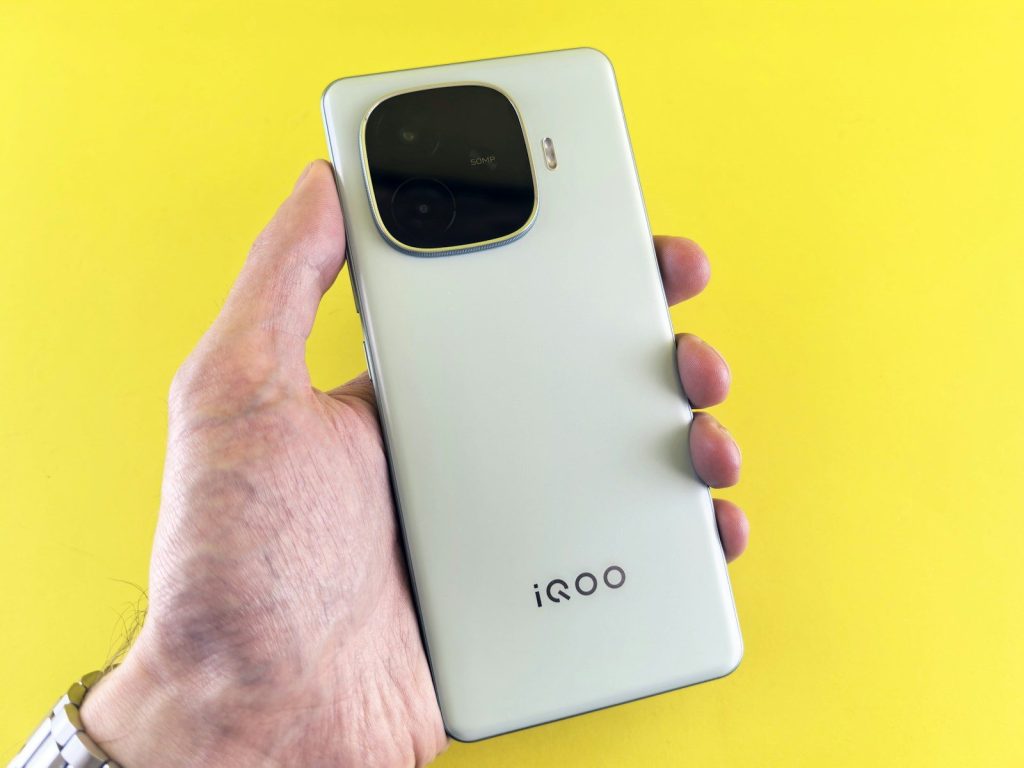
A premium phone does not always need the most camera lenses. What matters is how well the main camera handles detail, color, focus, night shots, and moving subjects.
Mid-range phones now often use better sensors and smarter processing to close the gap. A strong main camera, reliable portrait mode, and clean video can make a phone feel high-end even without every flagship camera feature.
Updates keep it valuable
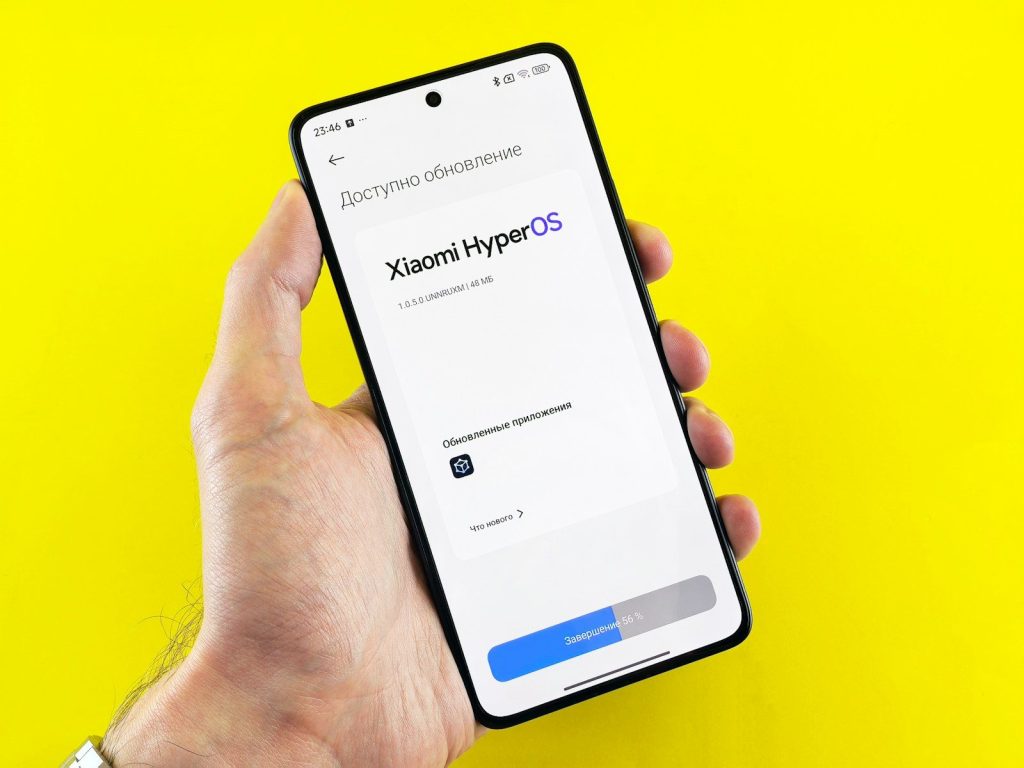
Long software support is one of the clearest signs of a better phone. A device that keeps getting security patches and system upgrades can feel newer for longer.
This matters because people are holding phones longer. Google lists the Pixel 9a with seven years of OS, security, and feature drop updates, which is a strong premium-style promise for a non-flagship model.
Performance feels effortless
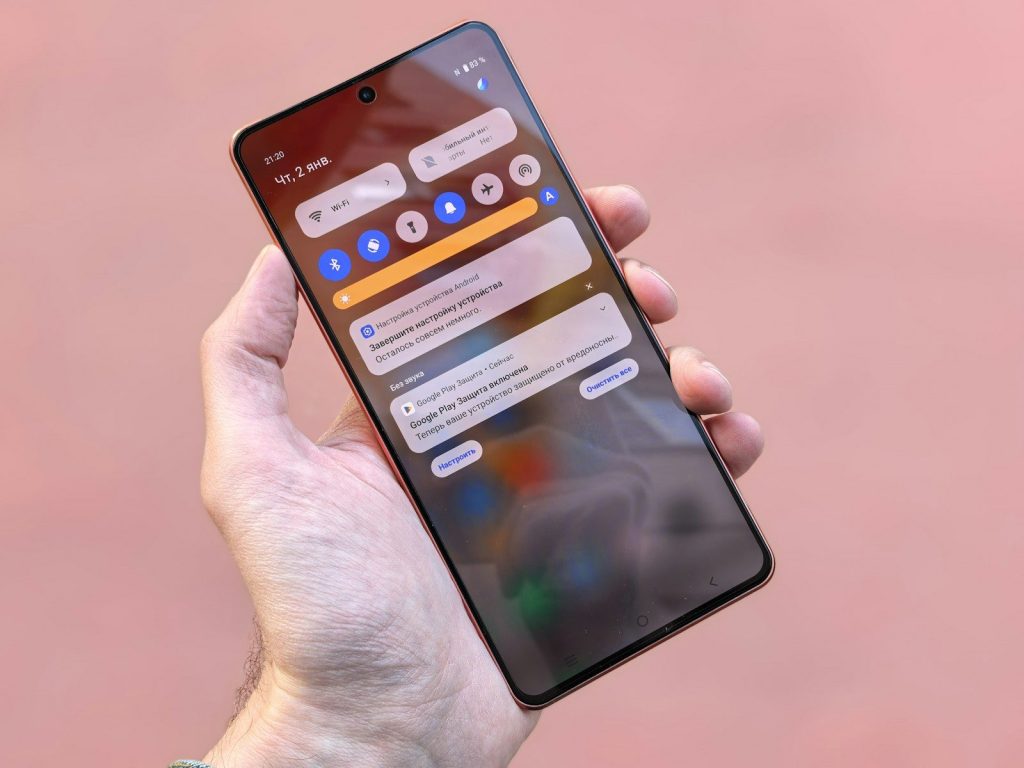
A premium-feeling phone should not lag through basic daily tasks. Apps should open quickly, scrolling should feel steady, and switching between messages, maps, camera, and video should feel smooth.
The chip, RAM, storage speed, and software tuning all play a part. The best lower-priced premium phones may not beat true flagships in heavy gaming, but they should feel fast and reliable in normal use.
Leave a Reply