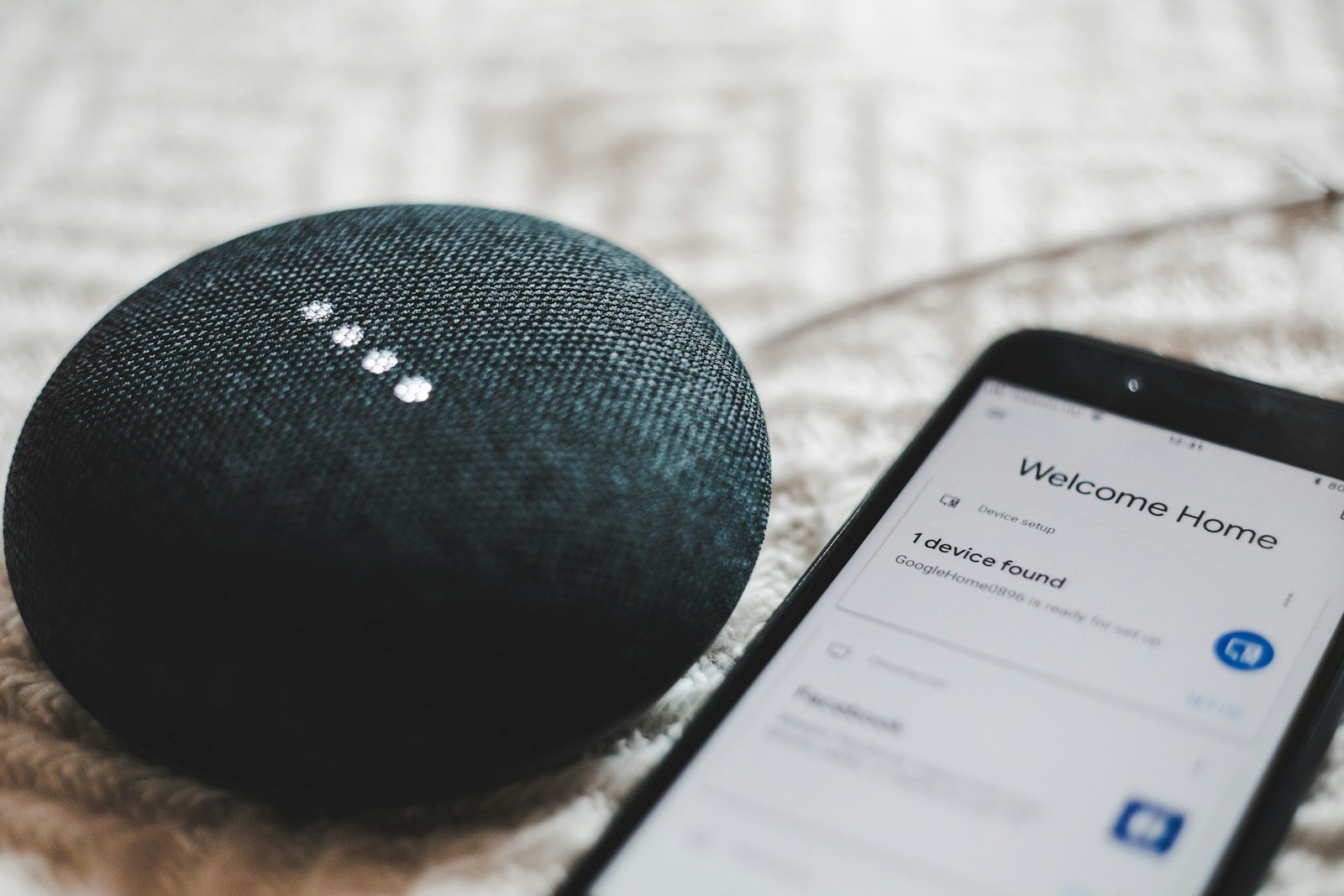
Setting up a smart home used to feel like matching puzzle pieces from different boxes. One bulb worked with Alexa, another needed Google Home, and a third required its own app or hub. Matter is changing that by giving many smart devices a shared language. The Connectivity Standards Alliance describes Matter as an IP-based standard built to support reliable, secure smart home connections.
Amazon says Matter devices can connect to Alexa without a separate hub or smart home skill in supported cases, while Google says Matter is designed to reduce compatibility problems and simplify setup. It does not fix every smart home headache, but it is making Alexa and Google Home setups feel more flexible, familiar, and easier to build.
One label matters more
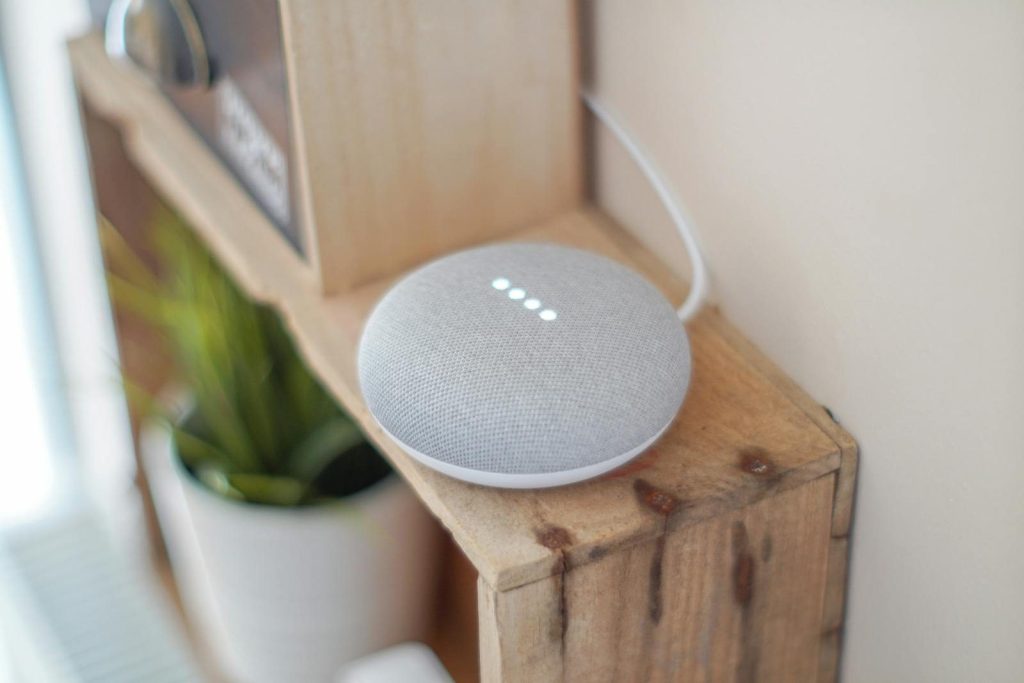
Matter gives shoppers one clear thing to look for on smart home boxes. Instead of only checking for Alexa or Google Home support, users can look for Matter support too.
That helps reduce guesswork. A Matter-certified device is designed to work across Matter-certified ecosystems, which can make setup feel less tied to one brand or app.
Alexa setup gets simpler
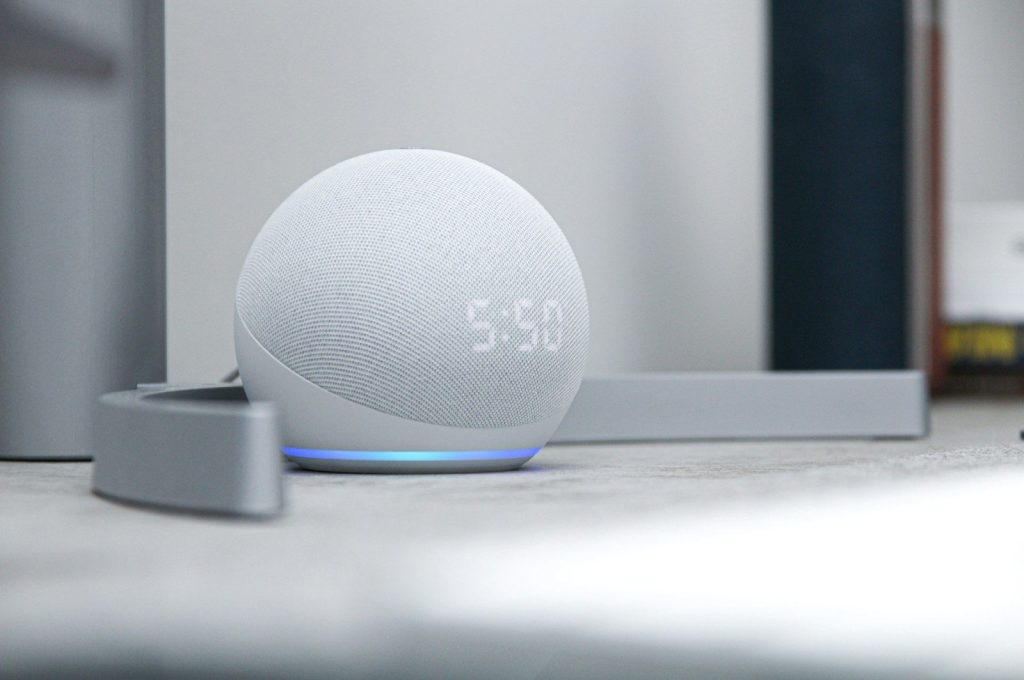
For Alexa users, Matter can reduce some of the old setup steps. Amazon says Matter devices can connect directly to Alexa without a separate hub or smart home skill in supported setups.
That means fewer extra accounts and fewer brand-specific steps in some cases. The result is a smart home that can feel more direct, especially for simple devices like lights, plugs, and switches.
Google Home feels more open
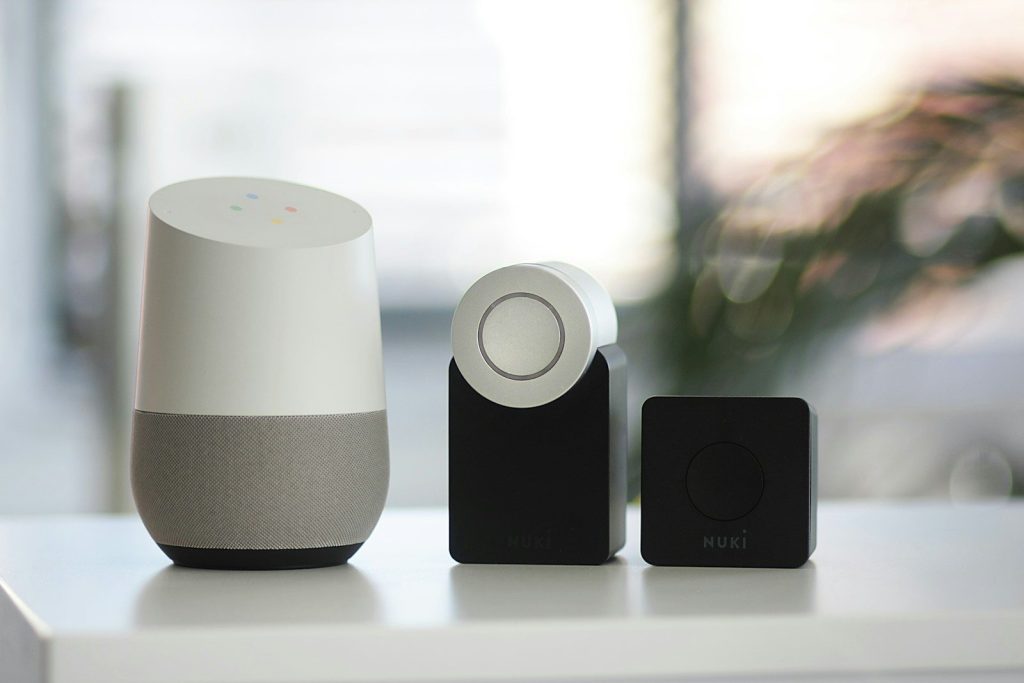
Google says Matter is designed to simplify device setup, improve connectivity, and reduce compatibility issues. That is useful for homes that mix products from more than one brand.
Google Home can also set up and manage Matter-enabled devices through the Google Home app. Users can control them through the app, automations, home panels, or voice commands when supported.
Multi-admin changes sharing
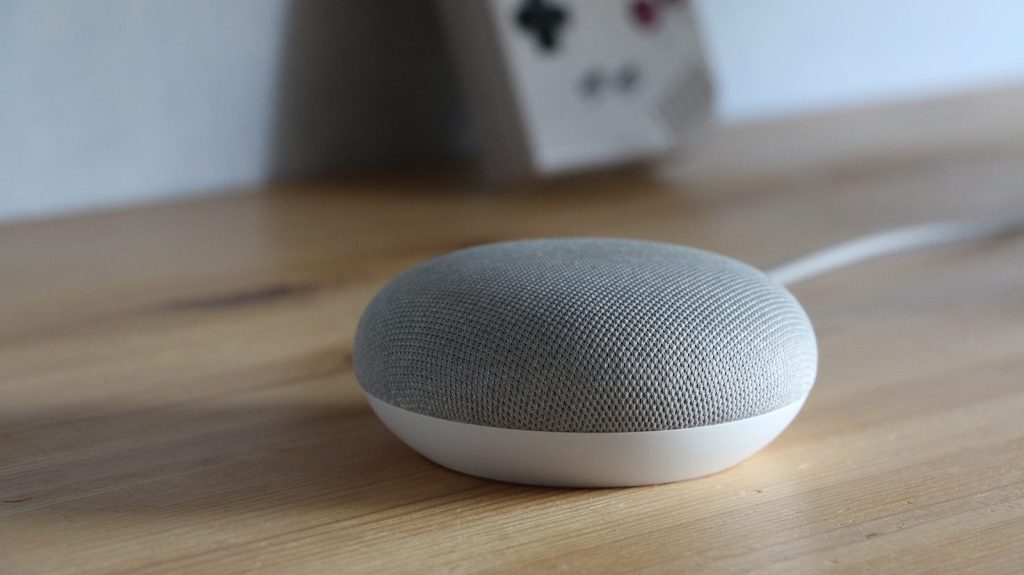
One of Matter’s most helpful ideas is multi-admin control. In simple terms, it can let the same supported device be shared across more than one smart home platform.
That matters for mixed homes. One person may prefer Alexa, while another uses Google Home. Matter can make it easier for both systems to work with the same device instead of forcing one main choice.
Local control can feel faster

Matter is built on local network communication, which can help devices respond without sending every basic command through the cloud. Amazon says local Matter control can reduce latency and improve reliability.
That may make common actions feel smoother. Turning on a light, adjusting a plug, or running a simple routine can feel more immediate when the home network can handle more of the work.
Hubs are less brand-heavy
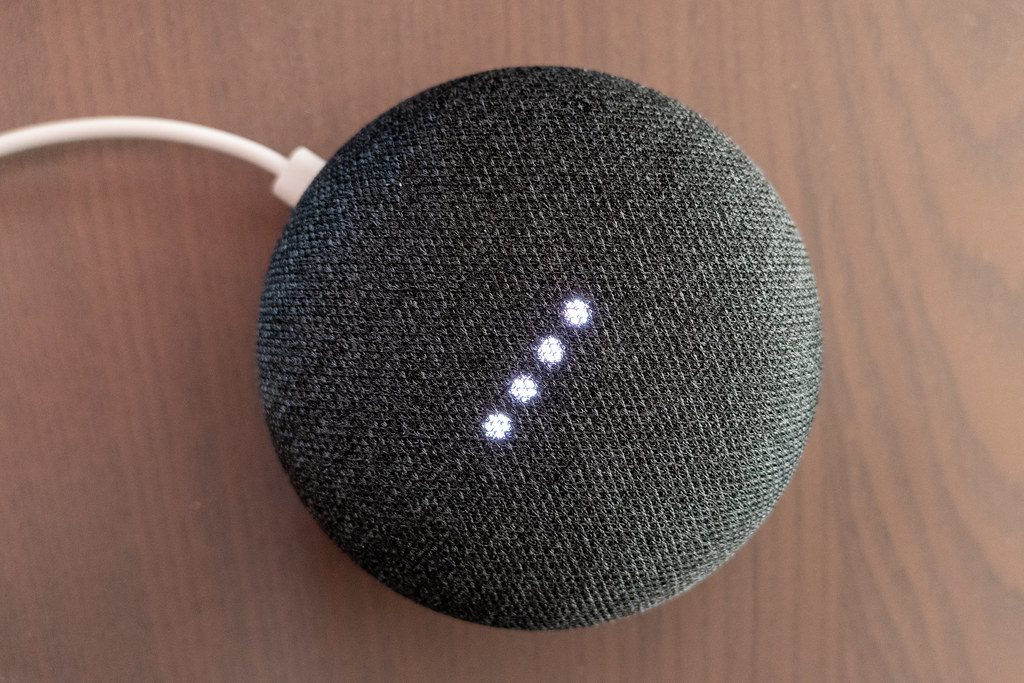
Matter does not always remove the need for a hub, especially with Thread devices that need a Thread border router. But it can reduce the old habit of buying a different bridge for every brand.
That can make setups cleaner over time. A smart speaker, display, router, or hub may act as part of the system, helping devices connect without filling the home with extra boxes.
The change is still growing
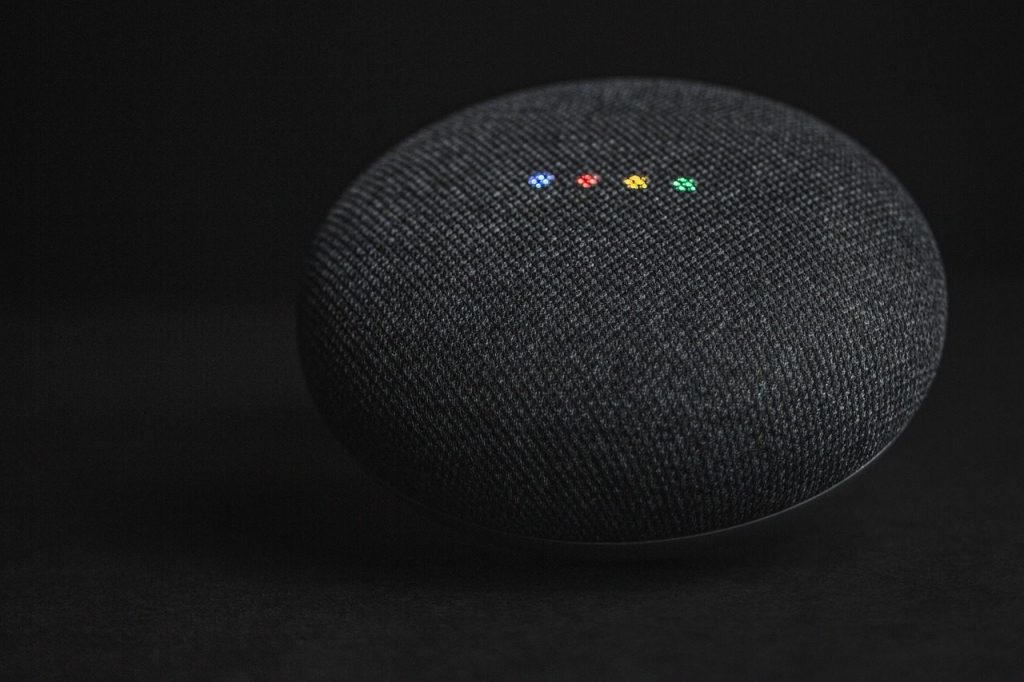
Matter is helpful, but it is not perfect yet. Some device types, features, and brand extras may still work better in a company’s own app than in Alexa or Google Home.
That is why the best setup is still simple. Matter is making smart homes easier to mix and manage, but users should still check device support, app features, and whether their controller supports the device type they want.
Leave a Reply