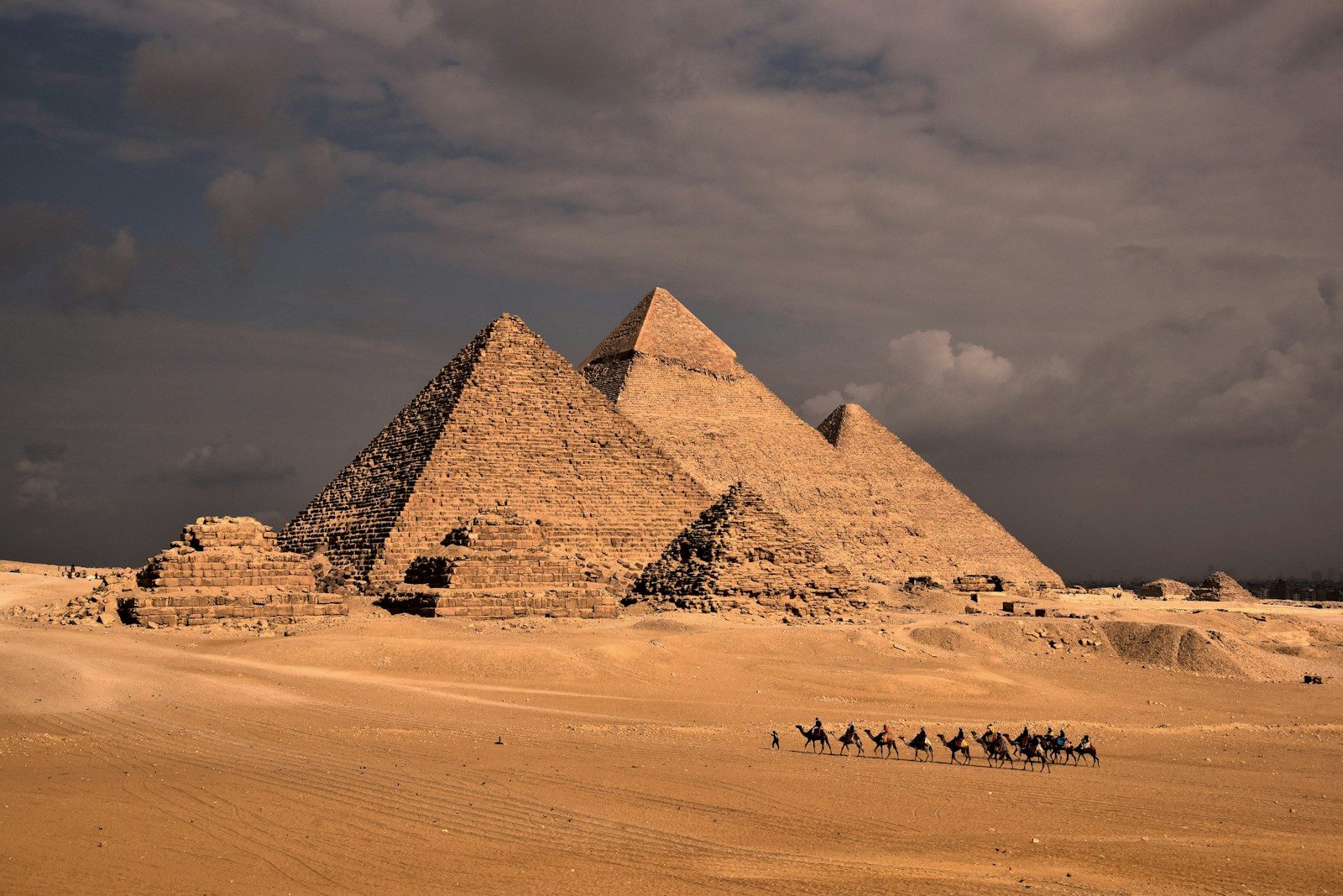
We assume that archaeologists have already mapped every inch of the Giza pyramid complex. Most believe that only sand remains hidden beneath the famous desert tombs.
But advanced imaging tech has detected a massive and unexpected underground anomaly. This giant subterranean structure is forcing historians to rethink the ancient sacred landscape.
The Desert Scan
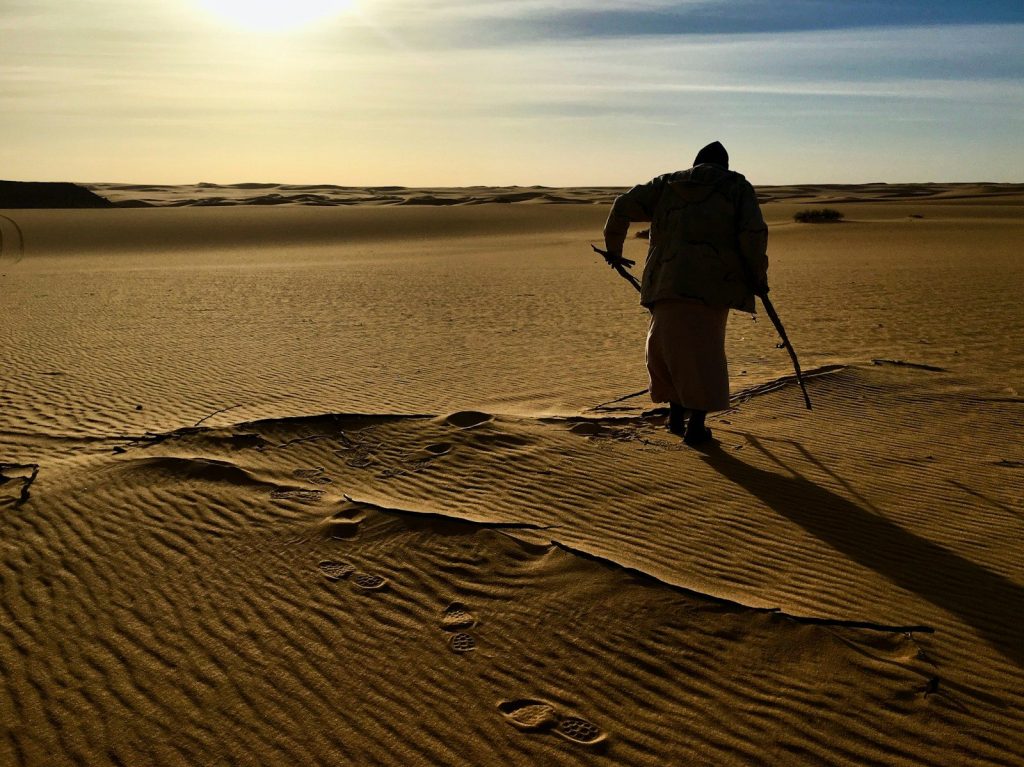
A joint research team scanned the empty sands next to the western cemetery of Giza. They did not expect to find anything beneath the flat desert floor. According to a study in Archaeological Prospection, the team used ground-penetrating radar to look deep into the earth. The scan was clear. They quickly realized a massive physical object was hiding directly below the surface.
The L-Shaped Structure
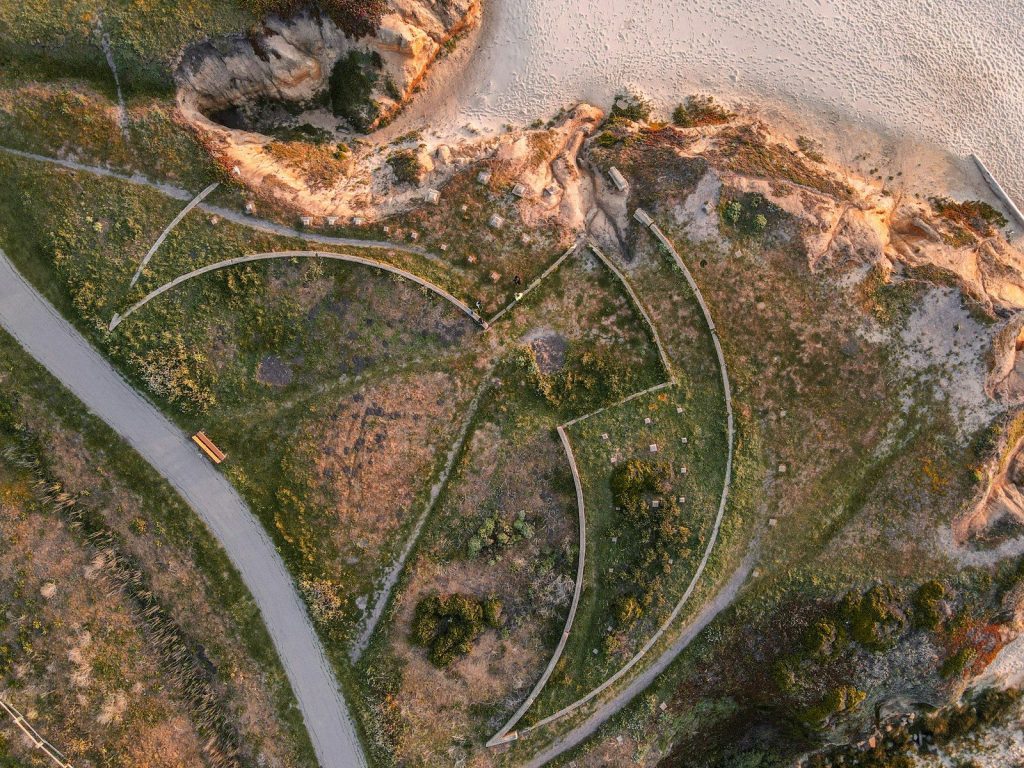
The underground scans revealed a massive structure shaped like a perfect letter L. This geometric precision indicates clear human engineering rather than a natural rock formation. According to geophysical researchers, the shallow structure measures over thirty feet in length. It is giant. But the team still had to discover what was resting directly beneath this upper structure.
Filled With Sand
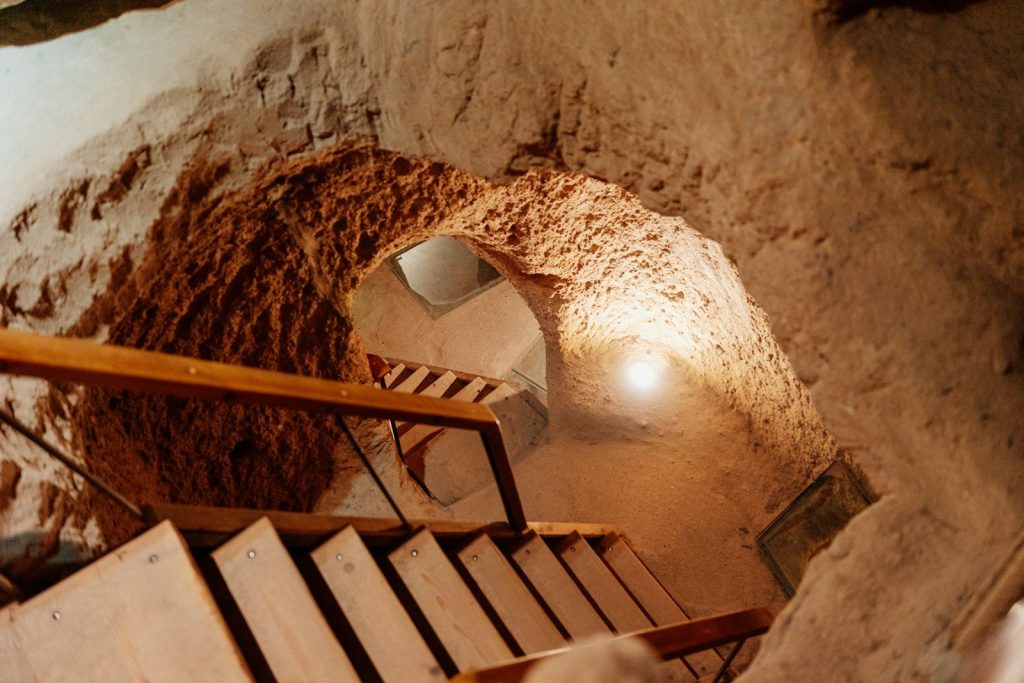
The upper L-shaped structure was not hollow or filled with royal treasures. Instead, ancient builders deliberately packed the entire stone chamber with clean desert sand. According to Egyptologists, this sand layer likely served to seal off a much deeper chamber below. Secrets are buried. This massive barrier protected whatever was hidden in the dark depths.
A Deeper Chamber
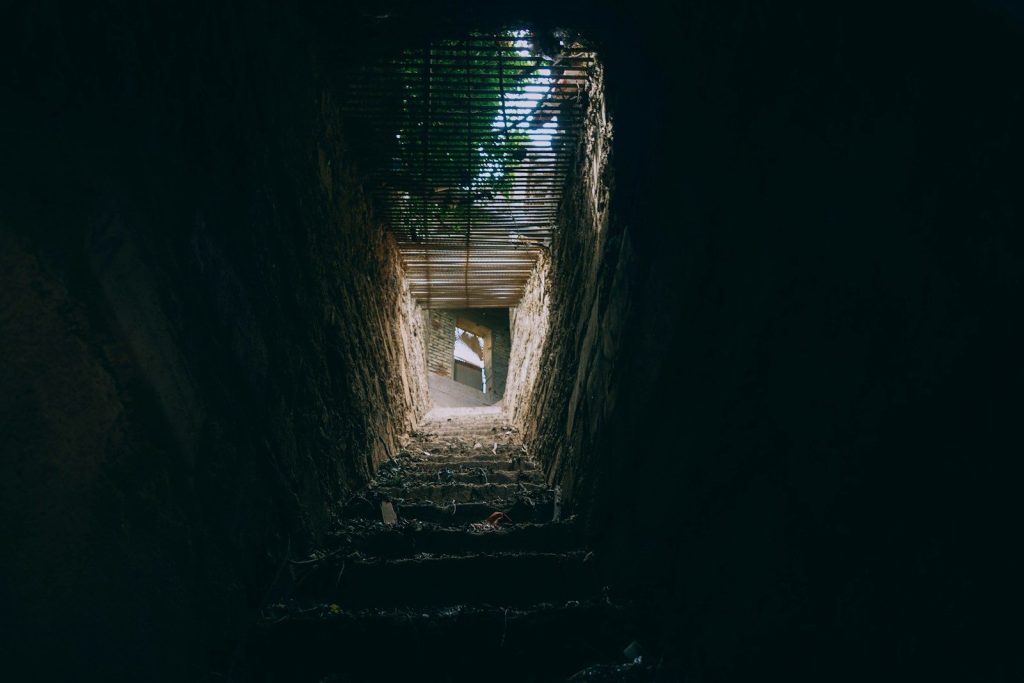
Beneath the sand-filled barrier, the radar detected a second massive anomaly. This deeper structure sits nearly thirty feet underground and appears highly dense. According to geophysics experts, the lower chamber could contain solid stone blocks or a hollow tomb. We must dig. This physical barrier has kept the lower chamber untouched for thousands of years.
The Mastaba Connection
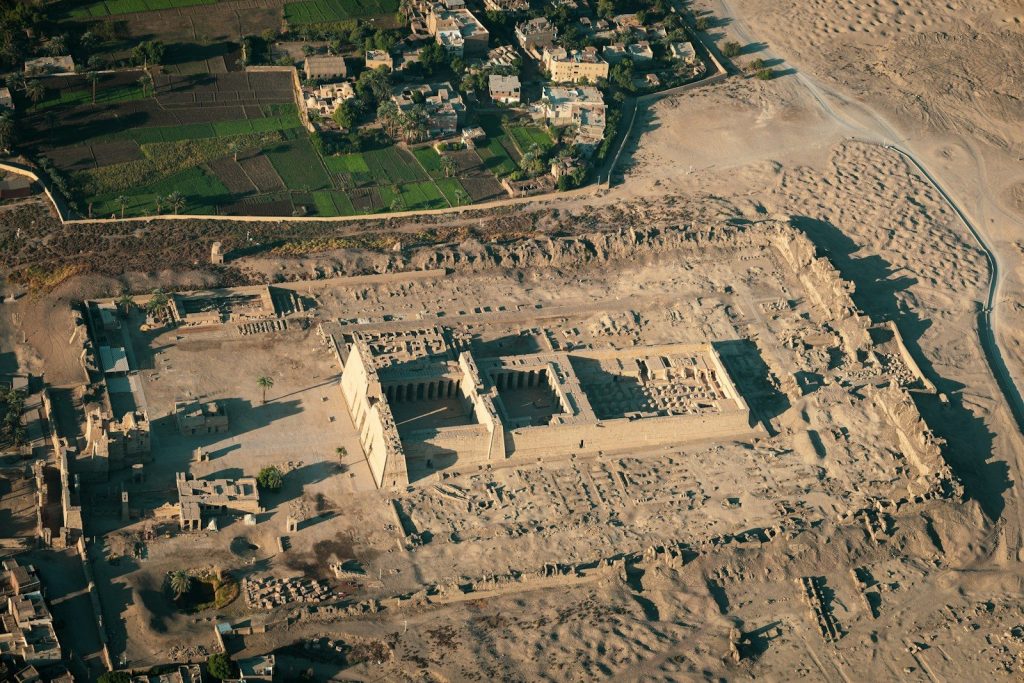
Historians believe the anomaly could be a unique type of ancient tomb called a mastaba. These flat, rectangular structures served as resting places for early Egyptian royalty. According to archaeological reports, Giza hosts hundreds of these tombs but none quite like this hidden anomaly. Royalty lay here. This unusual design suggests a very high-status individual built the structure.
Hidden Tombs Found
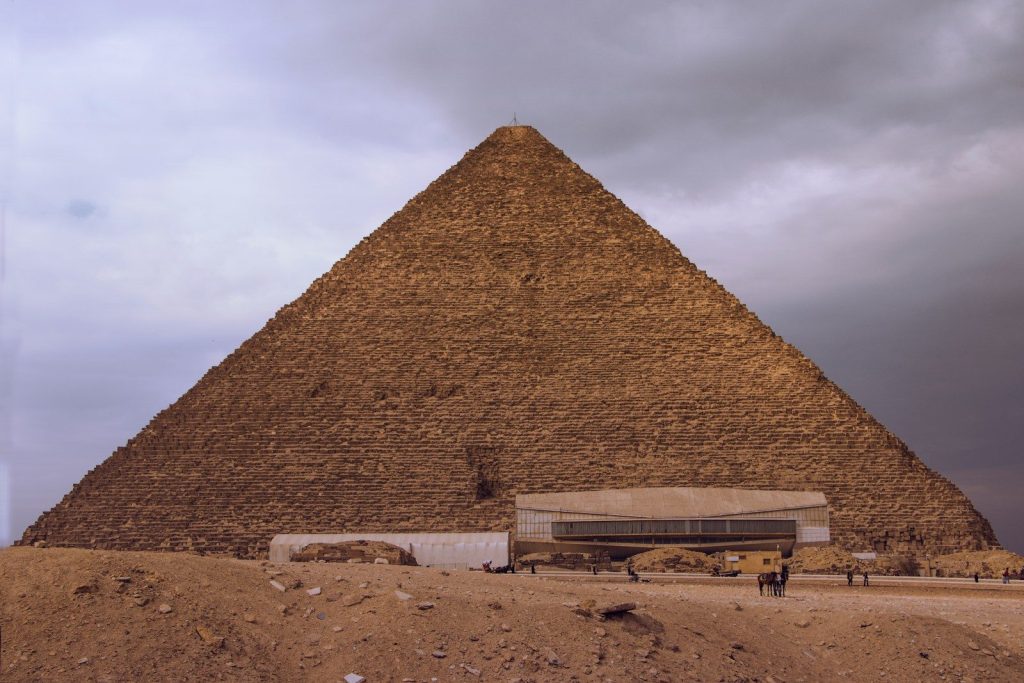
This is not the first time Giza has surprised the scientific community. Over the last decade, advanced scans have detected several hidden voids inside the Great Pyramid itself. According to team scientists, these empty spaces might hold forgotten royal burial items. Mysteries remain unsolved. This latest desert discovery points to an entire underground network we have never seen.
High Tech Archaeology
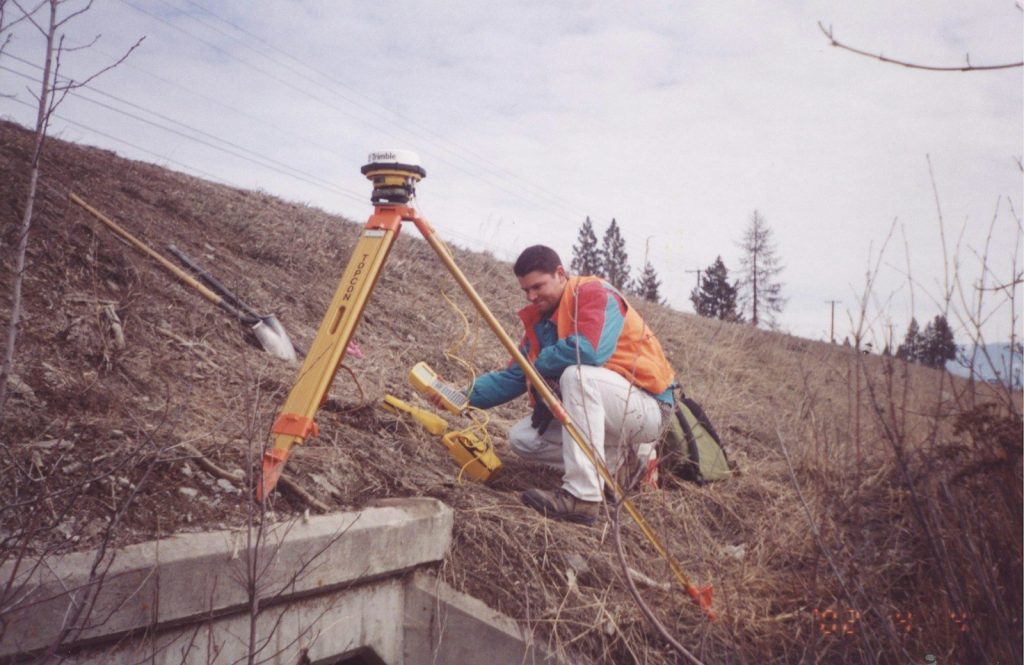
Archaeologists no longer rely solely on physical shovels and pickaxes to find history. Ground-penetrating radar and electrical resistivity imaging allow them to see through solid limestone. According to museum curators, these non-invasive tools protect delicate World Heritage sites while uncovering their deepest secrets. Progress is fast. These digital tools are preparing the team for a physical excavation.
Uncovering The Past
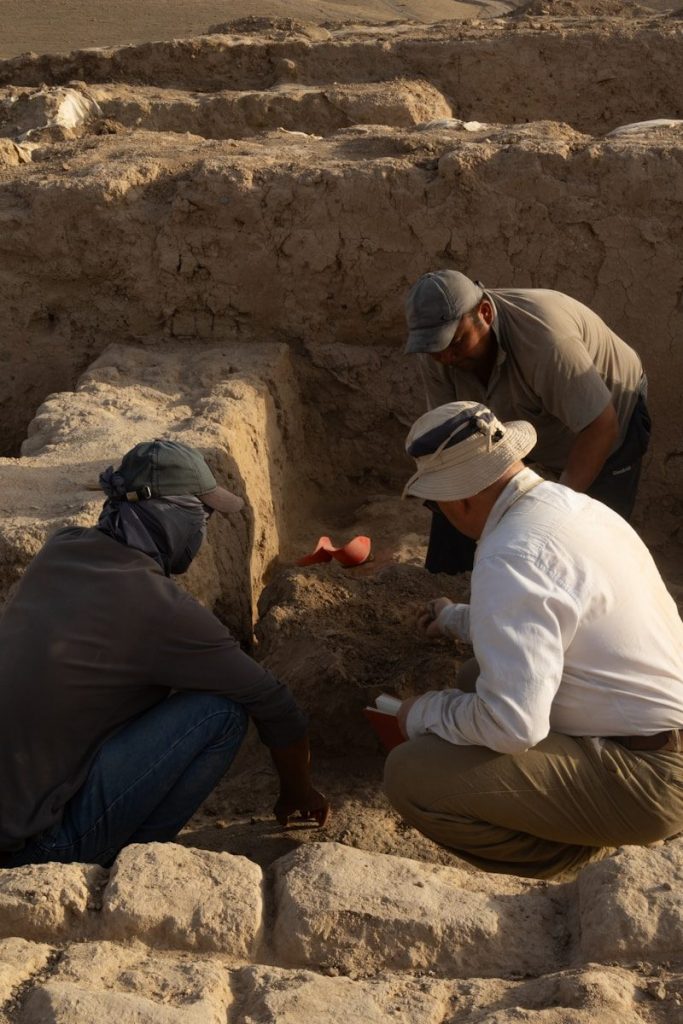
Unlocking this hidden desert anomaly will provide vital clues about early Egyptian building techniques and burial customs. It shows that Giza still holds incredible secrets under its sands. According to lead archaeologists, carefully digging into this site will rewrite the history of these ancient monuments. The past speaks. This article is for informational purposes only.
Featured Image: Photo by Moxin Wang on Unsplash
Leave a Reply