
Earbuds are no longer just about blocking out the world. A growing number of people want to hear music, calls, podcasts, and directions while still staying aware of what is happening around them.
That is where open-ear earbuds come in. Instead of sealing the ear canal, they sit near the ear or use bone conduction, leaving the ear more open to outside sound. Shokz describes open-ear listening as a way to stay aware of surroundings while still hearing audio, and recent testing guides now treat open-ear models as a fast-growing category for runners, commuters, office users, and people who dislike the plugged-ear feeling.
They keep ears uncovered
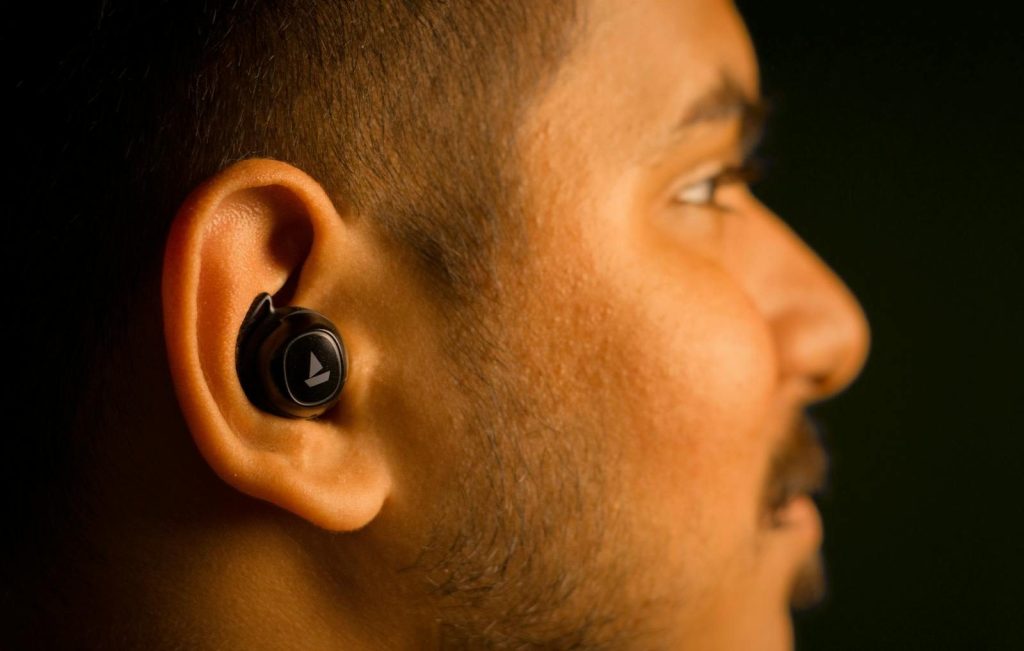
Open-ear earbuds are built differently from regular in-ear buds. They do not sit deep inside the ear canal, so users can hear music while still noticing voices, traffic, doorbells, or other nearby sounds.
That open design is a big part of their appeal. Many people want audio that fits into daily life instead of cutting them off from it. For errands, walks, and casual listening, that can feel more natural.
They feel easier to wear
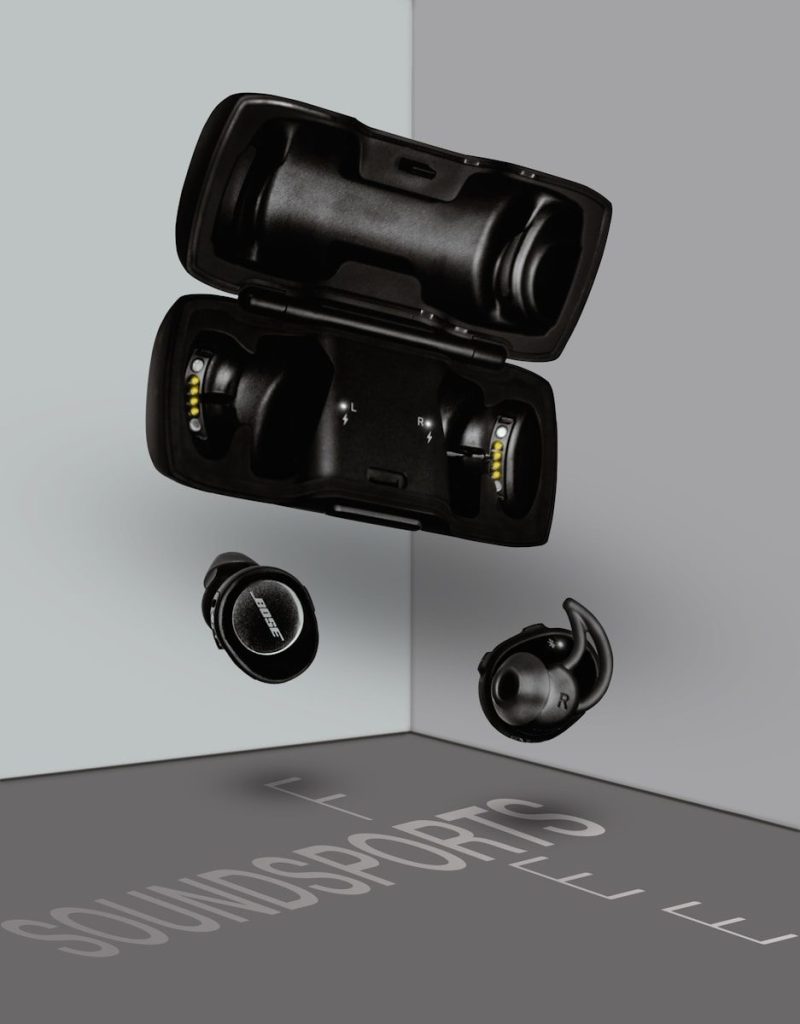
Some people do not like the pressure of traditional earbuds. Foam tips, silicone tips, or tight seals can feel uncomfortable after a while, especially during long workdays or workouts.
Open-ear designs can feel lighter because they avoid that sealed feeling. Many models use ear hooks, clips, or wraparound designs to stay in place without pushing into the ear canal, which may help during longer listening sessions.
They help outdoor awareness
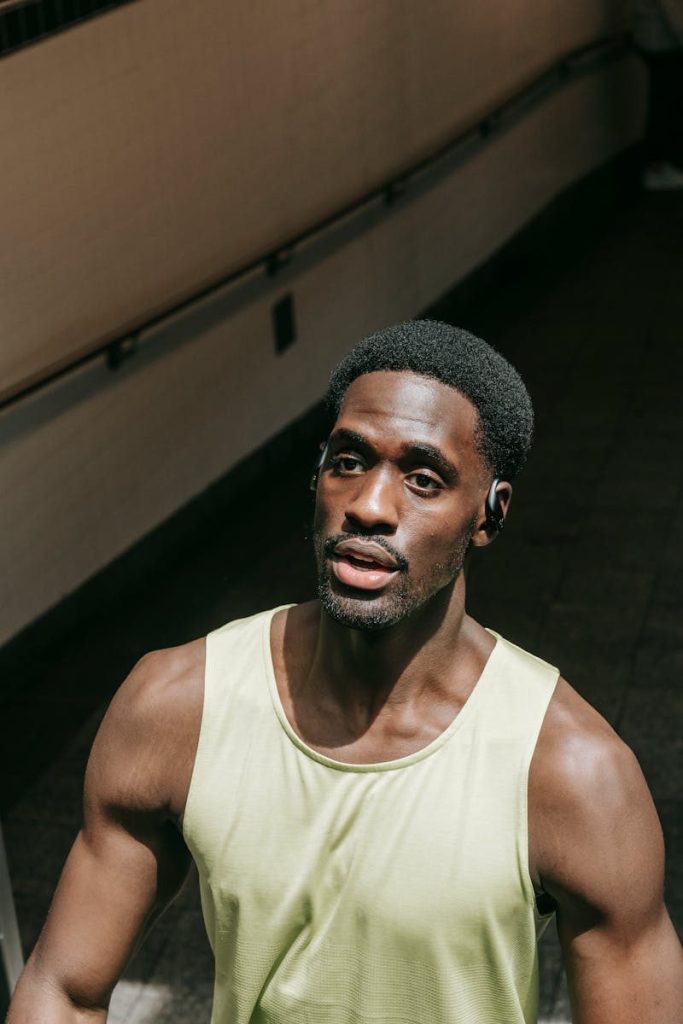
Open-ear earbuds are getting attention from runners, walkers, and cyclists because awareness matters outside. Hearing a car, bike bell, or person nearby can be important during movement.
They are not a replacement for paying attention, but they can make outdoor audio feel less closed off. Shokz highlights situational awareness as a key reason people choose open-ear listening, especially for active use.
They work well for multitasking
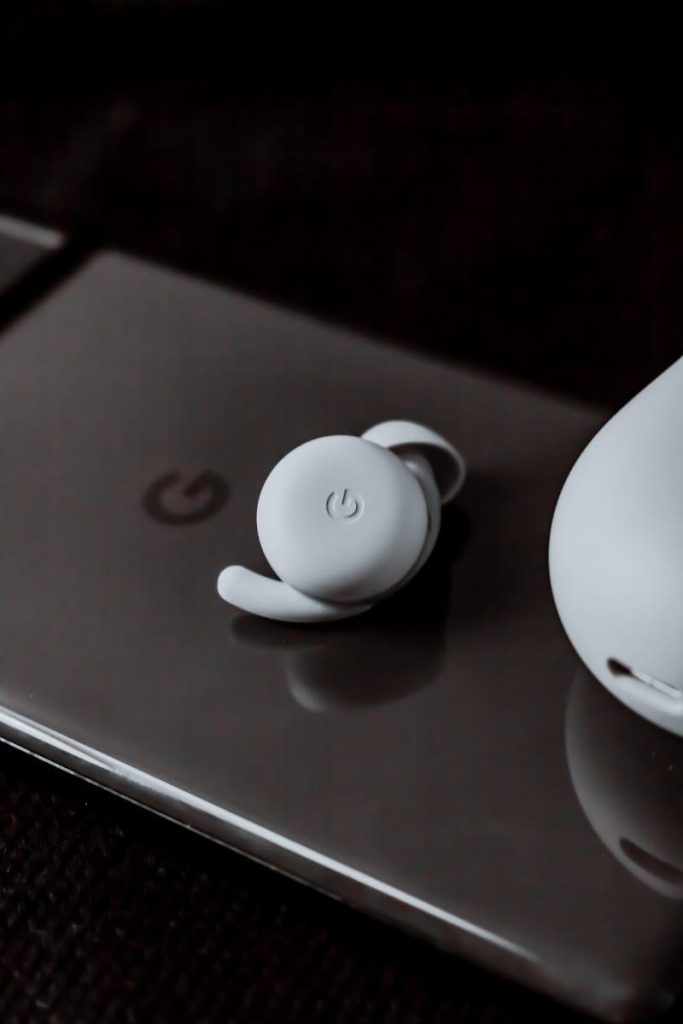
Open-ear earbuds can be useful at home, at work, or while handling small tasks. A person can listen to a podcast while still hearing a family member, coworker, timer, or delivery at the door.
That makes them feel practical, not just trendy. They fit the way many people move through the day, switching between calls, chores, messages, and quick conversations without constantly removing earbuds.
Sound quality is improving

Early open-ear headphones were often seen as useful but limited. Newer models are trying to offer better sound while still leaving the ear open to the room.
There is still a trade-off. Open-ear earbuds usually do not block noise like sealed earbuds, and they may not feel as deep or private in loud places. But reviews now point to stronger sound, better fit options, and wider choices than before.
They suit more daily routines
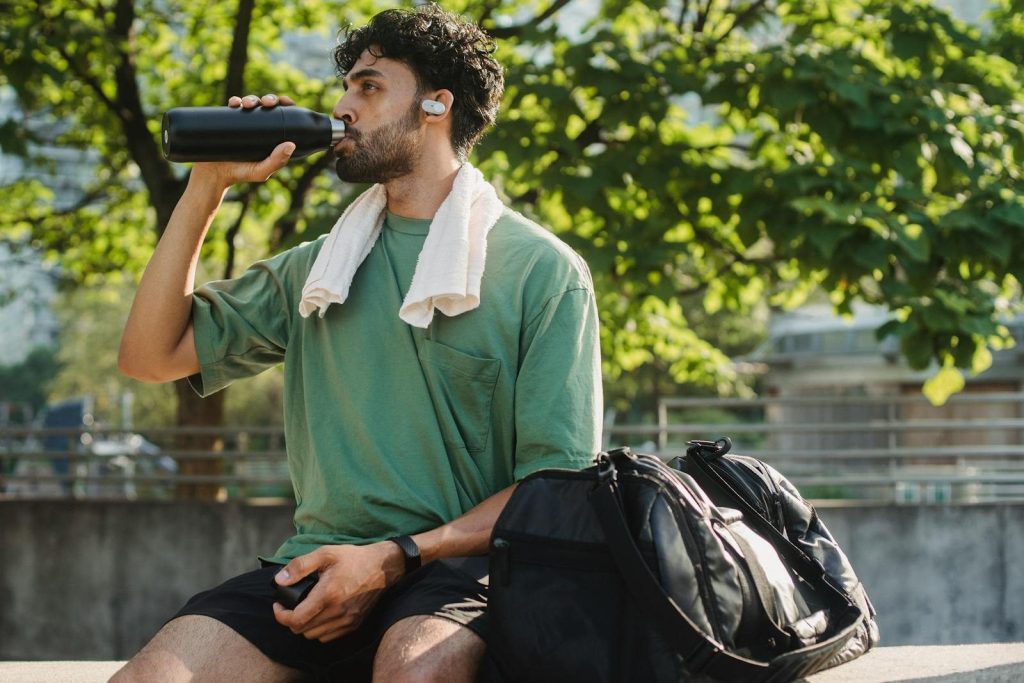
Open-ear earbuds are no longer just for serious athletes. People are using them for video calls, dog walks, office work, cooking, commuting, and quick trips around town.
That wider use is helping the category grow. Market reports also point to rising demand for open-ear and bone-conduction headphones, driven by fitness, comfort, and everyday communication needs.
They offer a middle ground

The biggest reason open-ear earbuds are gaining attention is simple: they sit between silence and full isolation. They let users enjoy audio without feeling completely cut off.
That balance will not be perfect for everyone. People who want strong noise blocking may still prefer regular earbuds or headphones. But for listeners who value comfort, awareness, and easy all-day use, open-ear earbuds make a lot of sense.
Leave a Reply