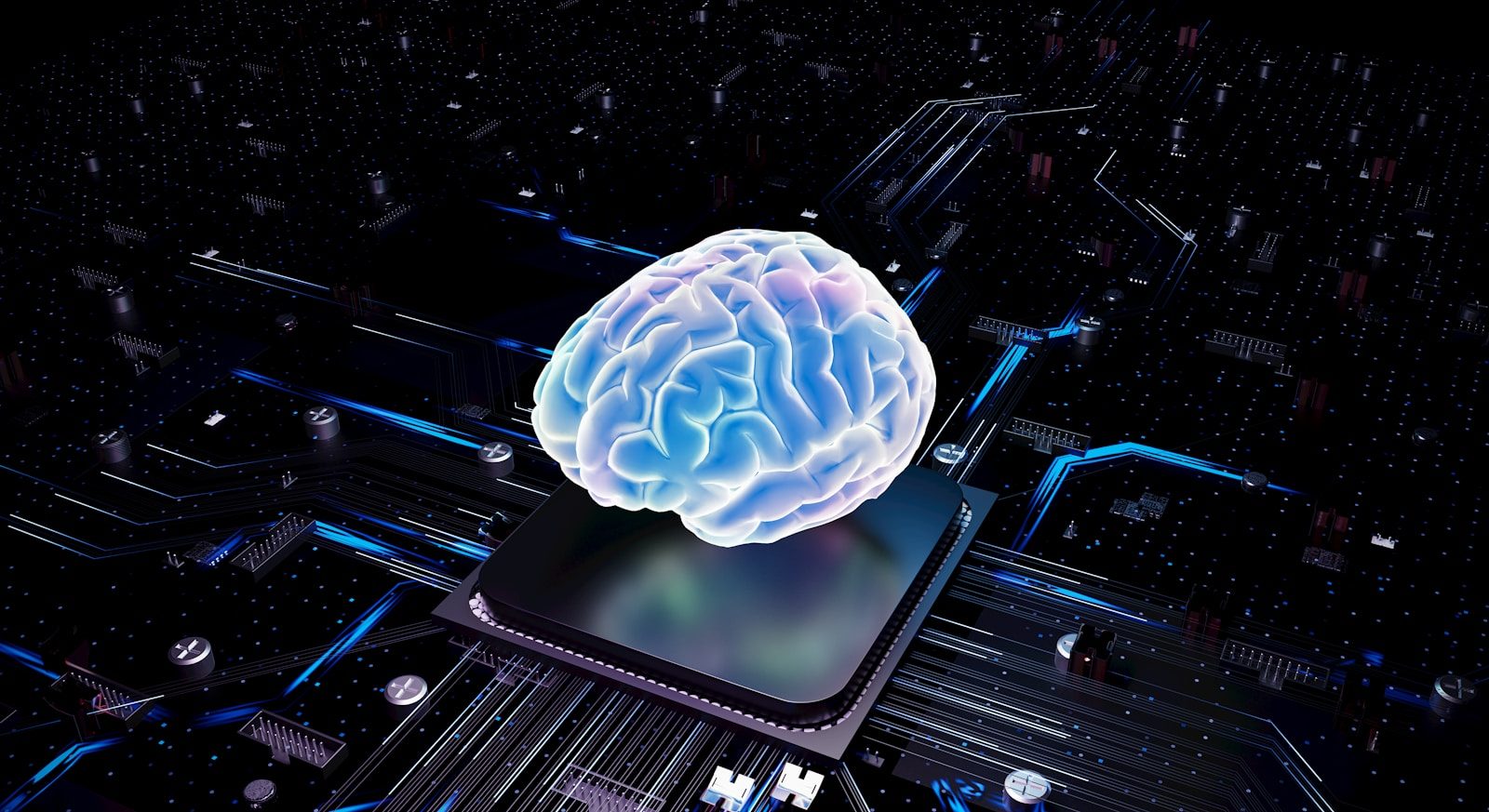
Laptop shopping is changing again, and this time the new buzzword is “NPU.” It sounds technical, but the idea is simple: an NPU, or neural processing unit, is a chip built to handle certain AI tasks without making the main processor do all the work. Microsoft describes NPUs as hardware that can process large amounts of data in parallel and perform trillions of operations per second.
That matters because more laptop features are starting to use AI in the background. Some help with video calls, captions, search, photo tools, and system features. You may not need an NPU today for basic browsing or schoolwork, but it could become more useful as Windows and everyday apps add more on-device AI features.
AI is moving onto laptops
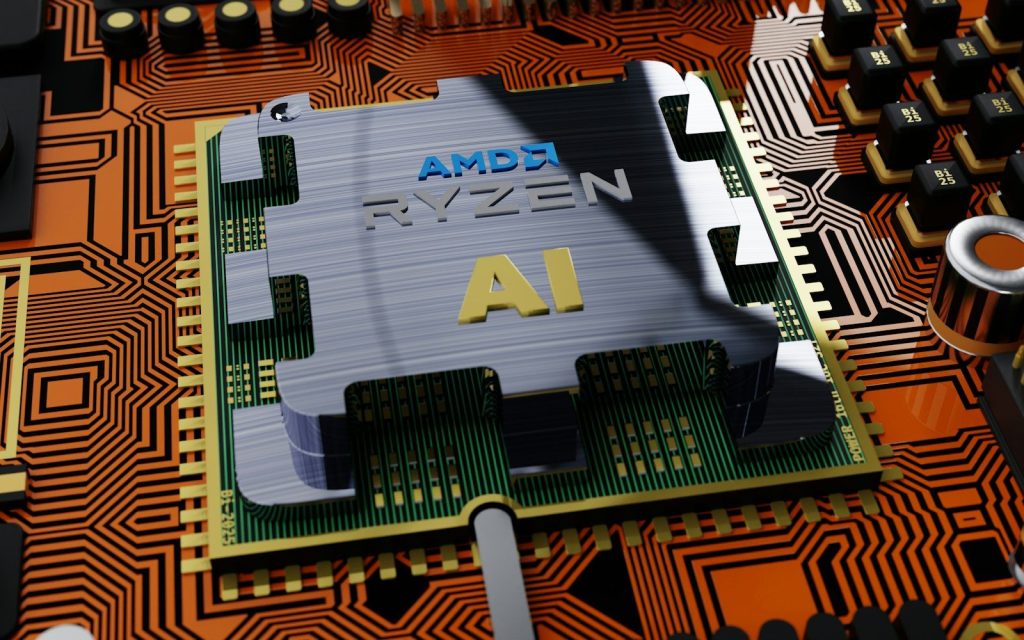
For years, many AI tools worked mostly through the cloud. You typed a prompt, sent it online, and waited for a server to respond.
Newer laptops are starting to handle more AI work directly on the device. That can make some features feel faster and more private, especially when they do not need to send every task over the internet.
An NPU has one main job
A CPU handles general tasks, while a GPU is strong at graphics and heavy parallel work. An NPU is different because it is built mainly for AI-related processing.
Intel explains that an AI PC uses a CPU, GPU, and NPU together so AI tasks can run locally and more efficiently. That teamwork is why the NPU is becoming a bigger part of laptop design.
It can help save battery
AI tasks can use a lot of power when the CPU or GPU handles everything. An NPU can take on supported AI work while using less energy.
Intel says an integrated NPU can handle sustained AI tasks at lower power for better efficiency. For laptop buyers, that could mean smoother AI features without draining the battery as quickly.
Video calls may look better
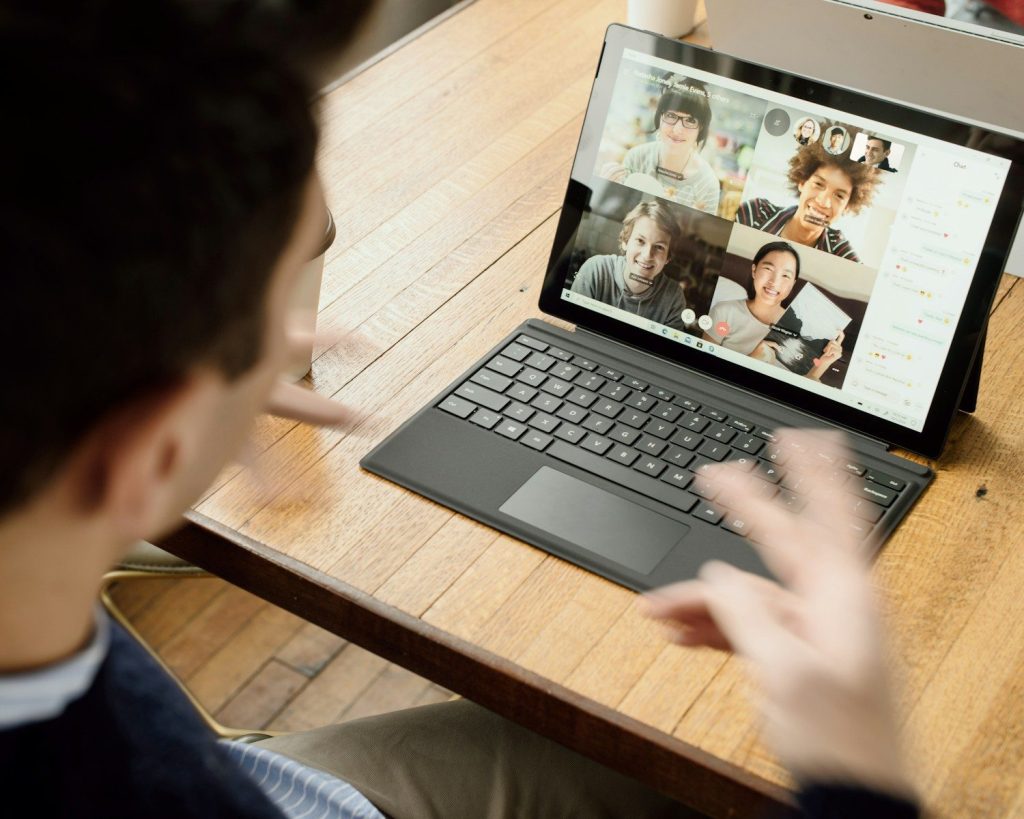
One of the easiest places to notice AI hardware is during video calls. Features like background blur, eye contact correction, noise cleanup, and automatic framing can all use AI.
An NPU can help run some of those effects more efficiently. That is useful for students, remote workers, and families who spend a lot of time on camera.
Windows is leaning into it
Microsoft’s Copilot+ PC category shows how serious Windows laptops are getting about NPUs. These PCs require an NPU capable of 40+ TOPS, which means 40 trillion or more operations per second.
That requirement does not mean every laptop needs one right now. But it does show where premium Windows features are heading.
Apps may depend on it later
The biggest reason to care about an NPU is not just what it does today. It is what future apps may expect from your laptop.
As more software adds AI tools, developers may build features that run best on machines with dedicated AI hardware. A laptop without an NPU may still work, but it could miss some newer extras.
It may improve privacy
When AI runs on your laptop instead of only in the cloud, some tasks can happen closer to your files, photos, and settings. That can reduce the need to send data away for certain features.
This does not mean every AI tool becomes fully offline. Many services still use the internet, but on-device AI gives laptop makers another way to handle sensitive tasks.
It is not magic
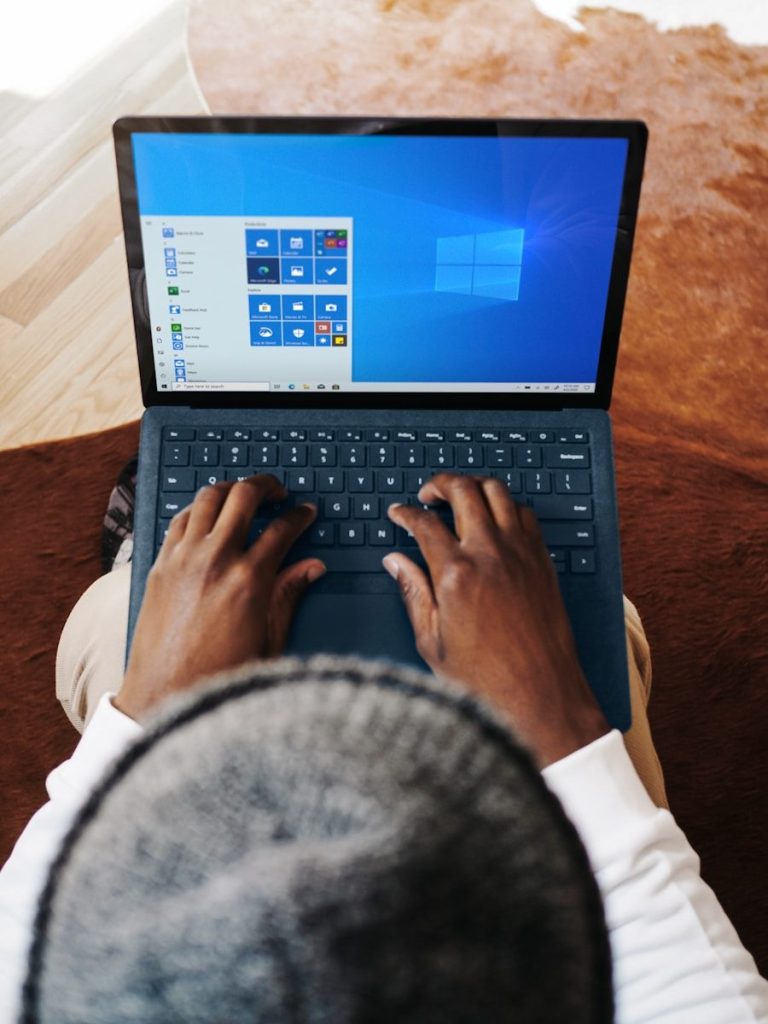
An NPU will not make a slow laptop instantly amazing. You still need enough memory, a good processor, solid storage, and a battery that fits your daily routine.
Think of the NPU as one helpful part of the laptop, not the whole story. A balanced machine will matter more than one flashy spec on the box.
Gamers may not need it first
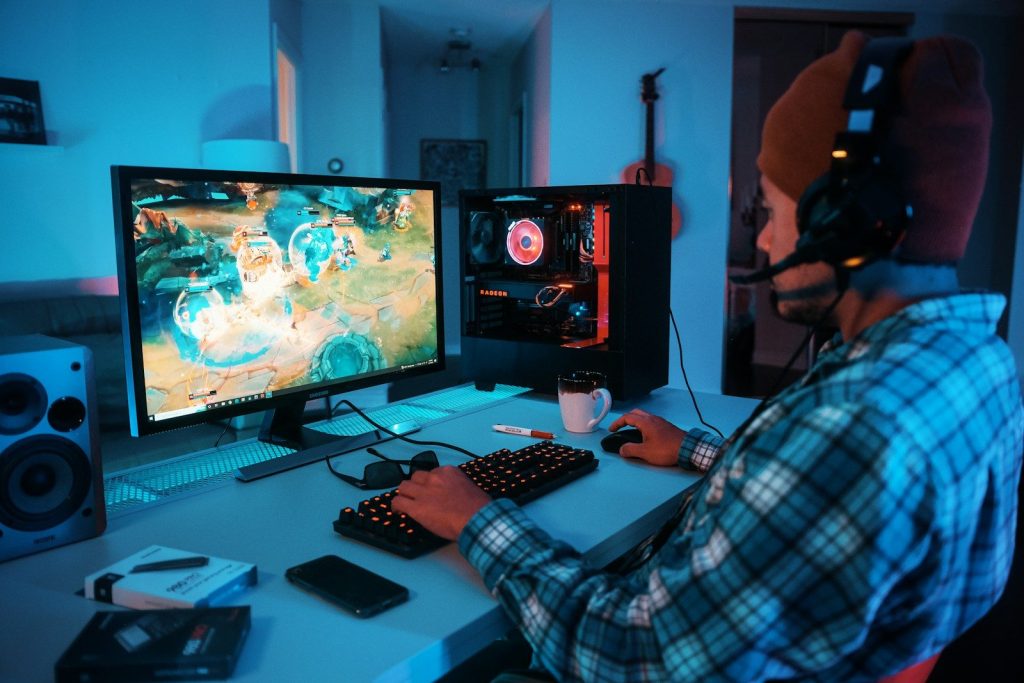
Gamers usually care more about the GPU, cooling, display refresh rate, and storage speed. For them, an NPU may not be the top buying reason yet.
Still, AI tools can support game streaming, voice cleanup, creative apps, and system features. So even gaming laptops may use NPUs more as the software catches up.
It can future-proof your buy
Most people keep a laptop for several years. If AI features keep spreading through Windows and popular apps, an NPU could help your next laptop age better.
You do not have to buy only because of AI branding. But if two laptops are similar in
Leave a Reply