Category: Entertainment & Media

  • Why Famous Parents Are Suddenly Hiding Their Children From Public View

    Why Famous Parents Are Suddenly Hiding Their Children From Public View

    The digital age has changed parenting forever. Many of us routinely post photos of our kids online without thinking twice. But Hollywood stars are heading in the exact opposite direction. Famous actress Sandra Bullock recently shared a rare, carefully composed photo of her two children. This sweet moment caught the attention of millions of fans. It also highlighted a growing trend among celebrity parents. They are fighting desperately to keep their children out of the public eye. They are using clever photography tricks and strict legal teams to shield their kids. This choice is not just about avoiding annoying paparazzi. It is actually backed by modern child psychology and security science. The reasons behind this extreme privacy movement are eye-opening.

    The High Stakes Game of Celebrity Privacy
    brown wooden chair inside the building
    Photo by stefano stacchini on Unsplash

    Living in the spotlight is incredibly stressful. Sandra Bullock has been candid about her journey as an adoptive mother. She adopted her son Louis and daughter Laila from the foster care system. This process requires intense emotional care and stability. Bullock realized early on that constant media exposure could disrupt their development. She made a conscious decision to limit their public appearances. This choice is becoming the standard for famous families worldwide.

    The Psychological Toll of Instant Fame
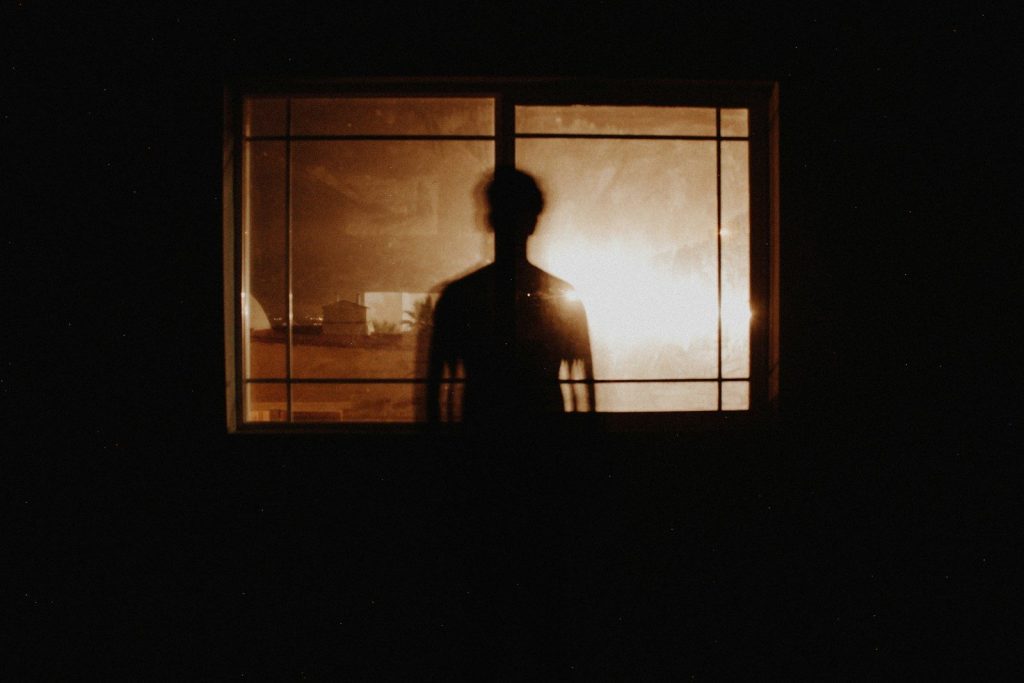
    silhouette photography of person in front of window
    Photo by Isai Ramos on Unsplash

    Child psychologists warn that growing up in the public eye can be damaging. Children who are constantly photographed can develop intense anxiety. They may struggle to understand where their public persona ends and their real self begins. By keeping their faces off social media, famous parents allow their kids to have a normal childhood. They can play at parks and make mistakes without being judged by millions of strangers. But privacy is also a matter of physical safety.

    Shielding Children From Modern Digital Threats

    teal LED panel
    Photo by Adi Goldstein on Unsplash

    The internet can be a dangerous place for children of high-profile figures. Facial recognition software can easily track a child’s location from a simple photo. This raises serious security concerns for wealthy families. According to security experts, stalkers often use social media posts to map out daily routines. By blurring faces or showing only the backs of their heads, parents neutralize these digital tracking systems. This simple photography trick keeps kids safe.

    Fighting Back with the No Kids Policy

    person writing on white paper
    Photo by Cytonn Photography on Unsplash

    Celebrities are not just hiding their kids. They are actively changing the law. Kristen Bell and Dax Shepard famously launched the No Kids Campaign in 2014. They urged media outlets to stop buying and publishing photos of celebrity children. This movement successfully pressured several major publications to change their editorial policies. It was a massive victory for family privacy. But the battle is far from over in the digital space.

    The Rise of the Emoji Face Block

    Close-up of a person editing photos on a smartphone with a stylus indoors.
    Photo by finn foto on Pexels

    Many famous parents are using creative ways to share their lives. They use digital editing tools to cover their children’s faces with cute emojis before posting. This allows them to celebrate family milestones without exposing their kids to the public. It strikes a perfect balance between sharing and protecting. Fans still get to see the warm family moments, but the child’s identity remains completely private. This trend is now spreading to everyday parents who want to protect their kids.

    Shifting the Focus Back to Creative Work
    clap board roadside Jakob and Ryan
    Photo by Jakob Owens on Unsplash

    Keeping children private also helps stars maintain professional boundaries. It ensures that their children are not used to promote products or generate cheap clicks. Sandra Bullock has always prioritized her craft over public drama. By keeping her family life quiet, she keeps the focus on her incredible acting career. This professional boundary is highly respected by her peers in the industry. But this privacy movement is about to face its biggest challenge yet.

    A New Blueprint for Modern Digital Parenting

    A mother and daughter sitting on the floor with a tablet
    Photo by Siwawut Phoophinyo on Unsplash

    The choices made by Hollywood stars are shaping how we view digital privacy. They remind us that our children’s photos are not public property. Every child has a right to privacy and a safe upbringing. Sandra Bullock’s beautiful family photos show that you can share love without exposing everything. This thoughtful approach is a powerful lesson for all parents in our highly connected world. Protecting our children is always worth the effort.
    Featured Image: Photo by Ka Ho Ng on Unsplash

  •  Why we Might Actually See a Woolly Mammoth by Next Summer

     Why we Might Actually See a Woolly Mammoth by Next Summer

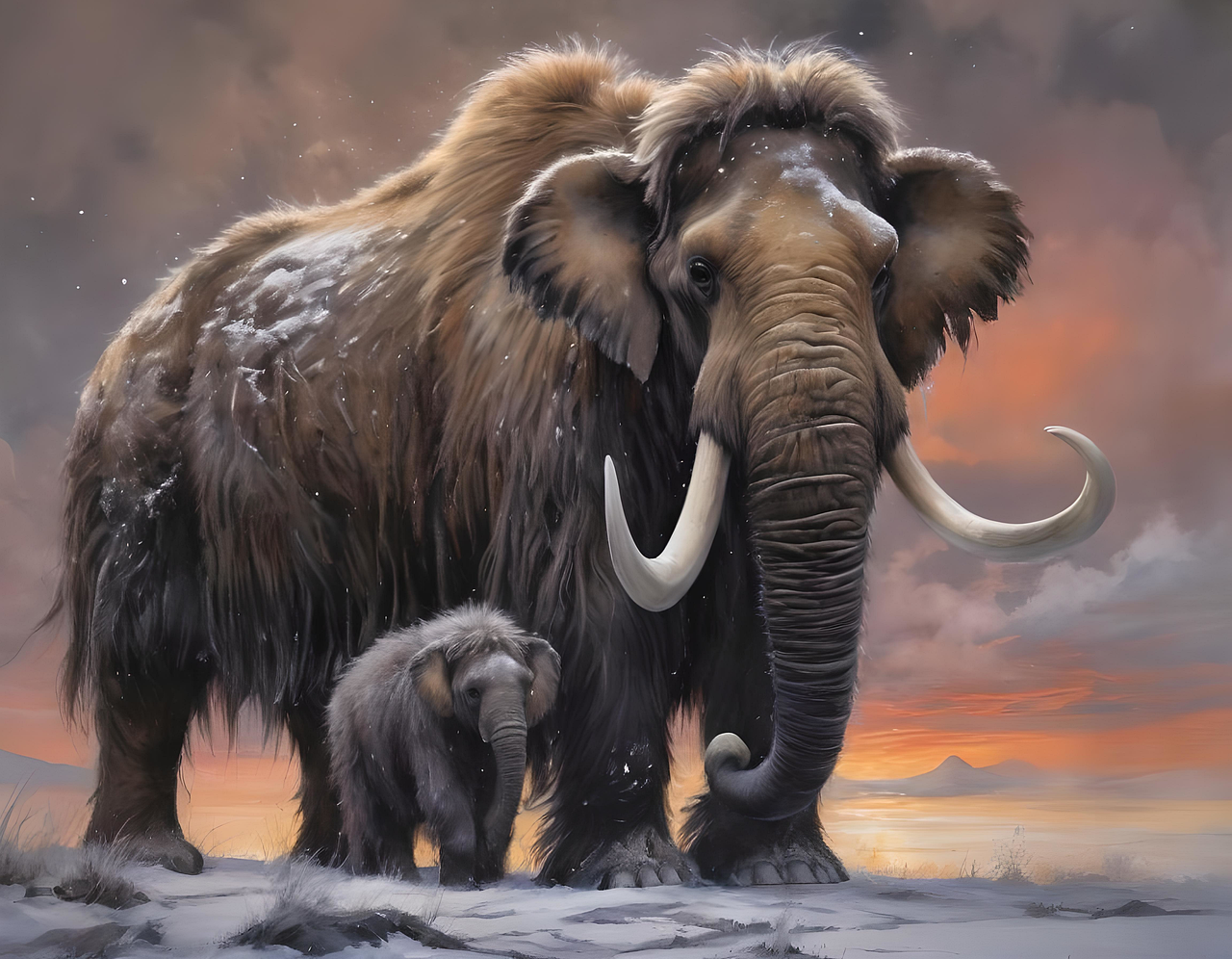
    The dream of de-extinction is no longer a movie plot. In 2026, a team of geneticists and conservationists announced that they were closer than ever to birthing the first Woolly Mammoth in over 4,000 years. Using CRISPR technology, they have successfully merged mammoth DNA with that of an Asian elephant.

    The resulting embryo is currently being grown in an “artificial womb,” and the timeline points to a birth by next summer. This isn’t just about bringing back a cool animal. It is a high-tech strategy to save the planet’s frozen tundra. We are witnessing the rebirth of a legend that was once lost to time. But how do you build a mammoth from a few frozen bones?

    The Genetic Puzzle of the Ice Age

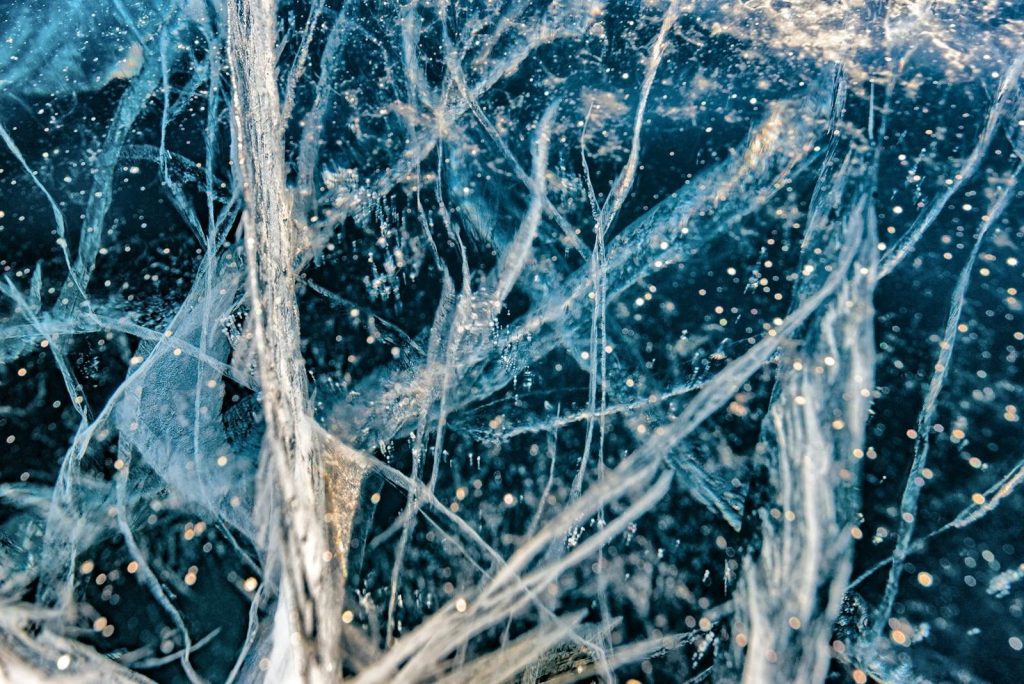
    Detailed close-up of intricate ice patterns on Lake Baikal, showcasing unique structures and winter beauty.
    Photo by Sergey Pesterev on Pexels

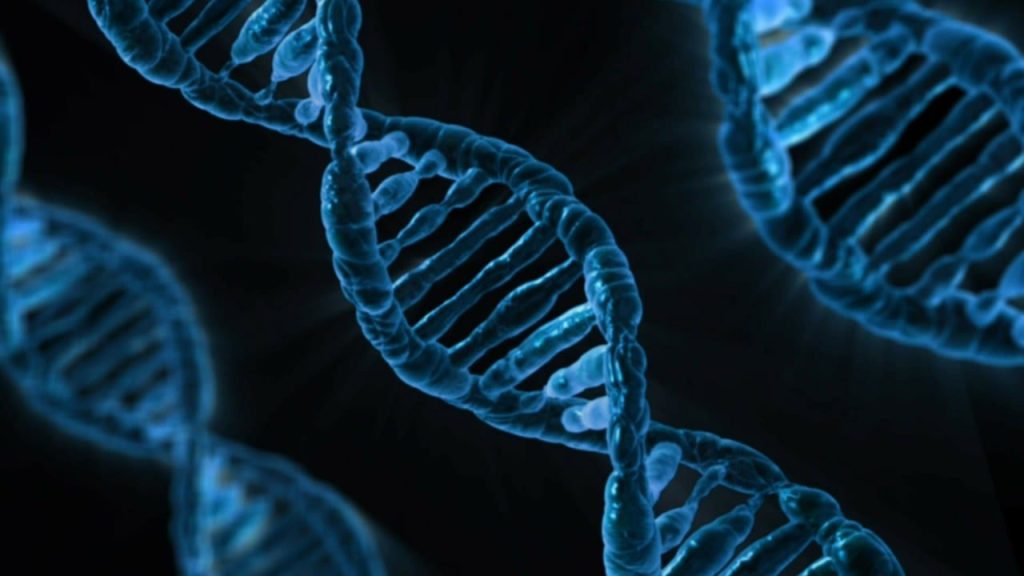
    The secret to this miracle is a well-preserved mammoth found in the Siberian permafrost. Scientists were able to extract high-quality DNA that was frozen in time for thousands of years. They compared this code to the Asian elephant and found a 99 percent match.

    The researchers then “edited” the elephant DNA to include mammoth traits: thick fur, large tusks, and specialized blood that survives in freezing temperatures. It is a biological “copy and paste” that took a decade to perfect. But is this really a mammoth, or just a hairy elephant?

    The “Arctic Elephant” Hybrid

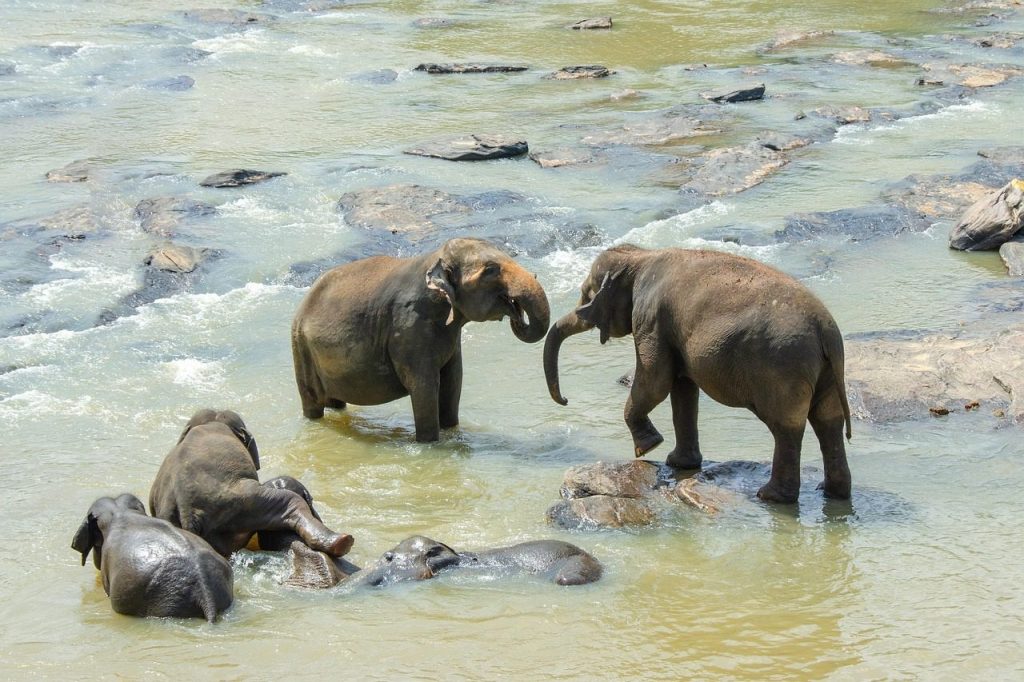
    sri lankan elephant, elephant, nature, asian, wildlife, endangered, animal, mammal, sri lanka, swimming, bathing, playing
    Photo by pen_ash on Pixabay

    Technically, the scientists call it a “Functional Mammoth.” It looks like the prehistoric beast and acts like one, but it has the heart of a modern elephant. It is designed to survive in the extreme cold of the Arctic, where elephants could never go.

    This hybrid is built for a specific job: stomping down the snow. By trampling over the frozen ground, mammoths keep the permafrost cold and prevent it from melting. They are essentially “climate engineers” with four legs. But where will these new giants actually live?

    Restoring the “Mammoth Steppe”

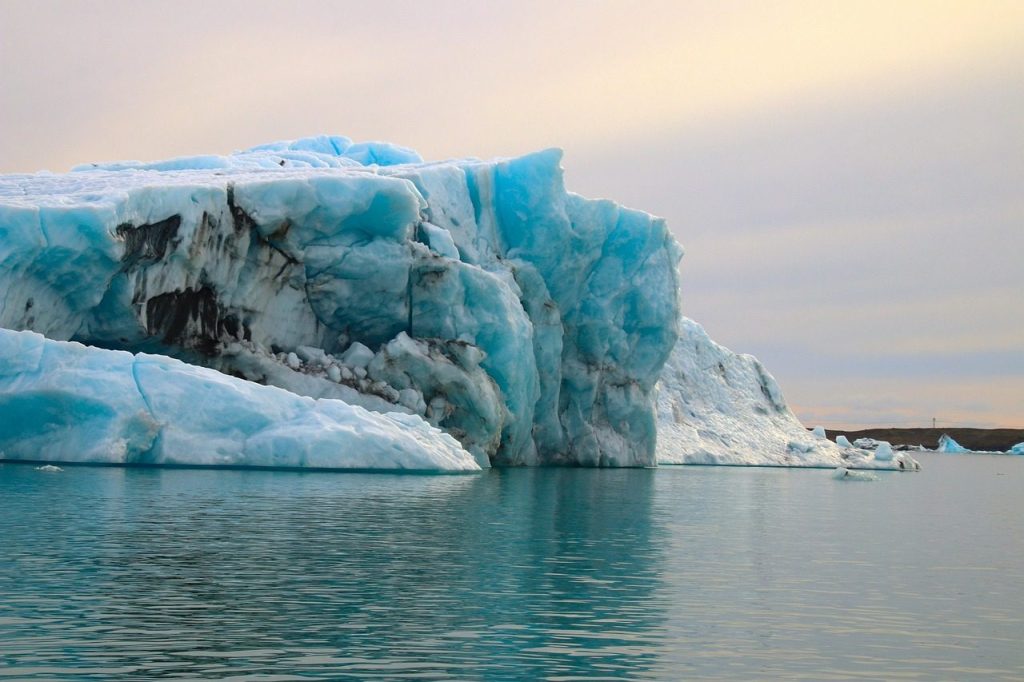
    the glacier, powerful, glacier bay, block, ice, iceland, dawn, iceberg, arctic, ice drift, shine, blue, cold, earth day, iceberg, iceberg, iceberg, iceberg, iceberg, arctic, earth day, earth day, earth day, earth day, earth day
    Photo by pasja1000 on Pixabay

    The mammoths are going home to a massive park in Northern Siberia. This area used to be a lush grassland called the “Mammoth Steppe” before the mammoths died out. Without them, the land turned into mossy bogs that release methane.

    By bringing the mammoths back, we can restore the grass and lock the carbon back into the ground. It is the most ambitious ecological restoration project in human history. We are using the past to save the future. But will the world be afraid of these giant prehistoric ghosts?

    The Ethics of Playing God

    dna, biology, medicine, gene, microbiology, science, genetics, genetic material, laboratory, dna, dna, dna, dna, dna, biology, medicine, gene, science, genetics, laboratory
    Photo by PublicDomainPictures on Pixabay

    Not everyone is happy about the return of the mammoth. Some philosophers worry that we are interfering too much with nature. They argue that we should focus on saving the animals that are still alive instead of bringing back the ones that are gone.

    However, the supporters of the project say that the mammoth is a “key” that we need to unlock the health of the planet. They believe it is our responsibility to fix the damage we have done to the ecosystem. It is a debate that will only get louder as the birth date gets closer. But how will the mammoth learn to be a mammoth?

    A Mother’s Love from a Surrogate

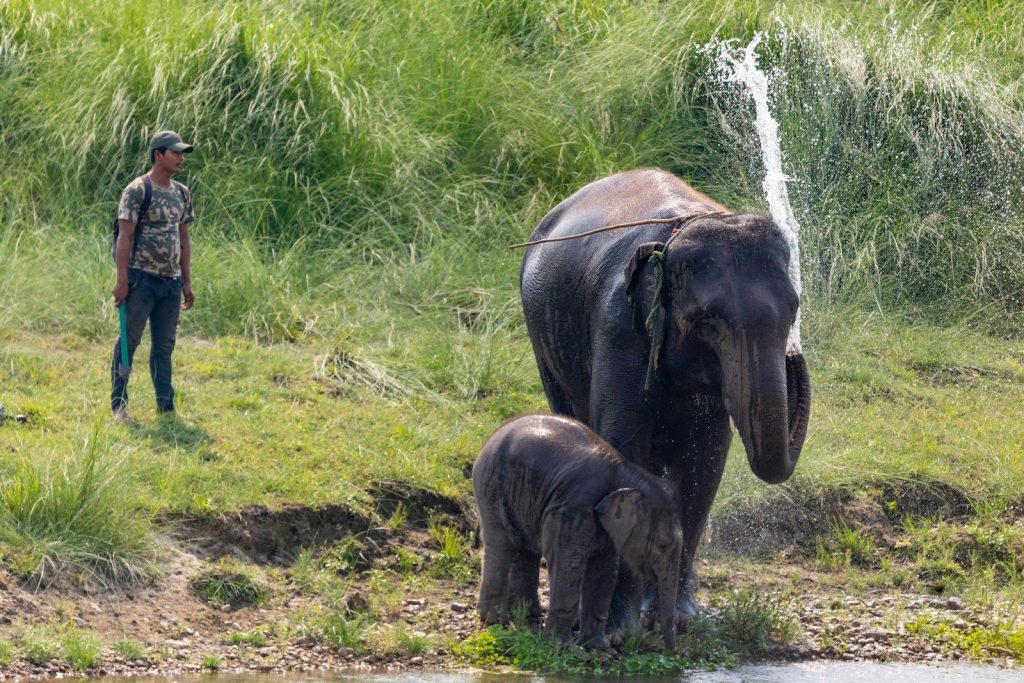
    Man watches elephants by a riverbank
    Photo by Sushanta Rokka on Unsplash

    Because mammoths are social animals, the first calf will be raised by a family of Asian elephants in a specialized sanctuary. These “foster mothers” will teach the young mammoth how to interact and find food.

    The researchers believe that the mammoth’s instincts will quickly take over once it feels the cold air of the Arctic. It is a beautiful example of two species working together for survival. We are building a family for a creature that has been lonely for 4,000 years. But what happens if the mammoth gets sick?

    The Healthcare of a Prehistoric Beast

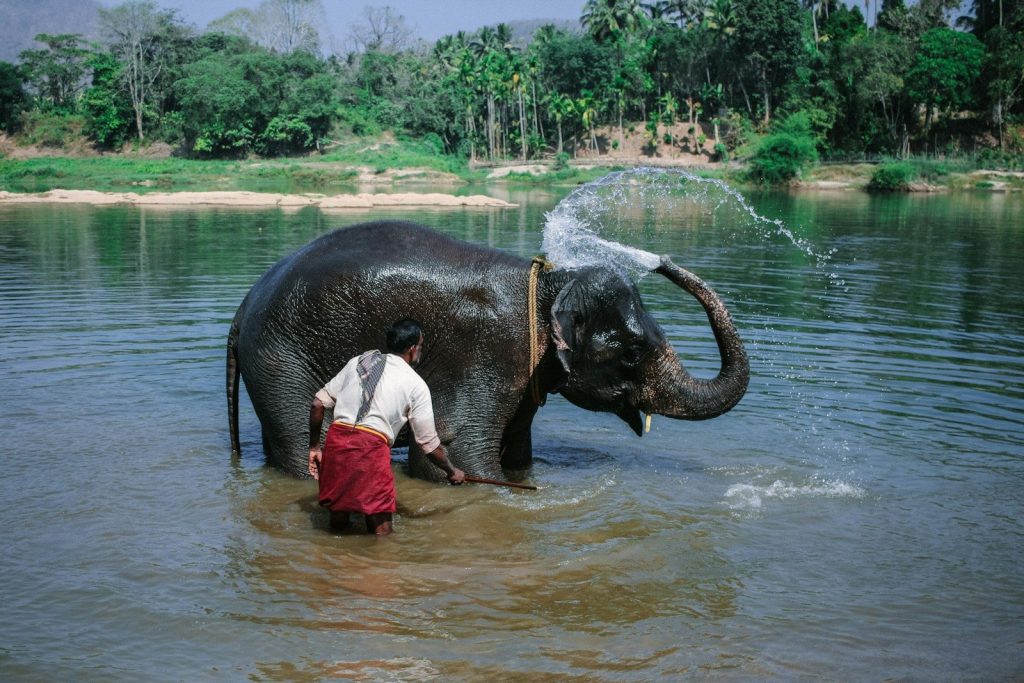
    man near elephant taking bath at river during daytime
    Photo by Anqi Lu on Unsplash

    Vets are already training for the birth of the first calf. They are using AI to predict what kind of diseases a mammoth might face in the modern world. They have already created a “prehistoric vaccine” to protect the young giant from modern viruses.

    Every moment of the mammoth’s life will be monitored by the micro-sensors we talked about in the last article. It will be the most famous and well-cared-for animal on the planet. But could this lead to the return of other lost species?

    The Dawn of a New Biological Era

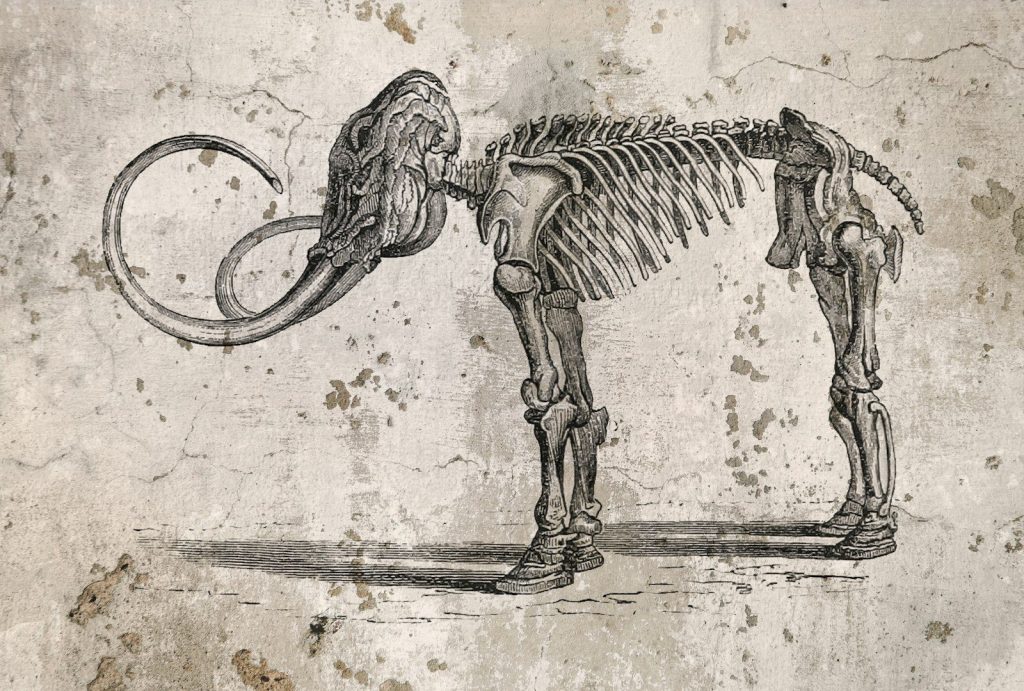
    A drawing of a dog with a skeleton on it's back
    Photo by John Cardamone on Unsplash

    The mammoth is just the beginning. Scientists are already looking at the DNA of the Dodo bird and the Tasmanian Tiger. We are entering an era where extinction is no longer permanent. It is a total rewrite of the rules of life on Earth.

    We have the power to bring back the beauty we have lost. It is a hopeful and exciting time to be alive. But while we look at the giants of the past, are you ready to see the giant buildings that are feeding our future?

    Featured Image: Photo by CharcoalDrawing on Pixabay