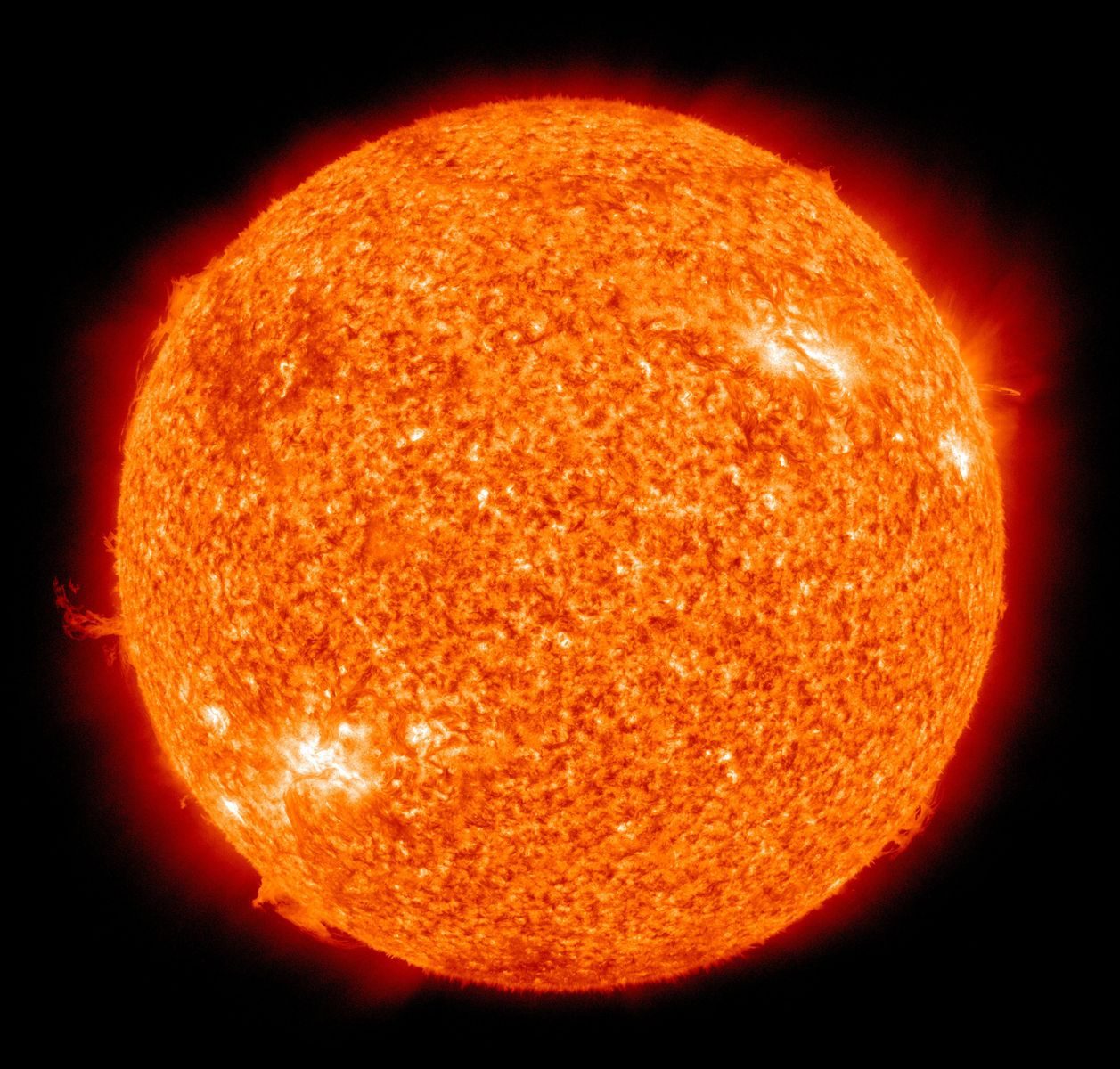
We look at the Sun and assume it is a stable ball of burning gas that behaves predictably. We believe our modern technology can easily withstand its daily magnetic output.
But recent solar observations have revealed highly unusual structural behavior deep within its plasma layers. These bizarre energetic shifts have put space scientists on high alert.
The Solar Probe Journey
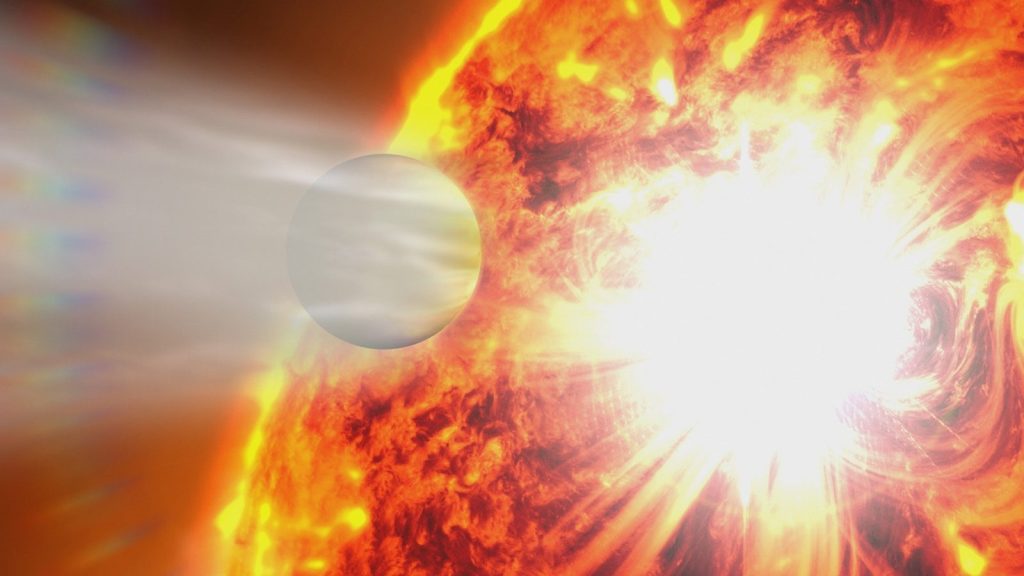
Space agencies have sent specialized spacecraft directly into the outer atmosphere of our star. The Parker Solar Probe flew closer to the Sun than any previous machine. According to flight records from NASA, the probe traveled through extreme heat and radiation to gather vital plasma data. It actually survived. The findings from this daring mission have shattered old models of solar physics. But one specific discovery inside the magnetic fields shocked researchers.
The Whiplash Magnetic Swings

The solar wind behaves much more violently close to the Sun than it does near Earth. Scientists discovered rapid, backward bends in the magnetic fields. According to data published in Nature, these switchbacks act like whips that accelerate solar particles to incredible speeds. They are powerful. These magnetic waves release massive amounts of energy without warning. But this is only a small part of the solar mystery.
Massive Coronal Holes Erupt
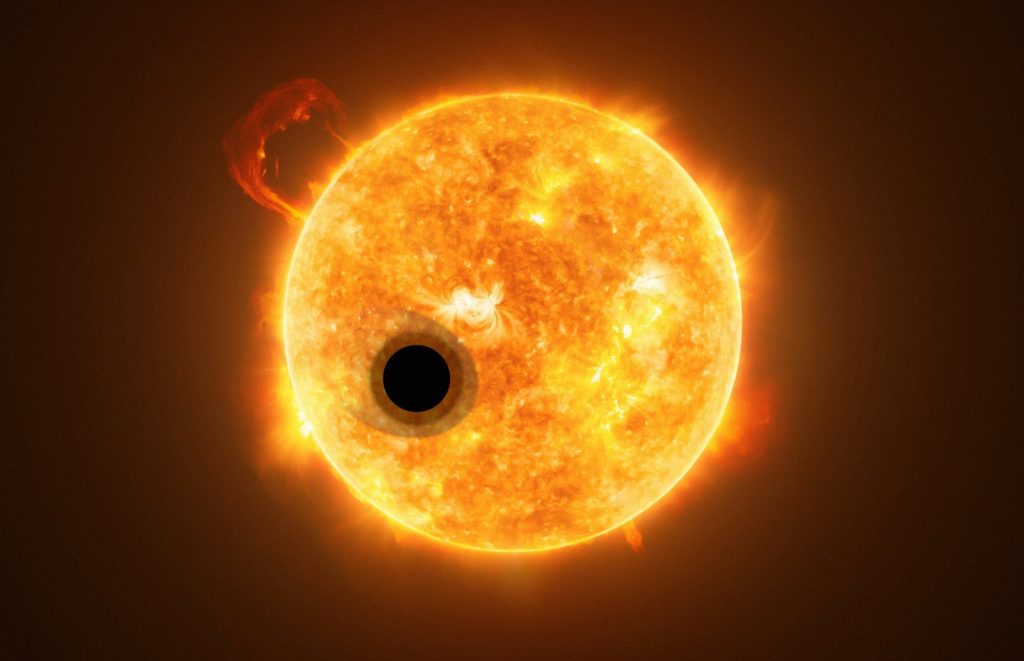
Solar observatories have captured images of giant dark regions opening on the surface of the Sun. These coronal holes allow high-speed solar winds to escape directly into space. According to reports from the National Oceanic and Atmospheric Administration, one of these massive gaps was wider than sixty Earths. It was colossal. This open magnetic gateway sends a steady stream of charged particles heading straight toward us. But the real danger lies in sudden solar storms.
The Threat To Our Grid
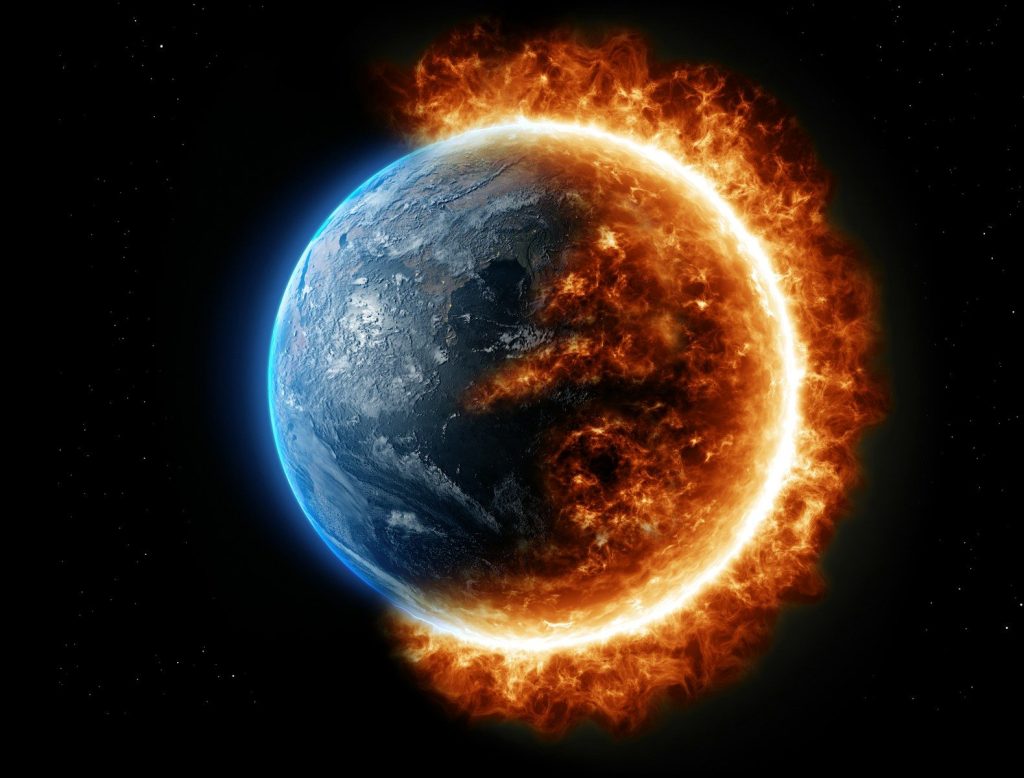
A direct hit from a massive solar eruption can cripple modern electrical grids on Earth. These storms send intense currents running through power lines and transformers. According to threat assessments by the Department of Energy, a superstorm could knock out power for millions of people instantly. This is critical. Rebuilding the damaged infrastructure could take months or even years. But our electrical grid is not the only thing in danger.
Satellites Under Fire
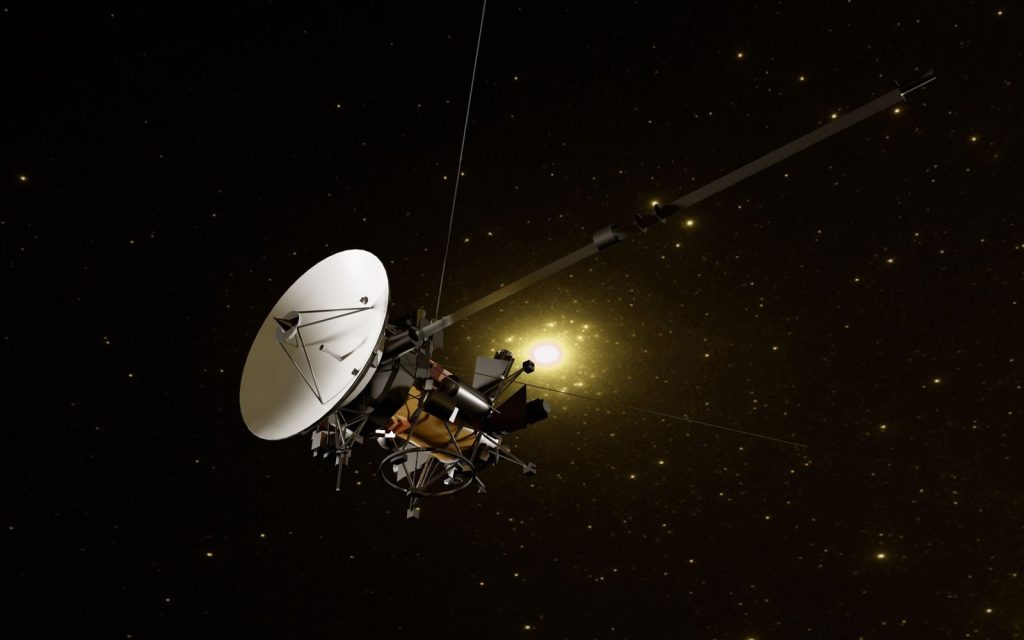
High-energy particles from the sun can easily destroy the delicate electronics inside orbiting satellites. This solar radiation also causes the atmosphere to expand, creating drag on low-orbit spacecraft. According to reports from the European Space Agency, dozens of communication satellites have been damaged by these solar events. They are vulnerable. Losing these space networks would instantly disrupt global navigation and communication systems. But our star is heading toward a dangerous peak.
The Solar Maximum Approaches

The Sun operates on an eleven-year cycle of magnetic activity that is currently peaking. This period is known as the solar maximum. According to solar physicists at the high-altitude observatory, this peak is turning out to be far stronger than initially predicted. Activity is soaring. The frequency of sunspots and solar flares has reached historic levels. But space agencies are working on a plan to protect us.
Building Space Weather Shields
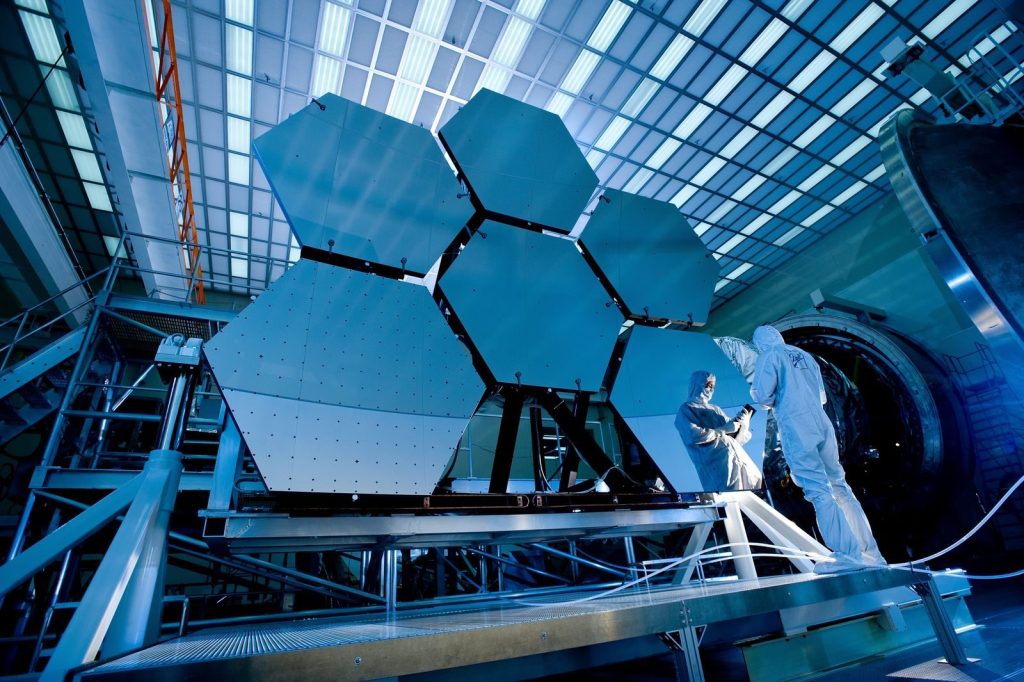
Engineers are designing smarter power grids and satellite shields that can withstand these cosmic eruptions. Early warning systems can give utilities valuable time to shut down systems safely before a storm hits. According to engineers at the Space Weather Prediction Center, these safety measures are our best defense against cosmic chaos. We are preparing. Investing in these technologies will save billions of dollars in future damage. But the Sun still holds many secrets.
Living With A Wild Star
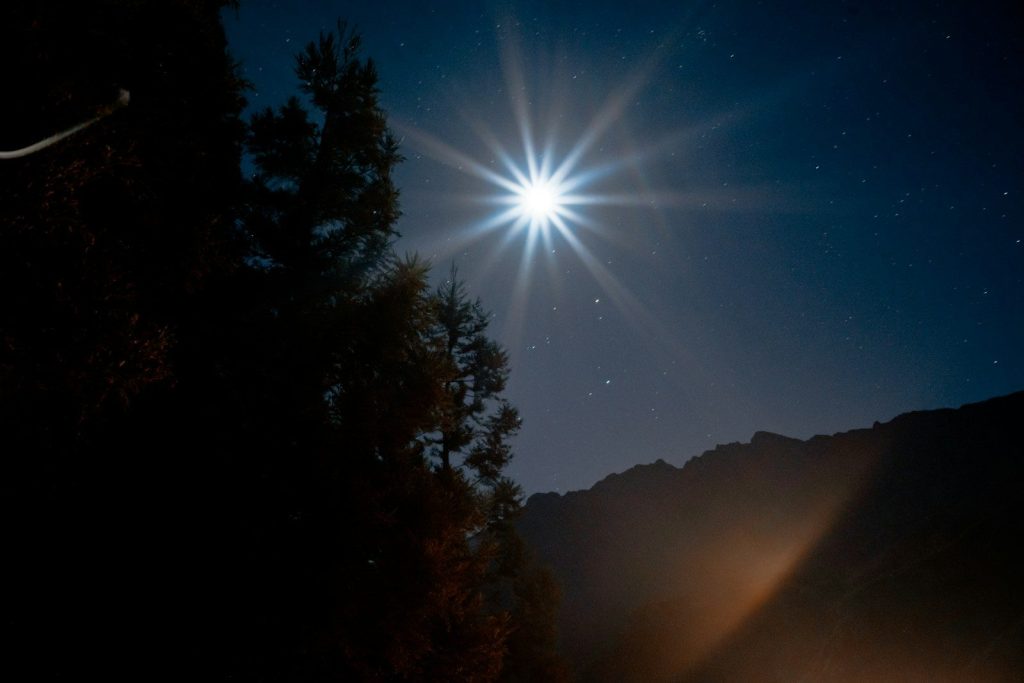
Our relationship with the Sun is a constant reminder of our vulnerability in the universe. Understanding its internal mechanics is the key to protecting our technological society. By watching its activity closely, we can secure our global future on Earth. This article is for informational purposes only and does not constitute professional technical or scientific advice.
Leave a Reply