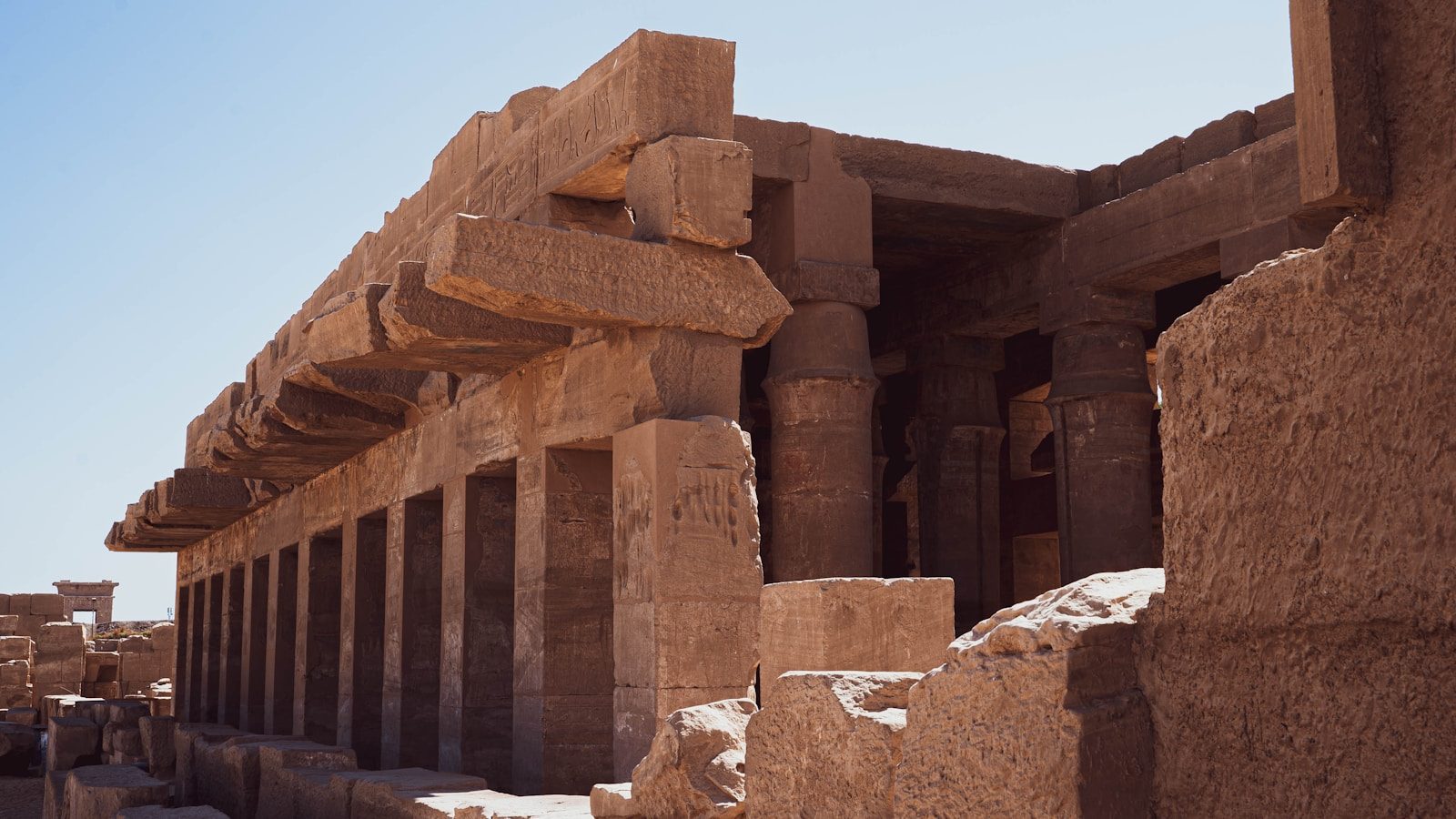
Most visitors believe ancient Egyptian temples served as public gathering places for regular worshippers. People picture huge crowds assembling inside towering stone halls during religious festivals.
But secret chambers and restricted zones reveal a far more exclusive purpose for Karnak. Ancient priests guarded sacred spaces that ordinary citizens were never permitted to see.
Massive Pillars Challenge Engineers
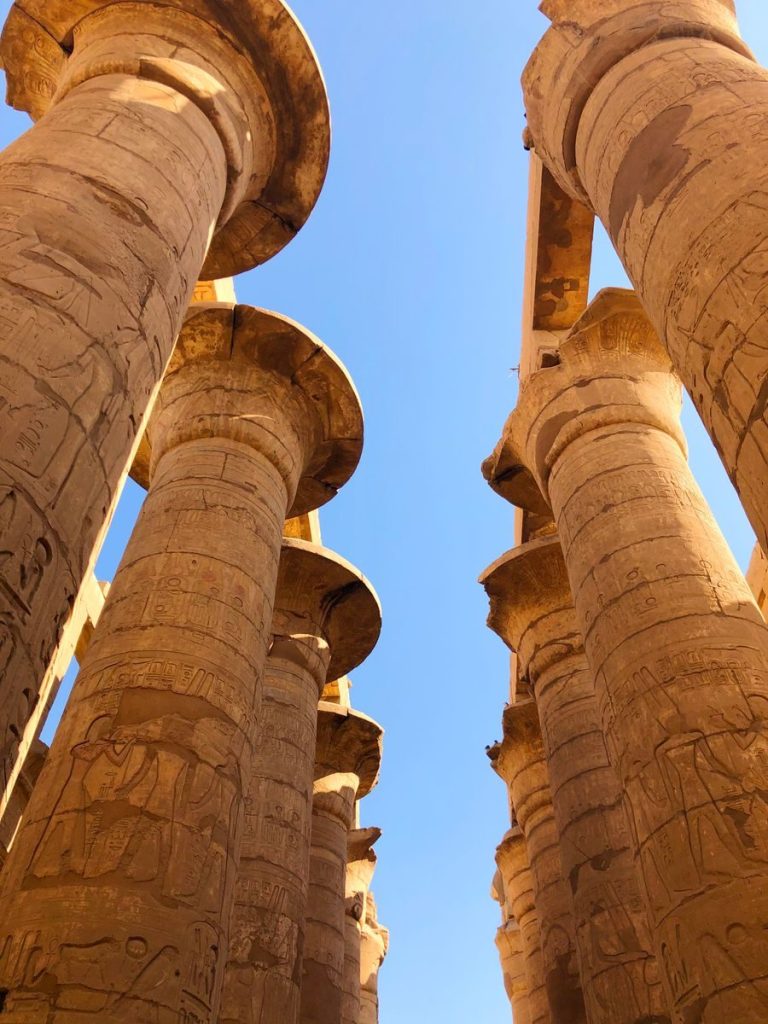
Constructing the vast hypostyle hall required engineering techniques that seem impossible for ancient tools, according to Egyptian ministry archaeologists. One hundred thirty-four massive sandstone columns stand tightly packed inside a single majestic chamber. Pillars loom high. Ancient masons lifted heavy stone blocks using mud ramps and wooden sleds. But the precise alignment of these columns hints at an even greater design.
Sunlight Alignments Reveal Divinity
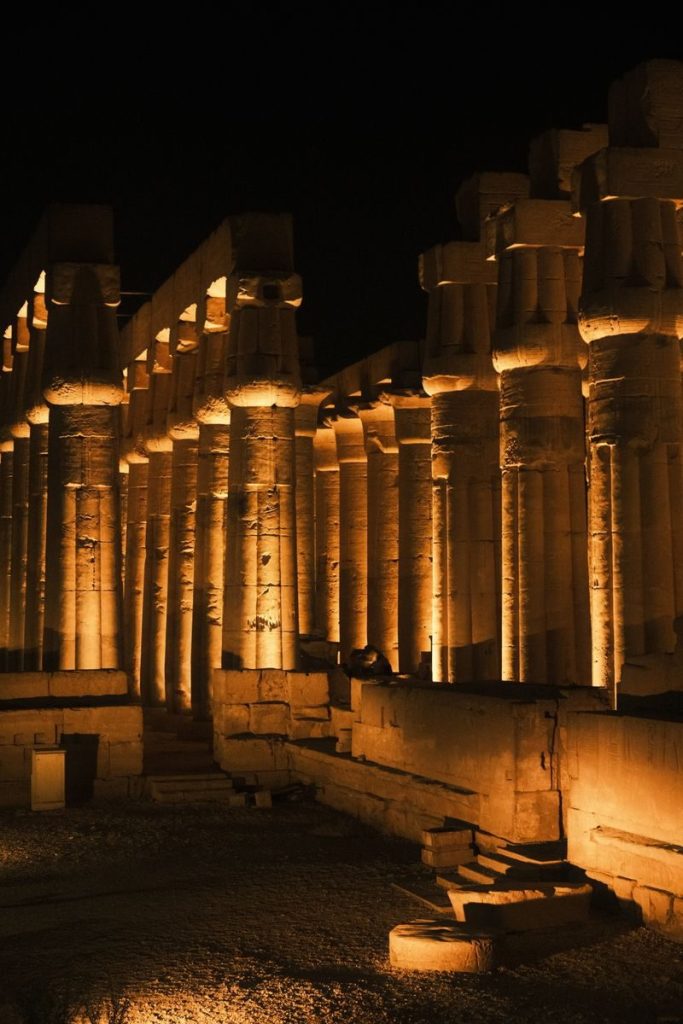
According to solar alignment studies by Cairo University, architects designed Karnak so the rising sun during the winter solstice aligns precisely with main temple axes. Solar light penetrates deep stone corridors to illuminate inner sanctuaries. Light fills darkness. This precise astronomical targeting honored the sun deity Amun-Ra. That fleeting solar moment was designed to connect with a nearby water mystery.
Sacred Basin Regulates Water

A large man-made basin filled with groundwater sat directly beside the central temple structure, according to historical records analyzed by French Egyptologists. Priests washed themselves multiple times daily in this holy water before performing rituals. Ritual purity mattered. Temple staff used subterranean pipes to regulate water levels during Nile floods. But those underground channels hid something far more secretive.
Hidden Tunnels Under Floorboards
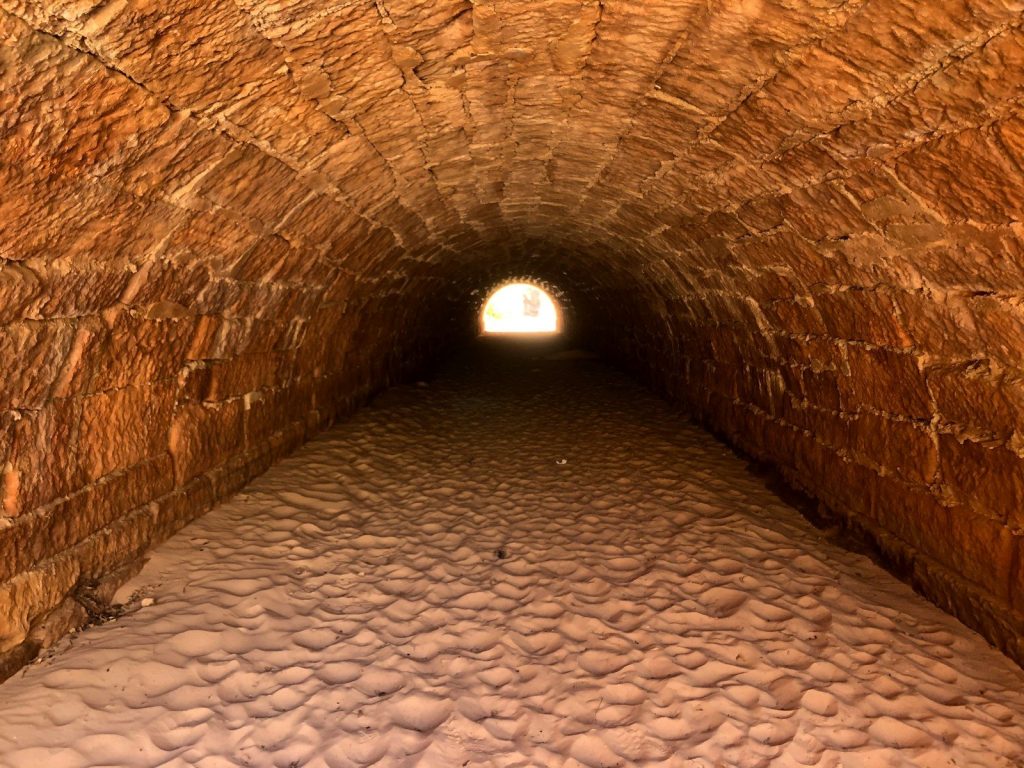
According to recent ground radar surveys conducted by Italian researchers, subterranean passages carved beneath heavy stone floors connected different sections of the temple complex. High priests moved invisibly between sacred shrines without stepping outside. Passages stayed hidden. These hidden corridors protected precious ceremonial treasures from intruders. Those treasures held immense wealth that the temple closely guarded.
Massive Treasury Stashes Riches
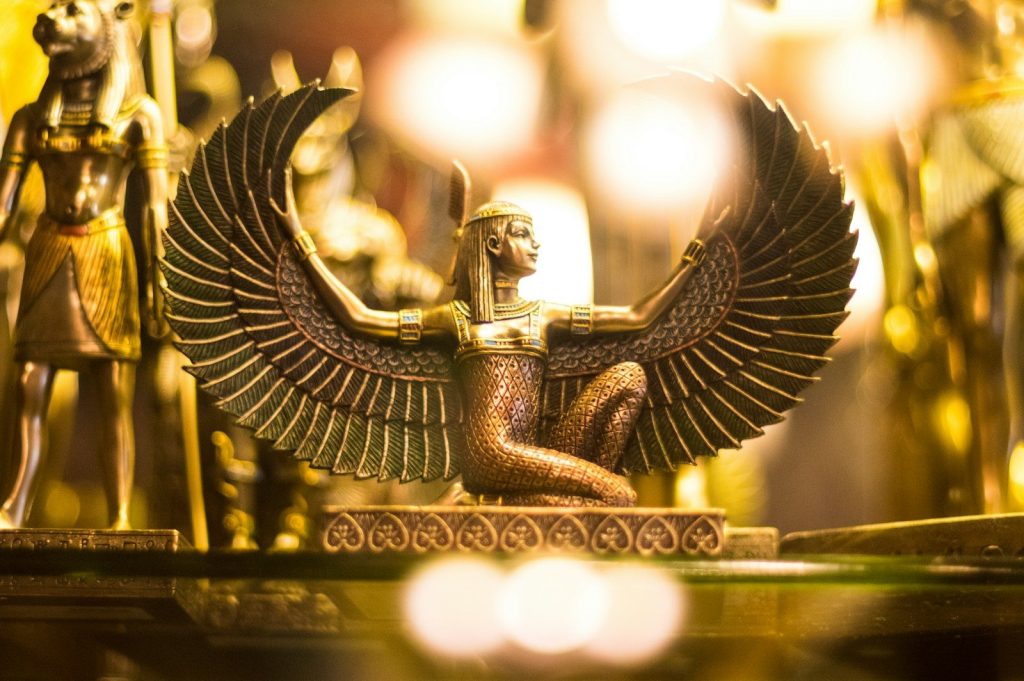
Pharaohs funneled vast riches from foreign conquests directly into Karnak treasury vaults, according to translation work by British Museum historians. Gold plates covered outer wooden doors while bronze sculptures lined sacred courtyards. Riches grew massive. Temple estates accumulated immense economic influence over ancient Egyptian trade networks. That growing economic power eventually triggered a silent war inside the royal court.
Rival Kings Erase Records
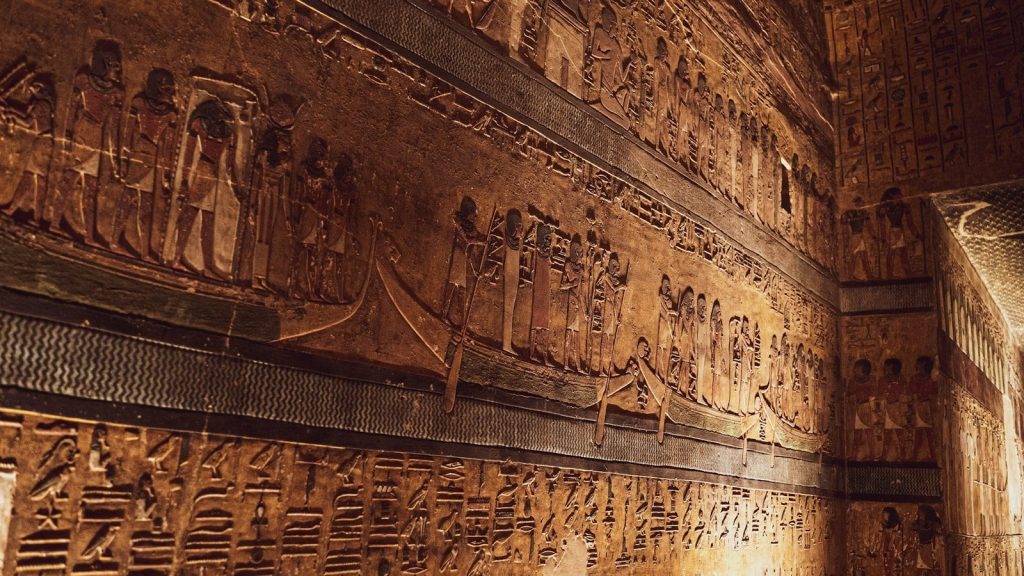
Successive rulers constantly modified Karnak to claim previous achievements as their own work, according to epigraphic studies by Chicago Oriental Institute scholars. New pharaohs carved their personal cartouches over original inscriptions created by earlier kings. History was rewritten. Stone carvers erased entire royal dynasties from temple walls. These calculated erasures left behind mysterious physical traces for future explorers to find.
Desert Sands Bury Ruins
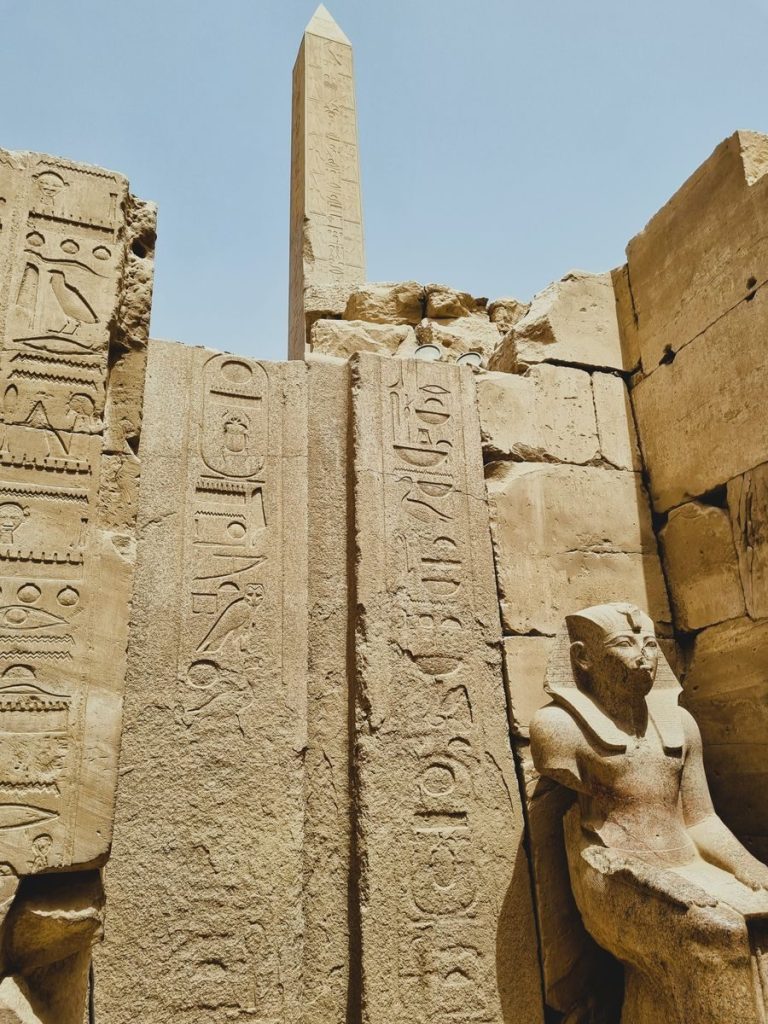
According to nineteenth-century expedition notes, desert winds buried Karnak under deep layers of shifting sand centuries after religious activity ceased. Local populations constructed modern mudbrick homes right above forgotten stone roofs. Ruins vanished entirely. Early European explorers had to dig through deep silt to reveal buried obelisks. That monumental digging effort eventually unlocked a modern era of restoration.
Conserving An Ancient Kingdom
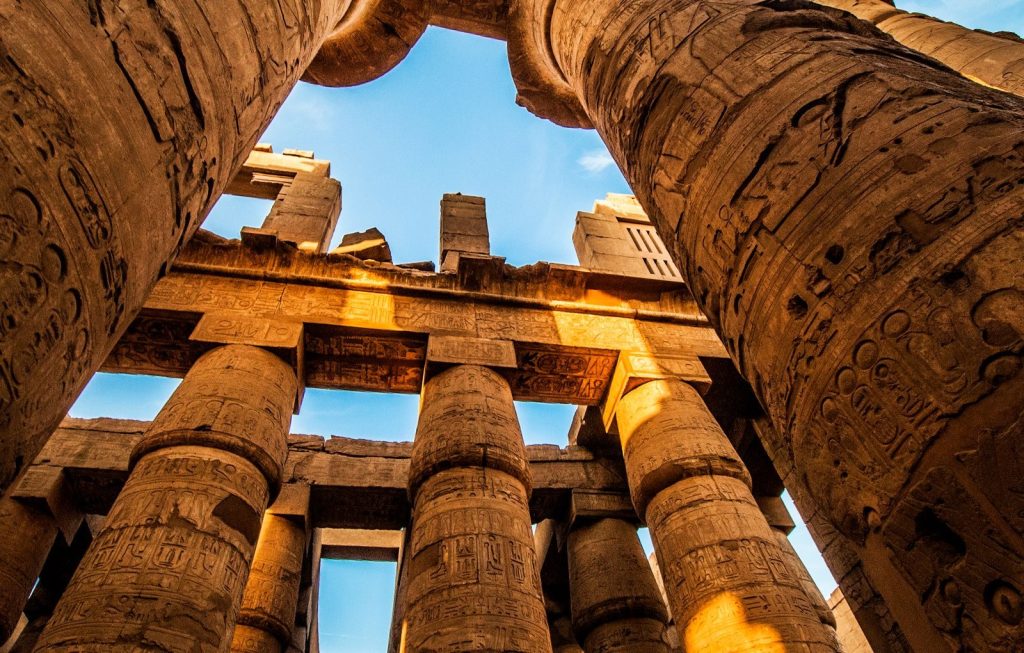
Ongoing restoration projects at Karnak continue to uncover forgotten inscriptions and ancient construction techniques. Modern digital scanning allows international researchers to analyze delicate wall reliefs without damaging fragile sandstone. According to Egyptian heritage authorities, conserving this sprawling complex guarantees future generations can study ancient engineering achievements. This article is for informational purposes only and does not constitute professional archaeological advice.
Leave a Reply