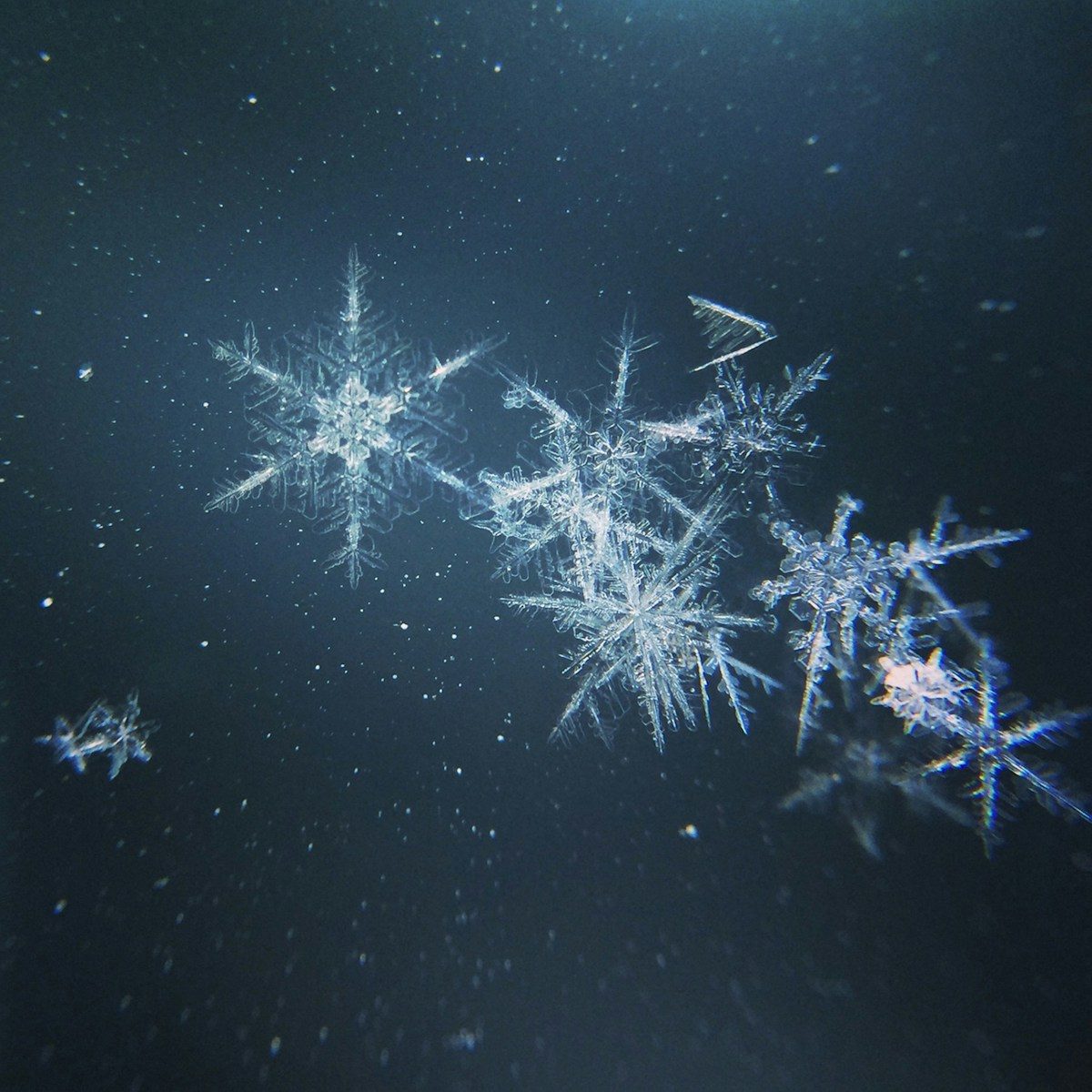
Snowflakes look simple when they land on your coat, but each one has a wild little history. A flake begins high in a cloud, where cold water vapor freezes around a tiny speck of dust or another small particle. From there, it grows while moving through changing layers of air.
A slight shift in temperature, moisture, wind, or path can change how its branches form. That is why two flakes may look similar from far away but still differ up close. Scientists have found that simple ice crystals can sometimes match closely, but large, detailed snowflakes have so many possible growth patterns that exact twins are extremely unlikely.
A flake starts very small
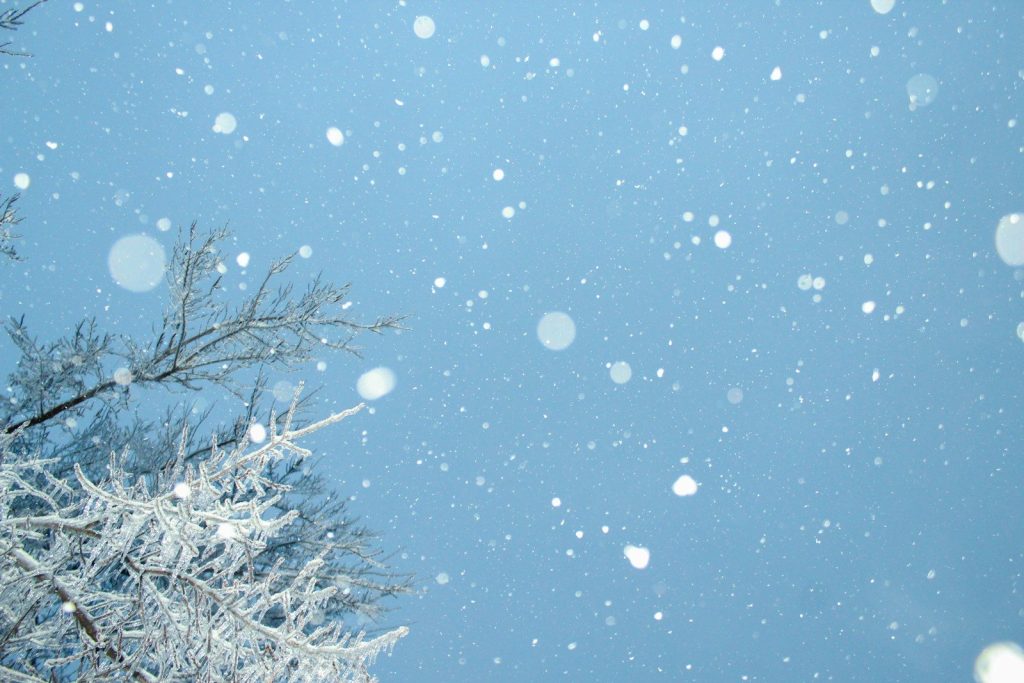
A snowflake begins when a tiny cold water droplet freezes onto a small particle in the air. That first frozen bit becomes the seed for the ice crystal.
As more water vapor freezes onto it, the crystal grows. It does not become fancy all at once. Its shape slowly builds as it floats, falls, and passes through changing cloud conditions.
Water makes six-sided shapes
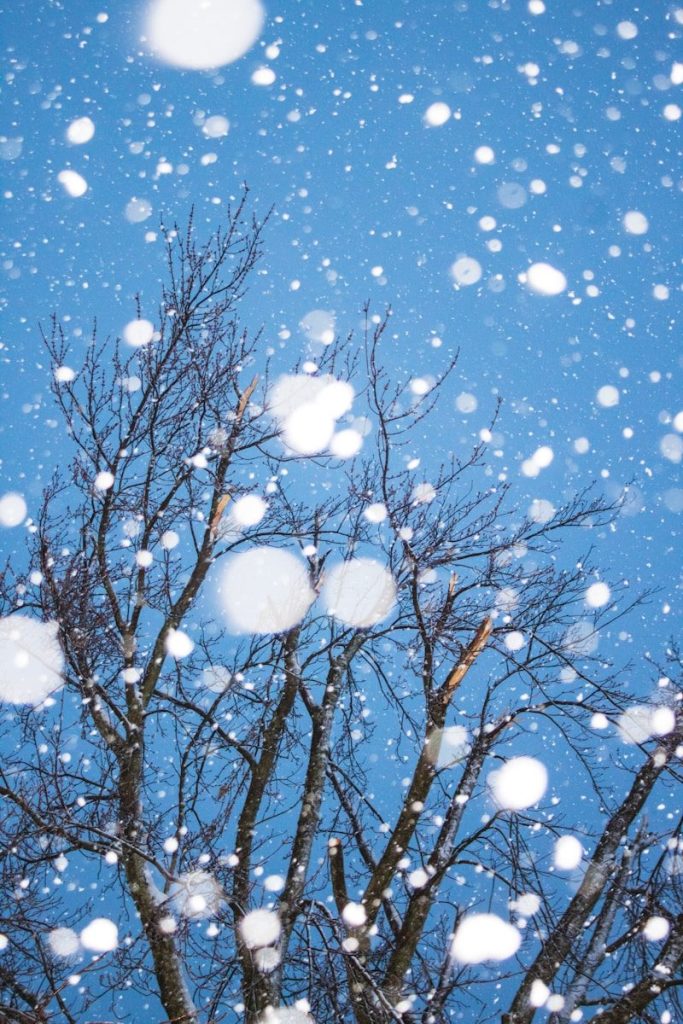
Snowflakes often have six sides because of the way water molecules arrange themselves when they freeze. The molecules naturally form a hexagonal pattern inside ice.
That hidden pattern is why many snowflakes share a basic six-sided look. Even when the outside shape gets fancy, the tiny structure inside still guides the design.
Clouds keep changing conditions

A snowflake does not grow in one steady place. It moves through cloud layers that can have different temperatures and moisture levels.
Those small changes matter. One part of the flake may grow faster, another may slow down, and the whole crystal can take on a new style as the weather around it shifts.
Tiny paths make big differences
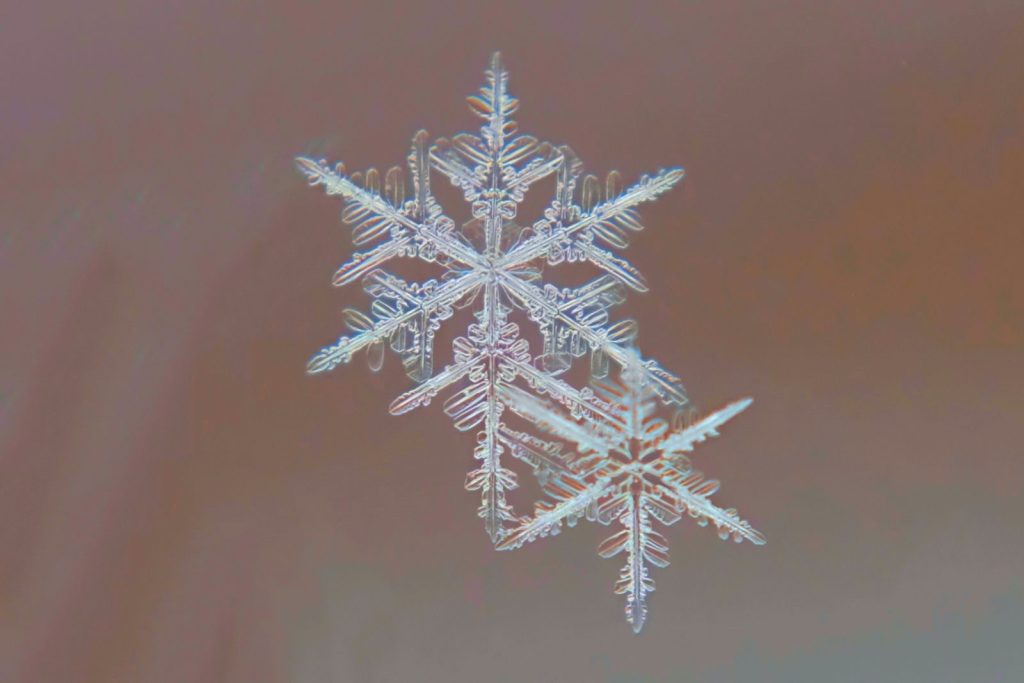
Two snowflakes can start near each other, but they do not follow the exact same path. Wind can lift one higher, push another sideways, or drop them through different air pockets.
That makes each journey personal. Even a small difference in route can change how much moisture the crystal meets and how quickly its arms grow.
Branches grow in steps

A snowflake’s arms do not appear fully formed. They grow bit by bit as water vapor freezes onto the edges of the crystal.
If the air is moist enough, the arms can stretch into detailed branches. If conditions are drier, the shape may stay simpler and flatter. That step-by-step growth creates many possible designs.
Some flakes are crystal clusters
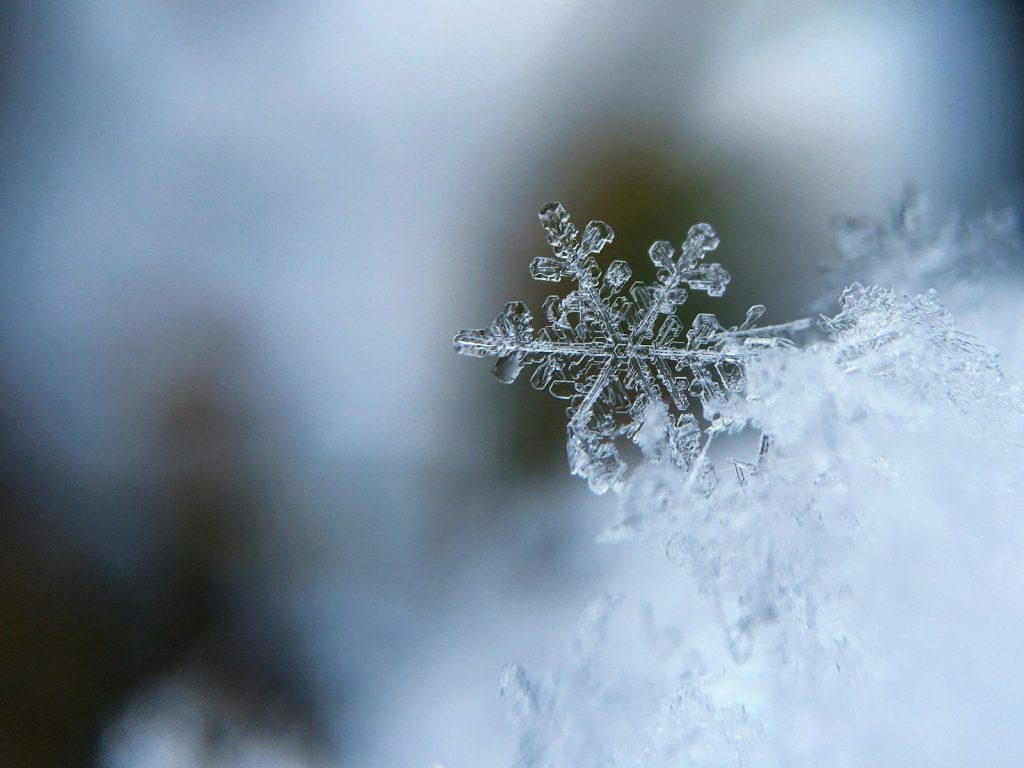
Not every snowflake is just one neat ice crystal. Some are made of many ice crystals stuck together as they fall through the sky. UCAR notes that some elaborate snowflakes can include many crystals fused into one flake.
That adds another layer of variety. A flake can change not only through growth, but also through bumps, joining, and tiny breaks along the way.
Similar does not mean identical
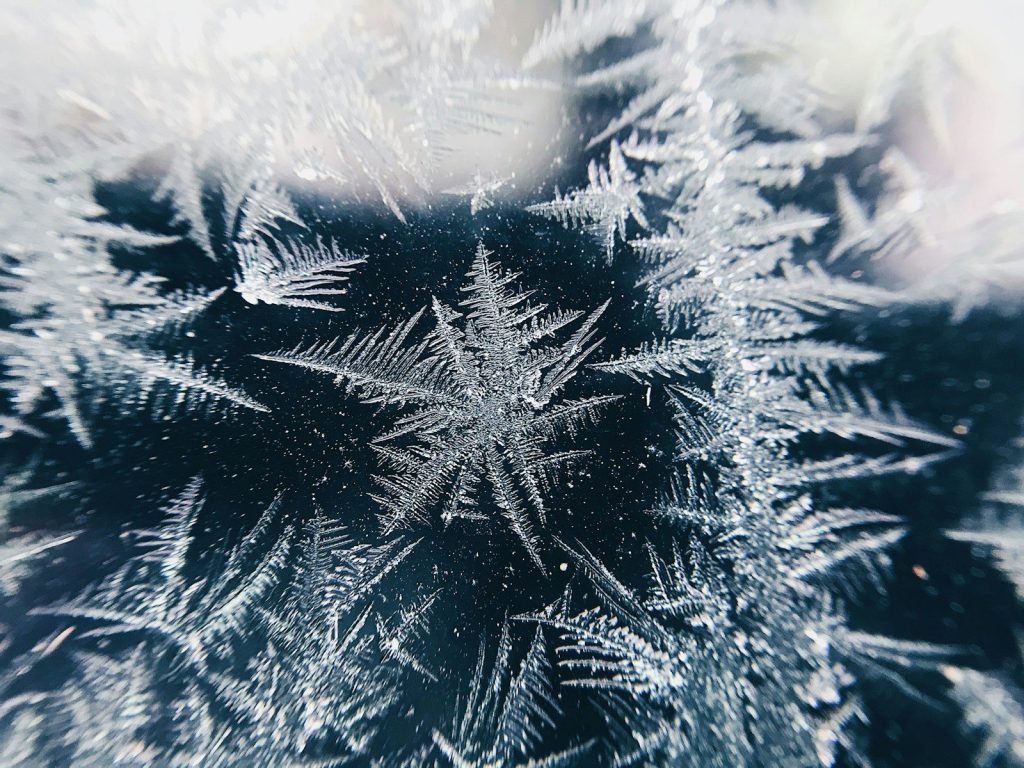
Some small, simple ice crystals can look nearly the same, especially if they form under very similar conditions. That is why the old saying needs a little care.
But large, complex snowflakes are different. Caltech snowflake researcher Kenneth Libbrecht explains that the number of possible complex designs is staggeringly large.
Temperature shapes the style
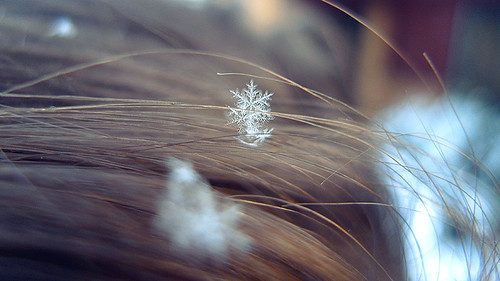
Temperature helps decide whether a snow crystal becomes a plate, column, needle, or branching star. Different cold ranges encourage different crystal shapes.
This is why one storm can produce many kinds of flakes. If a snowflake falls through several temperature zones, its shape can record that changing trip through the air.
Moisture adds the detail
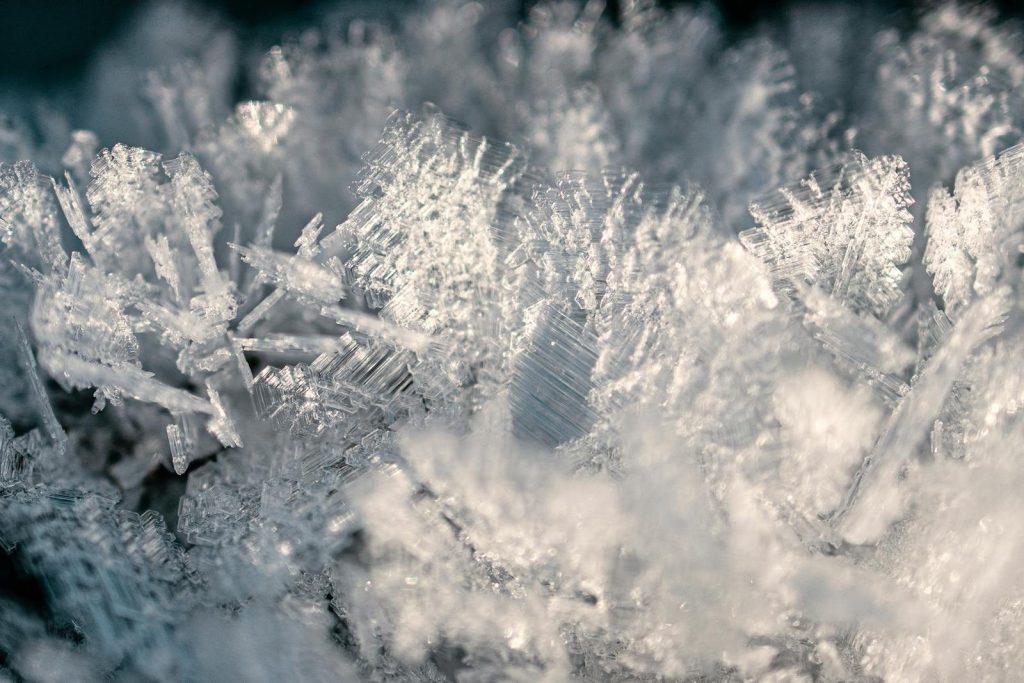
Moisture is another major part of the design. When the air has more water vapor, a snowflake has more material to build with.
That extra vapor can help create longer arms and finer branches. In drier air, flakes may stay smaller or simpler. The final look depends on how much moisture the crystal meets.
Nature rarely repeats the route
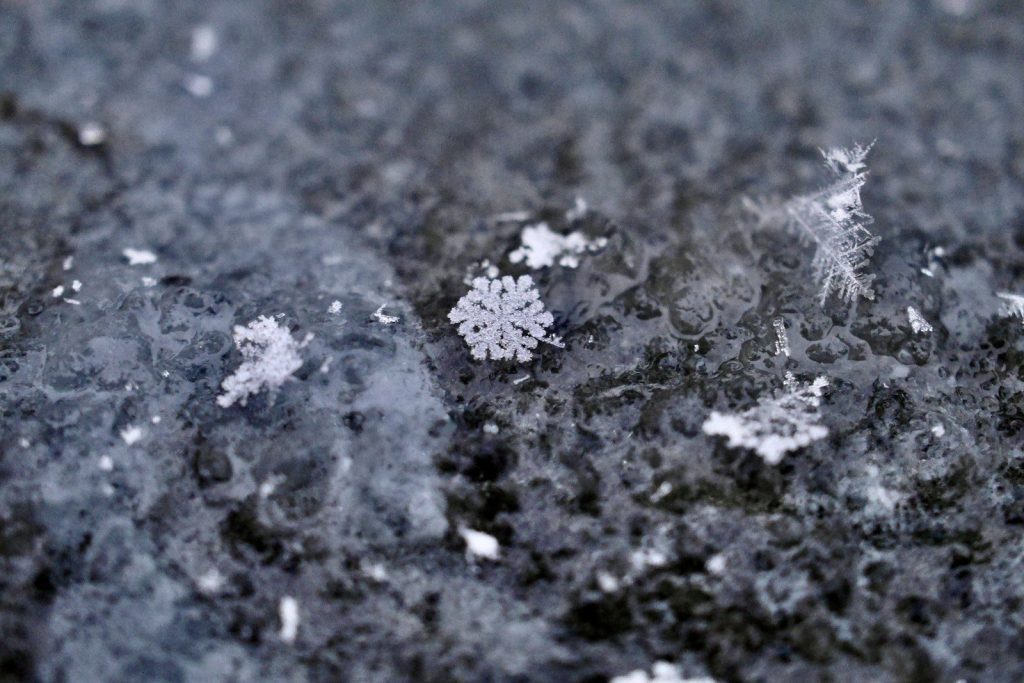
A snowflake is shaped by its full journey, not just its starting point. Temperature, moisture, wind, height, timing, and tiny accidents all leave marks.
That is why snowflakes almost never look exactly alike. Each one is like a frozen travel record, shaped by a path through the sky that no other flake follows in exactly the same way.
Leave a Reply