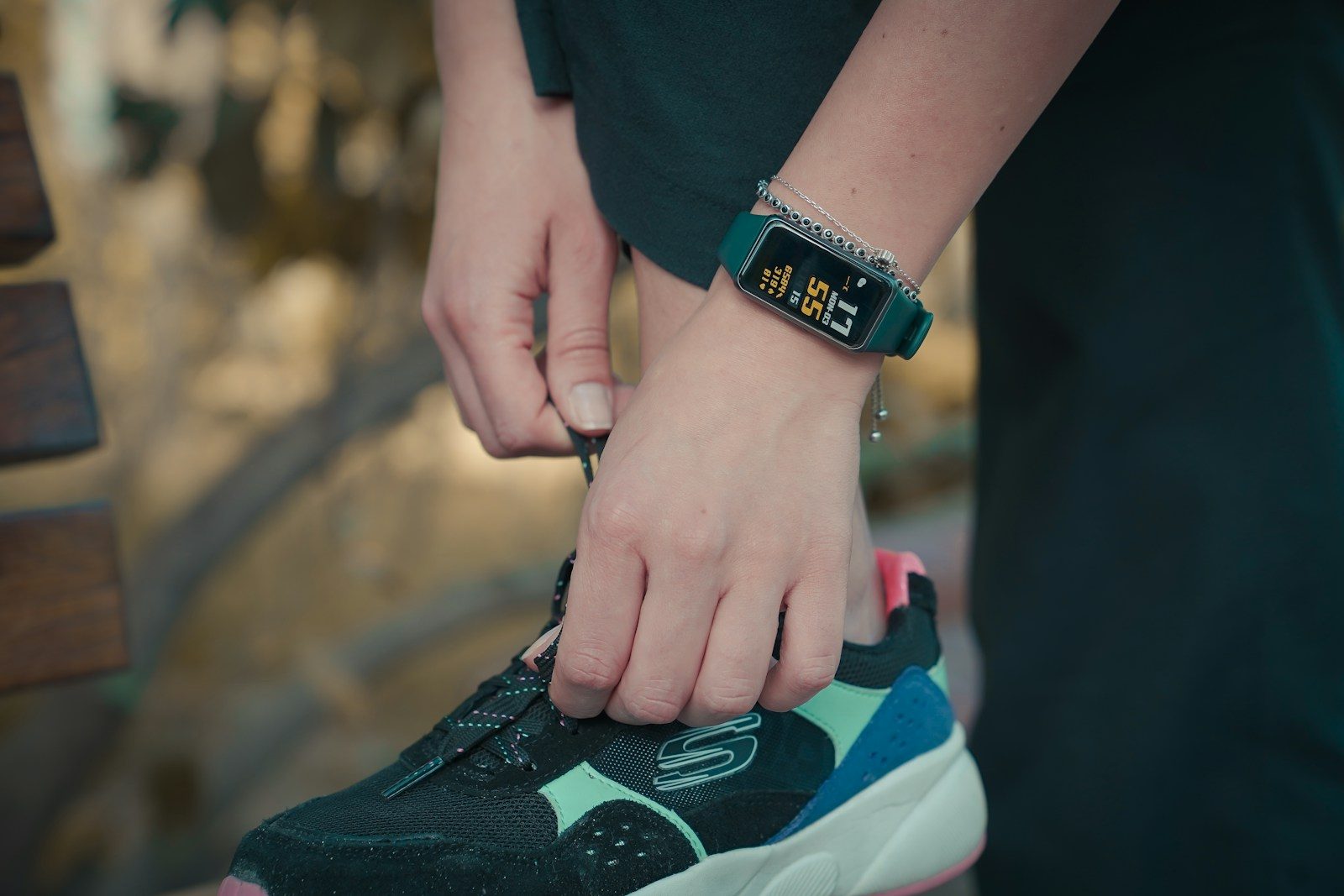
A watch, patch, or ring may look simple on the outside, but modern wearable health tech can do much more than count steps. These devices can track signals from the body, such as heart rate, sleep patterns, movement, oxygen levels, and sometimes heart rhythm. The bigger change is how this data can be used. Instead of giving people one-time snapshots, wearables can help show patterns over days, weeks, or months.
That does not mean every wearable is a medical device or a replacement for a doctor. Accuracy still matters, and health data needs careful use. But with better sensors, wireless sharing, and smarter software, wearables are becoming useful tools for everyday awareness, remote care, and early conversations with healthcare professionals.
Health data gets personal
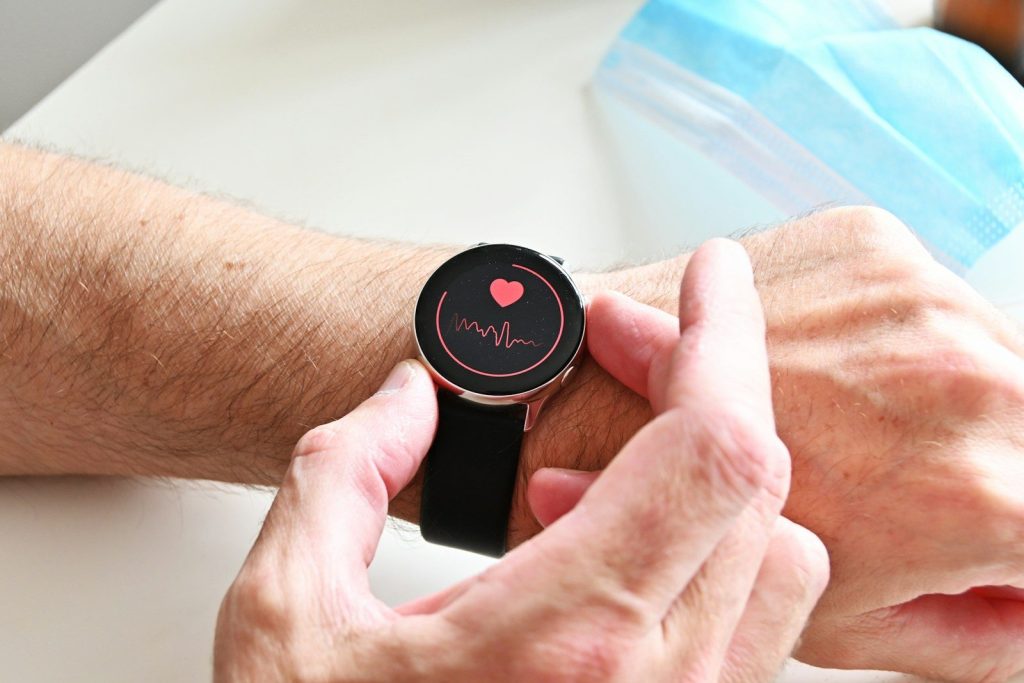
Many people only think about health numbers during a checkup. Wearables change that by bringing basic tracking into daily life. A device can follow things like movement, sleep, heart rate, or oxygen levels while someone works, rests, or exercises.
That steady stream of information can help people notice patterns they may otherwise miss. It can show how sleep, activity, stress, or routine changes may affect the body over time.
Sensors do the quiet work
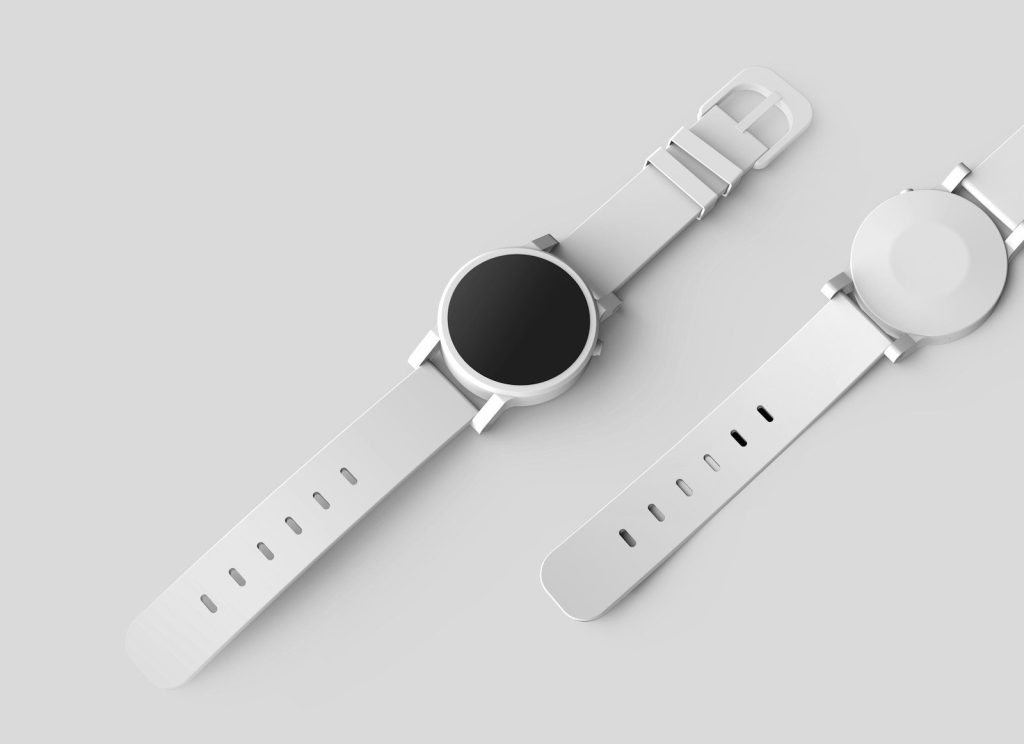
The real power inside many wearables comes from tiny sensors. These sensors collect signals from the body and turn them into data that apps or health platforms can show in a simple way.
Some sensors track motion. Others measure light changes in the skin, heart activity, temperature, or oxygen levels. The device may look small, but it can gather useful clues when the sensors are designed well and worn correctly.
Remote care becomes easier

Wearables can also support remote care. Some devices can record and wirelessly send health data, such as blood pressure, oxygen levels, blood sugar readings, heart rate, movement, posture, or sleep information.
This can help healthcare teams follow certain patients without requiring constant office visits. It may be especially helpful for long-term monitoring, follow-up care, or checking trends between appointments.
Alerts can start conversations
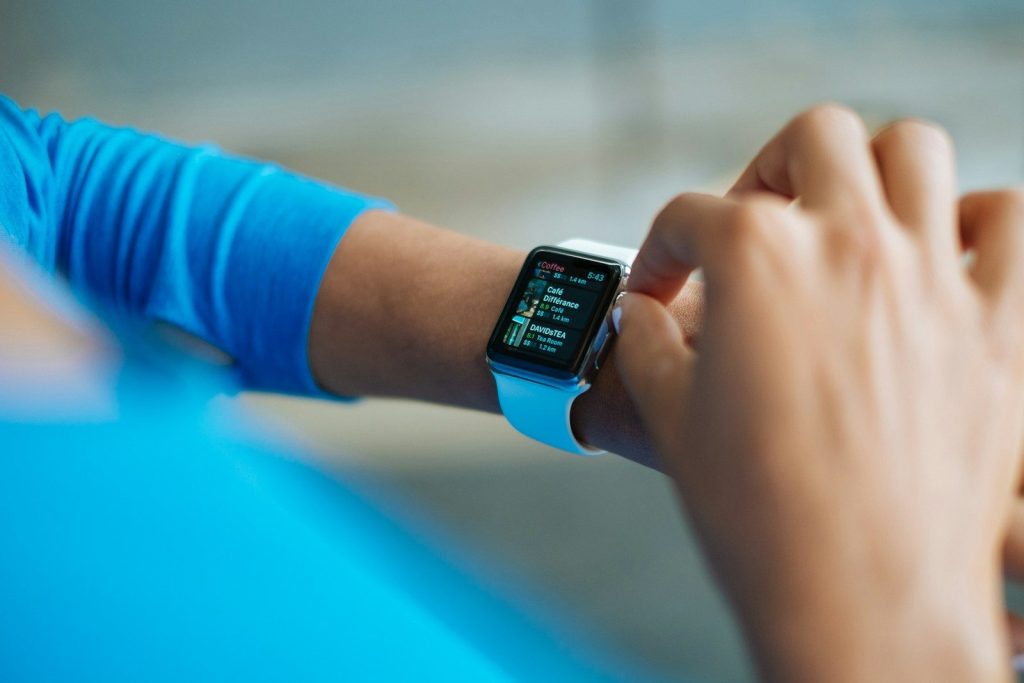
One helpful feature of smarter wearables is the ability to flag unusual patterns. A device may notice a change in heart rate, sleep, movement, or another signal and encourage the user to take a closer look.
These alerts should not be treated as a final diagnosis. They are better seen as conversation starters. When something seems off, users can share details with a healthcare professional and decide what steps make sense.
Movement tells a story
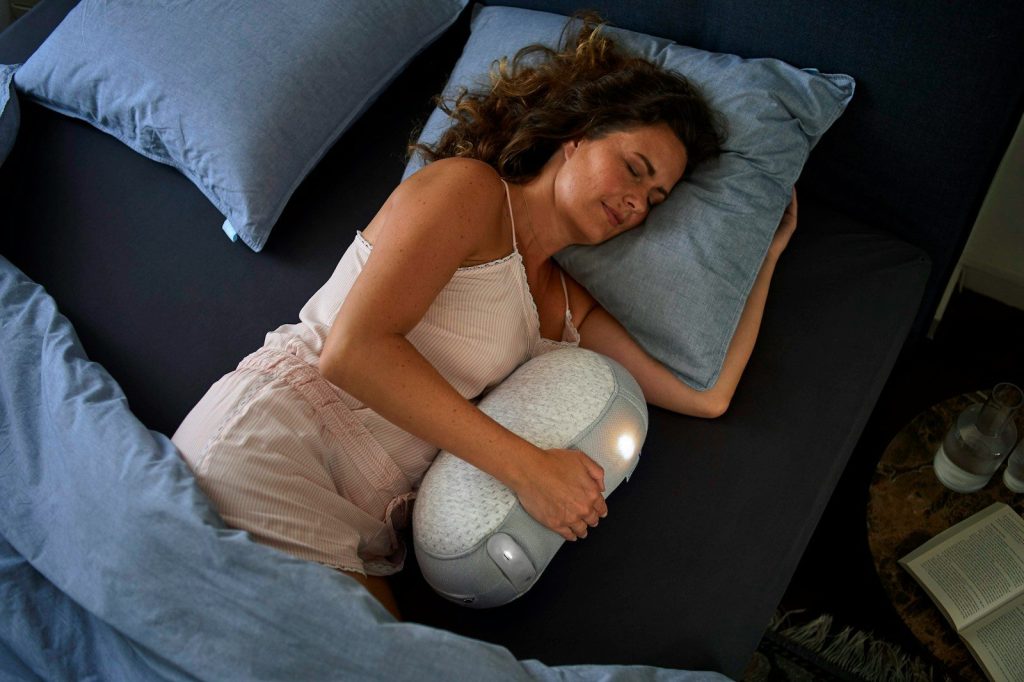
Wearables are not only about heart rate or sleep. Motion sensors can track how the body moves during walking, exercise, therapy, or daily routines. This can be useful for fitness, recovery, and fall-risk awareness.
Many devices use sensors such as accelerometers and gyroscopes to understand movement. When combined, these readings can help create a clearer picture of posture, balance, steps, or activity level throughout the day.
Comfort matters more than hype
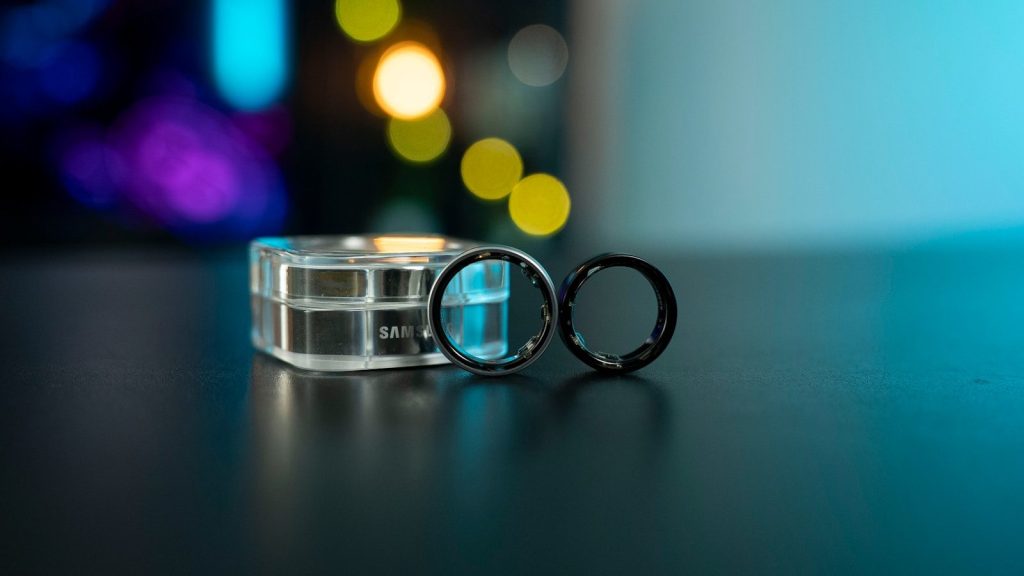
A health wearable only helps when people actually wear it. If a device feels bulky, itchy, heavy, or hard to use, many users may take it off and stop collecting data.
That is why comfort is not a small detail. Lighter designs, better straps, longer battery life, and simple apps can make tracking feel like part of a normal routine. Consistent use often leads to more useful health patterns.
Smart software finds patterns
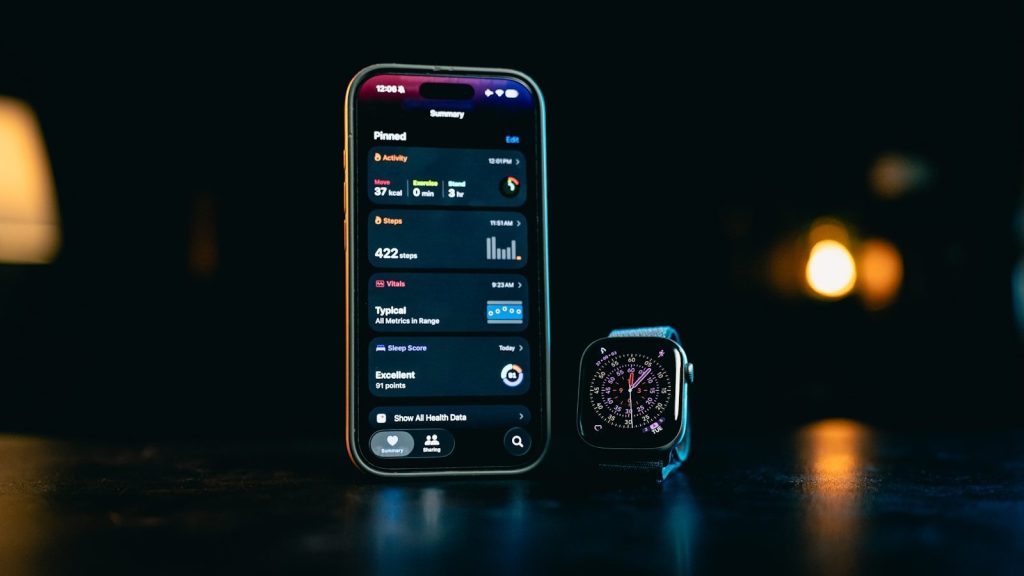
Sensors collect the raw information, but software helps make sense of it. Smart algorithms can compare readings over time and look for patterns that may not be obvious from one number alone.
This is where AI and data analysis may become important. Instead of just showing today’s result, future wearables may help explain trends, changes, and possible next steps in clearer language.
Medical use needs trust
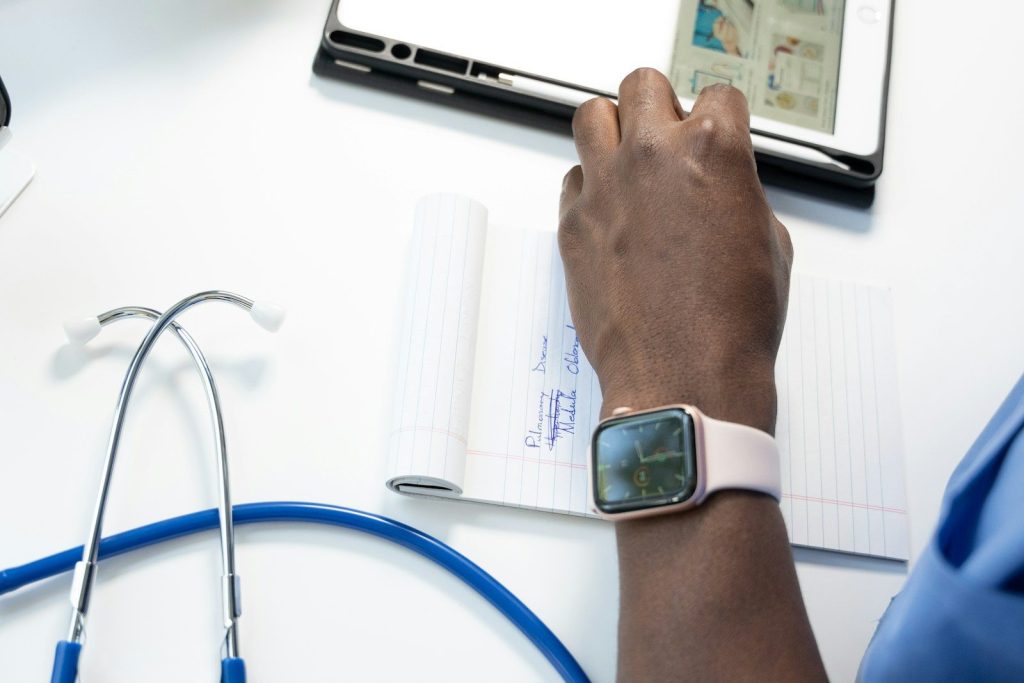
Not every health claim from a wearable should be accepted without question. Some features are meant for general wellness, while others may need medical review or FDA oversight.
That difference matters. A step counter is not the same as a medical heart monitor. As wearables become more advanced, clear labeling, tested accuracy, and safe data handling will become even more important.
Research keeps improving wearables
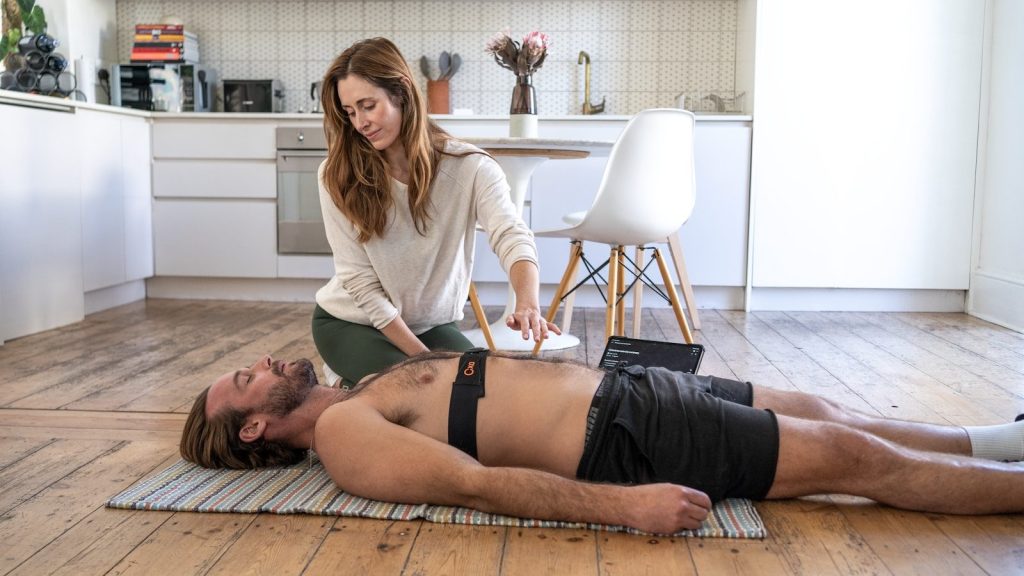
Researchers are using wearable sensors to study sleep, movement, stress responses, heart signals, and other body patterns. This can help improve future devices and support better health studies.
Research-grade sensors can provide more detailed data than many basic consumer devices. Over time, these studies may lead to more accurate, comfortable, and useful wearables for everyday people and healthcare teams.
Gadgets become health partners
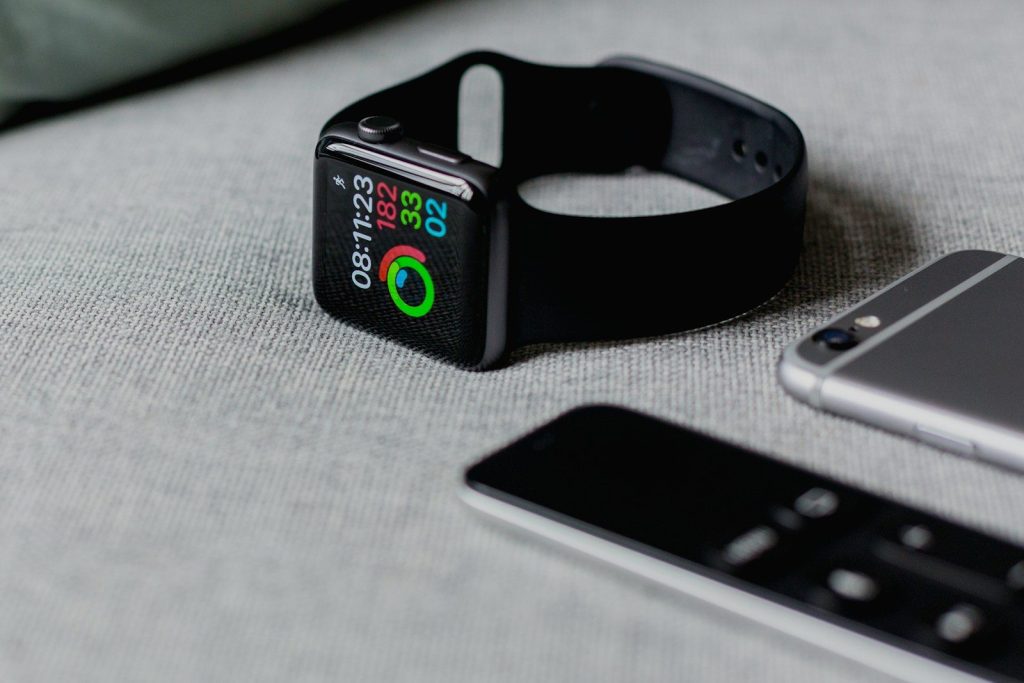
The future of wearables may be less about flashy features and more about helpful support. A good device can make health easier to understand without overwhelming the user.
The best wearables will not replace doctors, nurses, or medical tests. Instead, they may help people stay more aware, share better information, and catch important changes sooner. That is what could turn simple gadgets into real health helpers.
Leave a Reply