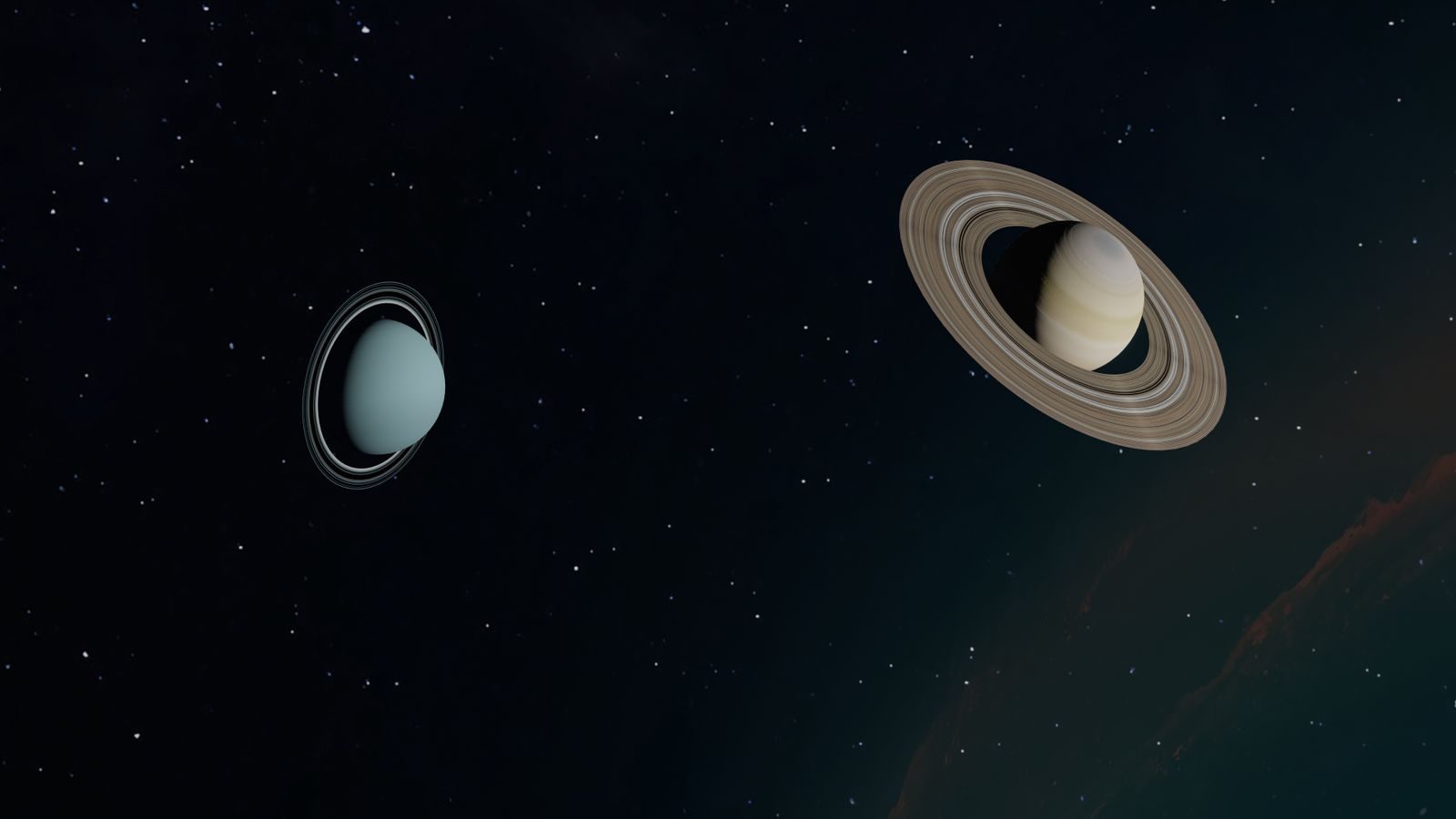
Astronomers have long dismissed the distant moons of Uranus as frozen and dead wastelands. We believed these tiny outer worlds were far too cold to support any geological activity.
But a fresh analysis of decades-old spacecraft data has revealed a shocking secret. These ignored orbital bodies might actually hide massive oceans capable of harboring life.
The Forgotten Ice Giants

The outer solar system is home to some of the most hostile environments imaginable. Uranus remains largely unexplored. According to NASA, the Voyager two spacecraft provided our only close-up images of the planet back in nineteen eighty-six. For decades, scientists filed the data away and focused on other targets. But planetary researchers recently decided to take a second look.
A Solar Storm Mystery

When Voyager two flew past Uranus, the planet was experiencing a highly unusual solar storm. This timing was terrible. According to space weather scientists, the intense solar wind compressed the planet’s magnetic bubble during the flyby. This temporary distortion hid the active signals coming from the orbiting moons. But once researchers accounted for this storm, they made a startling discovery.
Active Oceans Trapped In Ice

Two specific moons, Ariel and Miranda, appear to be venting hot material into space. They are alive. According to a study in Geophysical Research Letters, these tiny worlds are releasing high-energy ions. This chemical signature suggests that warm water is actively erupting through the icy crust. But this unexpected planetary heat source challenges our current theories.
Finding The Hidden Heat

Normally, small moons freeze solid because they lack the mass to retain internal heat. These moons are tiny. According to planetary geologists, gravitational tugs from Uranus might be stretching and squeezing the moons’ interiors. This friction keeps the core hot enough to maintain liquid oceans. But this warm environment is the perfect recipe for something far more exciting.
The Ingredients For Life

Liquid water is only the first requirement for habitable extraterrestrial worlds. You also need chemical energy. According to astrobiologists, geothermal vents on the ocean floors could provide crucial nutrients for microbial life. This process mirrors how life thrives in Earth’s deepest ocean trenches. But we will never know for sure without sending a specialized machine.
A New Space Race
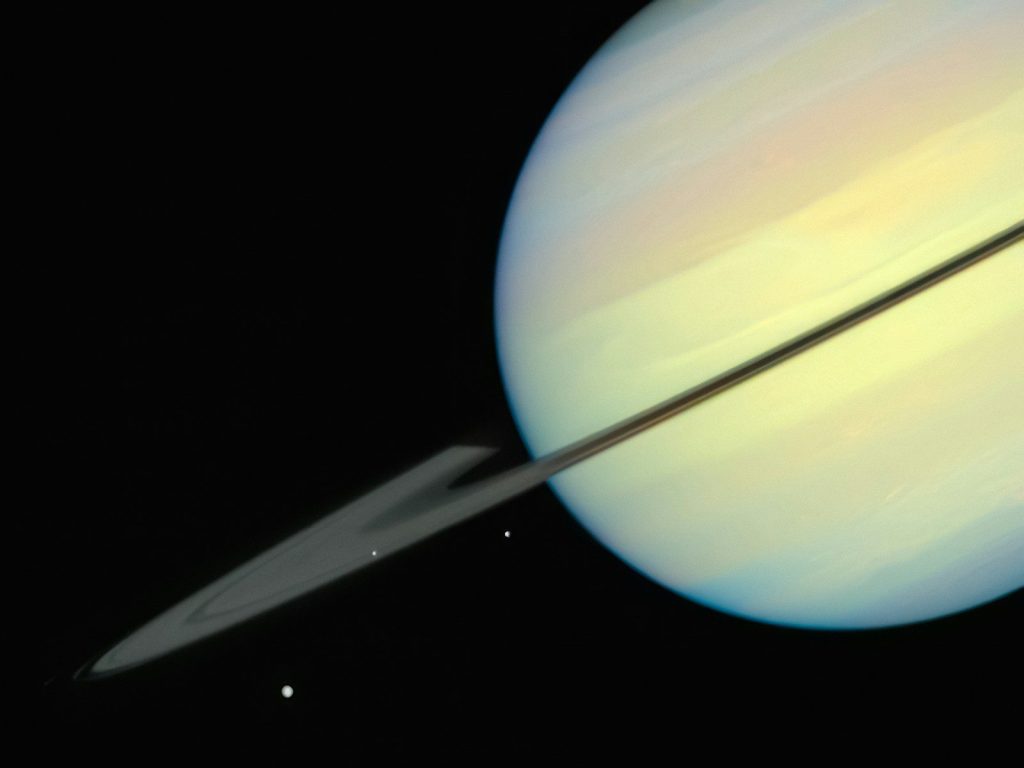
Space agencies are already drafting plans to return to Uranus with advanced orbital probes. These plans are moving quickly. According to reports from the National Academies of Sciences, a dedicated Uranus mission is currently a top priority for the next decade. Scientists hope to launch a probe that can sample these icy plumes directly. But the journey across the solar system is incredibly daunting.
Rewriting The Habitable Zone

If these freezing moons hold oceans, life could exist almost anywhere in the universe. Space is full of surprises. According to planetary scientists, the discovery suggests that ice giants are excellent places to hunt for alien biology. The icy edge of our solar system is no longer ignored. This article is for informational purposes only.
Featured Image: Photo by Zelch Csaba on Pexels
Leave a Reply