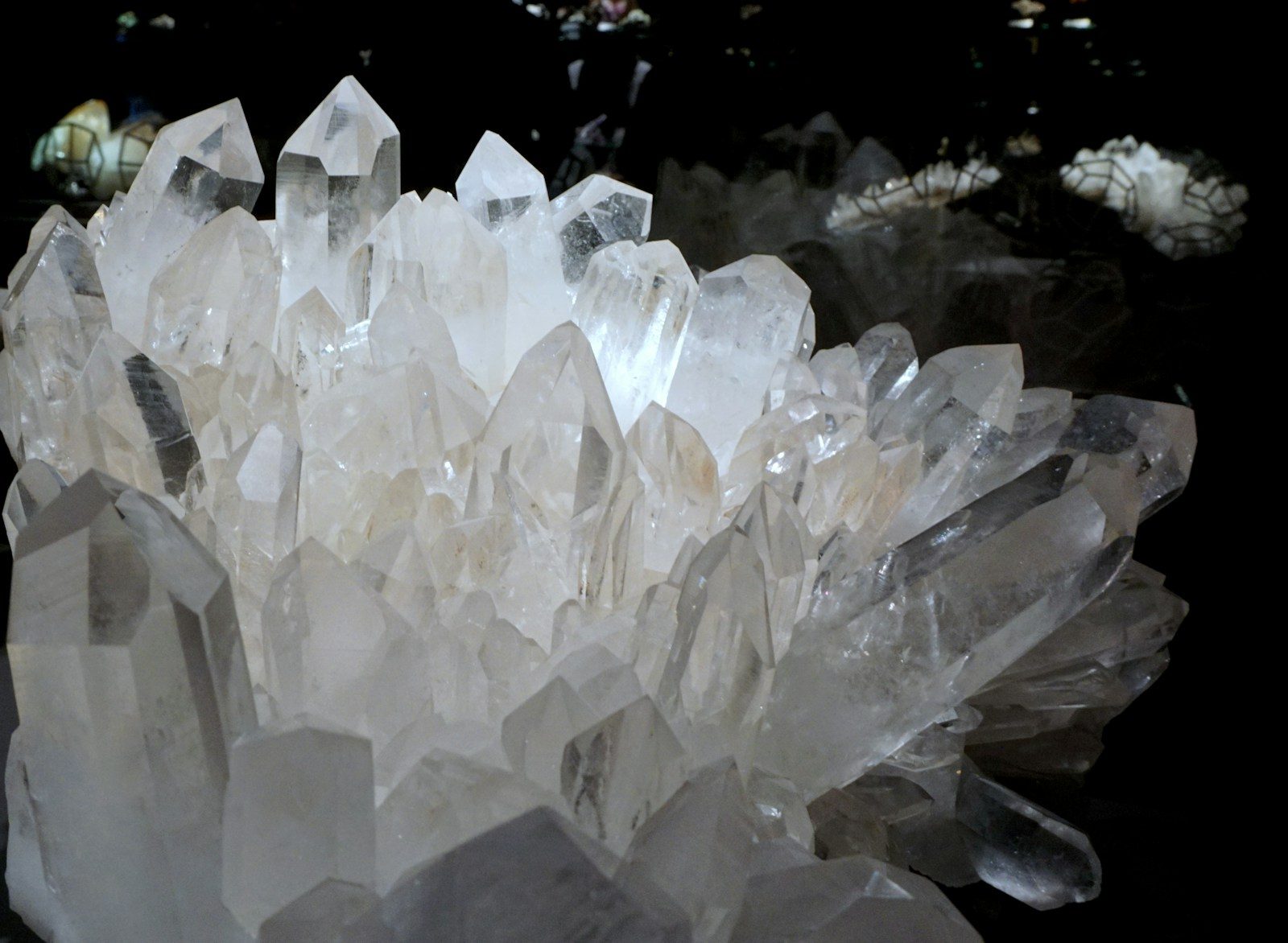
Most historians assume that ancient humans only gathered objects directly related to their survival. We believe early hunter-gatherers spent every waking hour searching for food and basic tools.
But prehistoric dig sites are filled with useless, dazzling quartz crystals that served absolutely no physical purpose. Scientists are finally beginning to understand why these stones held such immense power over us.
Uncovering Prehistoric Treasures
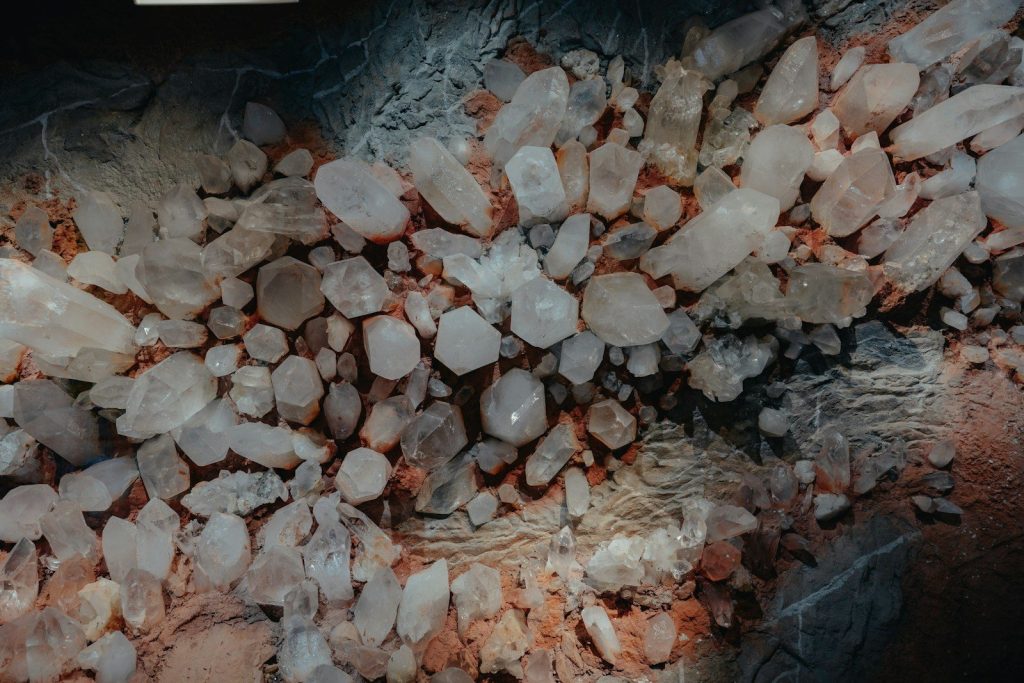
Deep inside ancient caves, archaeologists routinely find collections of beautiful translucent rocks. These objects were carefully transported. According to a study published in the Journal of Archaeological Science, hominins were gathering crystals nearly a million years ago. These early humans took great risks to retrieve the stones. But their deep obsession goes far beyond a simple appreciation for pretty objects.
The Spark Of Human Curiosity
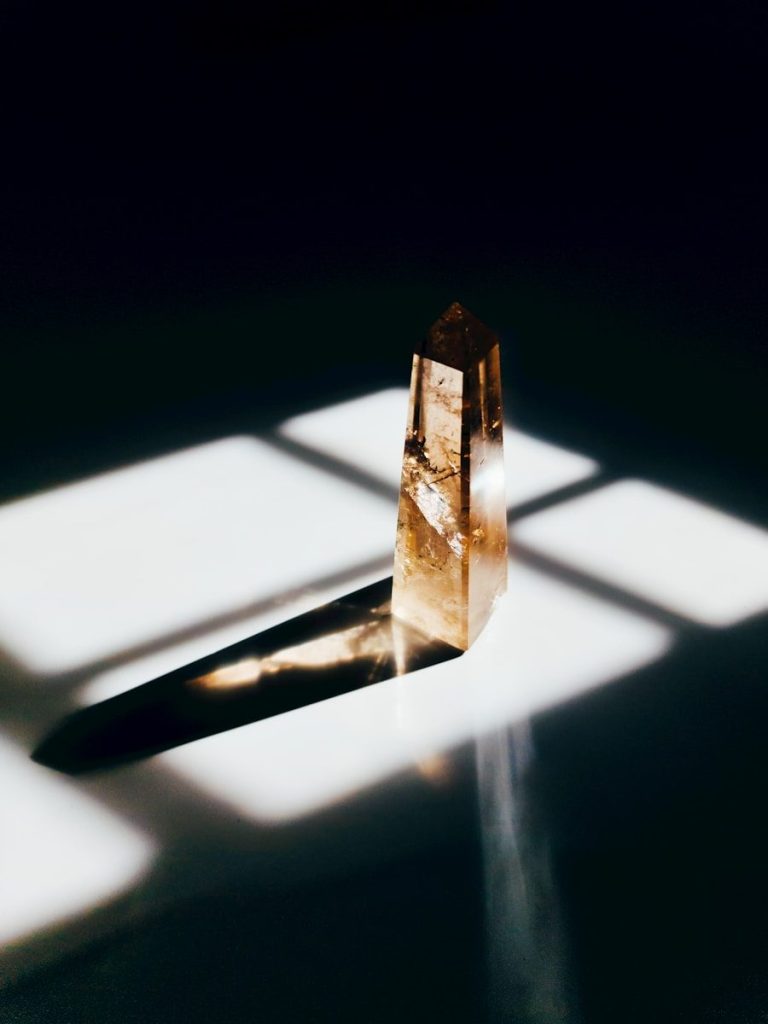
Unlike common river rocks, crystal structures reflect light in mesmerizing patterns. This visual effect was completely unique. According to anthropologists at the University of Colorado, our ancestors possessed a highly developed sense of aesthetic wonder that influenced their evolutionary path. They sought out novelty. But this visual obsession was actually triggering a critical physical change inside the human brain.
Rewiring Our Visual Brains

The human eye is naturally drawn to sharp lines and symmetrical patterns. This bias is hardwired. According to neuroscientists writing in Nature, looking at geometric shapes triggers a pleasant rush of dopamine in the temporal lobe. Crystals provided our ancestors with their very first encounter with perfect geometry. This visual training was essential. Yet these glowing stones were destined to serve an even greater cultural role.
The Birth Of Abstract Thought

Long before written language existed, humans needed ways to represent complex concepts. Crystals became the ultimate tools. According to research from the University of the Witwatersrand, collecting non-functional objects marks the exact moment humans began thinking symbolically. These stones represented the unseen world. But this symbolic behavior was about to spread across the entire globe.
A Worldwide Crystal Craze
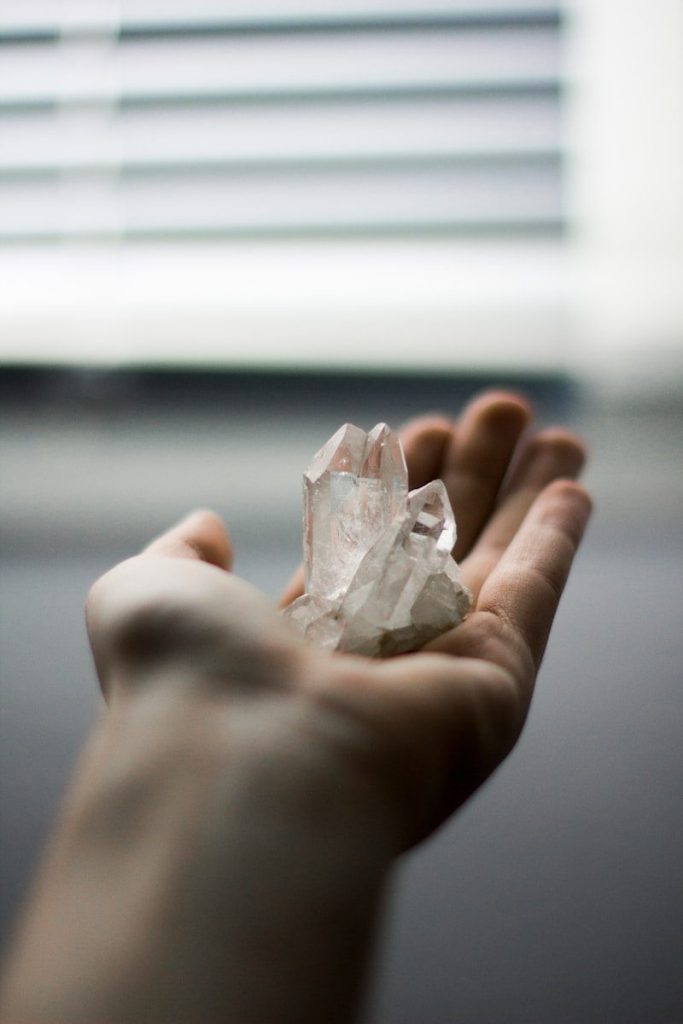
From the deserts of Africa to the caves of Europe, ancient tribes gathered the exact same minerals. This behavior was universal. According to archaeological records, quartz crystals are the most common non-utilitarian artifacts found in early human sites. The consistency is remarkable. But this global habit suggests these stones had a very specific use during tribal gatherings.
The Earliest Shamanic Rituals

Many indigenous cultures integrated transparent stones into their spiritual practices. They believed the rocks held spirits. According to studies in the Oxford Journal of Archaeology, shamanic traditions frequently used quartz to represent clean water or divine light. The stones were sacred. But historians are now discovering that these ancient rituals had a direct impact on our survival.
Strengthening The Tribal Bond

Collecting and sharing crystals helped small groups of early humans form strong social connections. They built mutual trust. According to evolutionary biologists, shared aesthetic values allowed early humans to cooperate with rival tribes. These alliances saved lives during times of famine. But this ancient love for shiny structures still influences our modern lives today.
Our Unbroken Shiny Obsession
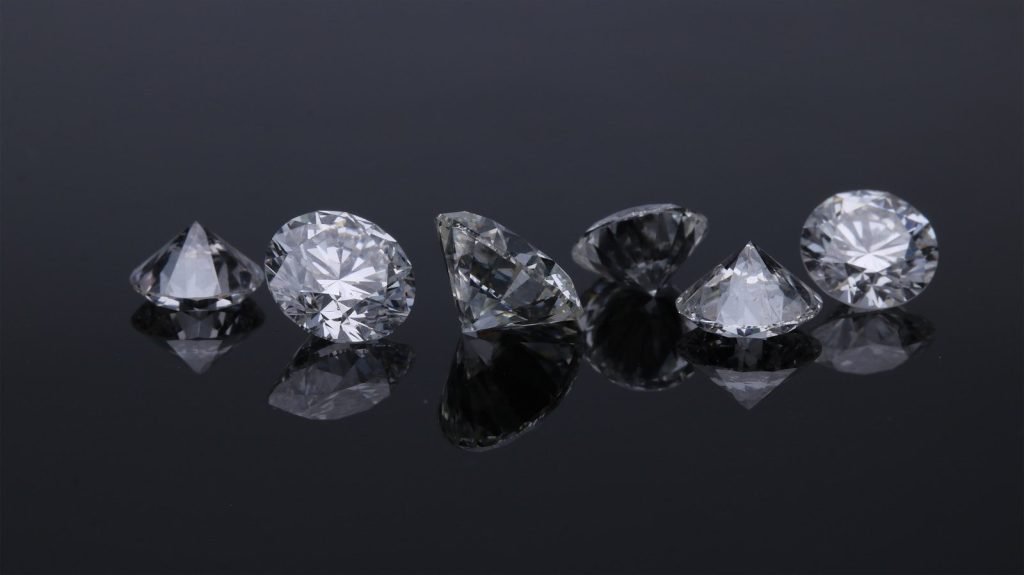
Now, we still place immense value on diamonds and rare gems. Our brains have not changed. According to psychologists at Harvard University, our modern desire for jewelry is a direct continuation of our ancestors’ ancient habits. We are still chasing the same wonder. This article is for informational purposes only.
Featured Image: Photo by Andreas Haubold on Unsplash
Leave a Reply