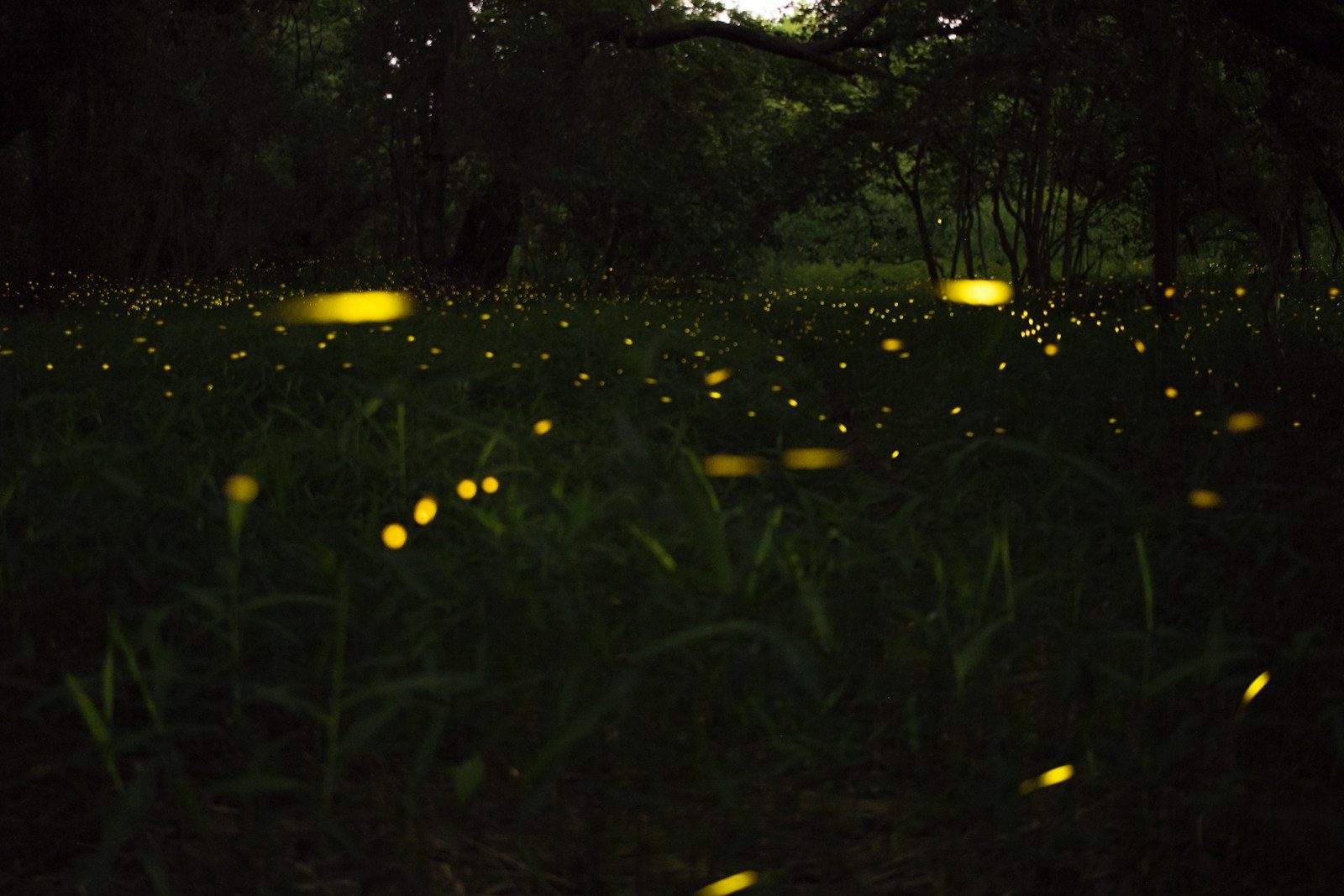
Fireflies can make an ordinary summer night feel magical. One moment the yard is dark, and the next, tiny flashes blink over the grass like floating lanterns. But that glow is not random, and it is not just for show. Fireflies create light through a natural chemical reaction inside special organs in their abdomens.
Scientists call this bioluminescence. It involves luciferin, luciferase, oxygen, and ATP, the same energy-carrying molecule cells use for work. Fireflies also use their flashes to send signals, attract mates, and sometimes warn predators. Their glow is beautiful, but it also plays a real role in survival. Researchers and conservation groups also warn that habitat loss, pesticides, and artificial light can make life harder for these glowing insects.
Their glow is chemistry
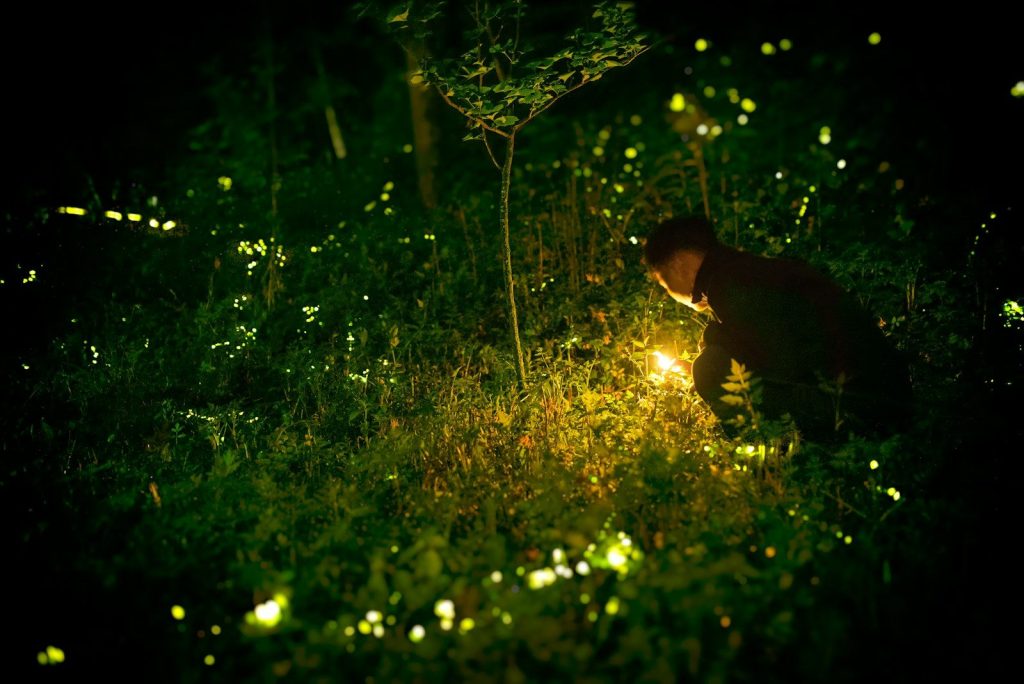
A firefly’s light starts with a chemical called luciferin. Inside the firefly’s light organ, luciferin reacts with oxygen, ATP, and an enzyme called luciferase.
That reaction releases energy as visible light instead of strong heat. This is why fireflies can glow without burning themselves. It is one of nature’s most famous examples of bioluminescence.
It happens in the abdomen
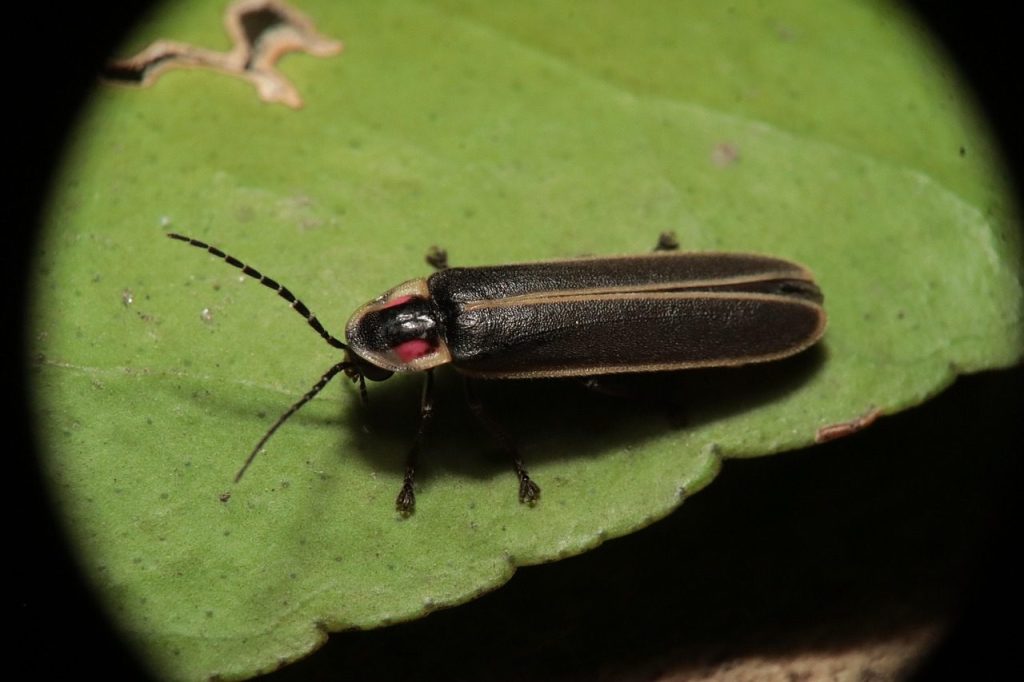
The glow usually comes from special light organs near the firefly’s abdomen. These organs are built to control the light-producing reaction in a careful way.
Fireflies are not glowing from their whole bodies. They are using a small, specialized area that works like a built-in signal lamp. That tiny body part creates the bright flashes people notice at night.
Oxygen helps control flashes
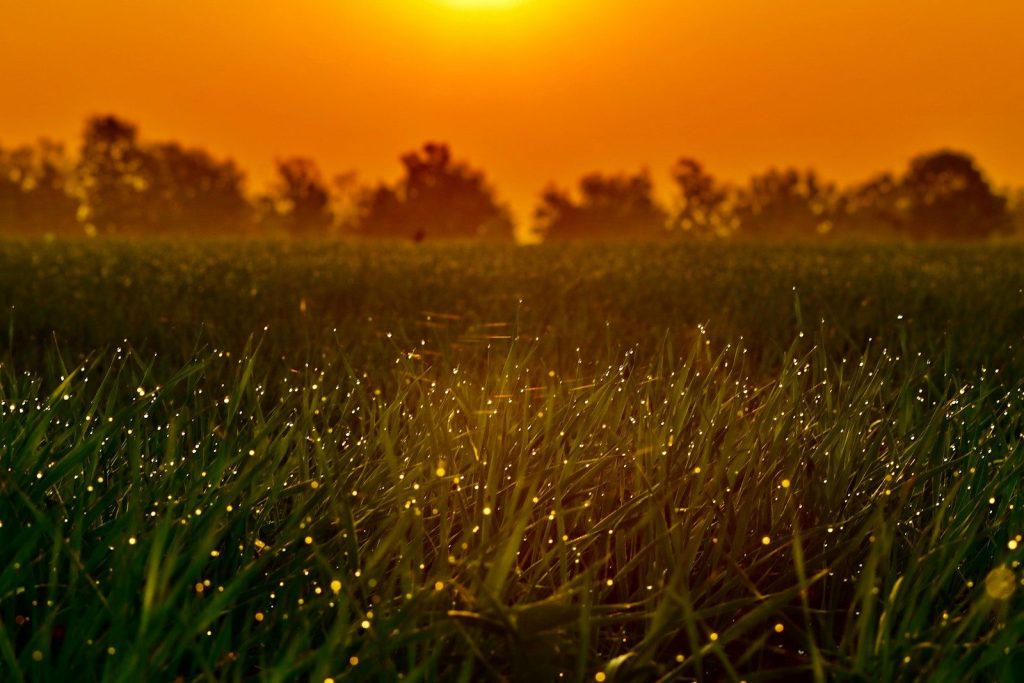
Fireflies can switch their lights on and off by controlling oxygen flow to their light organs. More oxygen helps the reaction glow. Less oxygen slows or stops it.
That control is what makes flashing possible. Instead of shining nonstop like a bulb, many fireflies blink in short patterns. Those patterns can carry useful messages in the dark.
The light stays cool
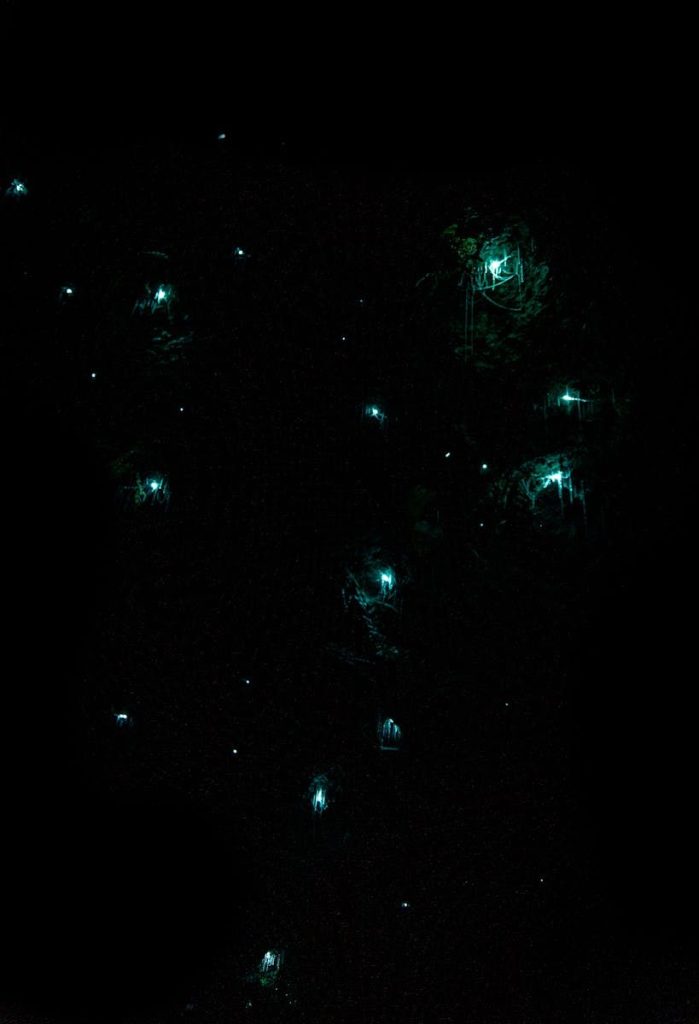
A regular light bulb can waste energy as heat. Firefly light is different because most of the energy becomes light, not warmth.
That is why people often call it “cold light.” The glow looks bright, but it does not feel hot like a tiny flame. It is a smart natural system that works safely inside a small insect.
Flashes help them communicate
Fireflies use light to find and recognize each other. In many species, males flash while flying, and females answer from grass, leaves, or low plants.
Each species can have its own timing and pattern. That helps the right fireflies connect in the same area without every flash meaning the same thing.
Larvae can glow too
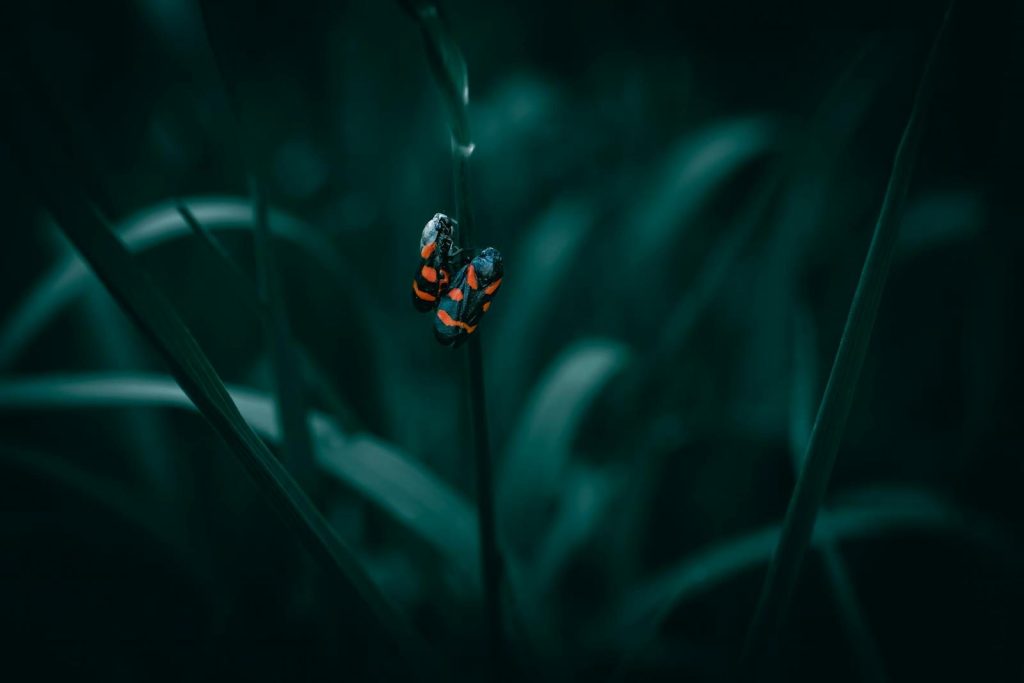
Adult fireflies get most of the attention, but young fireflies can glow as well. Firefly larvae are often called glowworms, and their light can serve a different purpose.
Scientists believe larval glow may warn predators that they are not a good snack. In other words, the light can act like a tiny “leave me alone” sign.
Colors can vary
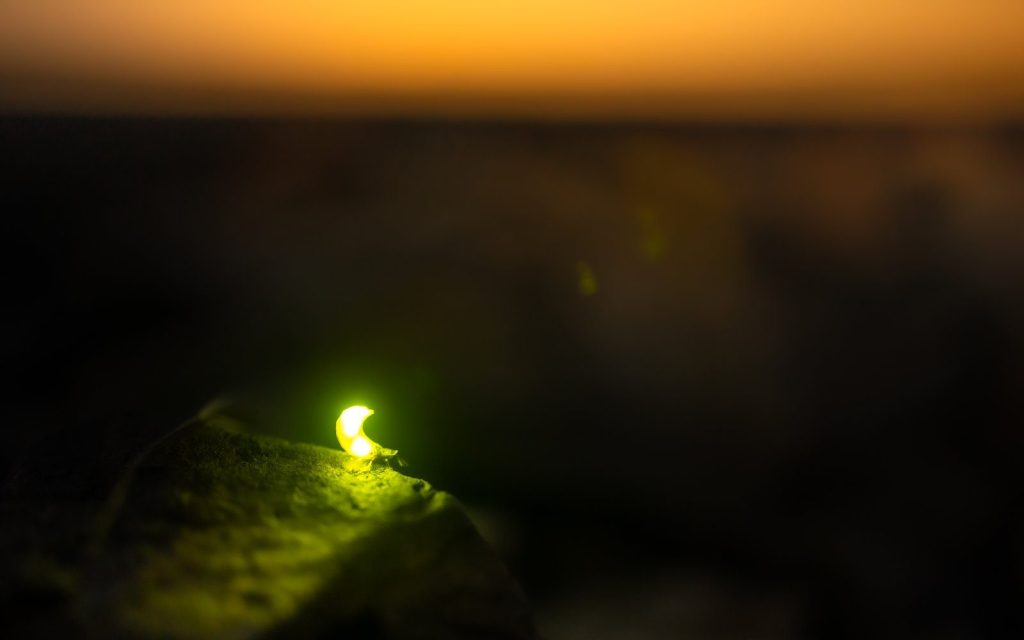
Not every firefly glow looks exactly the same. Depending on the species and chemical details, firefly light can appear yellow, green, or orange.
Those color differences are part of what makes fireflies so interesting. To us, the flashes may all look like summer sparkle. To fireflies, the exact color and timing can help carry important signals.
Darkness makes signals clearer
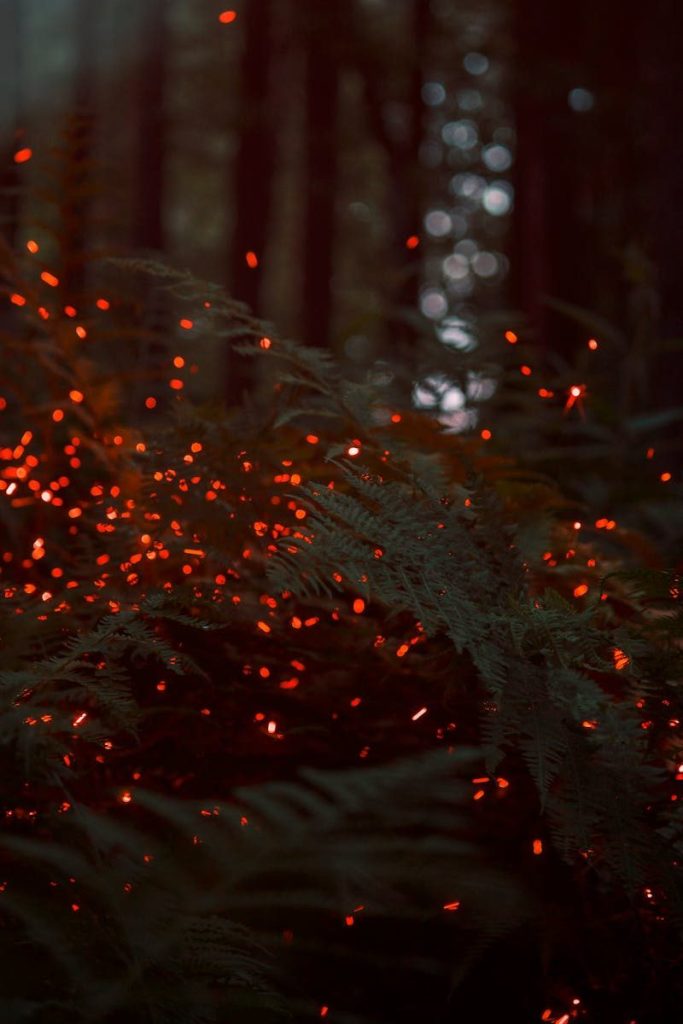
Fireflies depend on dark spaces to make their flashes easy to see. Streetlights, porch lights, and bright outdoor lighting can make those signals harder to notice.
That does not mean people must live in total darkness. Simple steps like turning off extra lights, closing blinds, or using softer outdoor lighting can help fireflies communicate more easily.
Habitats matter a lot
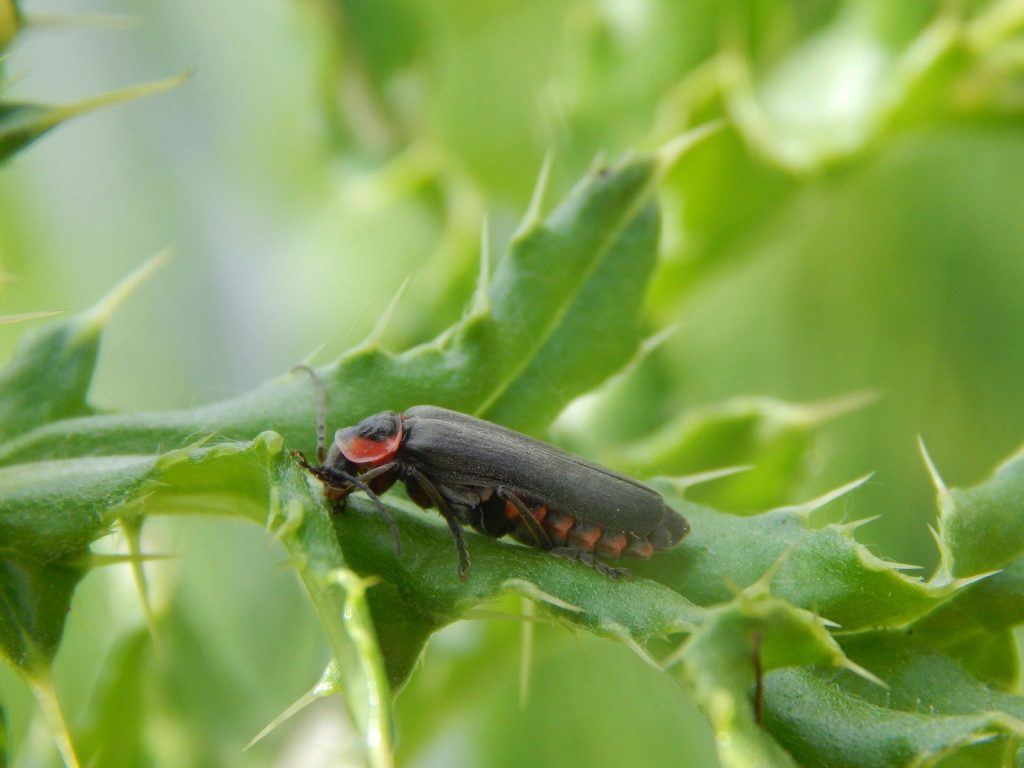
Fireflies often do best in damp, leafy, grassy places where they can find food, shelter, and safe spots to rest. Yards that are too tidy may offer fewer hiding places.
Leaving some leaf litter, reducing pesticide use, and protecting moist areas can make outdoor spaces friendlier for them. Small choices can help these insects keep lighting up summer nights.
Their glow is survival
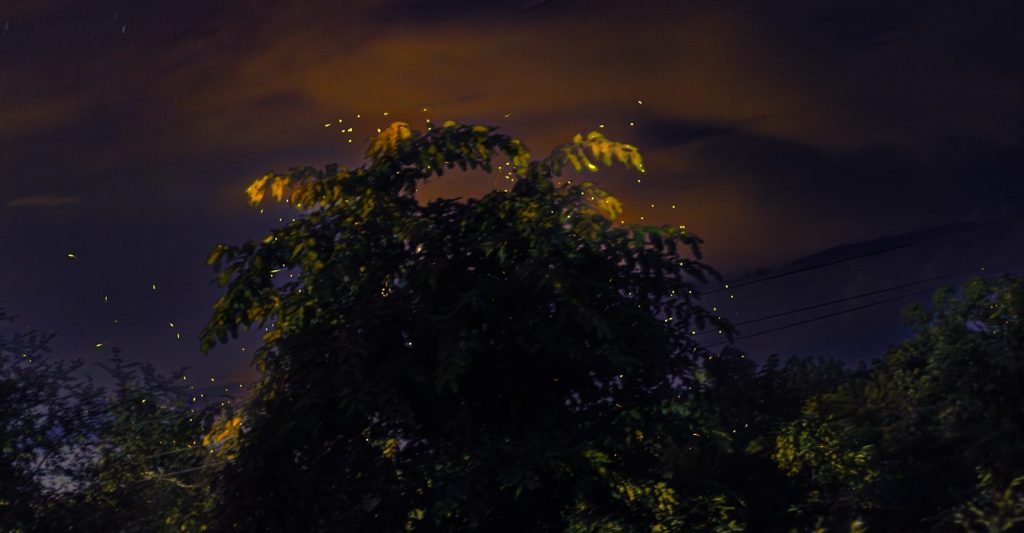
Fireflies may look like tiny decorations, but their glow is practical. It helps them signal, survive, and continue their life cycle in the right habitat.
That is what makes the glow so special. It is not just pretty light in the dark. It is chemistry, communication, protection, and nature’s design all blinking together in one small lantern.
Leave a Reply