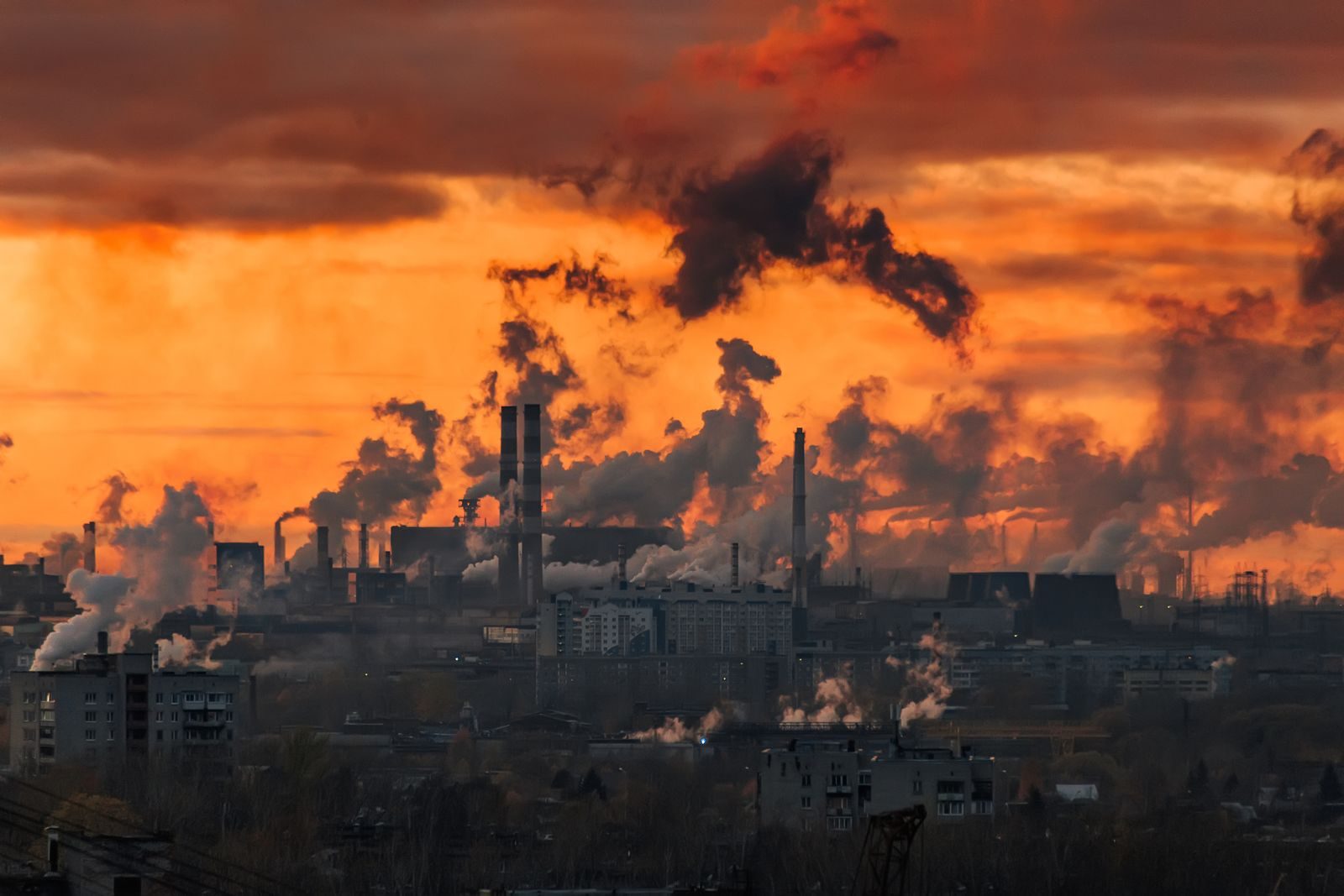
Most people assume that global warming will only cause slightly warmer summers and rising tides. We believe our modern cities can easily air-condition their way through any heatwave.
But advanced climate models reveal that massive regions of the planet will soon become physically uninhabitable for humans. The combination of heat and humidity is reaching a deadly biological limit.
The Wet Bulb Temperature Limit
Humans cannot survive when the air is both extremely hot and highly humid. Biology has a ceiling. According to atmospheric research from NASA, a wet-bulb temperature of thirty-five degrees Celsius makes it impossible for the human body to cool itself through sweating. Without cooling, organ failure can occur in just a few hours. But this lethal threshold is already appearing in unexpected parts of the world.
Death Valley Conditions Moving South
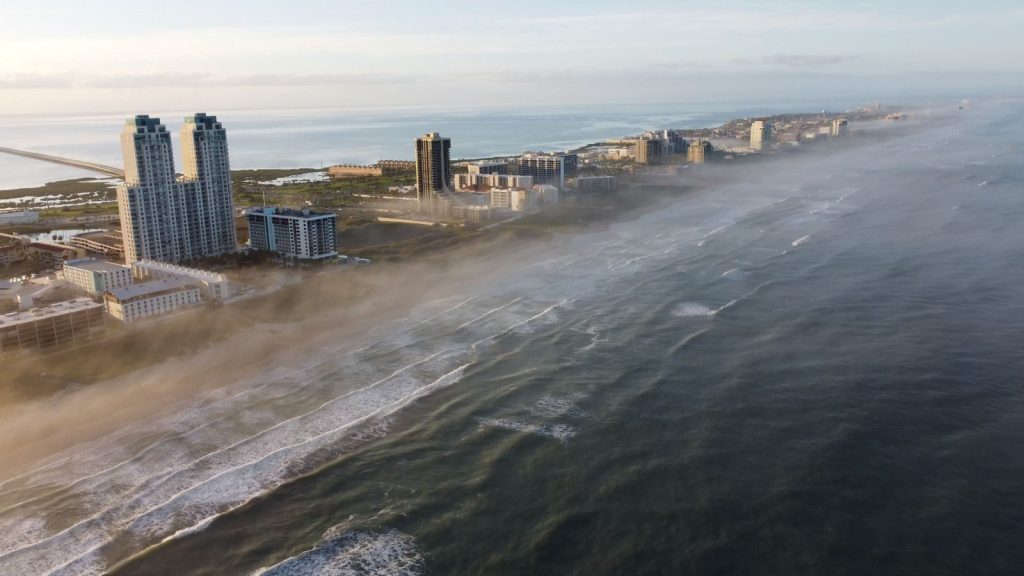
The southern regions of the United States are facing unprecedented summer heat index levels. The climate is shifting. According to reports from the National Oceanic and Atmospheric Administration, areas across the Gulf Coast are seeing humidity and heat combinations that approach critical survival limits. These extreme spikes threaten to make normal outdoor work impossible during summer months. But another massive continent faces an even more immediate crisis.
The Scorching Middle East Cities
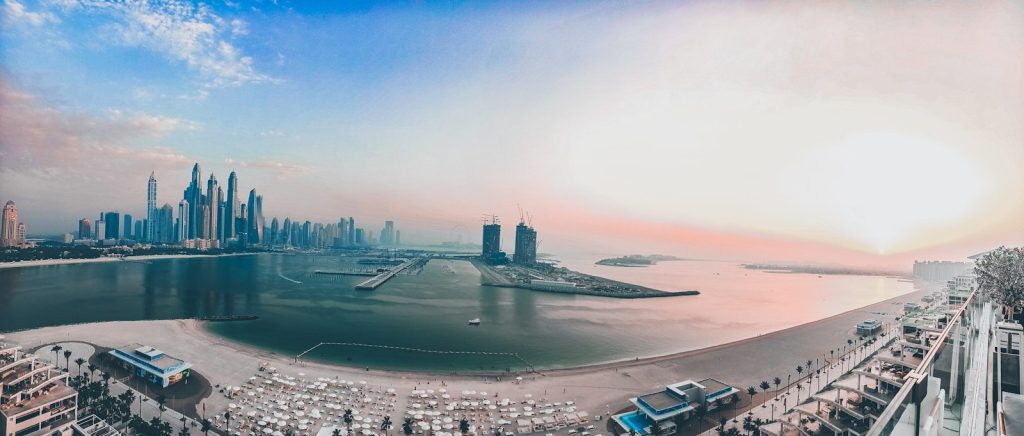
Metropolitan areas across the Persian Gulf are already experiencing temperatures that challenge human biology. The heat is stifling. According to climate studies from the Massachusetts Institute of Technology, major coastal cities in the region could face regular, uninhabitable heatwaves before the end of the century. Living there without constant power grids will become impossible. But this environmental pressure is triggering a massive migration threat.
Millions Forced To Leave Home
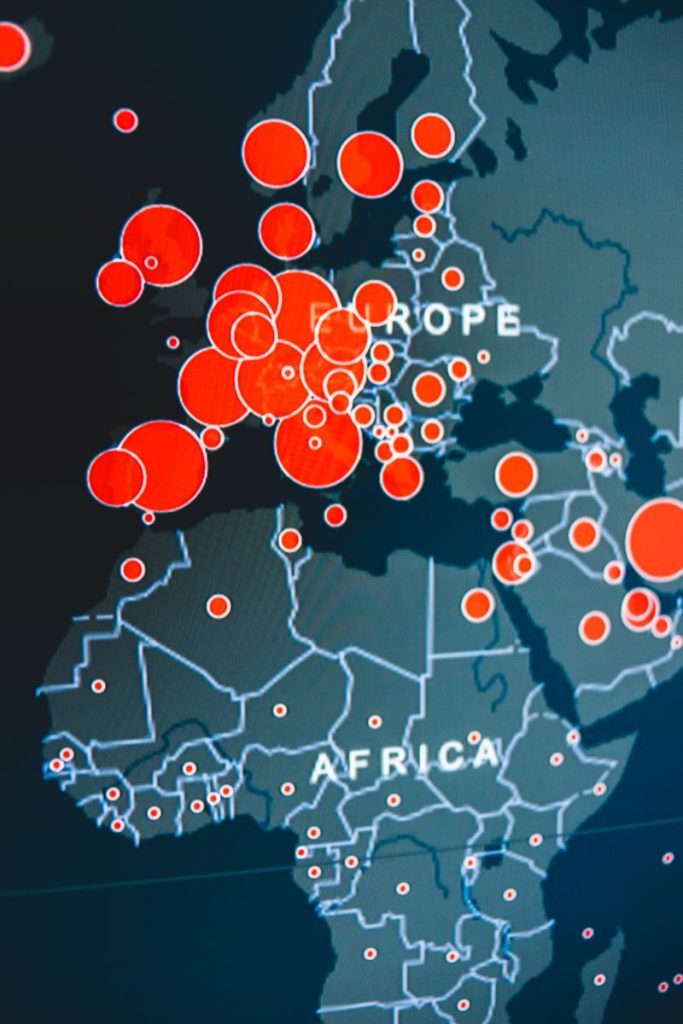
Uninhabitable temperatures will eventually force entire populations to flee northward in search of cooler climates. A massive exodus is coming. According to migration forecasts from the United Nations, extreme heat could displace over one billion people by the year twenty-seventy. This unprecedented movement of human beings will strain global resources and reshape national borders. But the agricultural impact might destroy our food supply first.
Croplands Turning Into Bare Deserts
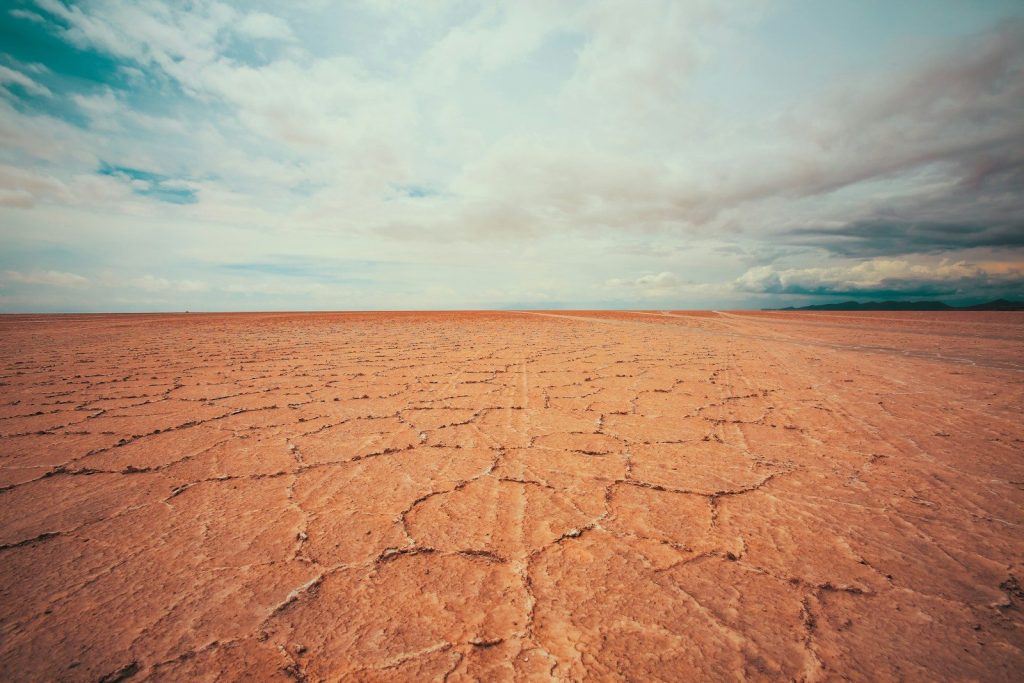
The fertile areas that currently feed the world are slowly drying up under intense thermal stress. Food security is failing. According to agricultural reports from the Food and Agriculture Organization, rising temperatures are depleting groundwater reserves and destroying traditional crop yields. Without water, these vital regions will transition into barren sand. But some cities are trying to build creative ways to survive.
Building Underground Sanctuary Cities
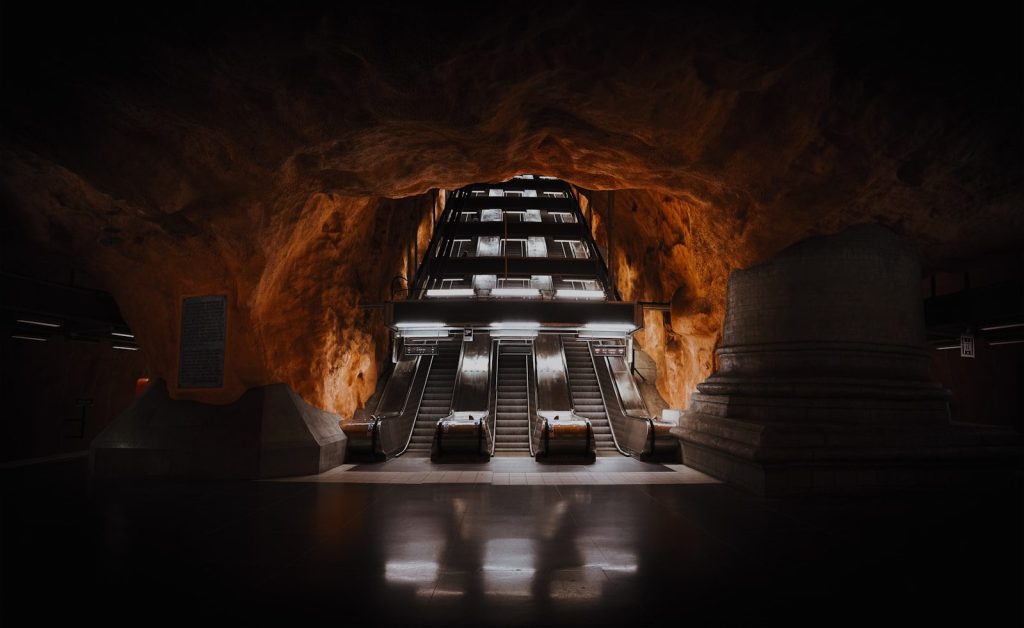
Architects are designing futuristic subterranean communities to escape the unbearable surface heat. Innovation is our shield. According to urban planning studies from the University of Arizona, building homes underground utilizes the natural insulating properties of the earth to maintain safe temperatures. This radical design style could become the only way to inhabit desert regions. But this technological solution comes with major social and psychological costs.
Restoring The Balance Of Nature
Adapting to a hotter planet requires a massive global effort to restore our natural climate buffers. We must act quickly. According to international climate reports, planting massive urban forests and reducing global carbon output are our best hopes to keep cities livable. Protecting our environment is the ultimate key to human survival. This article is for informational purposes only.
Featured Image: Photo by Антон Хаткевич on Pexels
Leave a Reply