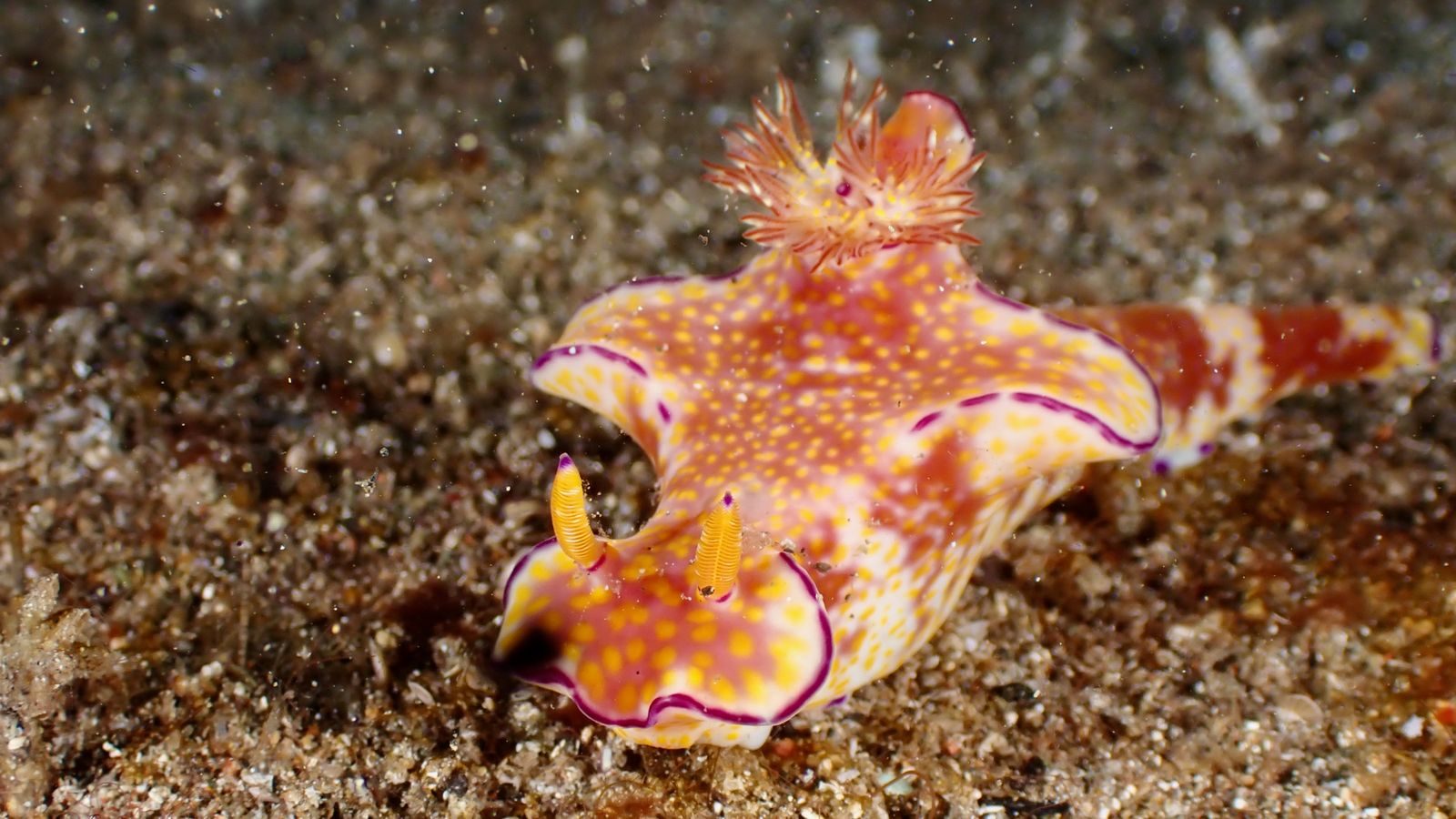
We are taught that only plants can harvest energy directly from the sun. We believe that animals must always consume other organisms to survive.
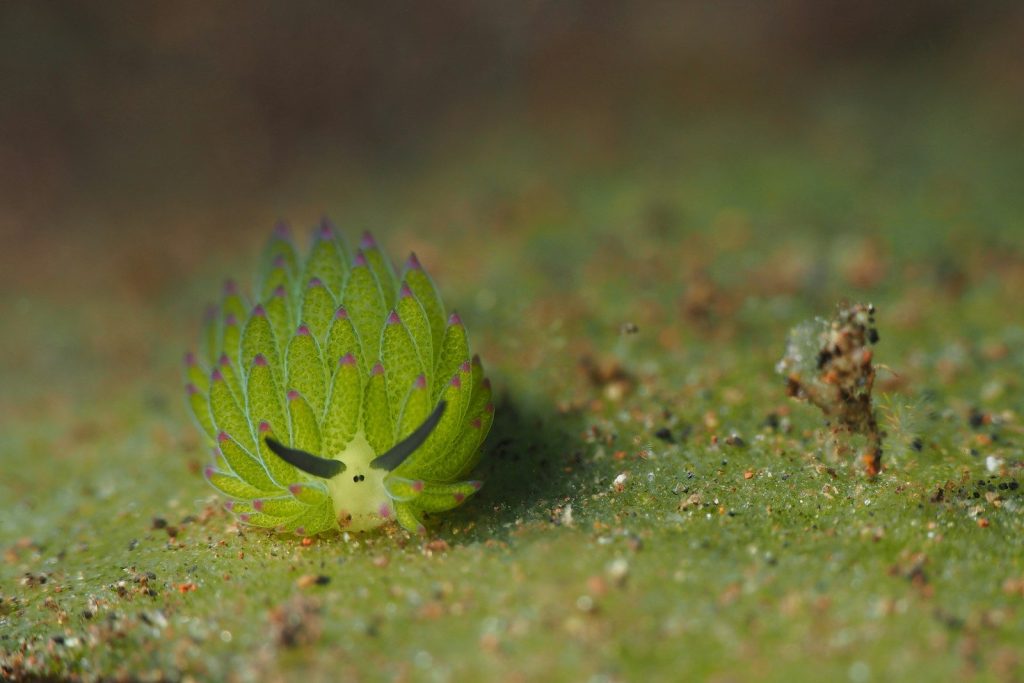
But a bizarre ocean creature is completely breaking the laws of evolutionary biology. This tiny slug actually hijacks solar power to live without eating.
The Green Theft In Ocean Shallows
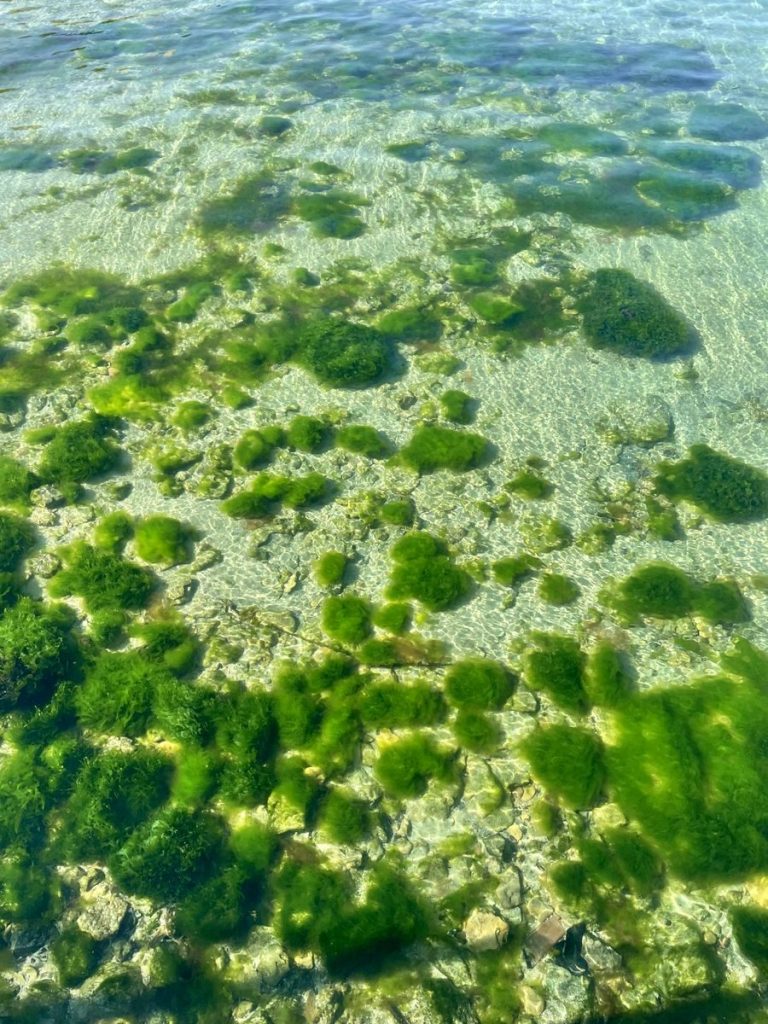
A bright green sea slug living in coastal waters performs a mind-bending biological trick. It is a master thief. According to marine biology studies from Rutgers University, this creature eats green algae but does not digest the plant cells completely. Instead, it carefully harvests the solar-powered components inside them. But how the slug keeps these stolen plant parts alive is a true scientific mystery.
Keeping Stolen Solar Cells Alive
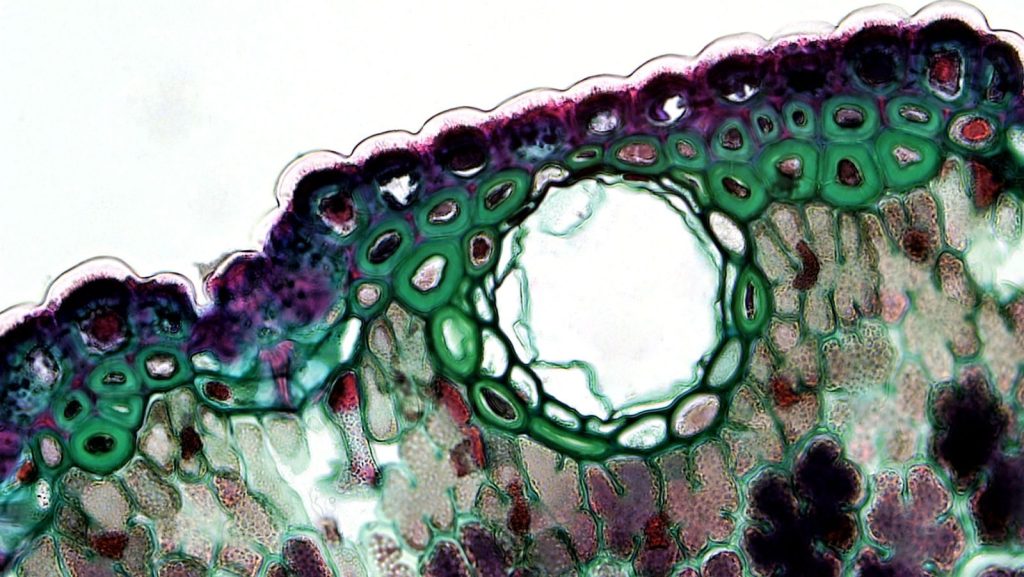
Normally, animal cells would instantly destroy plant parts as foreign invaders. The slug is different. According to cellular research from the University of Maine, the sea slug modifies its own immune system to protect these stolen solar generators. It keeps them functioning inside its own body for months. But this biological theft requires more than just keeping the cells safe.
Stealing Plant Genes For Repair
To keep the solar cells working, the slug must constantly repair them using plant-like proteins. This process seems impossible. According to genetic analysis from the University of South Florida, the slug has actually absorbed plant genes directly into its own animal DNA. This is a rare genetic merging of two different kingdoms of life. But this incredible solar setup allows the slug to perform a bizarre survival stunt.
Surviving On Nothing But Sunlight
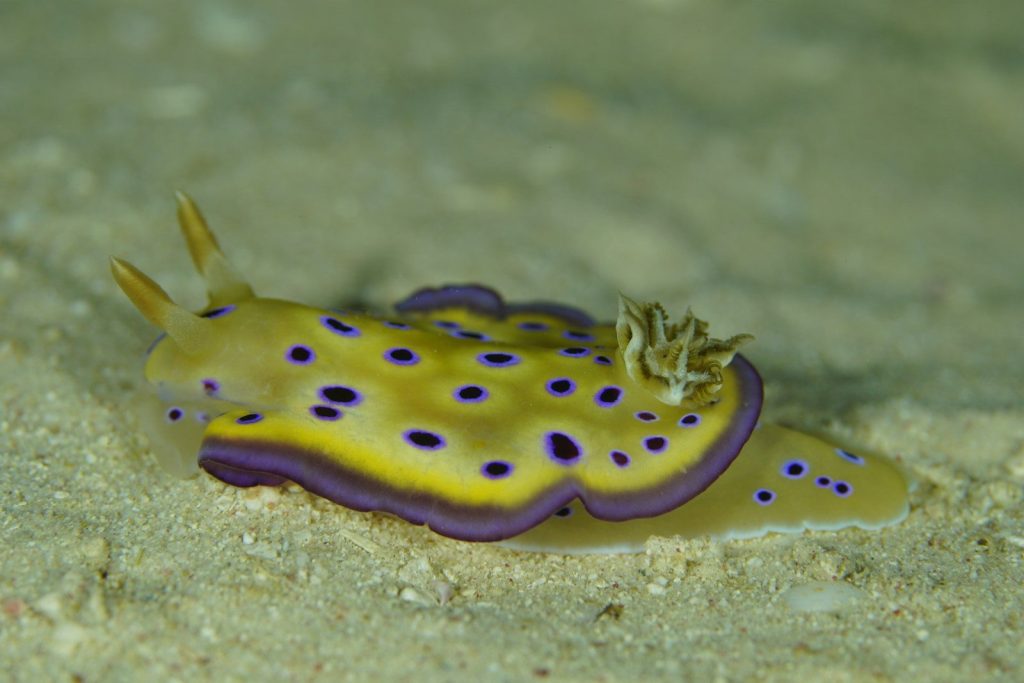
When food is scarce, the solar-powered slug simply basks in the sun to generate its own nutrients. It ignores starvation. According to physiological experiments from the Marine Biological Laboratory, these creatures can survive for over nine months without eating a single meal. They behave exactly like living leaves. But this extreme survival strategy is not the slug’s only bizarre superpower.
The Disembodied Crawling Head
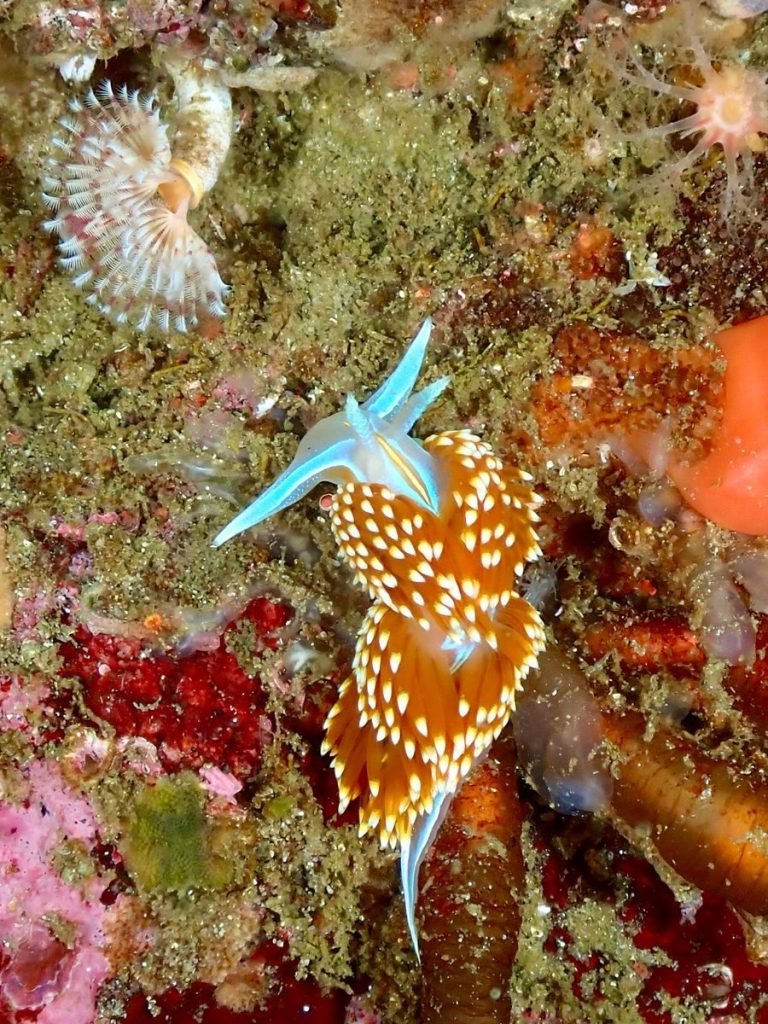
When infected with parasites, this extreme creature can detach its entire head from its body. It drops everything. According to behavioral reports from Nara Women University, the severed head can crawl around and survive purely on solar energy. Within a few weeks, the head completely regrows a brand new body. But this intense regenerative power relies heavily on their stolen solar abilities.
Rewriting The Laws Of Evolution
This creature challenges the traditional belief that animal and plant evolution are strictly separated. The boundaries are blurry. According to evolutionary biologists writing for Nature, this species shows that complex genetic traits can cross between wildly different organisms. This process is called horizontal gene transfer. But studying this ocean marvel is opening up futuristic possibilities for human technology.
Solar Power For Human Medicine

Scientists are studying the slug to understand how to make animal tissues tolerate plant cells. This research is revolutionary. According to biotechnological reports from the Salk Institute, mastering this cellular tolerance could help engineers develop solar-powered human skin grafts for medical recovery. The possibilities for future biotechnology are truly endless. But we are only beginning to unlock these organic secrets.
The True Wonder Of Nature
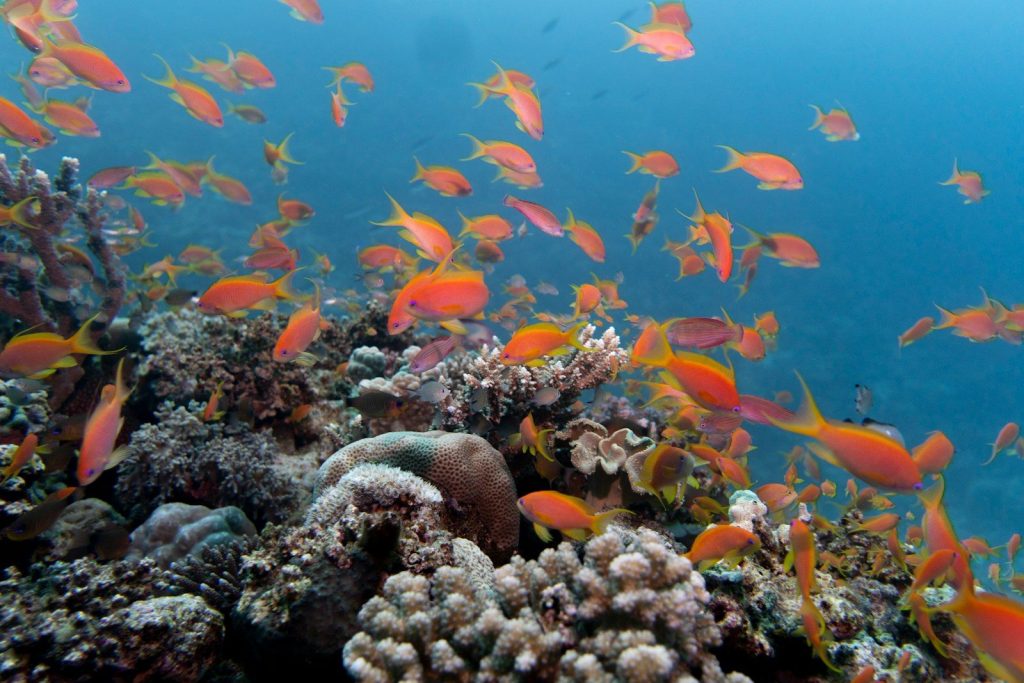
The sun-eating slug proves that life will always find creative ways to adapt and survive. Innovation is everywhere. According to marine ecology reports, preserving these delicate ocean environments is vital to discovering more biological marvels. Nature still holds countless secrets that can change our world. This article is for informational purposes only.
Featured Image: Photo by Chris Spain on Pexels
Leave a Reply