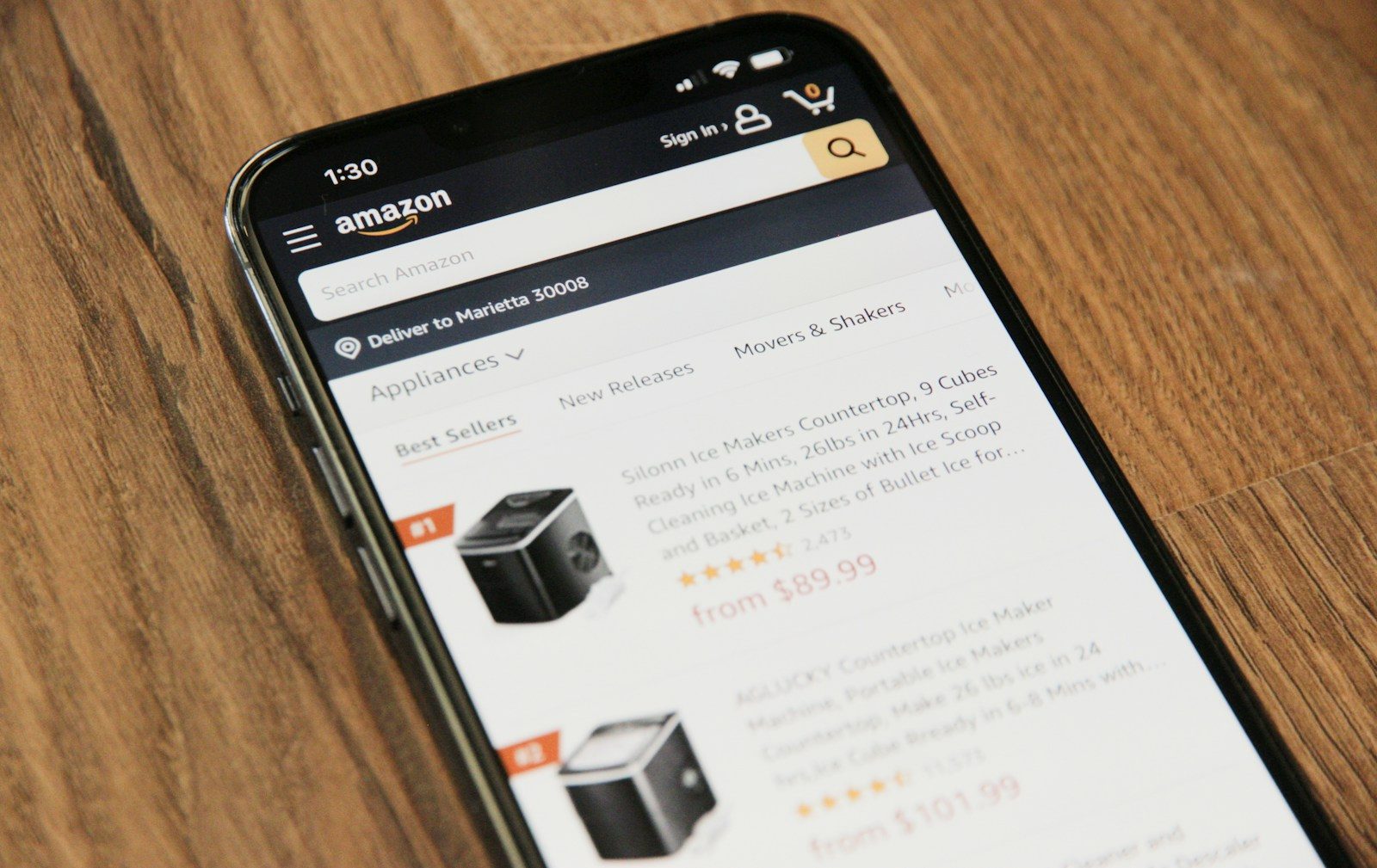
Amazon shopping used to begin with a search box and a long list of results. Now it is starting to feel more like asking someone for help. Amazon has been adding AI tools that can answer product questions, compare options, track prices, suggest items, and even help with shopping from other brand sites.
Its Rufus shopping assistant was built to answer questions inside the Amazon shopping experience, and Amazon recently introduced Alexa for Shopping as a more personalized assistant across the app, website, and Echo Show devices. Amazon says Rufus helped more than 300 million customers in 2025 research, compare, and buy products. That shows how quickly online shopping is shifting from search-and-scroll to ask-and-decide.
Search is becoming conversational
Instead of typing short phrases like “best backpack” or “cheap headphones,” shoppers can ask fuller questions. They can explain what they need, who it is for, and what matters most.
That makes shopping feel less like digging through pages and more like getting guided help. Amazon says Rufus can answer shopping questions, compare products, and make recommendations based on Amazon’s catalog and other sources.
Rufus started the shift
Rufus helped Amazon test the idea of an AI shopping guide inside its own store. It was designed to help customers ask product questions without leaving the shopping app.
That changed the role of the search bar. Instead of only matching keywords, Amazon could help shoppers understand choices, compare features, and narrow down options using plain language.
Alexa is joining shopping
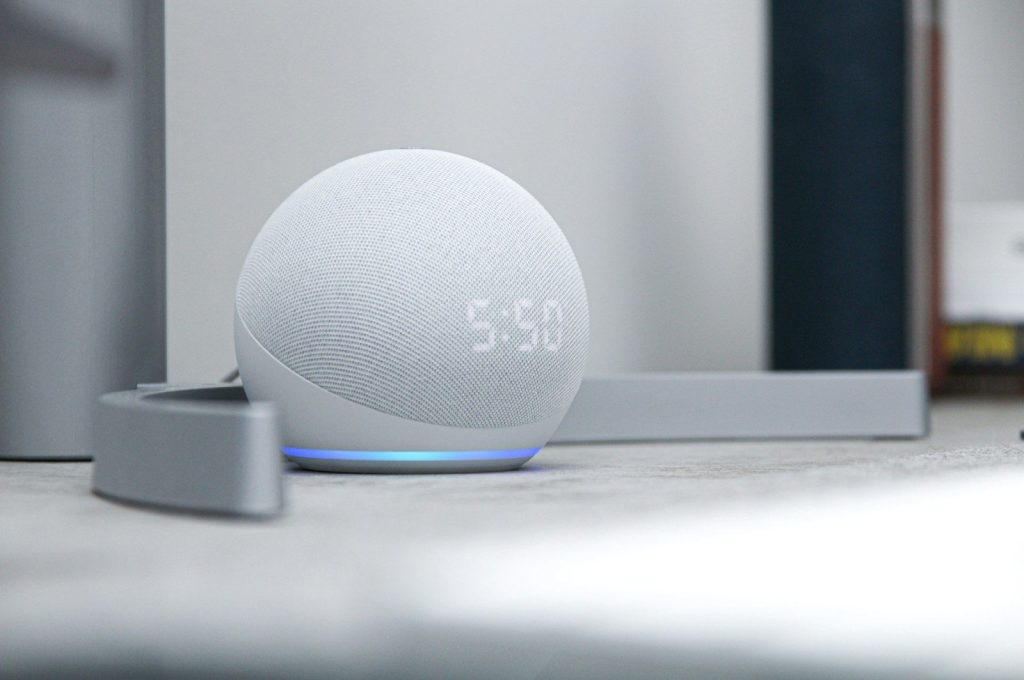
Amazon’s newer Alexa for Shopping brings Rufus-style help together with Alexa’s assistant features. Amazon says it works across the shopping app, Amazon.com, and Echo Show devices.
That matters because shopping may not stay limited to one screen. A customer could research on a phone, check a reminder on a smart display, and keep the same shopping context moving.
Comparisons can get easier
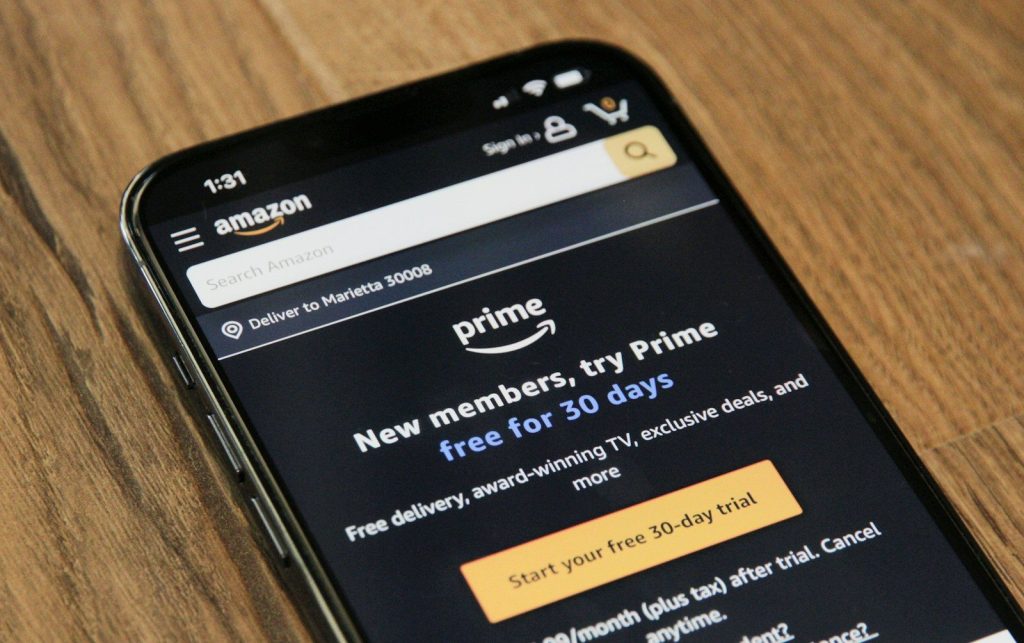
Choosing between similar products can be tiring. Shoppers often open many tabs, read reviews, check specs, and wonder which small difference actually matters.
AI shopping tools can turn that messy process into a clearer comparison. Amazon says its assistant can help customers research and compare products, which may save time when categories are crowded with nearly identical-looking options.
Price tracking feels helpful

Amazon is also making shopping feel more proactive. Reports on Alexa for Shopping describe tools that can monitor price drops and help shoppers find better timing for a purchase.
That can make the experience feel more like a helper watching the shelf for you. Instead of checking the same item again and again, shoppers may be able to set a goal and wait for an alert.
Lists may become smarter
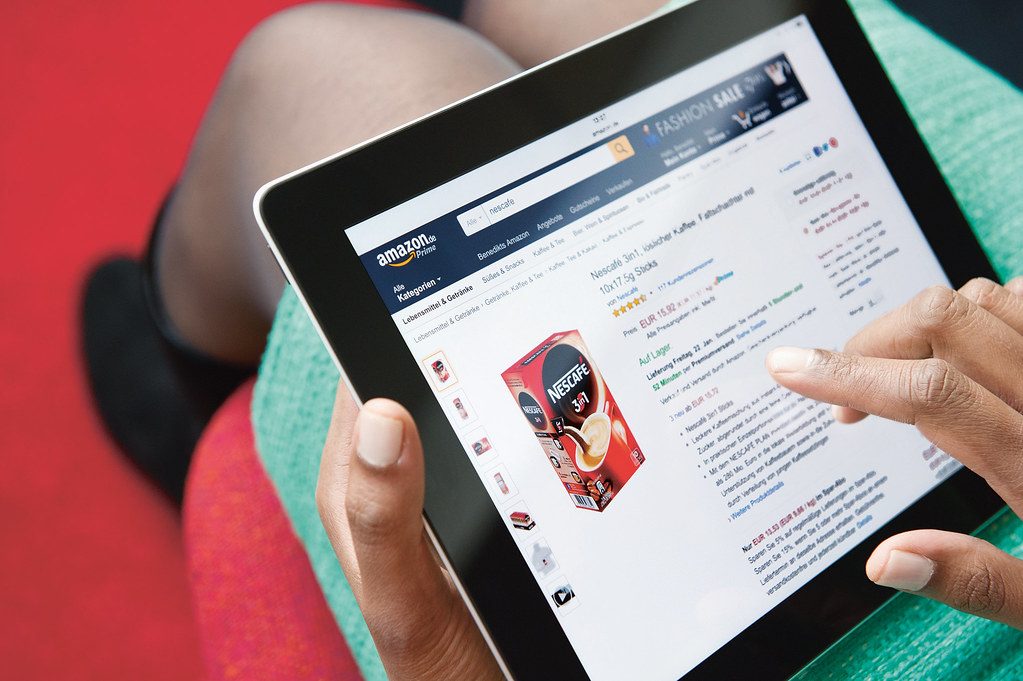
Shopping lists are also getting more useful. Amazon has described AI features that can handle more specific needs, like searching by event, purpose, activity, or a handwritten grocery list.
That could help busy shoppers move faster. A person planning a school project, family trip, or weekly grocery run may not need to type every exact item if the assistant can understand the larger task.
Visual search adds another path

Sometimes shoppers do not know the name of what they want. They may see a lamp, bag, tool, or kitchen item and want something similar.
Amazon’s Lens Live feature uses real-time visual search in the shopping app. Reports say it can identify items through the phone camera, show similar products, and connect with Rufus for summaries and questions.
Shopping may go beyond Amazon

Amazon’s Buy for Me feature shows another direction. Amazon says the feature can help customers discover and buy select products from other brand sites when those items are not sold in Amazon’s store.
That makes Amazon feel less like one store and more like a shopping hub. The feature is still limited, but it points toward assistants that help complete more of the buying journey.
Personalization is the goal

A personal assistant is useful because it remembers what matters. Amazon’s AI shopping push is heading in that direction, with tools that can respond to needs, habits, lists, prices, and product preferences.
That does not mean shoppers should stop checking details. Reviews, return policies, prices, and product pages still matter. But the first step may feel less like searching and more like asking.
The cart may feel guided

The biggest change is not one single feature. It is the way search, recommendations, lists, reviews, price tracking, visual search, and voice help are starting to blend together.
For shoppers, that could mean fewer dead ends and faster decisions. For Amazon, it means the shopping trip starts earlier, feels more personal, and may continue across more devices than before.
Leave a Reply