
Searching online used to mean typing a few words, opening several blue links, and piecing together the answer yourself. AI search is changing that routine. Instead of only showing a list of pages, tools like Google AI Overviews, Google AI Mode, and Bing Generative Search can summarize information, answer follow-up questions, and point users toward related links in one place.
Google says AI Overviews are meant to give a snapshot with key information and links to learn more, while AI Mode supports longer questions and follow-up exploring. Microsoft describes Bing Generative Search as an AI-powered layout that gives a clear summary along with familiar web links. That shift could make browsing faster, more conversational, and more focused.
Searches may feel more natural

People do not always think in perfect keywords. Sometimes they ask messy questions, compare options, or need help understanding a topic from the beginning.
AI search is built for that kind of behavior. Google says AI Mode lets users ask longer questions and keep going with follow-up questions, which makes searching feel more like a conversation than a one-time query.
Answers may come faster
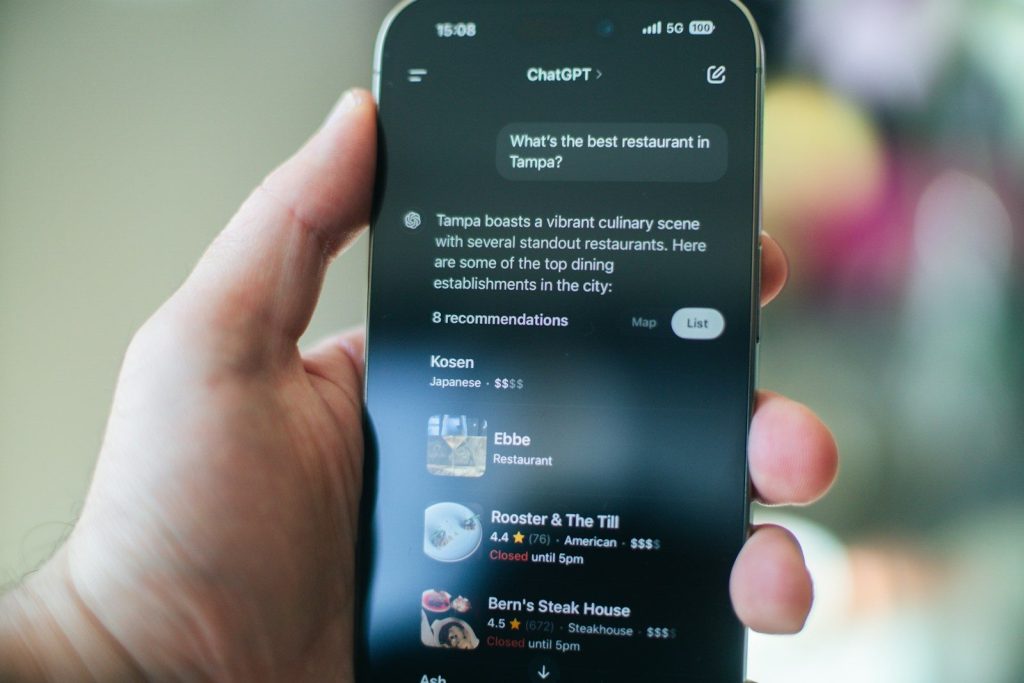
Traditional browsing often means opening several pages before finding the useful part. AI search can shorten that first step by giving a quick summary near the top.
Google says AI Overviews provide an AI-generated snapshot with key information and links to dig deeper. That can help users get a starting answer before deciding which pages to open next.
Follow-ups become easier

A normal search can feel like starting over each time. If your first question leads to a second question, you may need to rewrite the whole search.
AI search changes that pattern. Google’s AI Mode supports follow-up questions, so users can keep narrowing the topic without rebuilding every query from scratch. This could make research feel smoother and less stop-and-start.
Fewer clicks may happen
AI summaries can make browsing quicker, but they may also change how often people click links. If the answer appears on the results page, some users may stop there.
Pew Research Center found that Google users were less likely to click result links when an AI summary appeared compared with searches without one. That could reshape how people move across the web.
Links still matter
AI search does not remove the need for source pages. Users still need links for details, context, examples, updates, and trust checks.
Google says AI Overviews include links so users can explore further, and Microsoft says Bing Generative Search presents an AI summary followed by familiar links. The browsing path may change, but sources are still part of the experience.
Research may get deeper

Some questions need more than one quick answer. Planning a trip, comparing a topic, or learning a new skill can require several smaller searches.
Google says AI Mode uses a technique that breaks a question into subtopics and searches across them at the same time. That may help users explore bigger questions without running many separate searches manually.
Trust checks become important
AI answers can be helpful, but users still need to check where the information comes from. A clean summary is not the same as a fully checked answer.
That is why links, dates, and source names matter. AI search may save time, but careful readers should still open reliable sources when the topic involves health, money, travel, schoolwork, or major decisions.
Shopping may feel guided

AI search could also change how people compare products and services. Instead of searching one feature at a time, users may ask a bigger question about needs, budget, and trade-offs.
Google’s AI Mode page says users can ask for recommendations or help deciding between two products. That points to browsing that feels more like guided research than simple keyword matching.
Publishers may adapt

If more answers appear directly in search, websites may need to rethink how they attract readers. Clear expertise, helpful details, and strong original reporting may matter even more.
Reuters has reported that publishers have raised concerns about Google’s AI Overviews and their effect on web traffic. For readers, this means the web may change behind the scenes as sites adjust.
Browsing becomes more blended
The biggest change may be that search, chat, and browsing start to feel less separate. A user may ask a question, read a summary, open a link, and ask a follow-up without changing tools.
That does not mean traditional search disappears. It means browsing may become more layered, with quick AI help on top and deeper web pages underneath for people who want more detail.
Leave a Reply