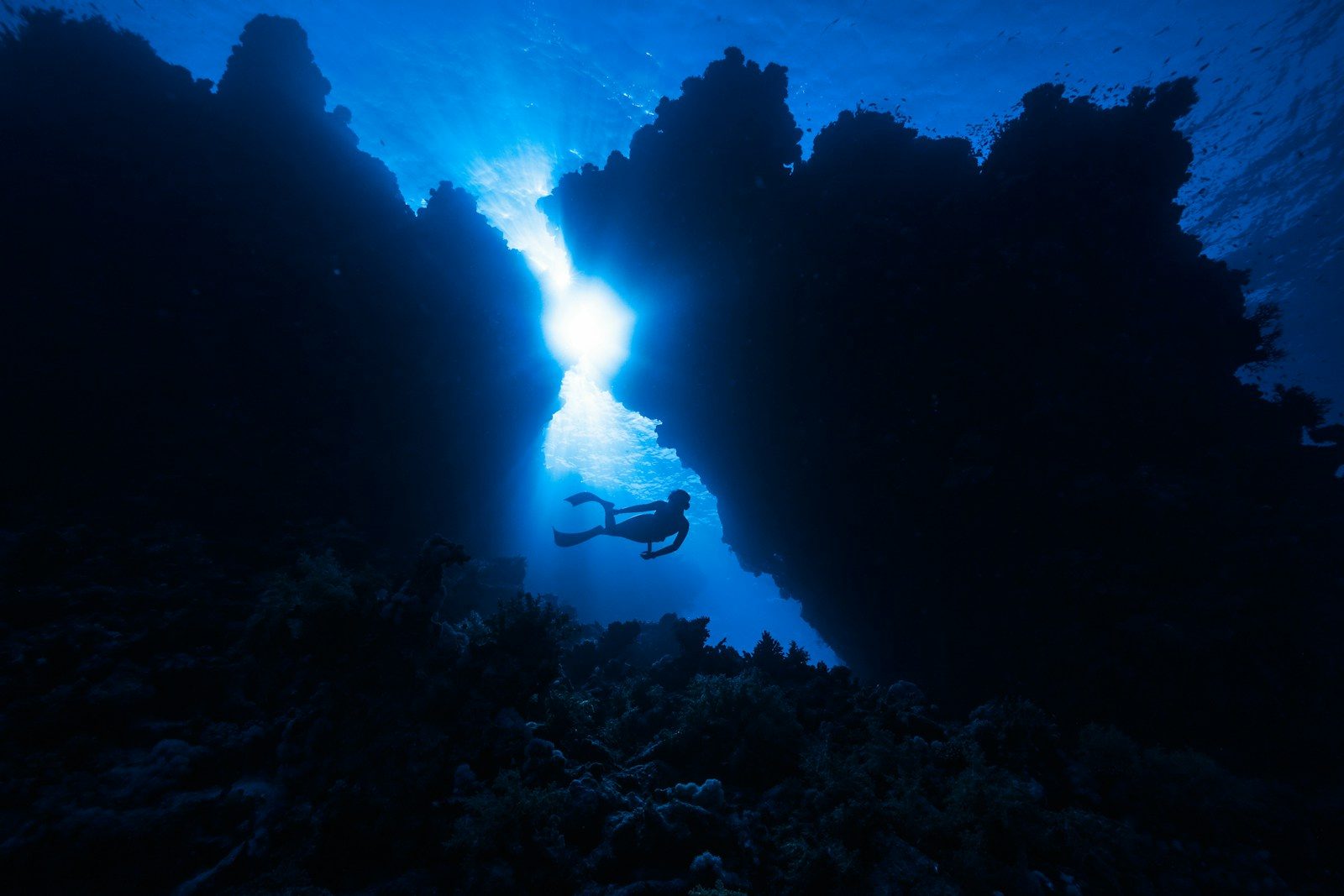
Most people picture the open ocean as a sunlit world of colorful coral reefs and swimming fish. We imagine marine life concentrated near warm surface waters where sunlight penetrates easily.
But deep ocean trenches hold pitch-black environments under crushing water pressures that defy expectations. Bizarre creatures evolve specialized biological traits to survive inside these extreme abyssal depths.
Midnight Zone Lacks Sunlight

Sunlight disappears completely past three thousand feet underwater, plunging deep ocean zones into permanent pitch darkness. Temperatures hover near freezing while immense water weight exerts tons of pressure per square inch. Conditions are harsh. According to oceanographic research from Woods Hole Oceanographic Institution, deep marine organisms rely entirely on sinking organic debris for food. But many deep-sea animals generate their own light sources.
Bioluminescent Organisms Light Darkness
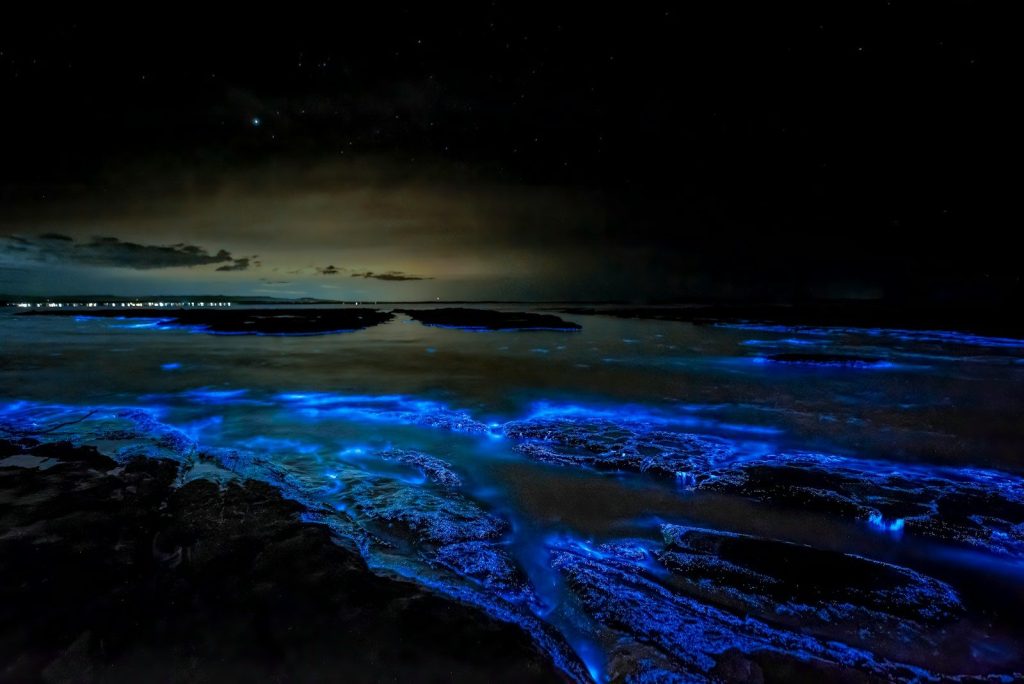
Specialized chemical reactions inside living cells allow abyssal creatures to produce glowing blue and green light flashes. Anglerfish use glowing lures dangling over sharp teeth to attract unsuspecting prey through the dark. Light tricks prey. According to marine biology studies at Monterey Bay Aquarium Research Institute, glowing patterns help deep-sea creatures communicate and attract mates. Yet bizarre shapes assist survival under crushing pressure.
Barreleye Fish Sees Through Head
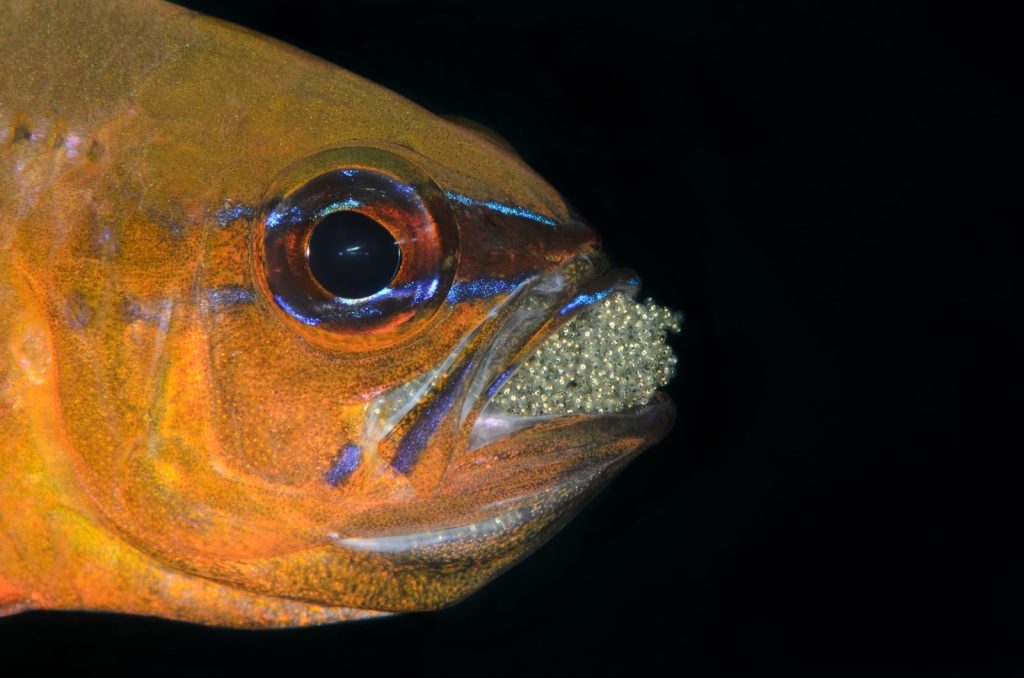
Strange deep-sea fish feature transparent fluid-filled heads containing glowing green tubular eyes that rotate upward. Upward vision allows barreleyes to spot silhouette shapes of floating prey against faint surface light. Vision is extraordinary. According to deep-sea research published by marine biologists, sensitive eyes detect tiny bioluminescent flashes in pitch darkness. But hydrothermal vents support even stranger ecosystems.
Hydrothermal Vents Spew Minerals
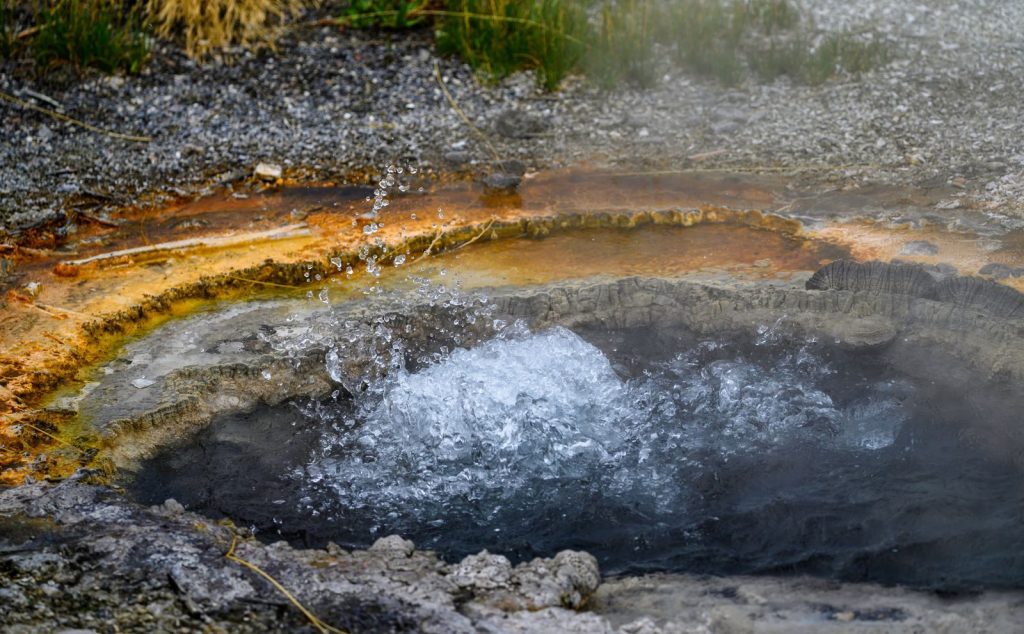
Subterranean volcanic activity spews superheated mineral-rich water through dark seabed chimneys along tectonic plate boundaries. Chemosynthetic bacteria convert toxic sulfur chemicals into biological energy without using any sunlight. Food webs flourish. According to deep-sea expedition reports from NOAA, dense clusters of giant tube worms and ghost crabs thrive around hot vents. Yet deep trench sea floors contain unusual bottom dwellers as well.
Hadal Zone Holds Trench Life
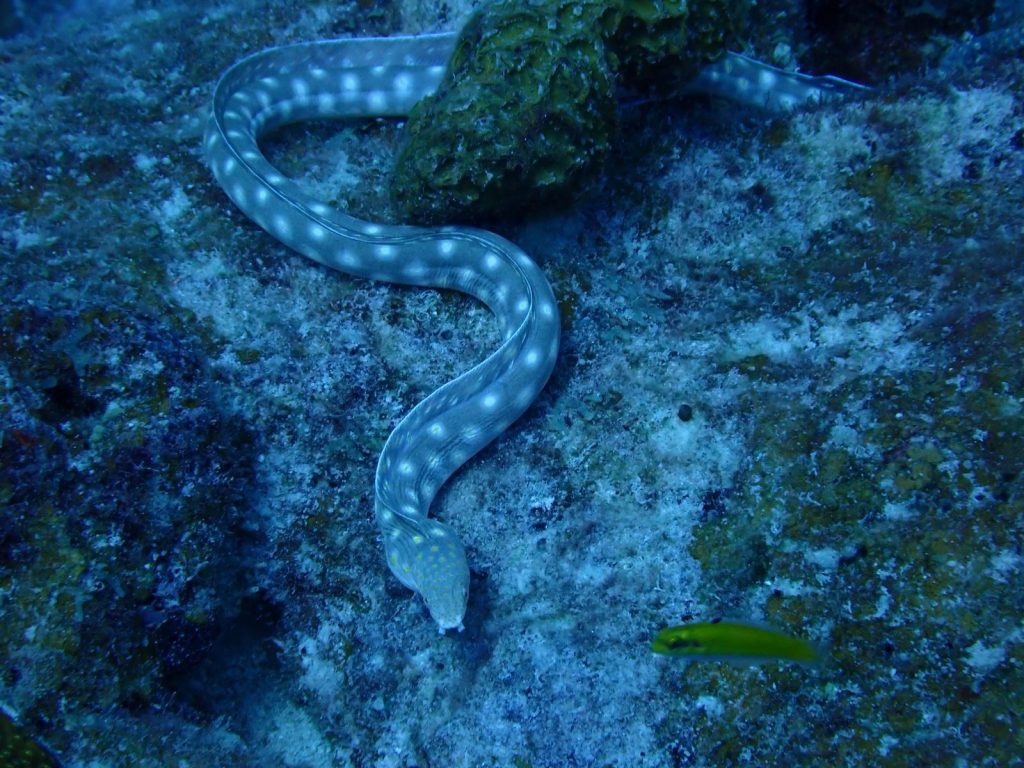
Extremely deep oceanic trenches reach depths exceeding thirty thousand feet below the Pacific Ocean surface. Snailfish living along trench floors feature soft gelatinous bodies that prevent delicate organs from crushing under pressure. Adaptation is complete. According to deep trench research published in Nature Ecology, these pale fish thrive at depths where regular bones would fracture. But human pollution now reaches even these remote trenches.
Plastics Found In Deep Trenches
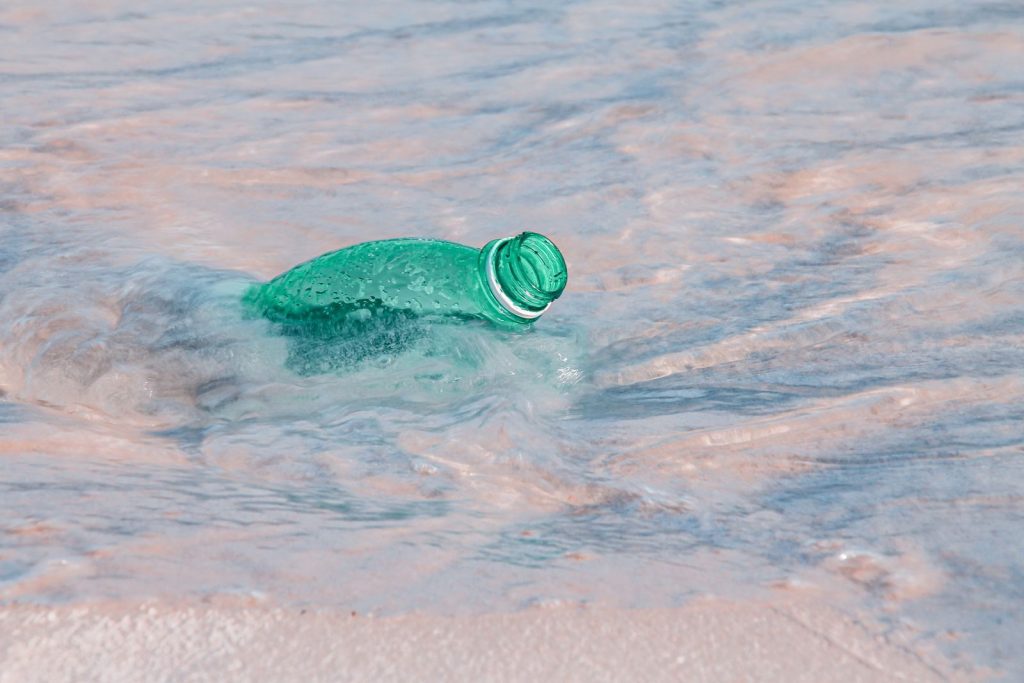
Robotic research submersibles collecting mud samples at the bottom of the Mariana Trench discovered synthetic microplastic fibers. Plastic waste sinks through water columns to accumulate in deep ocean floor sediment layers. Pollution sinks deep. According to environmental research conducted by Newcastle University scientists, deep-sea amphipods ingest plastic microfibers inside isolated trenches. But studying deep ocean life offers incredible scientific insights.
Exploring the Final Frontier On Earth
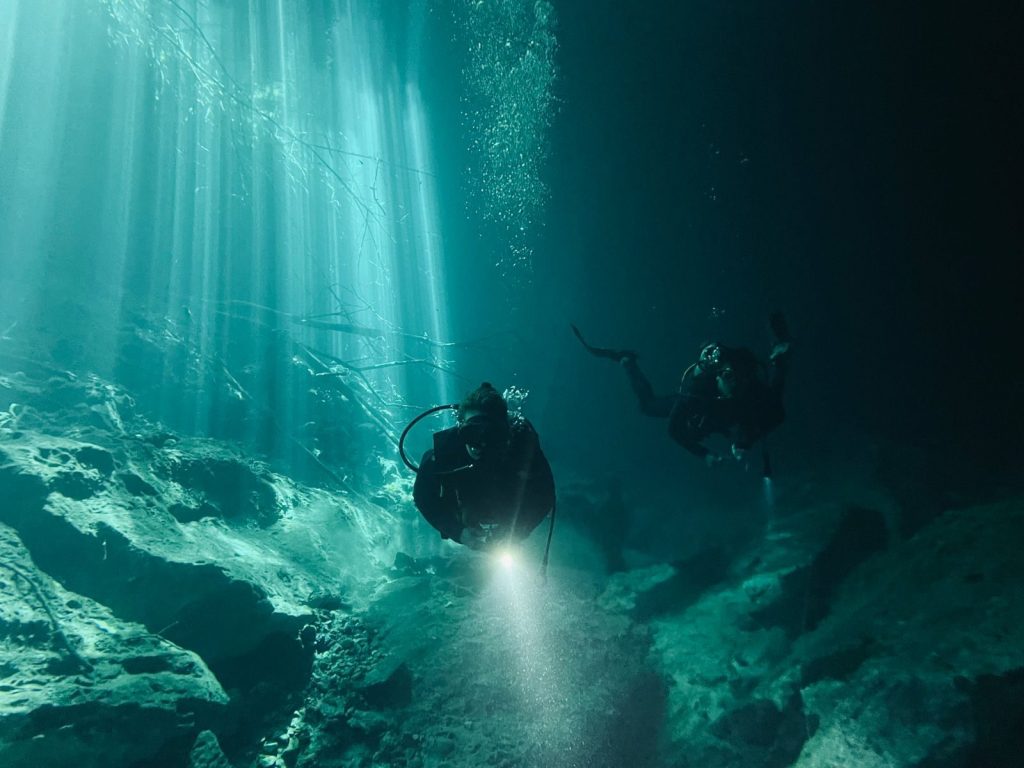
Investigating abyssal ocean environments expands our knowledge of extreme biological survival and planetary evolution. Developing advanced submersible robotics allows researchers to map dark ocean floors without harming fragile benthic habitats. Mysteries remain vast. According to international oceanographic institutes, exploring deep ocean trenches unlocks vital secrets about life on Earth and distant ocean moons. This article is for informational purposes only.
Leave a Reply