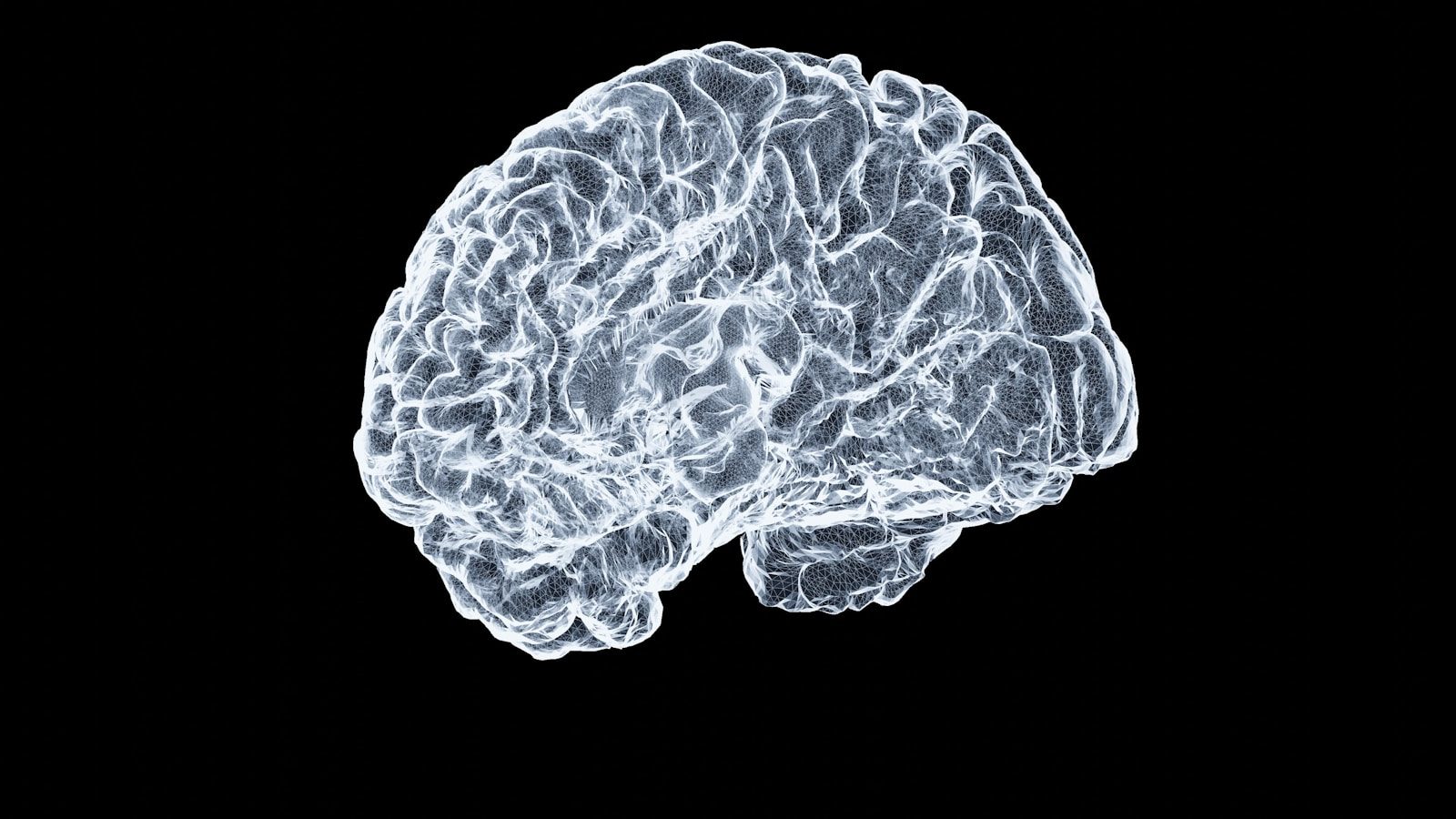
We believe that our genetics and age dictate our long-term brain health. Most people assume that daily environmental factors have very little impact on memory.
But groundbreaking clinical research has exposed two surprising daily risks that accelerate brain decay. These hidden habits quietly erode our neural networks years before symptoms appear.
The Silent Air Threat

We easily notice dirty water or spoiled food but rarely think about the air we breathe indoors. Tiny invisible particles from traffic and stoves float silently through our living spaces. According to a study in Lancet Healthy Longevity, fine air pollution directly accelerates brain aging. The damage is invisible. But this airborne threat actually enters your brain through a highly direct path.
Entering Neural Pathways
The smallest microscopic particles bypass our biological lungs entirely when we breathe them in. They travel up the nasal passage and enter the brain directly through the olfactory nerve. According to neuropathologists at Harvard University, this direct pathway triggers chronic inflammation that slowly destroys delicate brain cells. It is highly dangerous. This persistent inflammation eventually leads to the formation of toxic biological plaques.
The Second Hidden Risk
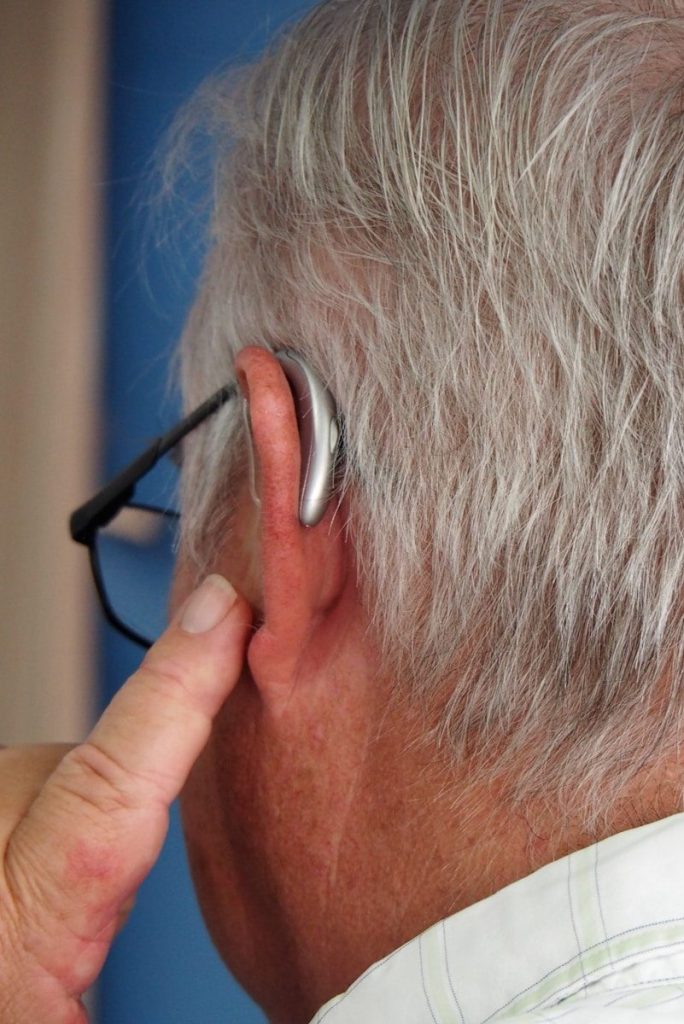
While air quality is a physical threat, the second risk is completely sensory. Millions of people live with untreated hearing loss as they grow older. According to researchers at Johns Hopkins University, mild hearing loss actually doubles your long-term risk of developing cognitive decline. The brain works harder. This sensory struggle forces the brain to divert vital resources away from memory storage.
Constant Sensory Strain

When your ears cannot catch sounds clearly, your brain must constantly work to fill in the blanks. This continuous cognitive overload leaves the brain exhausted and vulnerable to structural brain damage. According to audiologists, treating this hearing loss early can help preserve brain tissue over time. Hearing aids help. However, scientists are still trying to understand the exact link between isolation and brain shrinking.
Social Isolation Factor

Untreated hearing loss naturally causes people to withdraw from conversations and social activities. This quiet isolation removes the vital mental stimulation that keeps our neural connections strong. According to a report in The Lancet, social isolation represents one of the top modifiable risk factors for dementia. We need connection. And this lack of social stimulation physically alters the actual shape of your brain.
Shrinking Brain Tissue

Brain scans of isolated individuals show a noticeable reduction in the volume of the temporal lobe. This specific area processes both spoken language and deep memories. According to neuroscientists at Cambridge University, a lonely brain physically shrinks much faster than an active one. Cells simply die. But there is a surprisingly simple way to halt this physical decay.
The Power Of Prevention

Addressing these two risk factors early in life can dramatically alter your long-term cognitive health. Simple changes like using high-quality air filters and getting regular hearing checks make a massive difference. According to the World Health Organization, proactive lifestyle adjustments can prevent up to forty percent of dementia cases. Action is key. But the ultimate solution requires a completely new way of thinking about daily health.
Protecting Your Mind

Understanding these newly discovered risks empowers us to shield our minds from premature decay. We can act now. According to leading neurologists, protecting brain health is a lifelong journey that starts in our youth. This article is for informational purposes only.
Featured Image: Photo by Eastman Childs on Unsplash
Leave a Reply