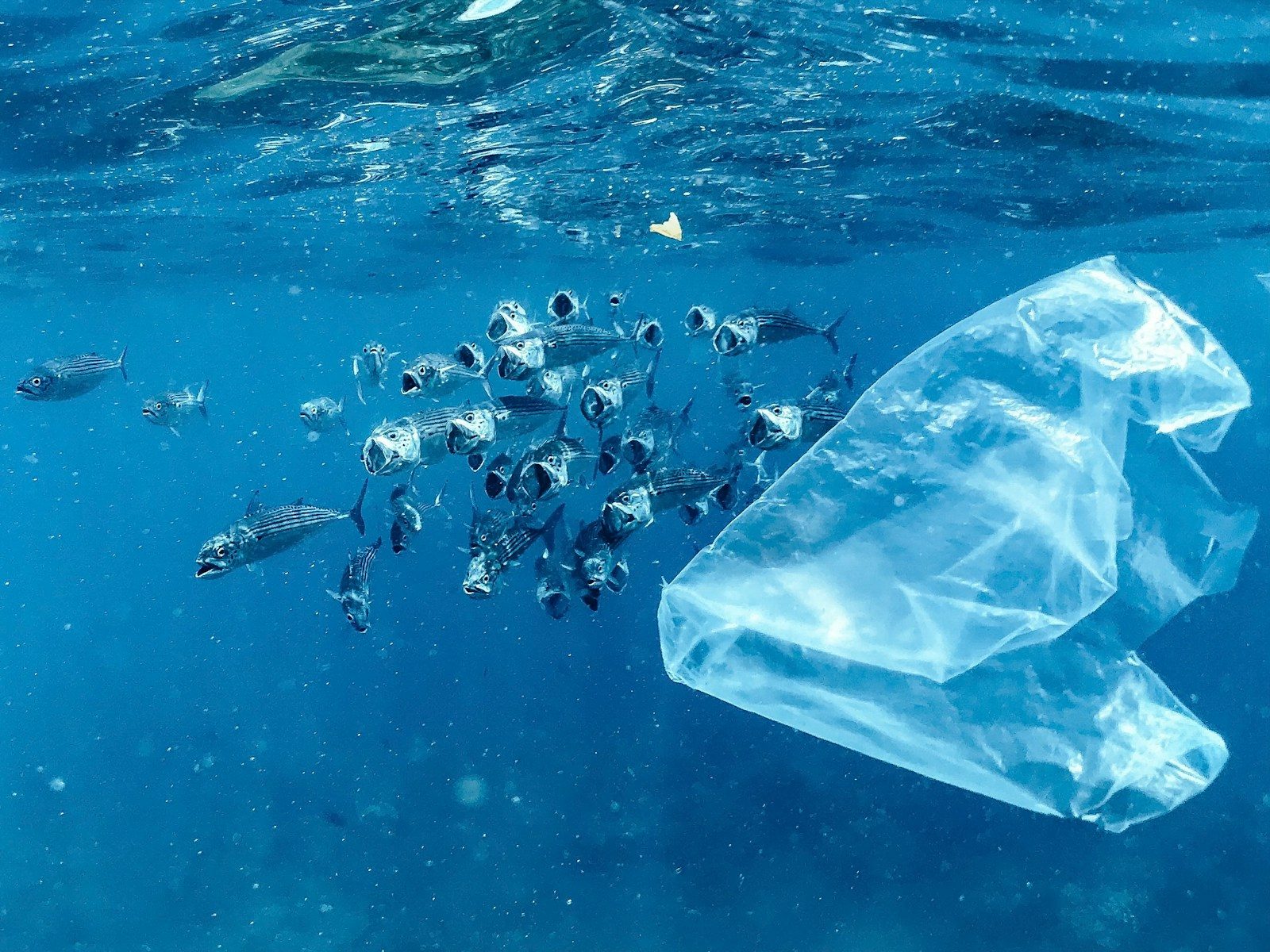
Most people assume that marine animals must swallow massive piles of ocean garbage before they succumb. We believe it takes years of toxic buildup to destroy these delicate creatures.
But researchers have pinpointed the exact microscopic limit that triggers biological failure. Shockingly tiny amounts of common waste can end a life within hours.
Chasing The Safe Limit
For decades, environmentalists warned about the generic dangers of floating plastic trash. They lacked precise math. According to researchers at the University of Toronto, a landmark study analyzed over ten thousand animal autopsies to find the absolute safe limit of exposure. Their findings shocked the international scientific community. But this global census quickly exposed an incredibly grim equation.
The Lethal Bird Measure
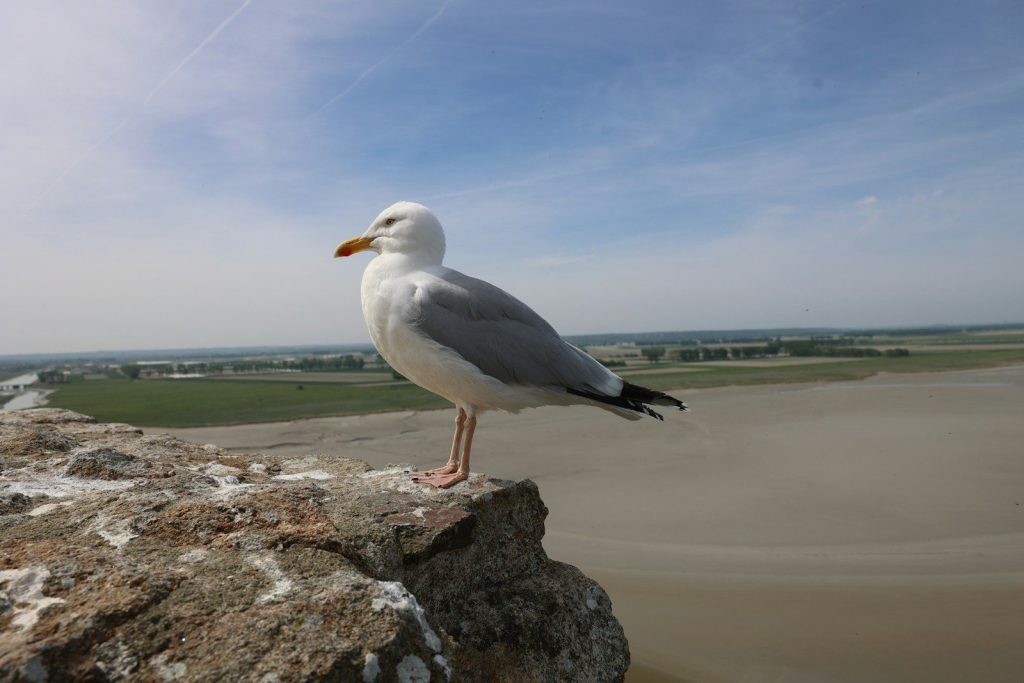
Seabirds like puffins suffer immensely from swallowing hard fragments of floating debris. According to the published study, ingesting just three sugar cubes of plastic material triggers a ninety percent likelihood of death. They starve from the inside. The hard material blocks their digestive tract and prevents food absorption entirely. Yet, other marine species have even lower thresholds relative to their size.
Turtles Face Brutal Limits
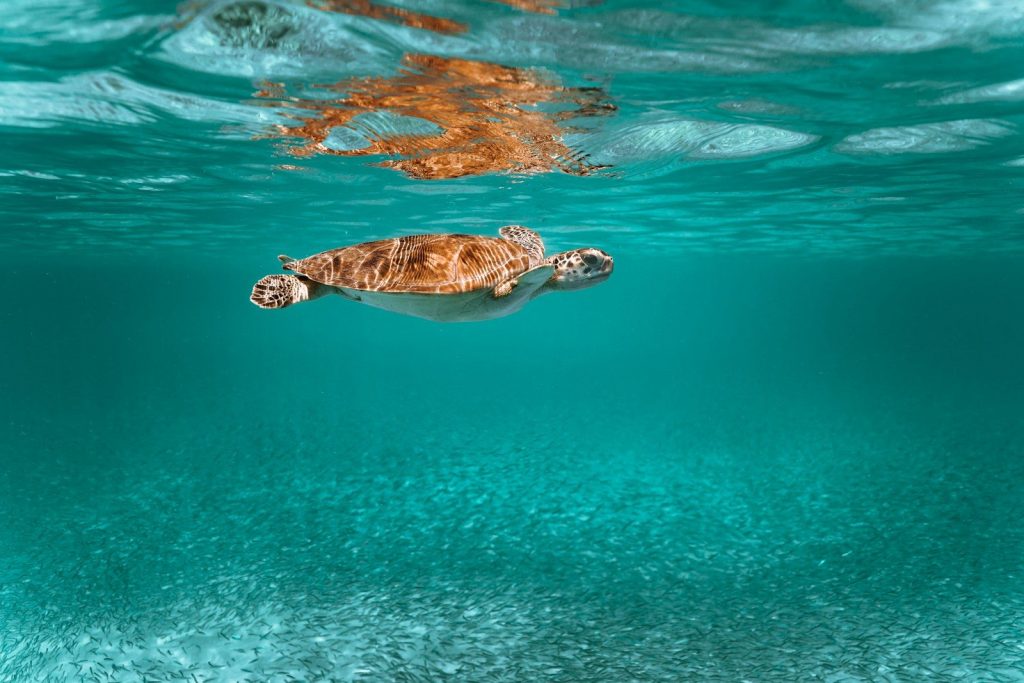
Sea turtles hunt by sight and frequently mistake floating plastic bags for delicious jellyfish. According to reports from the research team, consuming the mass of just two baseballs of soft plastic proves fatal. The damage is irreversible. These soft materials tear the intestinal walls and trap lethal pockets of gas inside. But massive marine mammals face an even more devastating structural crisis.
Porpoises Reach Breaking Point
Large harbor porpoises and dolphins frequently swallow lost fishing gear during deep ocean hunts. According to study co-author Erin Murphy, a single soccer ball’s worth of synthetic fiber has a ninety percent chance of killing them. Their organs simply fail. This small volume easily paralyzes their massive digestive systems and stops active feeding. However, identifying these specific limits changes how we protect our oceans.
A Dangerous Material Trap
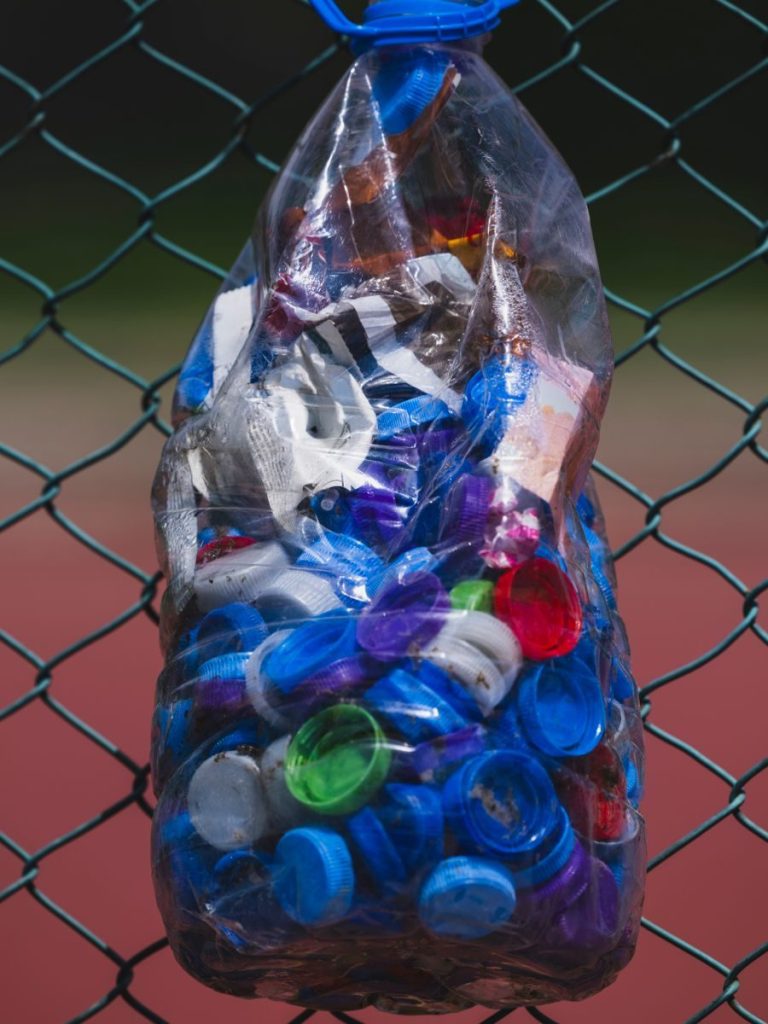
Different types of trash pose unique threats to specific ocean dwellers. According to the published paper in the journal of Environmental Science and Technology, rubber and bottle caps kill birds most frequently. Turtles face soft films. These specific correlations allow conservationists to target precise manufacturers rather than chasing broad solutions. But implementing these target limits requires updating our global chemical policies.
Rewriting Ocean Safety Standards
These exact measurements give global regulators the hard scientific numbers they need to enforce strict rules. According to lead researcher Chelsea Rochman, treating plastic as a regulated toxic substance represents the only logical path forward. The science is clear. Defining safety thresholds allows nations to legally penalize companies that exceed safe dumping margins. But saving these vulnerable species requires a radical shift in daily consumer habits.
Our Shared Marine Future
According to environmental toxicologists, our global waterways require immediate, strict intervention to prevent total ecosystem collapse. This study proves that even tiny amounts of waste can instantly silence marine life. We must act now to clean our oceans and preserve these magnificent creatures. This article is for informational purposes only and does not constitute professional environmental or legislative advice.
Featured Image: Photo by Naja Bertolt Jensen on Unsplash
Leave a Reply