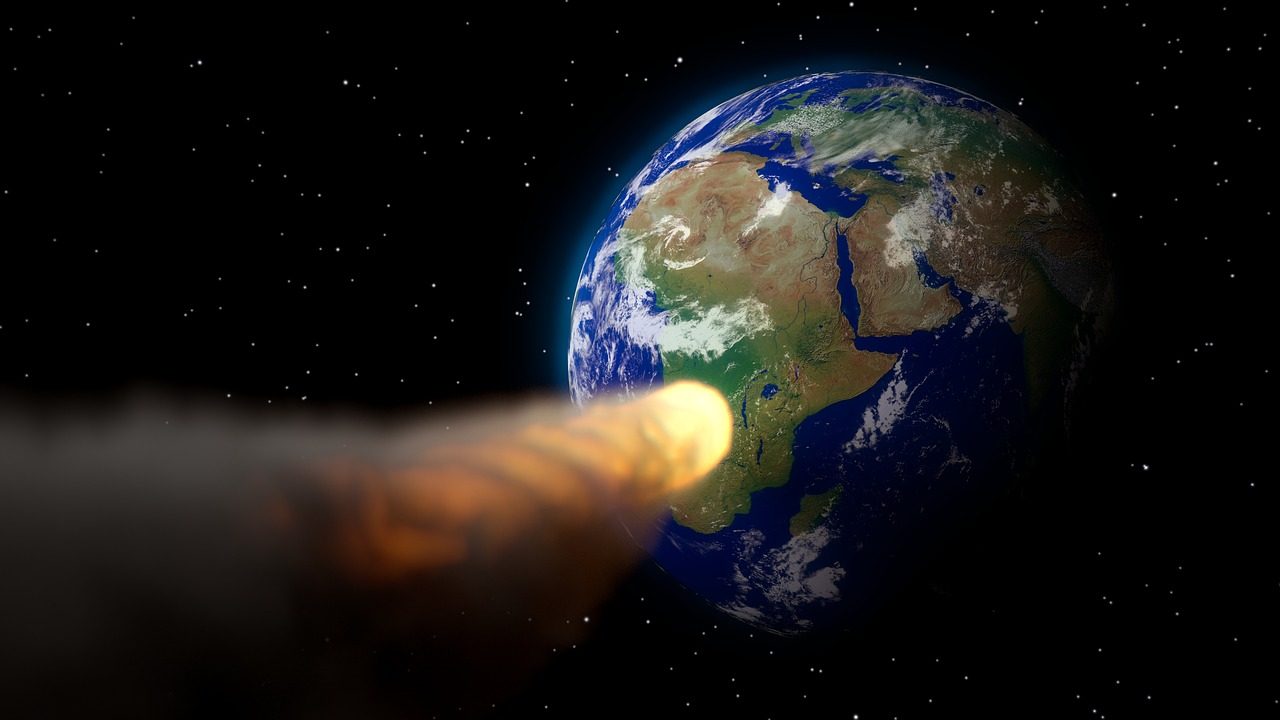
Most people assume that global planetary defense systems actively track every large asteroid heading toward Earth. We believe our advanced radar nets will always warn us of incoming space rocks.
But a massive explosion over a Russian city proved that space still hides terrifying blind spots. An undetected giant slipped past every single telescope with absolute ease.
The Morning of Sudden Fire

A quiet winter morning in Chelyabinsk turned into a chaotic disaster zone in seconds. According to NASA reports, a twenty-meter asteroid entered the atmosphere at sixty thousand kilometers per hour. The sky burned white. The massive rock exploded with the power of thirty atomic bombs, shattering glass across thousands of buildings. But this cosmic attack caught planetary defense teams completely off guard.
The Hidden Sun Blindspot
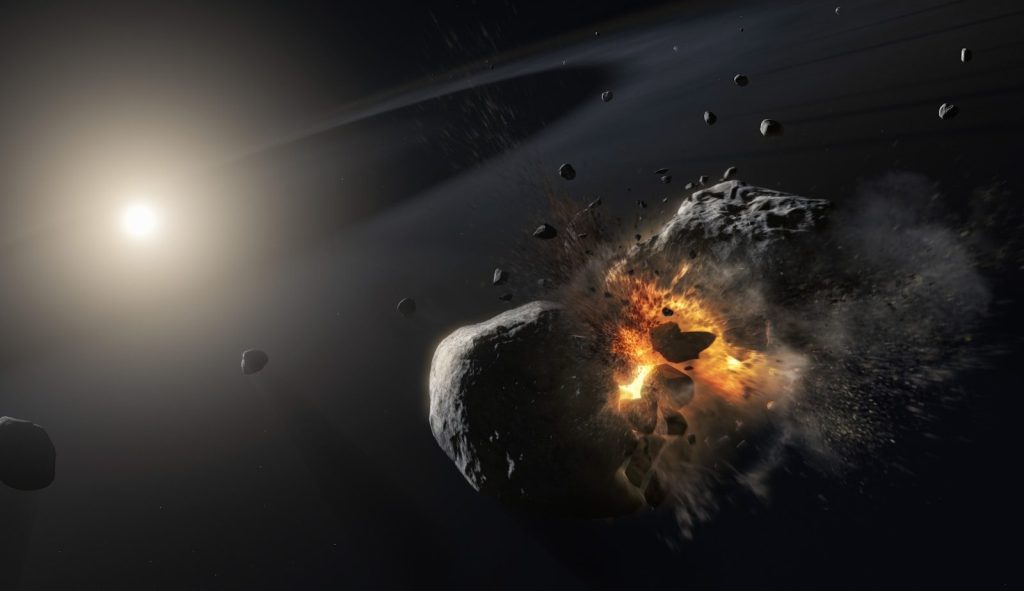
Planetary defense telescopes missed the incoming threat because of a basic limit of optical astronomy. According to orbit analysis reports, the meteor emerged directly from the direction of the sun. The glare was blinding. Ground-based telescopes cannot scan the sky during daylight hours, allowing the rock to hide in plain sight. But this blind spot is actually a major systemic vulnerability for our entire planet.
Tracing The Kinetic Energy
The exploding rock released a devastating kinetic airburst that injured over fifteen hundred people. According to researchers at the Russian Academy of Sciences, the resulting shockwave traveled around the globe twice. The pressure was intense. The explosion knocked people off their feet and collapsed factory roofs over a wide region. Yet, scientists quickly realized that a slightly larger rock would have caused total devastation.
The Millions of Unmapped Rocks
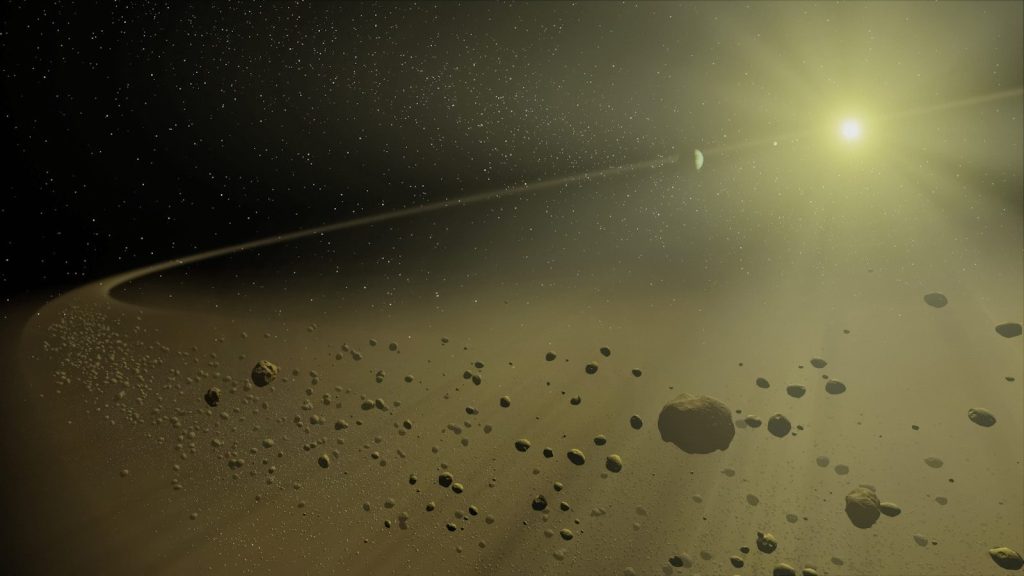
Space agencies have successfully cataloged almost all the dinosaur-killing asteroids in our solar system. According to planetary defense scientists, we remain highly vulnerable to smaller city-killer rocks. Millions remain completely unmapped. These smaller asteroids can easily obliterate a major metropolis without triggering any of our current deep-space warning sensors. However, a new breed of space telescope is preparing to watch this dangerous blind spot.
The NEOMIR Early Warning Plan
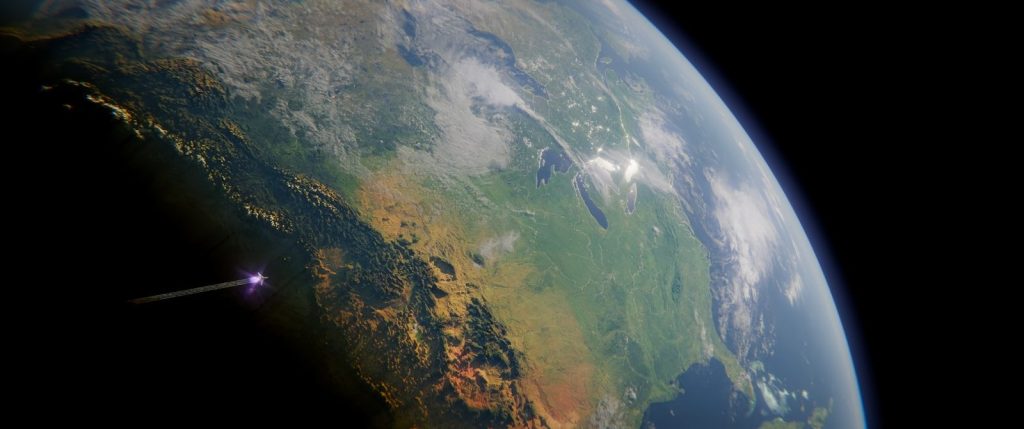
Astronomers are building a specialized orbital satellite to neutralize the Sun’s blinding interference. According to reports from the European Space Agency, the upcoming NEOMIR mission will position a telescope between Earth and the Sun. It will scan constantly. This space-based sensor will detect asteroids passing close to our star long before they ever reach our atmosphere. But other nations are launching even larger defensive shields into deep space.
Smarter Infrared Space Hunting

A parallel mission will soon scan our orbital path using highly advanced thermal sensors. According to NASA, the upcoming NEO Surveyor space telescope will utilize infrared optics to detect dark space rocks. They glow in infrared. This state-of-the-art instrument will find millions of small asteroids that absorb visible sunlight, making them virtually invisible to normal telescopes. Yet, finding these rocks is only the first step in protecting humanity.
Deflecting The Incoming Threat
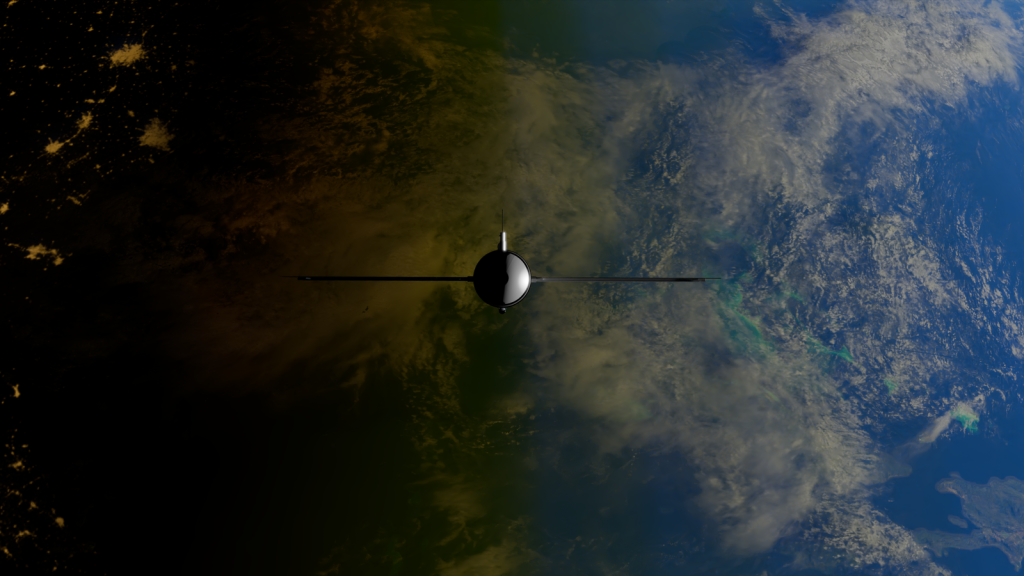
Detecting an incoming asteroid early gives space agencies enough time to coordinate a defense. According to aerospace engineers, we can now use kinetic impactors to nudge dangerous space rocks off their collision course. We proved this works. A successful test mission nudged a distant asteroid moonlet in deep space, confirming we can alter cosmic orbits. But planetary scientists still warn that we must speed up our mapping efforts.
Securing Our Planetary Future
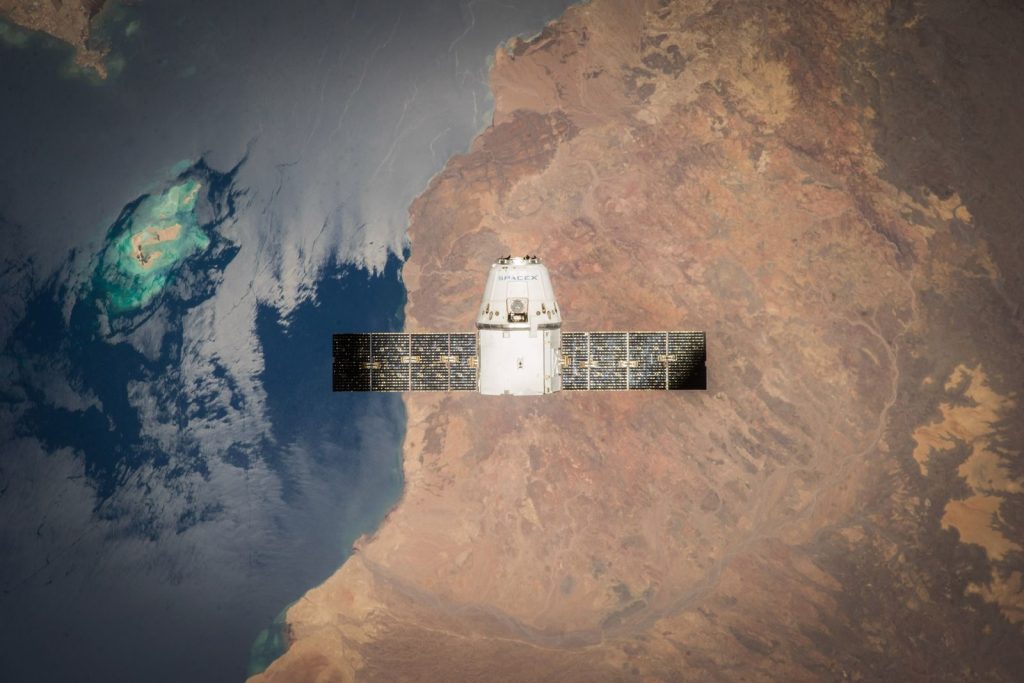
According to planetary defense experts, the Chelyabinsk event served as a vital wake-up call for our species. We are building the tools to monitor the solar system and protect our cities from cosmic impacts. This global effort will ensure that humanity never faces the same fate as the dinosaurs. This article is for informational purposes only and does not constitute scientific advice.
Leave a Reply