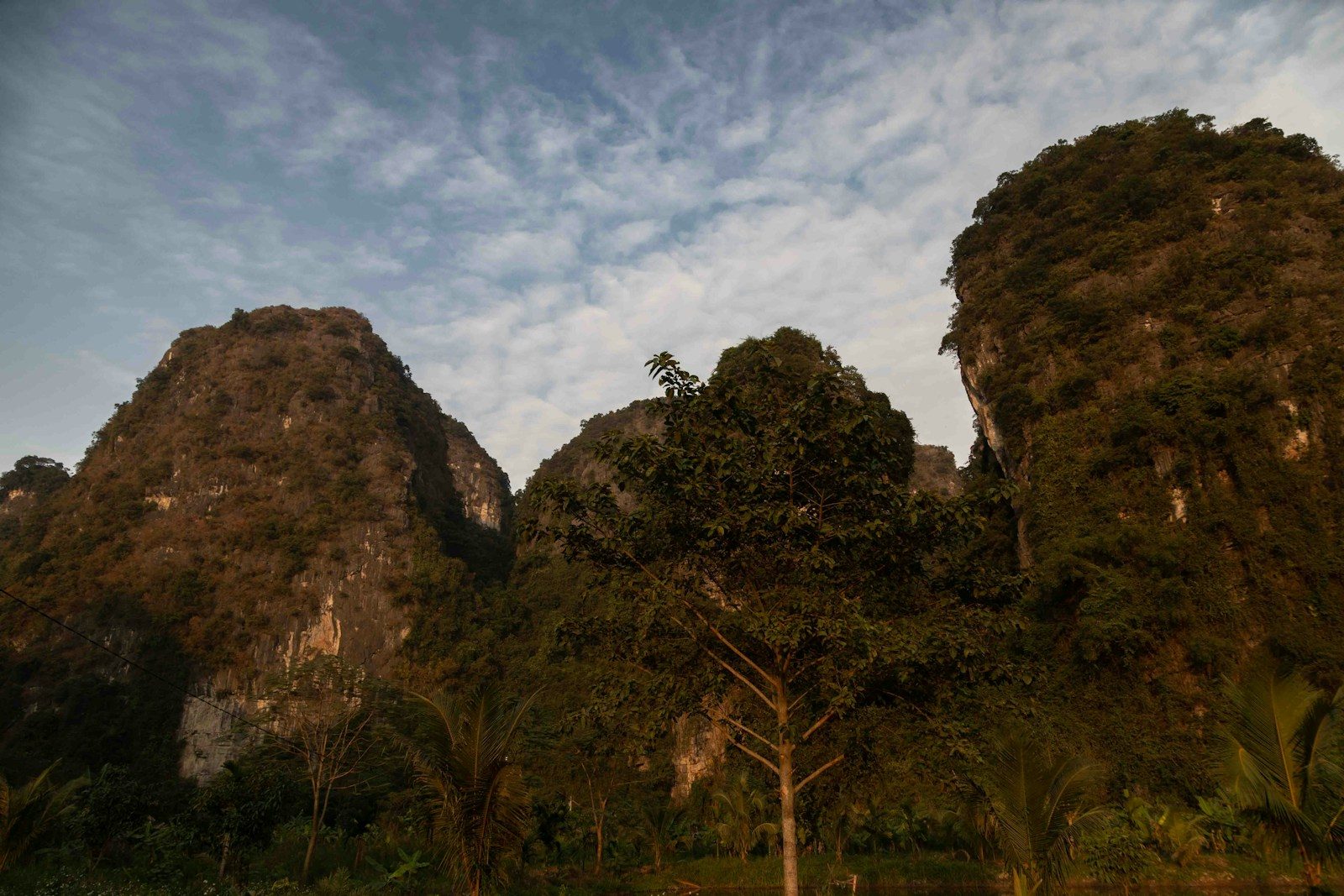
In the deep jungles of Southeast Asia, a bizarre survival story is unfolding. It involves a specific type of wild yam that has learned how to think like a bird. For a long time, botanists were confused about why this yam would produce small, bright red bulbs that looked exactly like bird eggs. It seemed like a waste of energy for a plant. But a new study has revealed the Strange Case of the Yam That Tricks Birds into Survival.
This yam is a master manipulator. It doesn’t just want to be eaten; it wants to be moved. By mimicking the look and even the heat of a bird’s egg, the yams trick mother birds into rescuing the bulbs and placing them in their nests. It is a level of plant intelligence that is making scientists rewrite the rulebook on evolution. But what happens when the bird realizes it has been fooled?
The Perfect Visual Deception
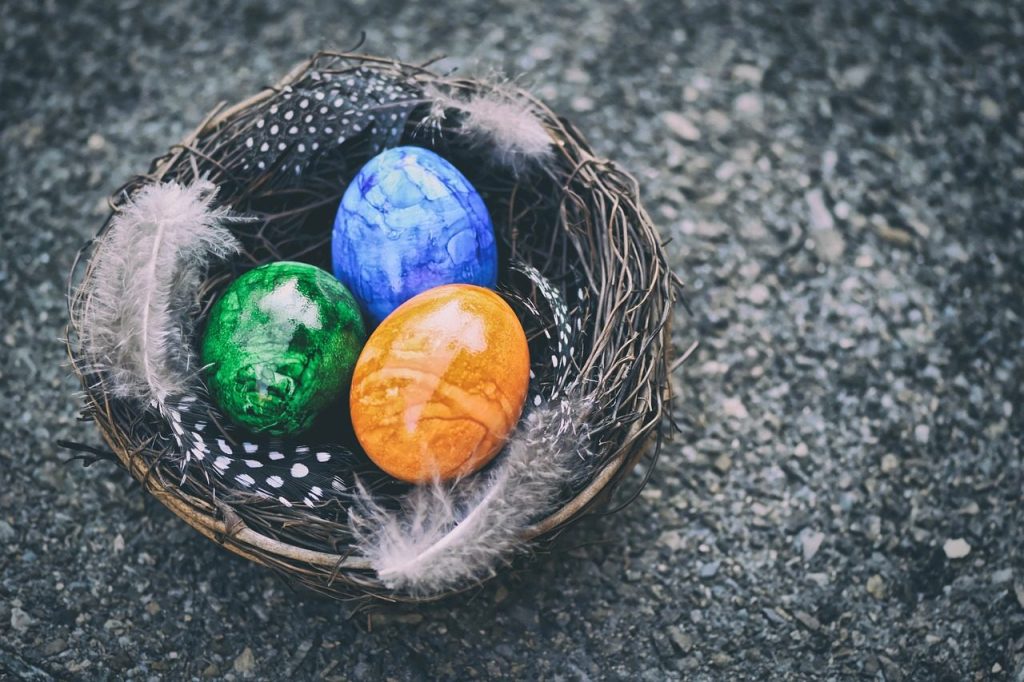
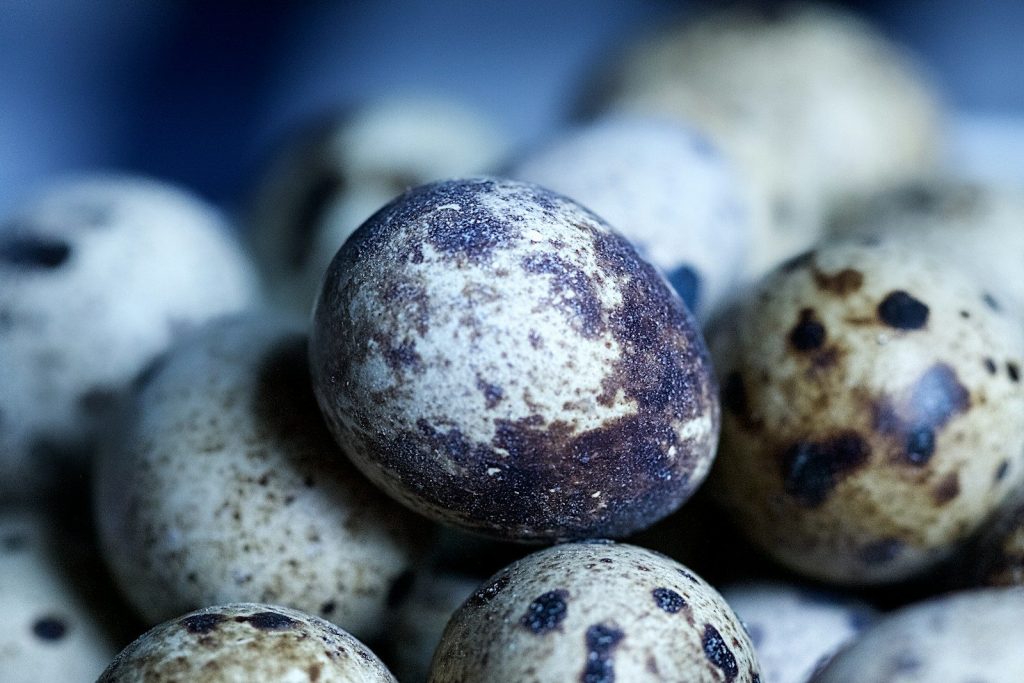
The yams’ eggs are almost impossible to distinguish from the real thing. They have the same shape, the same speckled pattern, and even a similar weight. The plant has evolved to match the specific eggs of the Jungle Myna bird. This visual trickery ensures that the bird will pick up the bulb and carry it to its nest high in the canopy. It is a free ride to a safe place. But the trick doesn’t stop with the eyes. The yam has a chemical secret, too.
Chemical Lures and Fake Pheromones
If the bird was only looking with its eyes, it might eventually become suspicious. To complete the trick, the yam emits a specific pheromone that smells like a baby bird. This triggers a caring instinct in the mother bird, which is almost impossible to resist. She will sit on the yam bulb, keeping it warm and protected against predators. The yam essentially hires the bird to act as its personal security guard and incubator. Wait until you see how the plant pays the bird back.
A Secret Benefit for Both Species:
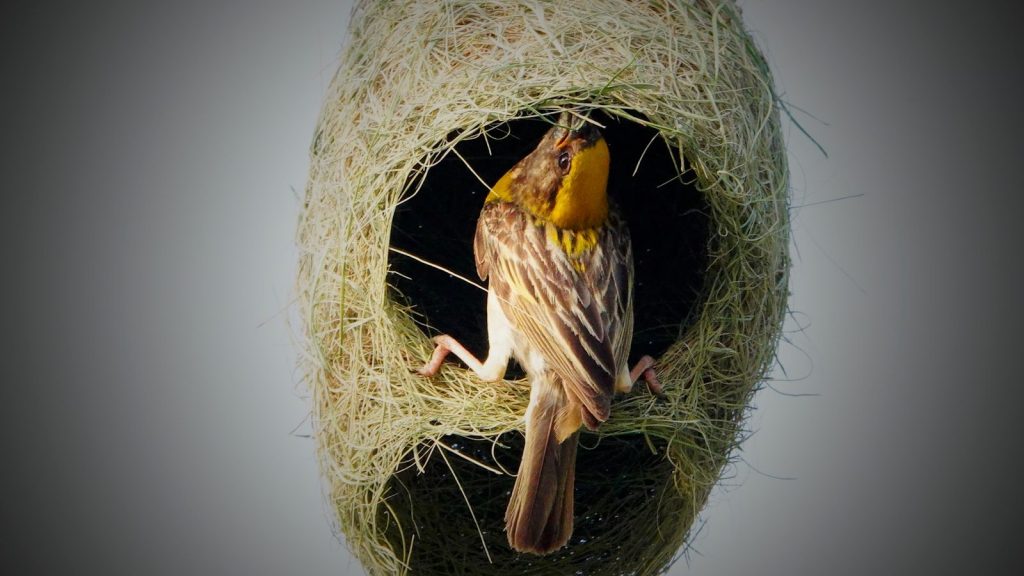
While it looks like a trick, scientists have found that the bird actually benefits too. The yam bulb is covered in a specialized ant-repellent sap. By having the bulb in its nest, the bird is protected from stinging jungle ants that would normally eat its real eggs. It is a Mutualistic Trick. The plant gets a safe place to grow, and the bird gets a safe house for its babies. It is one of the most complex relationships ever found in nature. But how did a plant learn how to mimic an animal?
The Mystery of Plant Intelligence
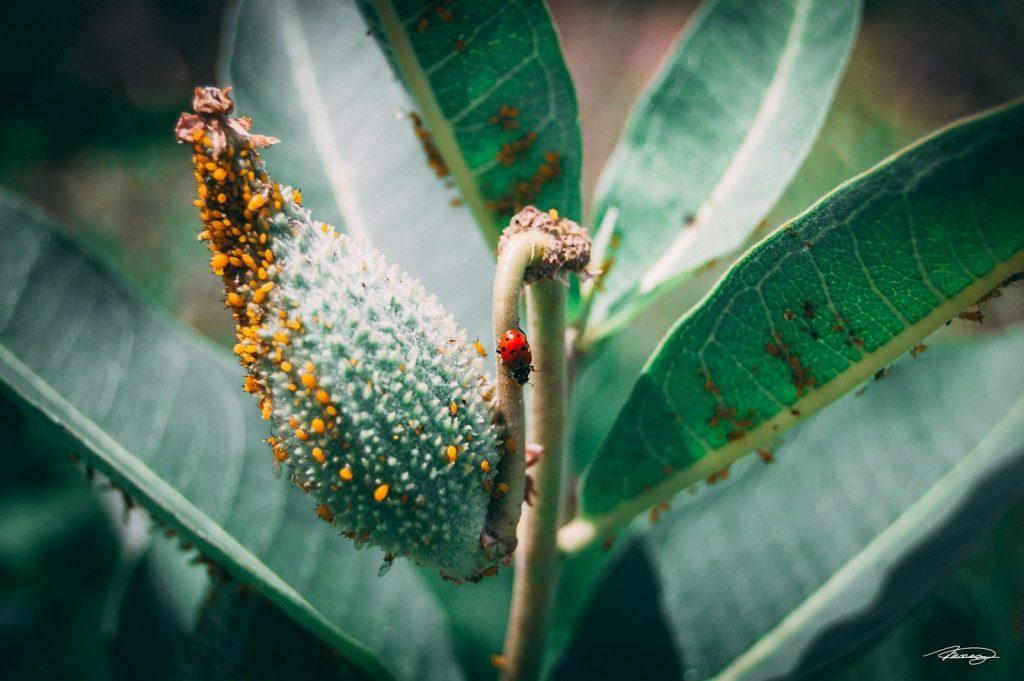
This discovery is part of a new field called Plant Neurobiology. We are finding that plants are much more aware of their surroundings than we ever suspected. The Trickster Yam has to sense the presence of the birds and time its bulb production to match their nesting season. It is a high-speed calculation performed by a species that doesn’t even have a brain. It makes us wonder what other plants are watching us. But could this yam eventually trick humans, too?
Using the Yam for Modern Medicine
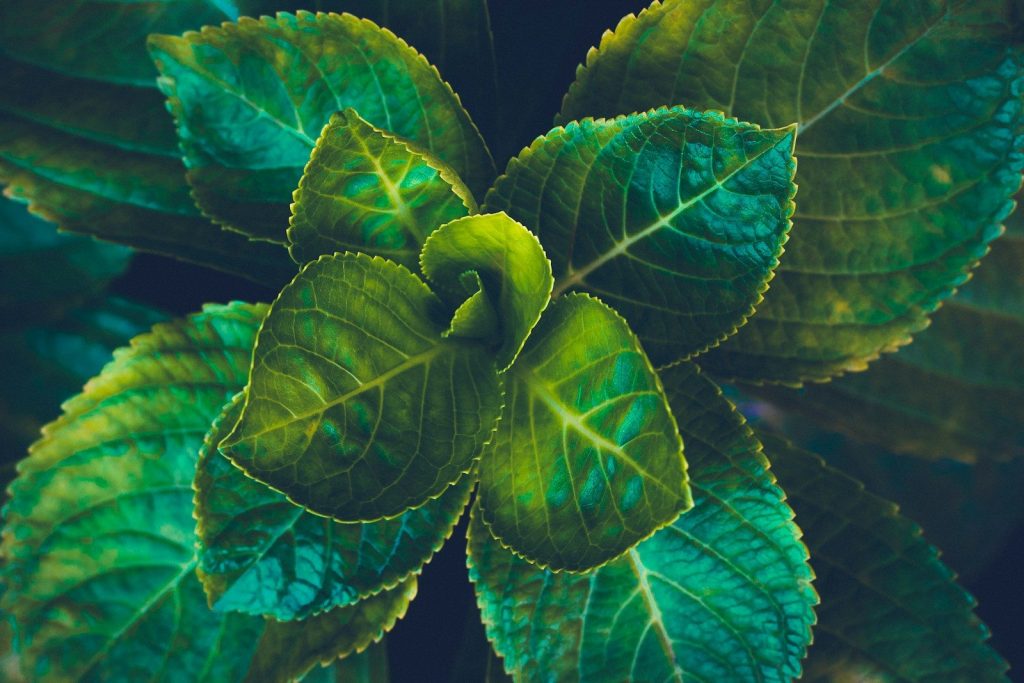
The specialized ant-repellent pheromone produced by the yam is now being studied by medical researchers. They believe it could be used to create non-toxic insect repellents for humans that last for weeks. We are borrowing the yams’ trick to protect ourselves. It is proof that the deep jungle still holds thousands of secrets that could change our lives. The Trickster might end up being a lifesaver. But as we look at the ground, the very edge of the world is starting to move.
Why the Coastlines Are Acting Strange
The case of the Trickster Yam reminds us that the world is full of hidden movements. Just as the yam moves into the nest, our coastlines are moving in a way that is leaving scientists speechless. The old rules of geography are being rewritten as we speak. We are realizing that the Earth is much more dynamic than our maps suggested. We have to learn to think like the planet to survive. But how fast is the water actually rising?
The End of the Trickster Mystery
Nature is the ultimate trickster, and we are just learning to see the game. This yam proves that survival isn’t just about being strong, it’s about being clever. We are moving towards a sphere where the secrets of the jungle will help us build a better future. Keep your eyes open, because there is a lot more to discover in the world around you.
Featured Image: Photo by Bernd 📷 Dittrich on Unsplash
Leave a Reply