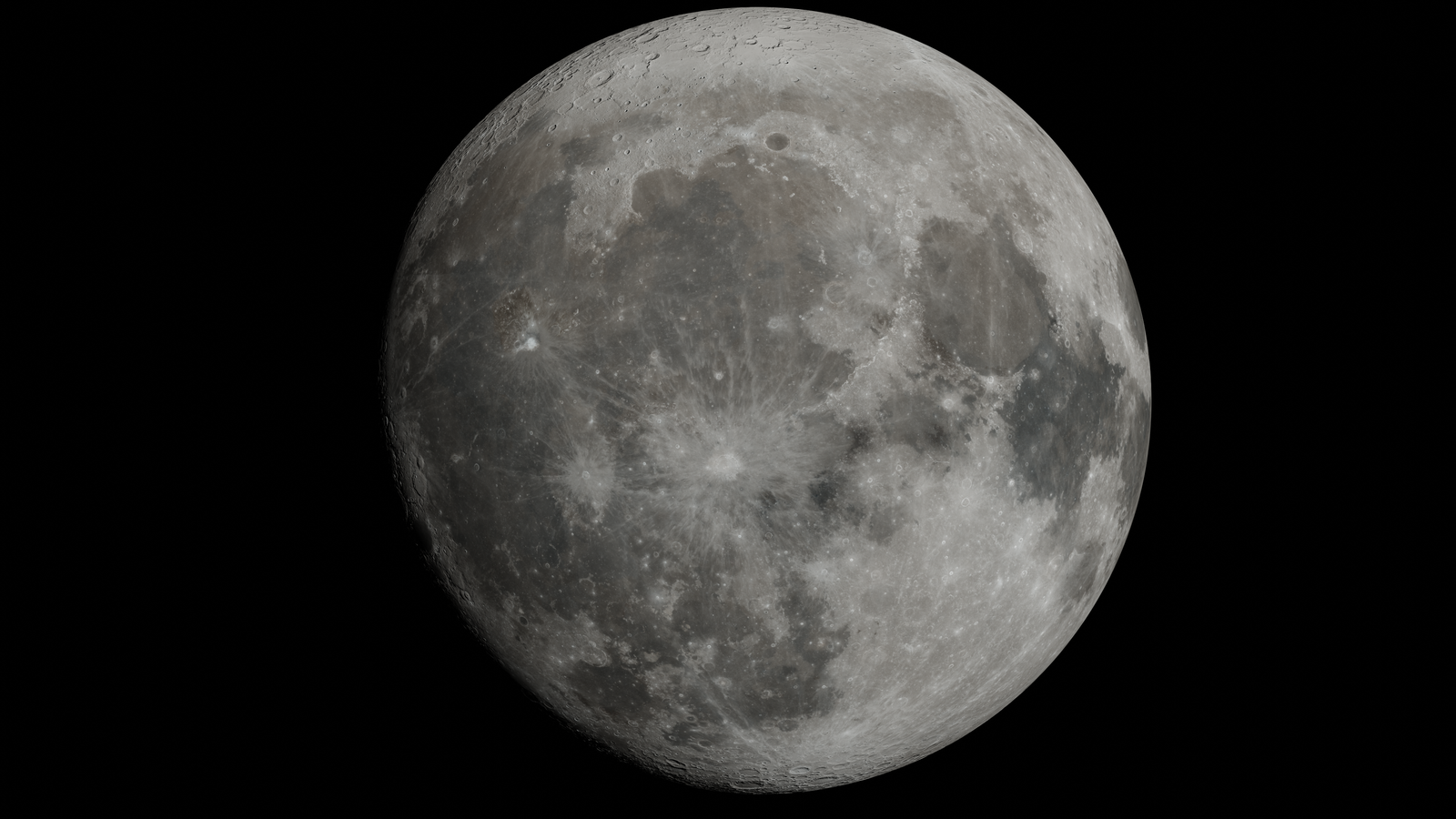
Space enthusiasts assume that the far side of the moon is just a quiet and lifeless desert. We believe that this tidally locked hemisphere contains nothing but common grey craters.
But advanced satellite sensors have detected several bizarre geological and chemical anomalies. These unexpected discoveries suggest something highly unusual is hidden beneath the lunar dust.
The Lunar Gravity Anomalies

Orbiting spacecraft tracking the moon’s gravity discovered massive, unseen objects buried beneath the surface. These dense pockets of mass pull satellites slightly out of their planned orbits. According to NASA research data, a colossal metal mass rests under the massive South Pole-Aitken basin. It is truly gigantic. Scientists still do not fully understand how this heavy mass got there.
An Underground Metal Mystery
The mysterious mass is five times larger than the island of Hawaii and buried deep under the lunar crust. Researchers believe it could be the iron-nickel core of an ancient asteroid. According to studies from Baylor University, the heavy metal structure is actively weighing down the moon’s surface. The weight is immense. But this explanation does not solve all the mysteries of the far side.
Strange Electromagnetic Spikes
Satellites passing over the tidally locked hemisphere have also registered unexplainable spikes in electromagnetic energy. These erratic signals seem to emerge from deep volcanic tubes beneath the lunar plains. According to space agency reports, these magnetic anomalies are much stronger than the surrounding rock should allow. The needles are jumping. This suggests the presence of rich mineral veins hidden underground.
The Silent Shield Advantage
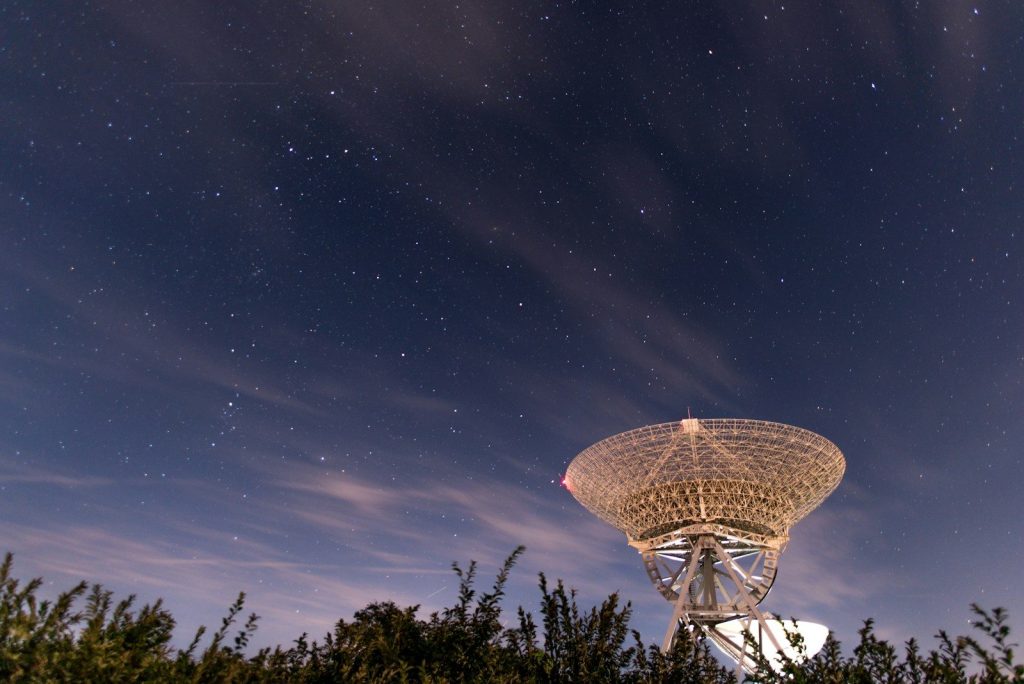
The moon’s far side permanently blocks the massive radio noise that human technology generates on Earth. This absolute silence makes this region the perfect place in our solar system for deep space telescopes. According to astrophysicists, placing sensors here allows us to listen to the oldest signals in the universe. Space is quiet. But this unique silent zone remains highly difficult to reach.
The Communication Gap
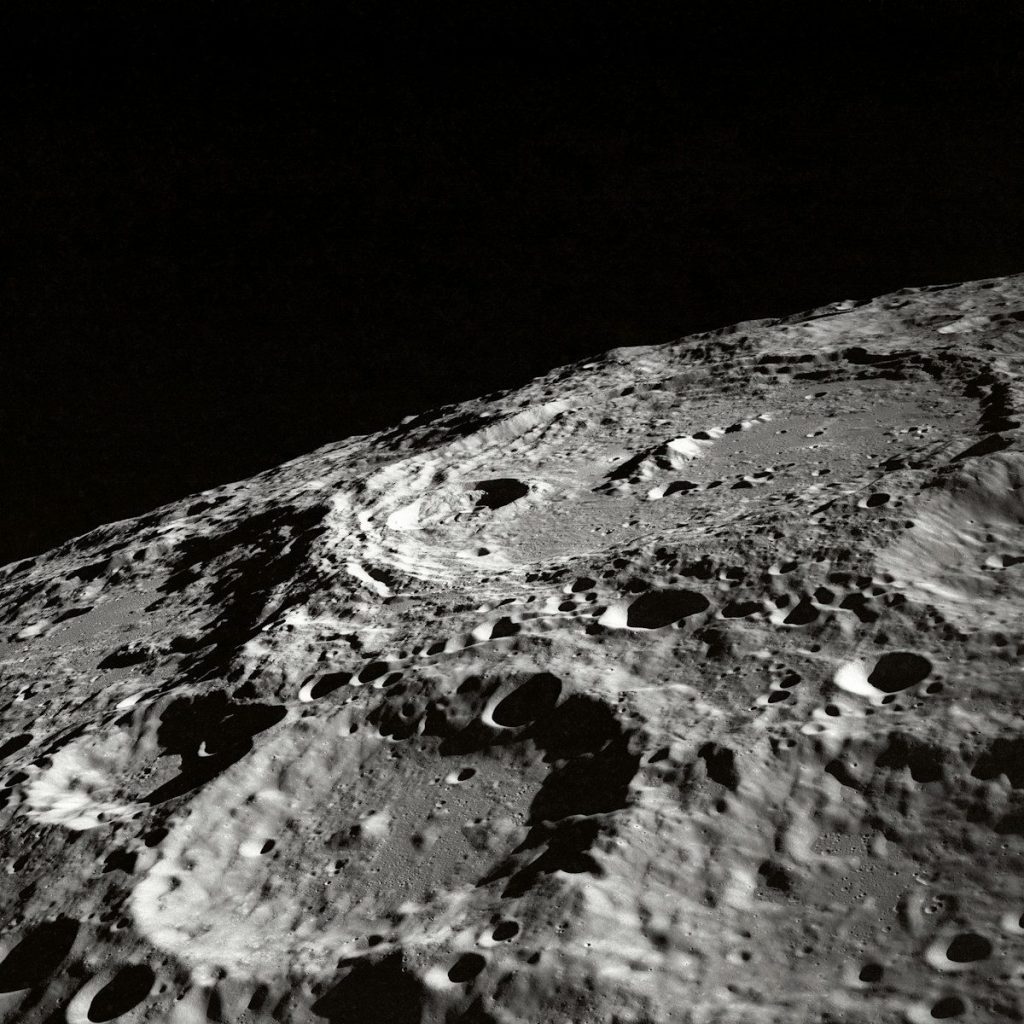
Because the moon never turns its far side toward Earth, it completely blocks direct radio communication. Any lunar lander operating in this region must rely on a complex network of relay satellites in orbit. According to reports from the European Space Agency, a single satellite failure can plunge a mission into total isolation. The gap is dangerous. This risk has kept many exploration agencies away for decades.
Unexplained Deep Volcanic Heat
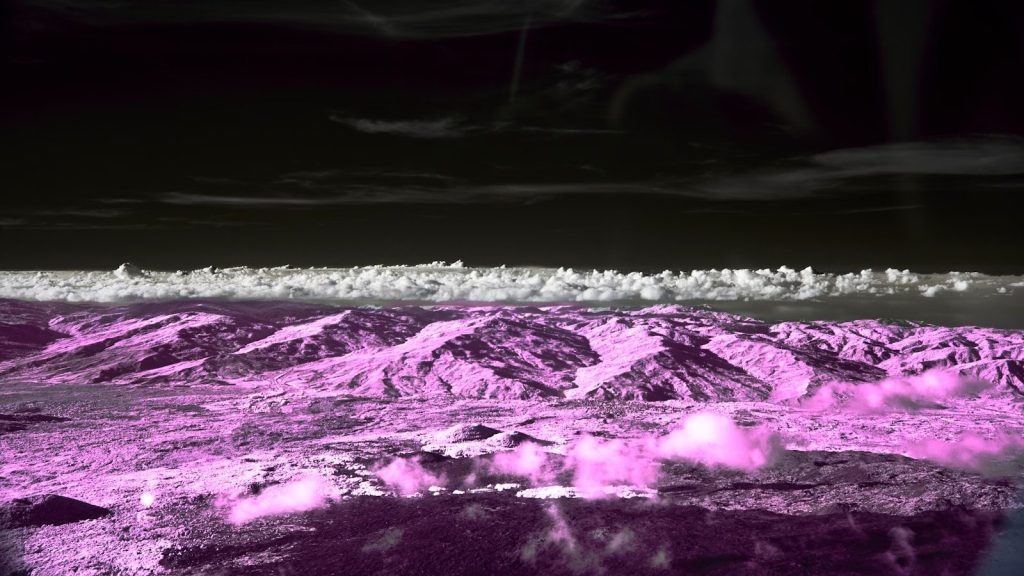
Thermal sensors have detected unexpected pockets of warm ground on the far side of the Moon. This heat should not exist on a celestial body that cooled down billions of years ago. According to geological studies, active radioactive decay in the deep mantle produces this warmth. The ground is warm. This thermal energy could provide a vital power source for future lunar bases.
Secret Subsurface Water

Deep crater floors on the far side never receive a single ray of direct sunlight. These permanently shadowed regions are freezing cold and trap vast amounts of ancient water ice. According to satellite radar data, these frozen reservoirs contain enough water to support human colonies. The ice is thick. Securing this ice will be the primary goal of the upcoming space race.
Reaching Into The Unknown
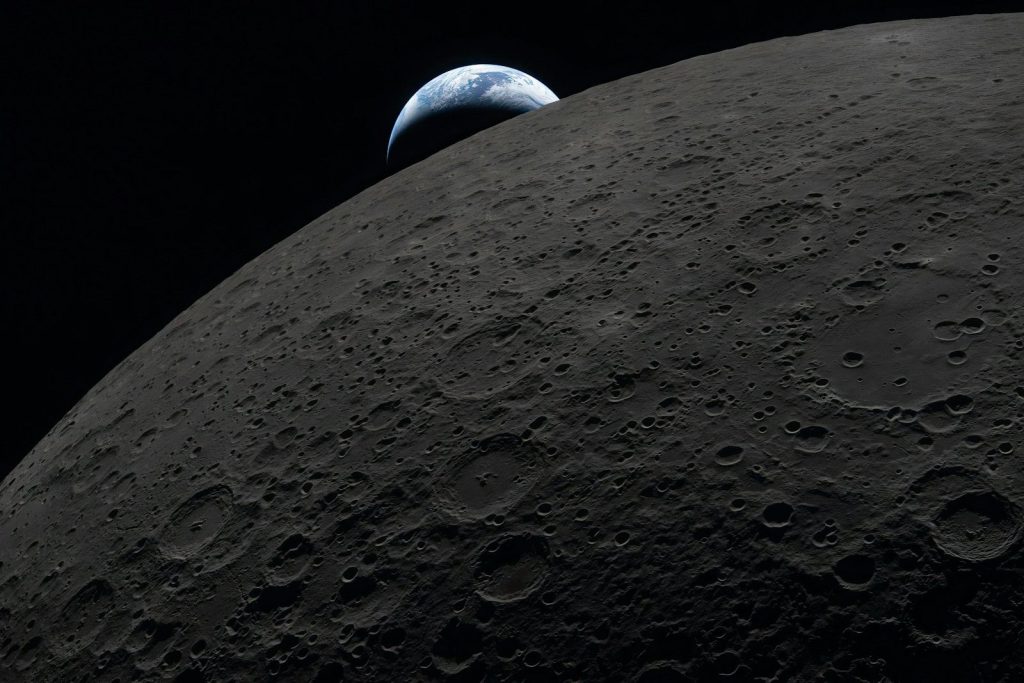
The strange anomalies on the far side of the moon prove that our celestial neighbor still holds deep secrets. Solving these lunar mysteries will prepare humanity to travel deeper into our solar system. According to leading space experts, the dark side will soon become a vital stepping stone to the stars. The journey is starting. This article is for informational purposes only.
Featured Image: Photo by @T Keawkanok on Pexels
Leave a Reply