Humans have always assumed that creating life requires millions of years of evolutionary design. We believe that only nature can assemble a fully functioning biological system.
But visionary researchers have successfully constructed a living organism from scratch. This tiny synthetic creation operates on a radically simplified genetic manual.
The Genetic Cleansing
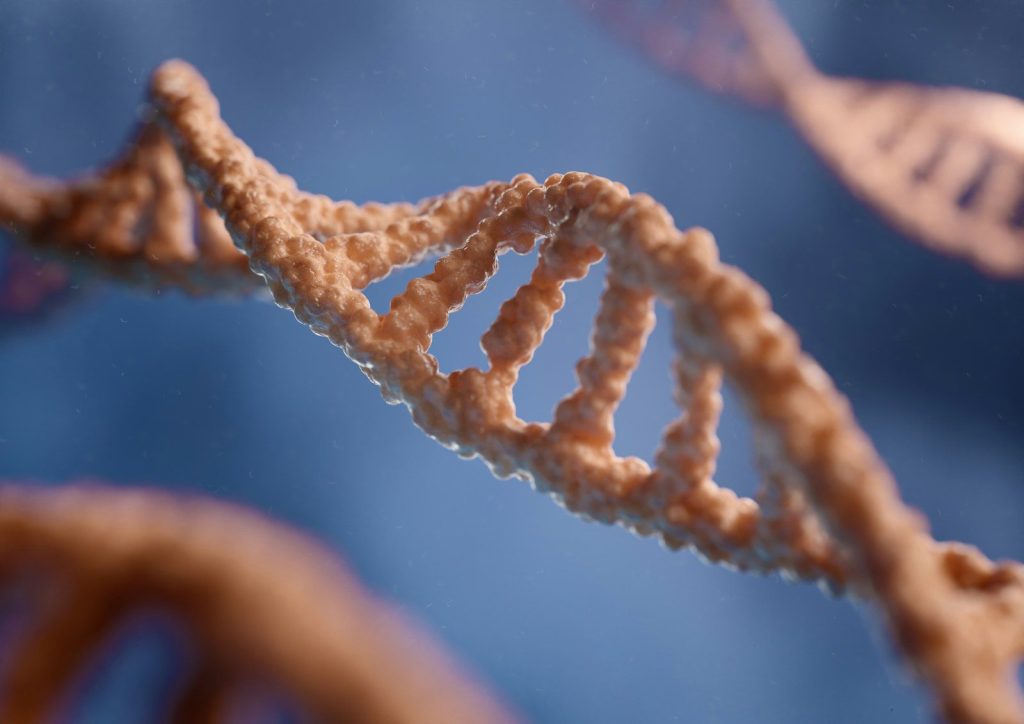
Scientists wanted to discover the absolute minimum amount of DNA required for biological survival. They took a simple bacterium and methodically stripped away its non-essential genes. According to the Craig Venter Institute, the team successfully trimmed the genome down to its barest parts. They worked slowly. This extreme reduction was a massive gamble that could have easily destroyed the organism.
The Simplified Code
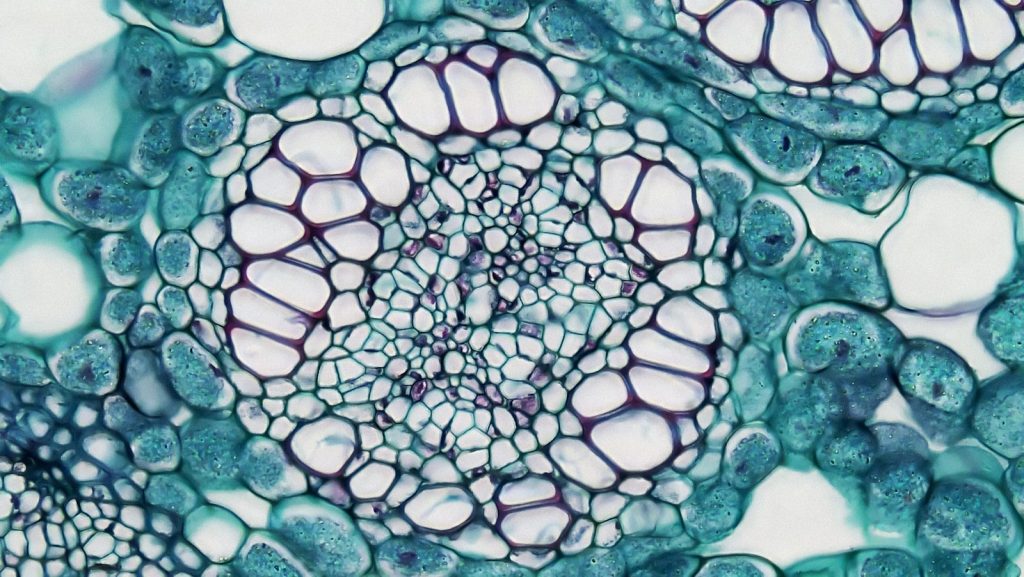
The final synthetic organism contains just 473 genes compared to thousands in standard bacteria. The team organized these genes into fifty-seven clean clusters of genetic instructions. According to researchers at Harvard University, this is the most basic functioning genome ever recorded on our planet. The cell lived. But the way this lifeform behaved in the incubator shocked the entire lab.
Strange Cellular Growth
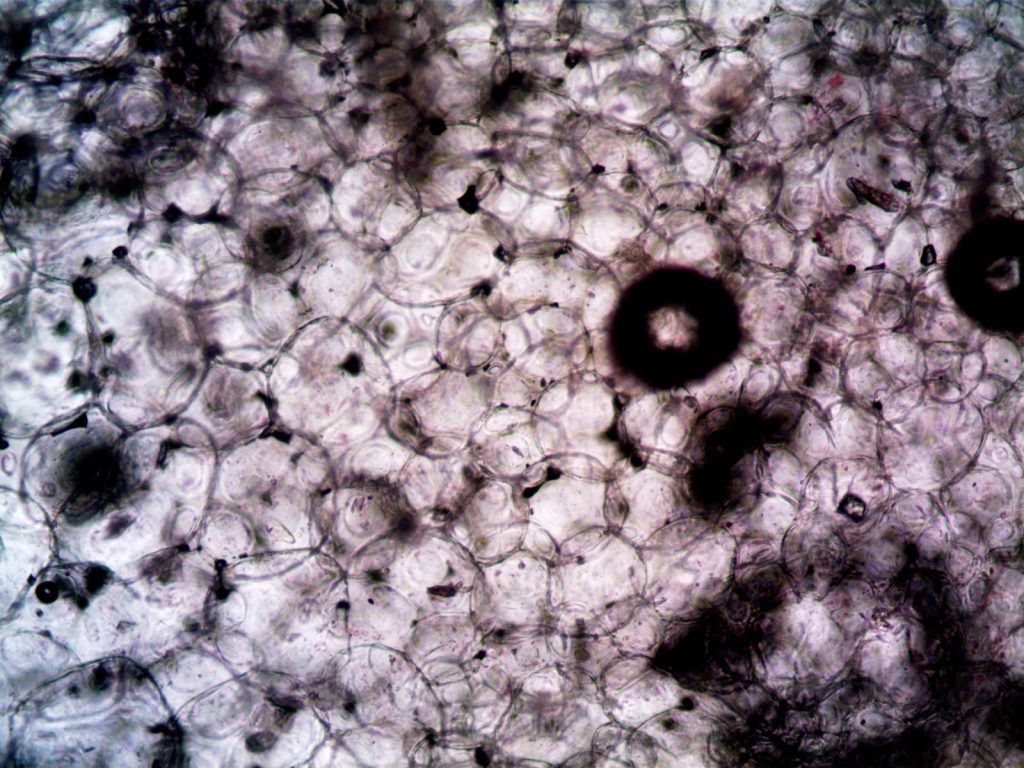
When the synthetic cells began dividing, they did not grow into neat and uniform shapes. Instead, they swelled and ballooned into weird, bloated physical structures. According to a study in Cell, the stripped-down genetic code lacked the instructions needed to control cellular size. They were monstrous. Understanding this chaotic growth pattern required researchers to rebuild the missing pieces.
Restoring Biological Order
The research team spent years carefully adding a handful of genes back into the simplified organism. They wanted to see if they could normalize the cell division process. According to reports from the National Science Foundation, adding just nineteen key genes completely restored normal cellular behavior. Biological order returned. However, the function of several essential genes in this model remains a total mystery.
The Unexplained Instructions
Out of the essential genes required to keep this new lifeform alive, scientists cannot explain what thirty of them actually do. They are absolutely critical to survival, but their biological function is completely unknown. According to molecular biologists, this mystery proves our current understanding of DNA is still highly incomplete. We are blind. This blind spot is forcing a massive rewrite of modern evolutionary theory.
Designing Future Organisms
This breakthrough allows scientists to treat living organisms like programmable computers. They can write custom DNA programs to make bacteria perform highly specific industrial tasks. According to biochemical reports, these programmable cells could soon manufacture clean fuels and target cancer cells directly. The future is here. But creating synthetic life also brings severe biological risks.
The Escape Fear

Critics worry that synthetic lifeforms could escape the lab and cause massive ecological damage. If these creatures enter the wild, they might compete with natural species in unpredictable ways. According to biosecurity experts, researchers must build biological kill switches into every synthetic genome. Safety is vital. This ongoing debate is reshaping how governments regulate advanced genetic engineering.
A Radical Horizon
Building life from scratch teaches us that biology is a highly flexible programming language. This tiny synthetic organism is helping us unlock the deepest secrets of human disease. According to leading geneticists, we are just beginning to understand the code of life. This article is for informational purposes only.
Leave a Reply