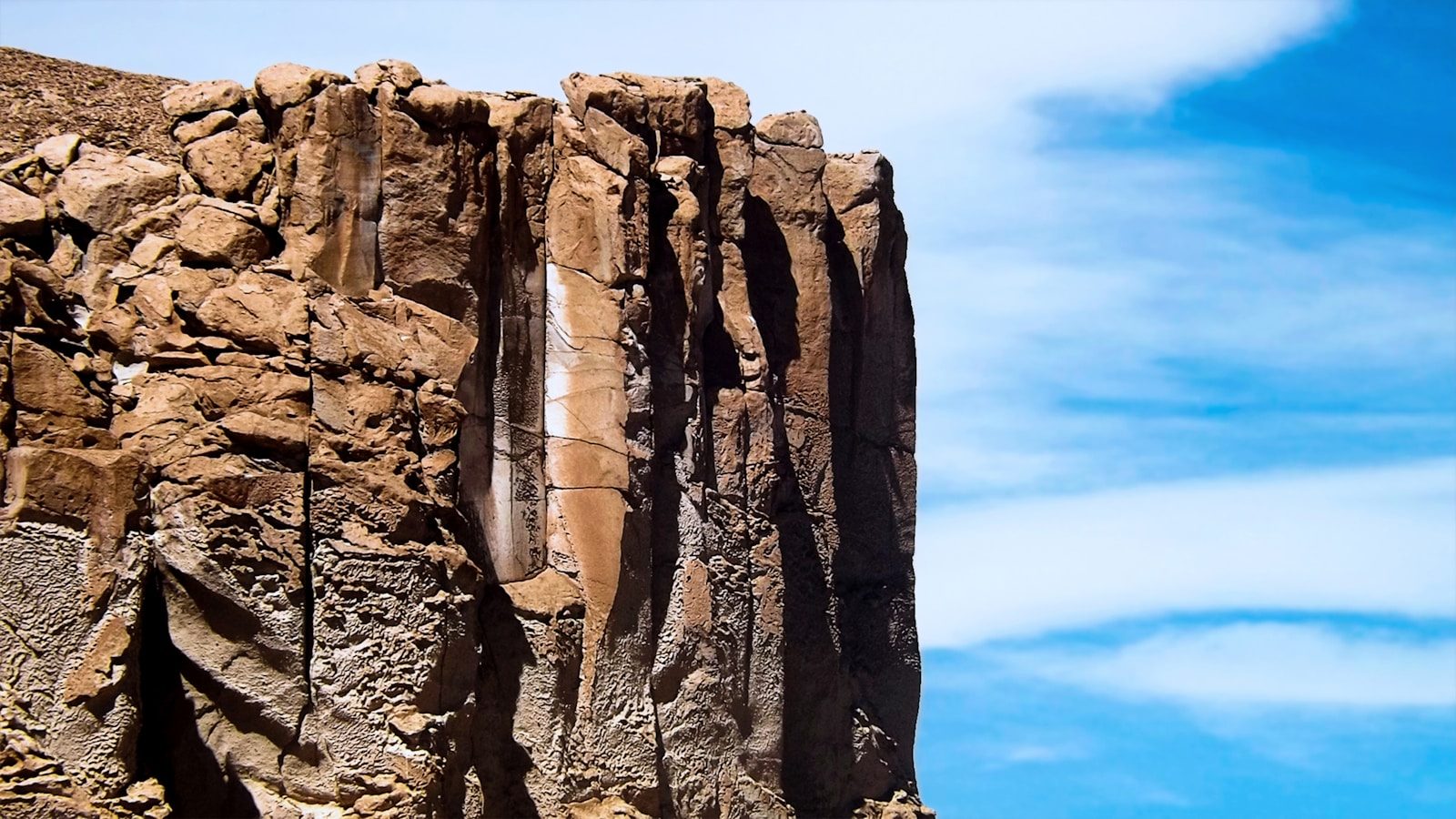
Most nature explorers assume that high cliff faces are completely static stone walls. We believe these vertical rock formations remain entirely unchanged for thousands of years.
But a closer look at Earth’s sheer precipices reveals a highly dynamic geological story. These massive drops are actively reshaping the surrounding environments in surprising ways.
Cracking Under High Pressure
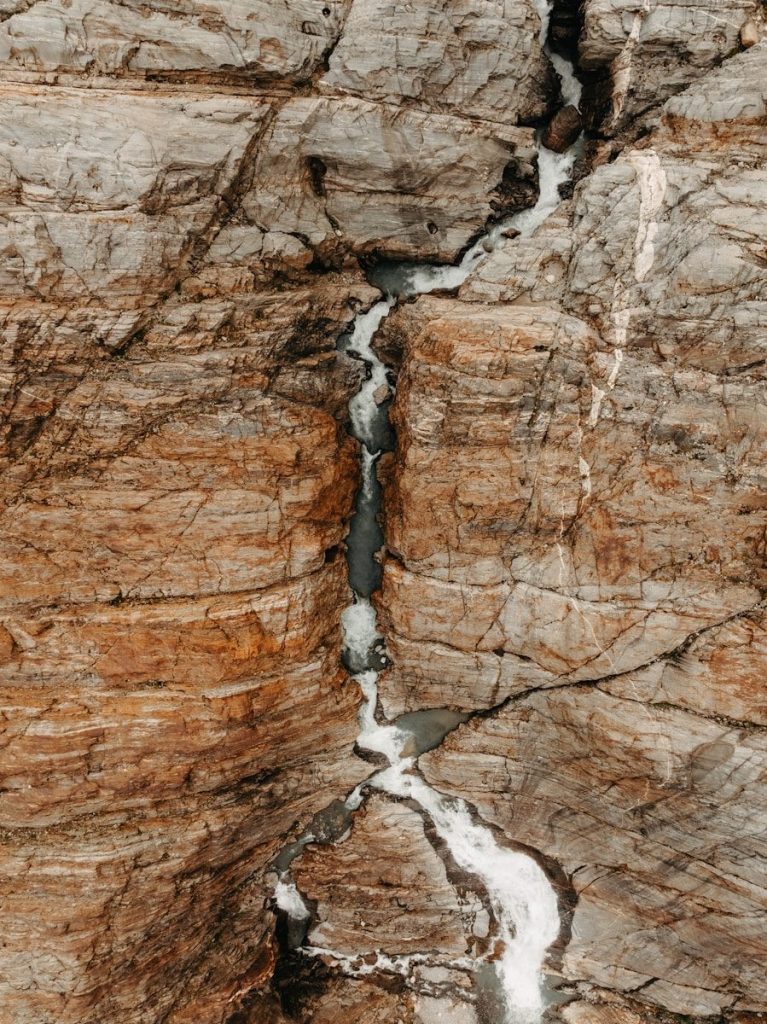
Shifting seasonal temperatures place immense physical stress on high mountain peaks. According to reports from the United States Geological Survey, water traps inside stone cracks and freezes overnight. The ice expands. This silent pressure slowly shatters the outer rock layers until entire sections fall away cleanly. But this ongoing crumbling process is actually creating a highly protective habitat below.
Sheltered Under Giant Shadows
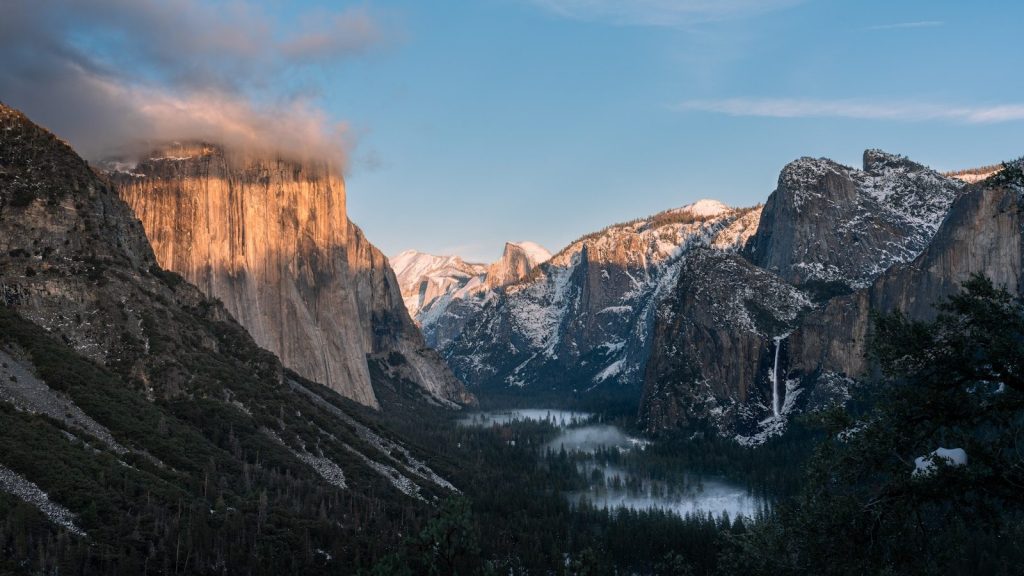
Deep valleys located directly beneath steep rock walls receive almost zero direct sunlight. According to botanical research from the University of California, these dark zones maintain highly stable microclimates year-round. They are damp. This constant moisture allows rare plant species to thrive away from drying winds. But these shaded sanctuaries are also home to highly specialized aerial hunters.
Riding High Wind Currents
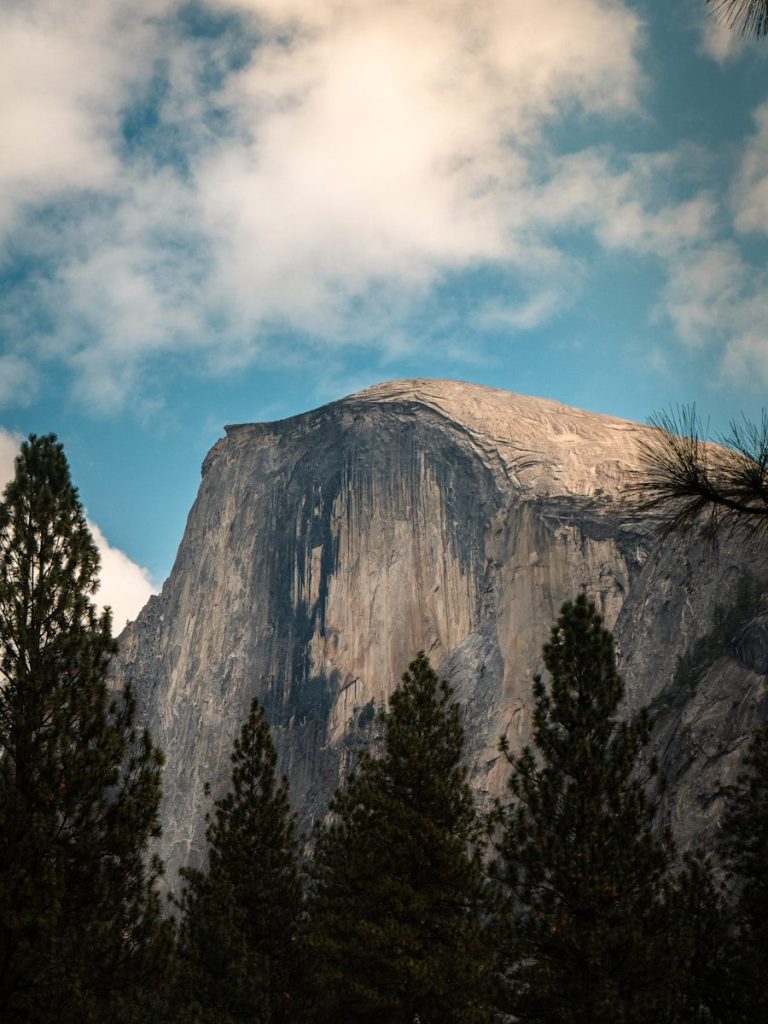
Strong thermal wind currents travel rapidly up the sheer faces of massive cliffs. According to aerodynamic studies from the Audubon Society, predatory birds use these rising air drafts to glide effortlessly. They run silent. This natural lift helps eagles conserve energy while scanning the deep valleys for prey. But navigating these high winds requires having an incredibly precise sense of balance.
Erosion Shaping Deep Canyons
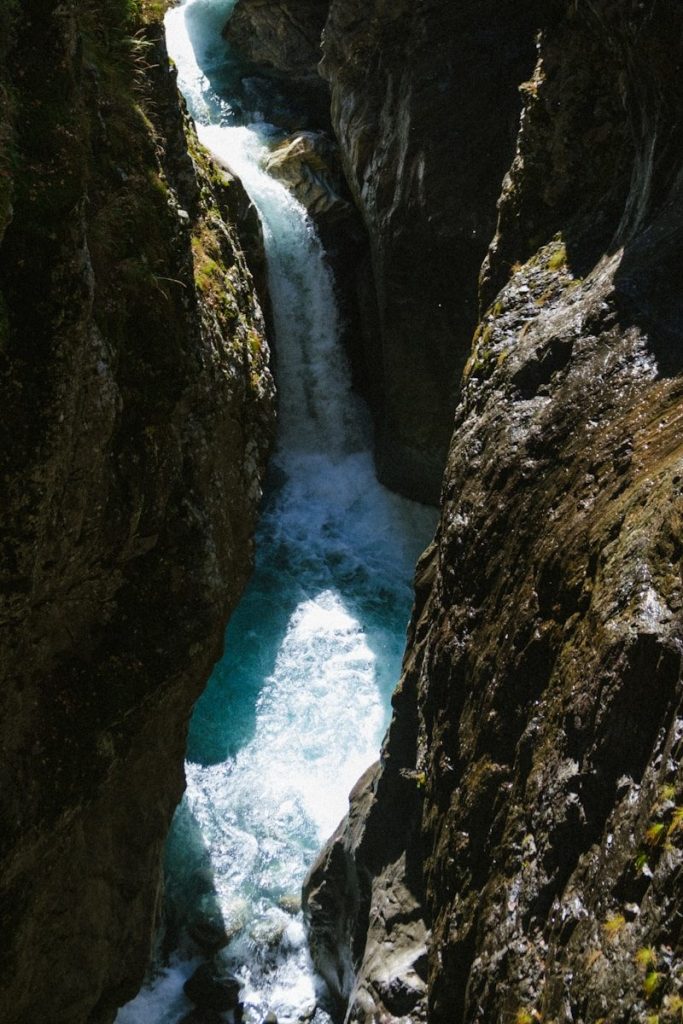
Fast-flowing rivers constantly cut through the soft stone bases of high mountains. According to reports from the Earth Science Institute, this continuous water friction is what originally carved the deepest valleys. The water is relentless. Over millions of years, the river turns flat land into spectacular vertical gorges. But this erosion is also revealing some of our planet’s oldest secrets.
Unveiling Ancient Stone Layers
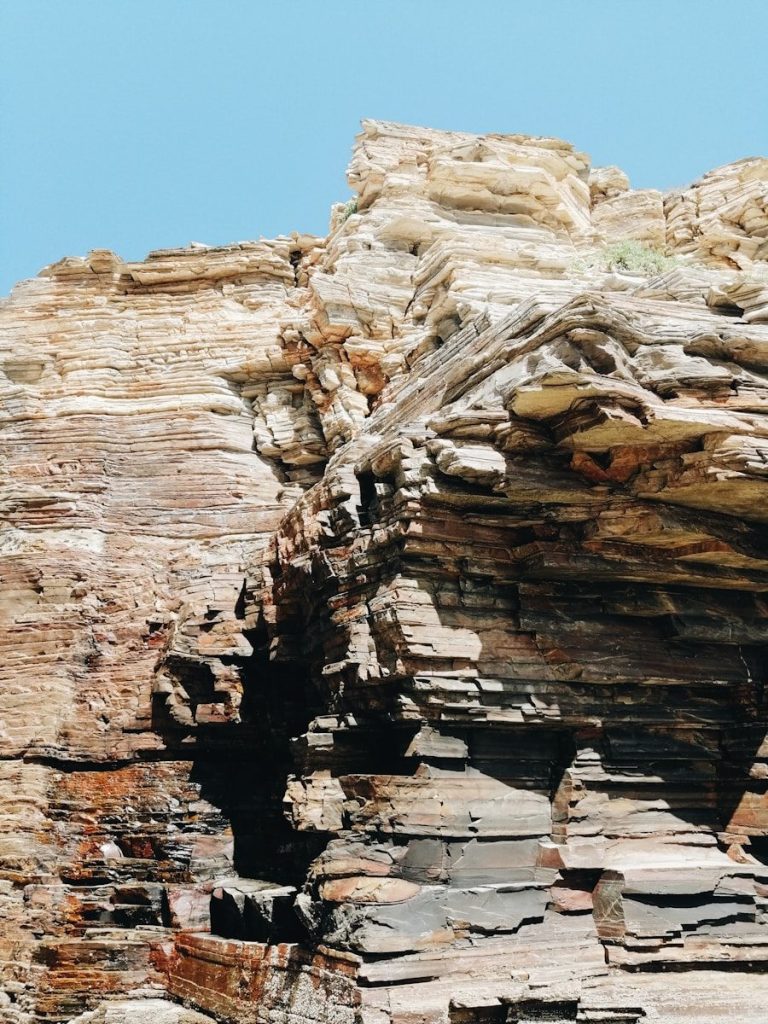
Crumbling cliff faces act like a natural timeline of planetary history. According to sedimentologists, falling rocks often expose pristine fossil layers that were previously buried deep under the surface. They are beautiful. These ancient bands of stone show exactly how climates shifted over vast epochs. But studying these vertical archives requires using highly advanced laser scanners.
Mapping From Deep Gorges
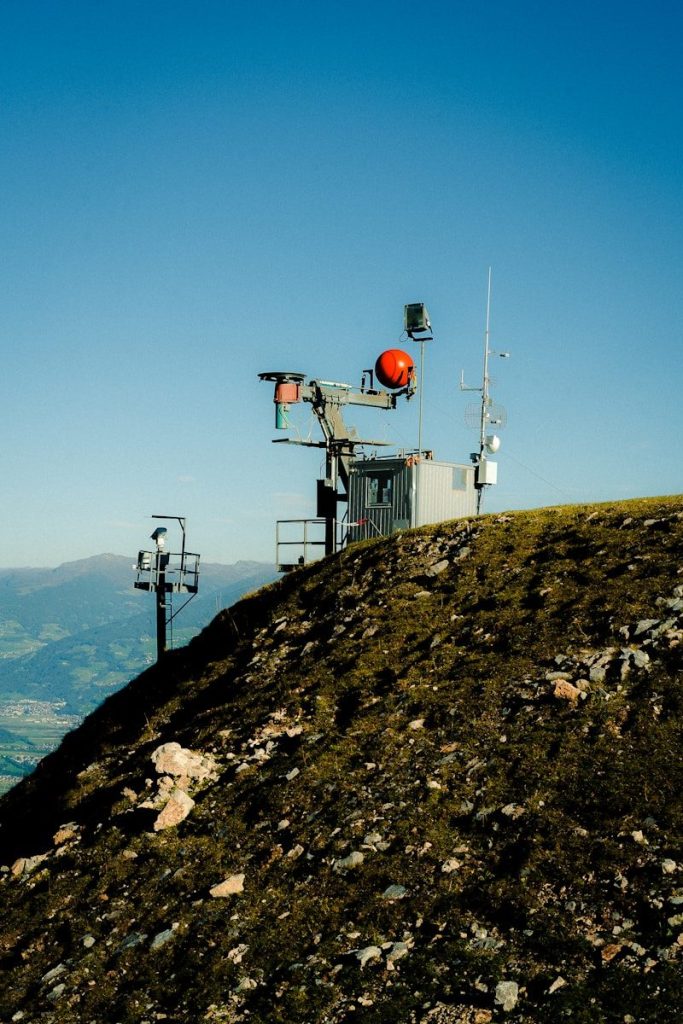
Geologists use specialized laser radar to map the precise contours of sheer stone drop-offs. According to reports from the National Science Foundation, these digital sweeps can track tiny rock shifts before a collapse occurs. Precision is vital. This predictive mapping keeps nearby mountain communities safe from sudden landslides. But some vertical landscapes are actually expanding our biological boundaries.
Surviving On Bare Stone
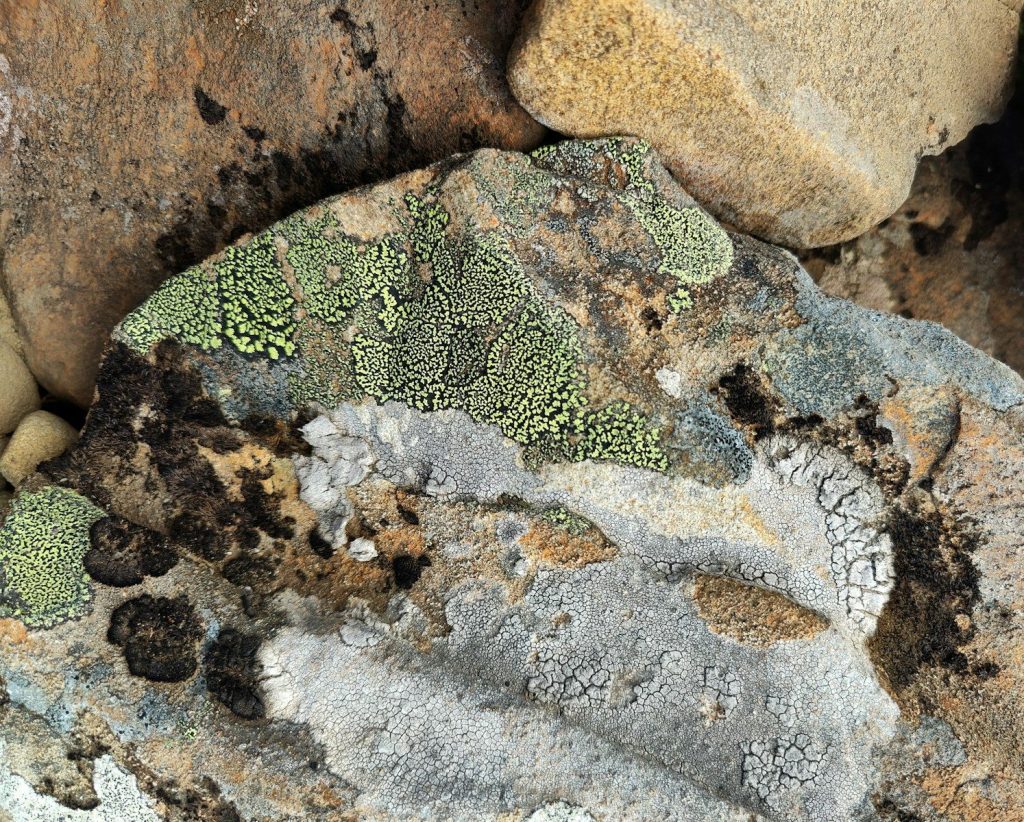
Specialized lichen and moss colonies can grow directly on vertical granite without any soil. According to microbiological reports, these resilient organisms harvest nutrients directly from passing rainwater and dust. They are tough. This primitive life prepares the bare stone for larger plants to take root in the future. But understanding how these vertical ecosystems survive is changing how we view the planet.
Guarding Our Earthly Wonders
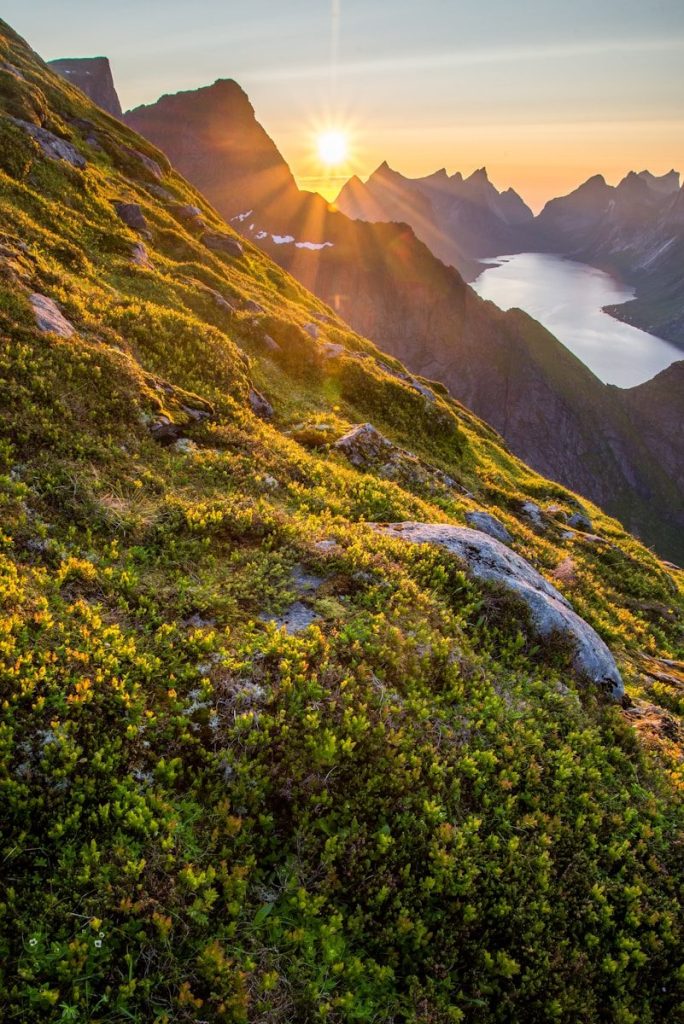
Sheer mountain precipices remind us of the powerful geological forces that continue to shape our world. According to researchers, protecting these vertical wilderness zones preserves rare habitats and natural history. Nature holds deep secrets. This article is for informational purposes only.
Featured Image: Photo by WILLIAN REIS on Unsplash
Leave a Reply