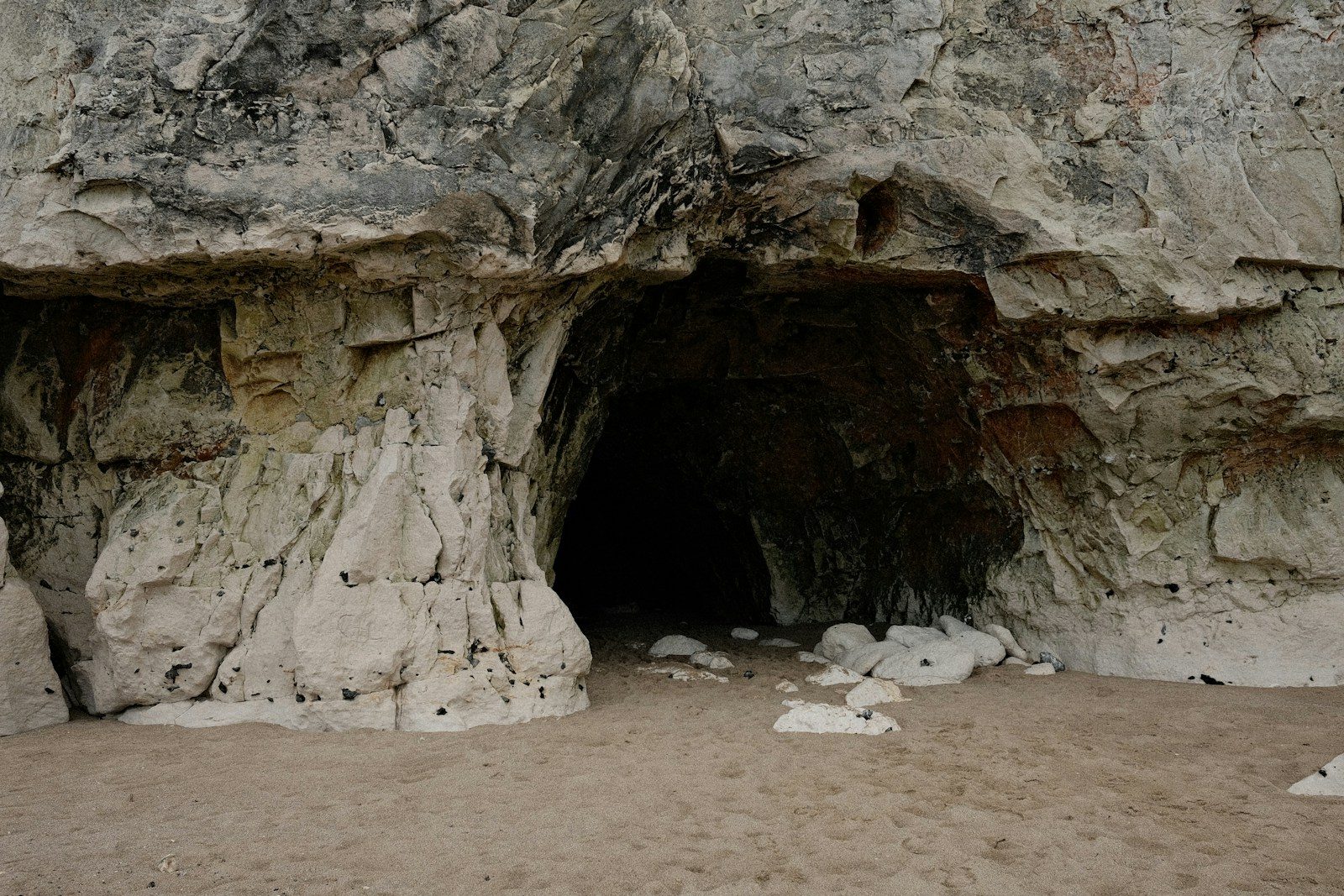
For generations, we believed that early humans lived completely isolated lives. We assumed our ancestors ignored other ancient species they encountered.
But a stunning discovery in Israel has shattered this peaceful image. Neanderthals and modern humans were apparently sharing sacred burial grounds.
The Secret In The Hills
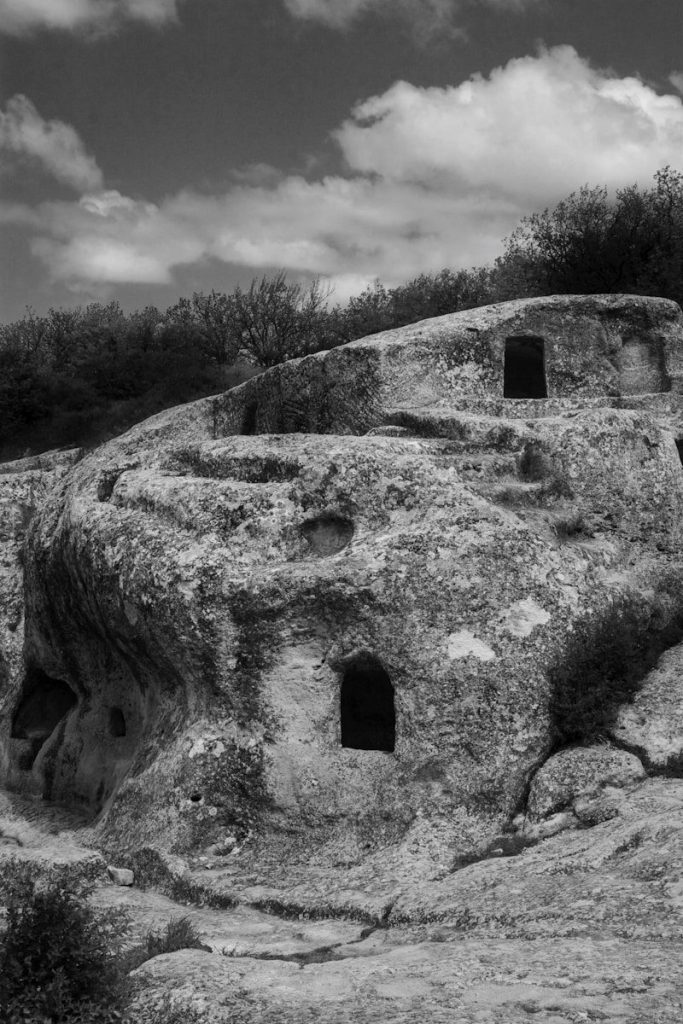
Archaeologists working at Tinshemet Cave uncovered several prehistoric graves hidden deep within the rock. According to reports from the Hebrew University of Jerusalem, these fragile remains actually date back more than 100,000 years into the dark past. The cavern is ancient. Scientists immediately realized they were looking at some of the oldest intentional graves ever found. Yet, the bizarre positioning of the bones soon pointed to an incredibly unexpected cultural behavior.
Clasped Hands In The Dark
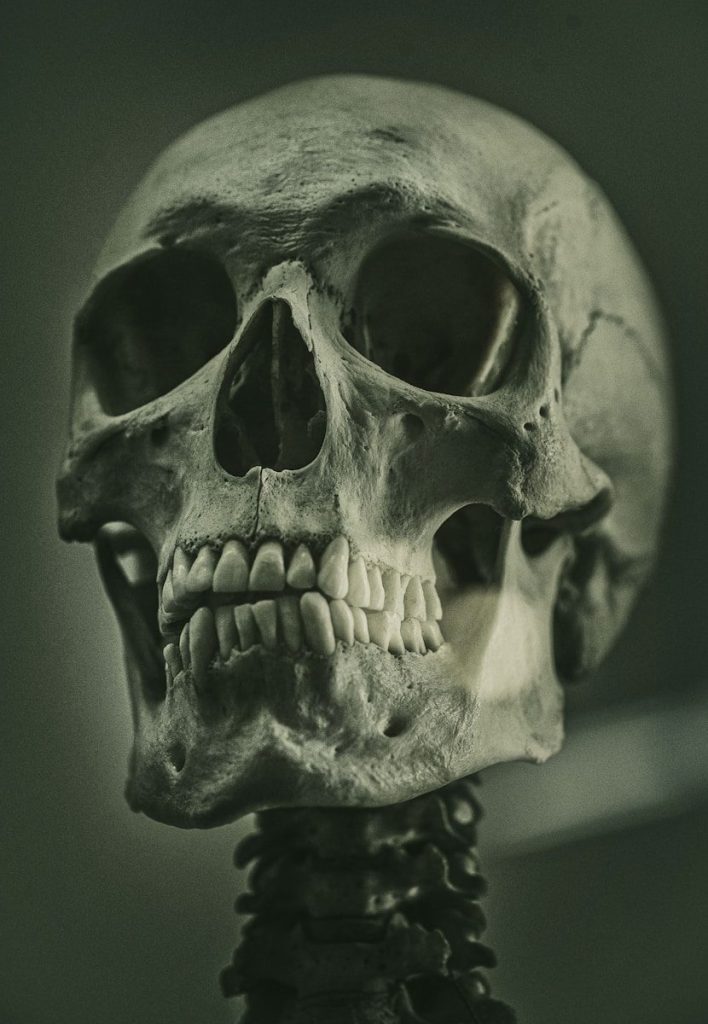
One skeleton lay perfectly intact within a small pit. According to researchers publishing in Nature Human Behavior, ancient builders carefully placed this early human in a fetal position with hands clasped beneath the head. He rested peacefully. This specific posture indicates a deliberate act of mourning rather than a quick disposal. But the identity of the neighbors in this cemetery changed everything.
A Strange Prehistoric Alliance
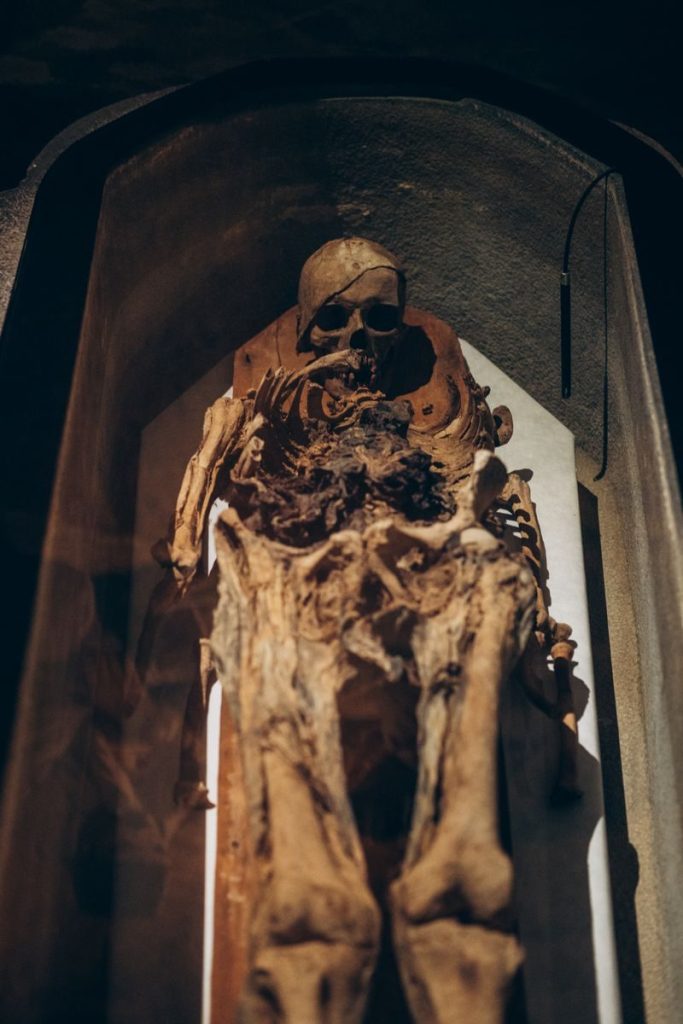
The burial pits did not just contain our direct ancestors. According to the research team, both Neanderthals and Homo sapiens rested side by side in the exact same manner. This is unprecedented. This shared ritual suggests the two different groups did not see each other as enemies or beasts. However, their connection went far beyond simple neighborly respect.
The Mystery Of Ochre Pigments
Scattered around the skeletons were hundreds of heated mineral rocks. According to archaeological analysis, early artists processed these stones at high temperatures to produce red and orange pigments. It was ancient makeup. Mourners likely used these colors for body painting and spiritual expressions during the burial rituals. But these early decorators left behind other objects that had absolutely nothing to do with daily survival.
Gifts From Faraway Lands
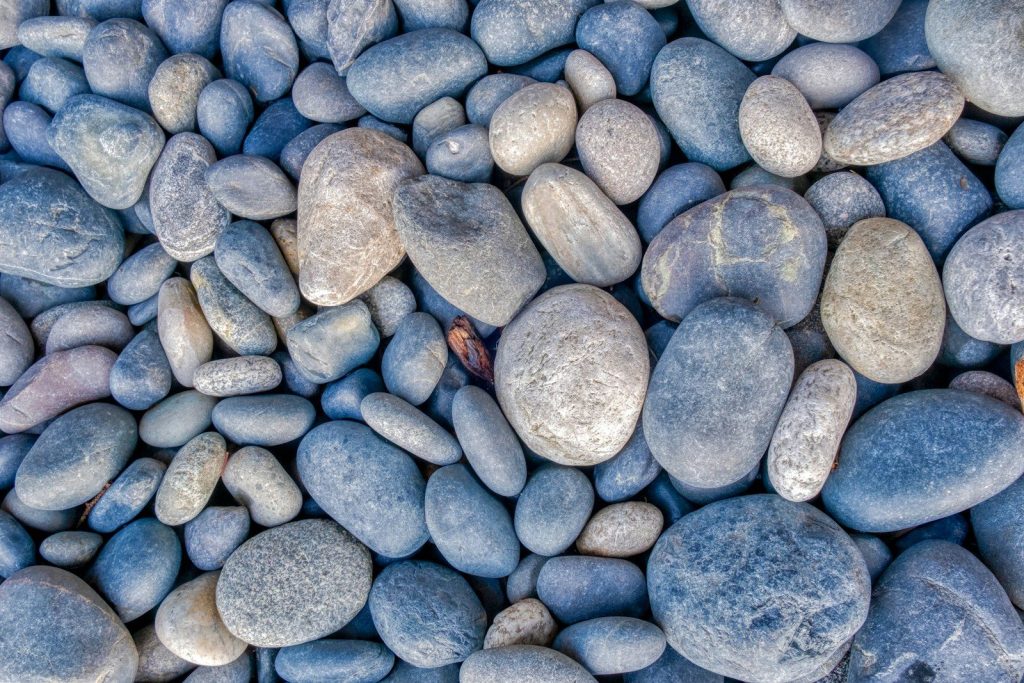
Archaeologists discovered unusual polished basalt pebbles placed beside the remains. According to geologists, early communities imported these stones from water sources located hundreds of kilometers away. The effort was massive. Early humans carried these useless rocks across mountains just to bury them with the dead. Yet, these offerings reveal a massive psychological transition.
The Ash That Saved History
Finding bones after a hundred thousand years is incredibly rare. According to physical anthropologists, frequent ceremonial bonfires created thick layers of protective ash. It was a shield. When rainwater mixed with this ash and the limestone cave walls, it naturally preserved the delicate skeletons. But this protective crust hid a dark truth about survival.
A World Of Interconnected Minds
This cave proves that Neanderthals and modern humans shared more than just territory. According to excavation leader Yossi Zaidner, intense social interactions and cultural blending shaped early human evolution. We were not alone. The two groups exchanged technology, ideas, and even spiritual views of life and death. But researchers are only starting to uncover the deep secrets inside.
Rethinking The Ancient Us
Tinshemet Cave challenges the traditional story of human isolation. According to archaeological science, our ancestors developed a deep capacity for empathy and shared culture long before modern civilization began. This changes our past forever. This article is for informational purposes only and does not constitute professional scientific advice.
Featured Image: Photo by Valentin Lacoste on Unsplash
Leave a Reply