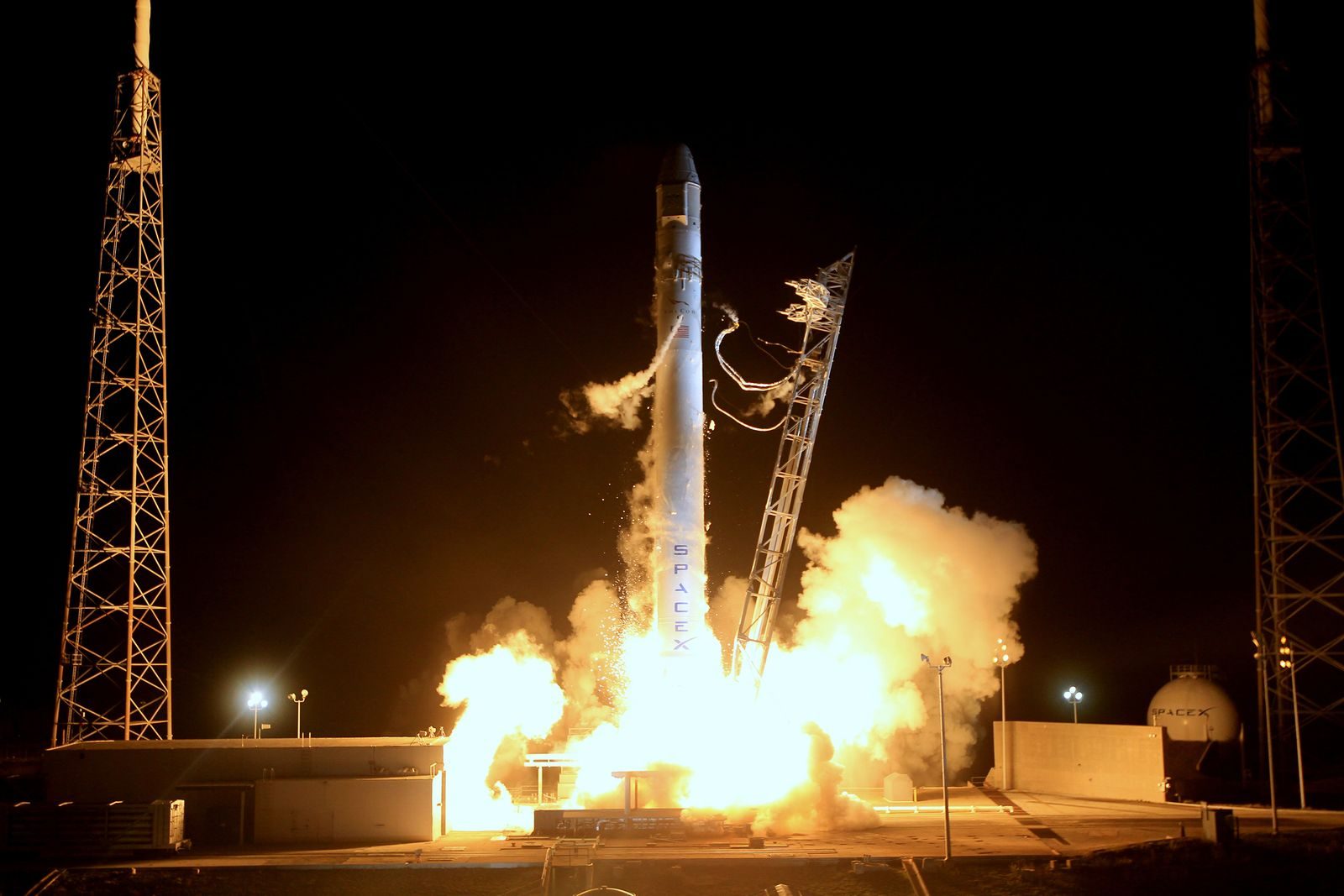
Most space enthusiasts believe that launching more rockets is a clean triumph for human progress. We assume that sending payloads into orbit has no major impact on our atmosphere.
But a surge in space travel is releasing dangerous particles into our most fragile atmospheric layer. This invisible pollution could trigger long-term damage to the shield protecting our planet.
Soaring Launch Rates Today

Commercial spaceflight companies and global agencies are launching rockets at an unprecedented rate. Thousands of satellites are heading into orbit every single year. According to reports from the Federal Aviation Administration, annual launch numbers have tripled in less than a decade. The growth is staggering. The major problem comes from what these engines burn.
Exhaust in the Stratosphere
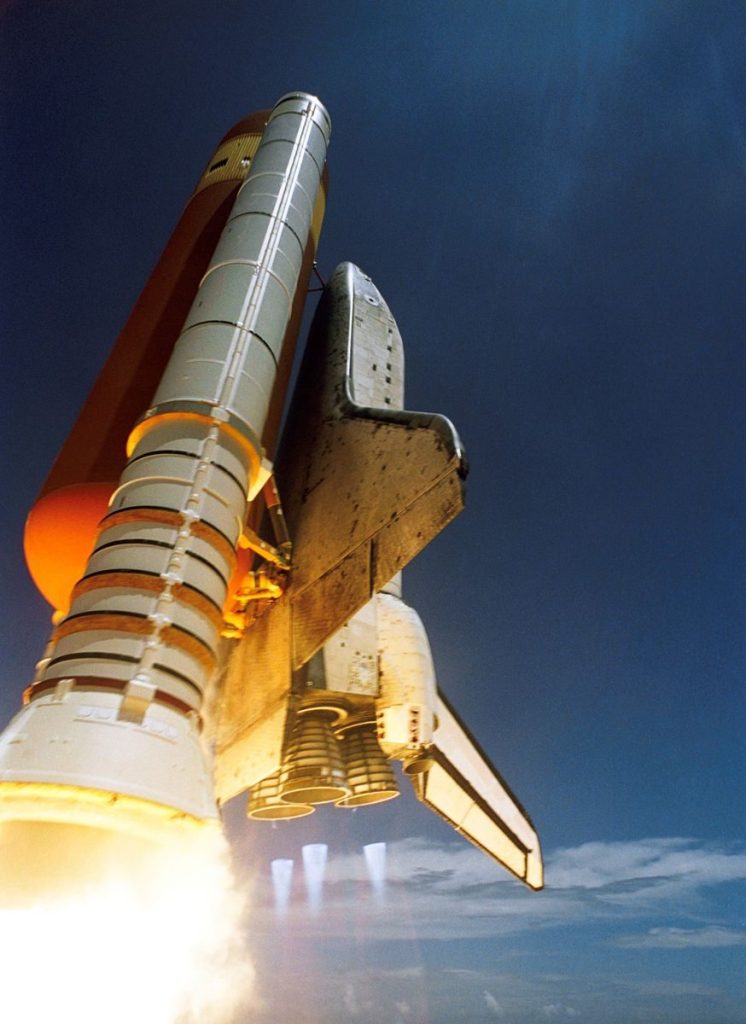
Rockets burn massive amounts of fuel to escape the pull of Earth’s gravity. This combustion process releases black carbon soot directly into our upper atmosphere. According to atmospheric models from NOAA, these dark particles absorb solar radiation and warm the stratosphere. It is highly concerning. This trapped heat directly threatens a vital shield.
The Ozone Layer Hazard

The stratosphere houses the precious ozone layer that blocks harmful ultraviolet rays from reaching the surface. Rising temperatures in this zone accelerate chemical reactions that destroy these protective molecules. According to a study in the journal Earth’s Future, increased rocket launches could reverse decades of ozone recovery. This shield is thin. Burning metal from falling debris adds another threat.
Debris Vaporizing Above Us

Dead satellites and discarded rocket stages eventually fall back down to burn up in the atmosphere. This burn-up process vaporizes metal parts and creates tiny alumina particles. According to reports from the Aerospace Corporation, these microscopic metallic elements can remain suspended in the upper air currents indefinitely. They are highly reflective. Researchers are racing to find cleaner options.
Searching For Cleaner Fuels
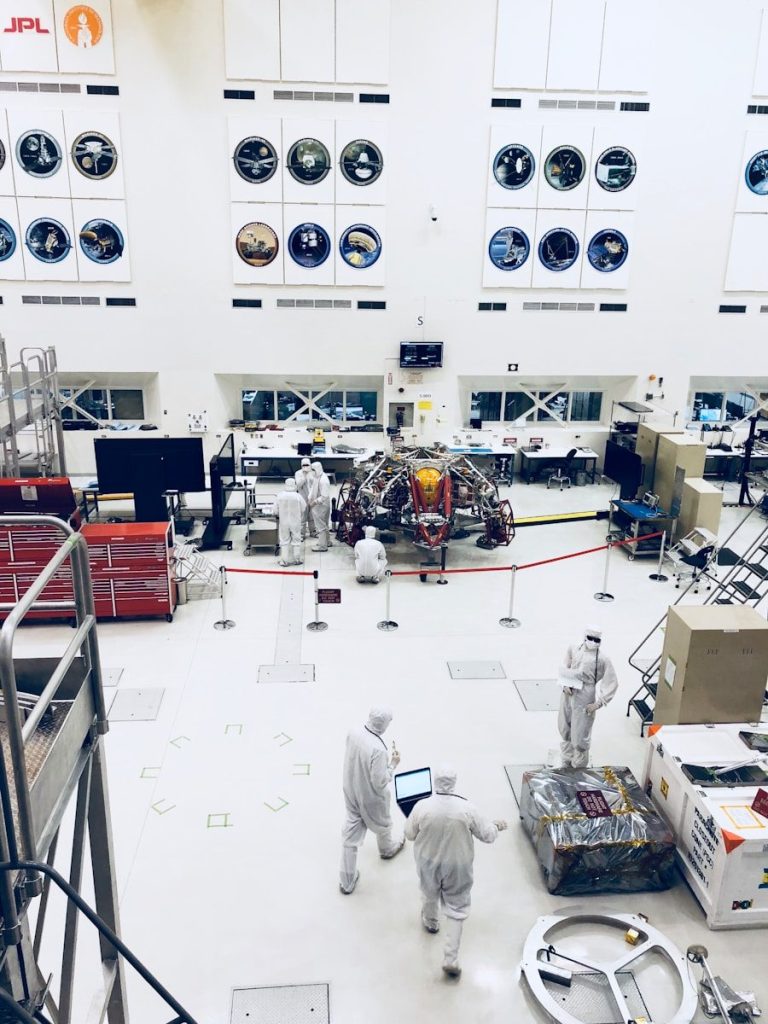
Aerospace engineers are actively developing alternative rocket propellants to minimize atmospheric damage. Some companies are testing liquid methane and hydrogen fuels that produce fewer harmful particles during combustion. According to research from the European Space Agency, these cleaner-burning mixtures significantly reduce soot emissions. Work is progressing fast. Global regulations may soon force a change.
Regulating Our Launch Corridor

International aviation and environmental agencies currently have very few rules governing stratospheric rocket exhaust. This lack of oversight allows companies to launch without strict carbon limits. According to legal experts at the Space Law Society, governments must cooperate to set mandatory clean-fuel standards. Time is running out. Our future off-world depends on protecting our home.
Balancing Earth And Space
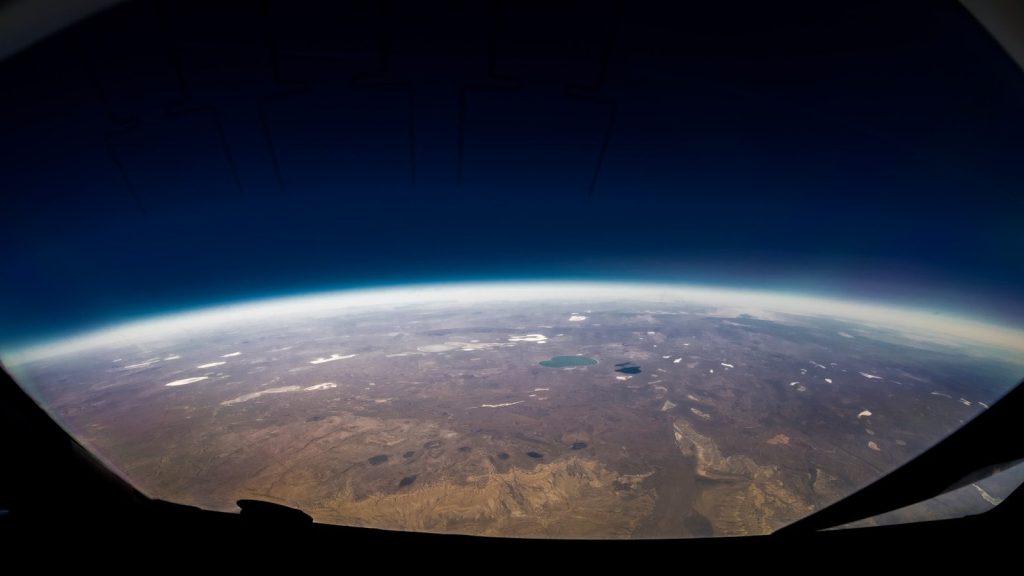
According to environmental scientists at NOAA, protecting the stratosphere does not mean stopping space exploration. It means developing smarter, greener technologies to ensure our reach for the stars does not destroy our own world. We must act before the damage becomes irreversible. This article is for informational purposes only.
Leave a Reply