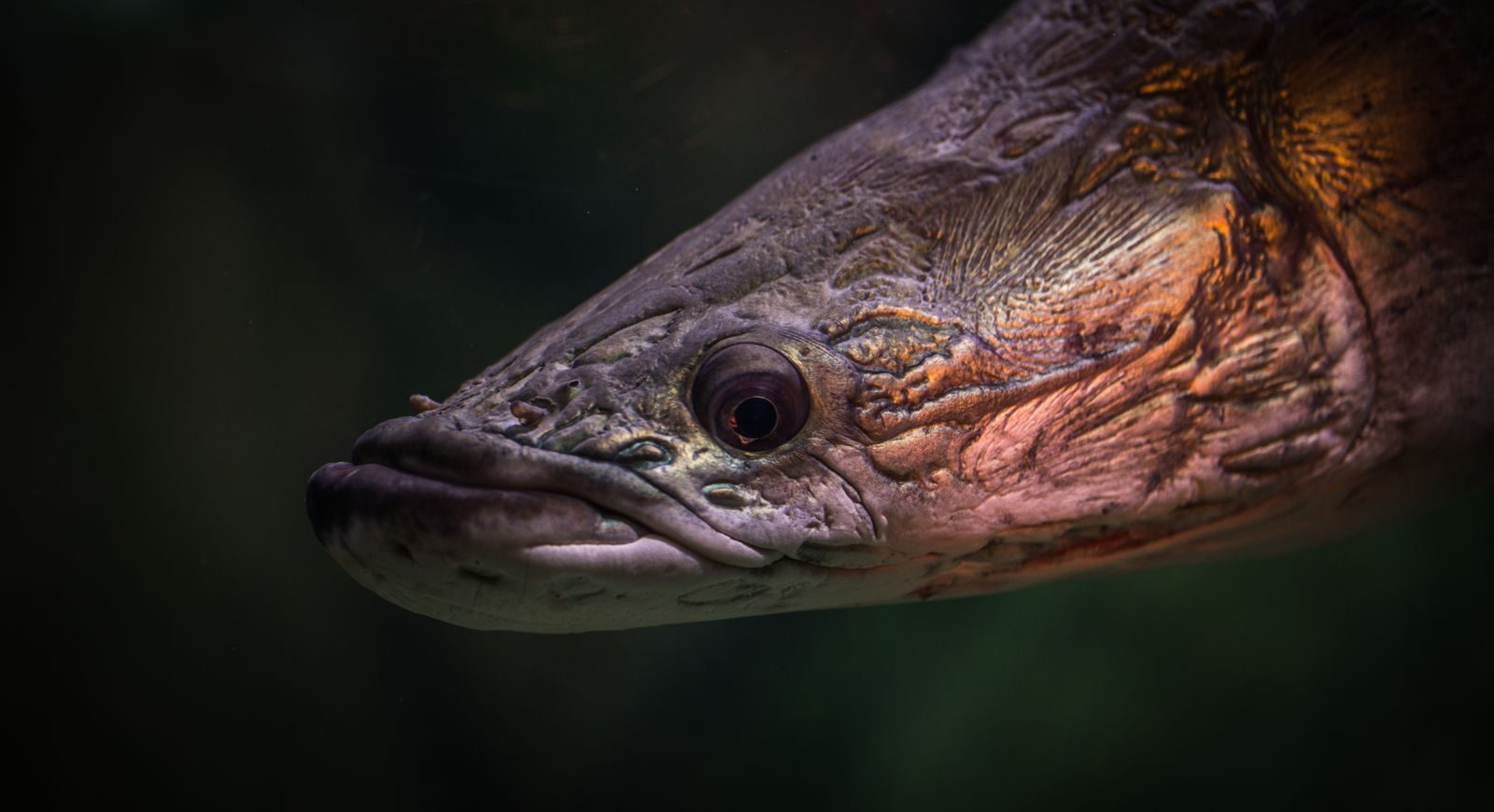
We usually think that lactation is a trait unique to mammals. We assume that fish lay their eggs and swim away, leaving their young to survive completely on their own.
But a massive Amazonian predator is completely breaking these biological rules. Its bizarre parenting strategy has stunned scientists around the world.
The Massive Amazonian Arapaima
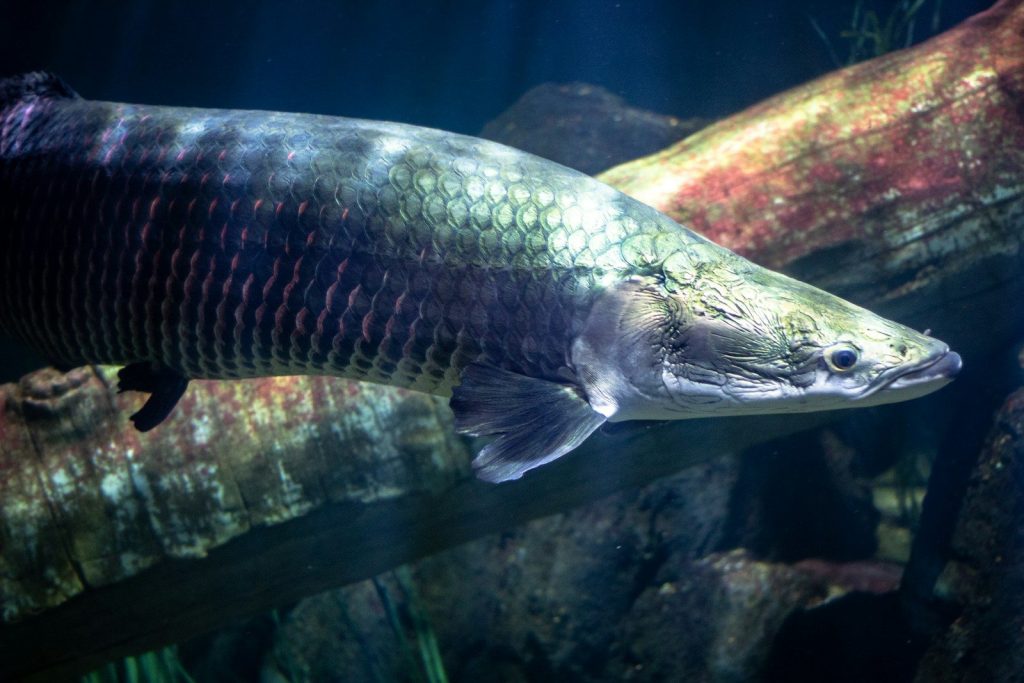
Deep in the murky waters of the Amazon River basin lives the massive Arapaima. According to the Smithsonian National Zoo, this prehistoric fish can grow to ten feet long and weigh over 400 pounds. It is a giant. This heavily armored predator breathes air and hunts in flooded forests, but its most shocking trait involves how it cares for its young.
The Mystery Of Arapaima Milk
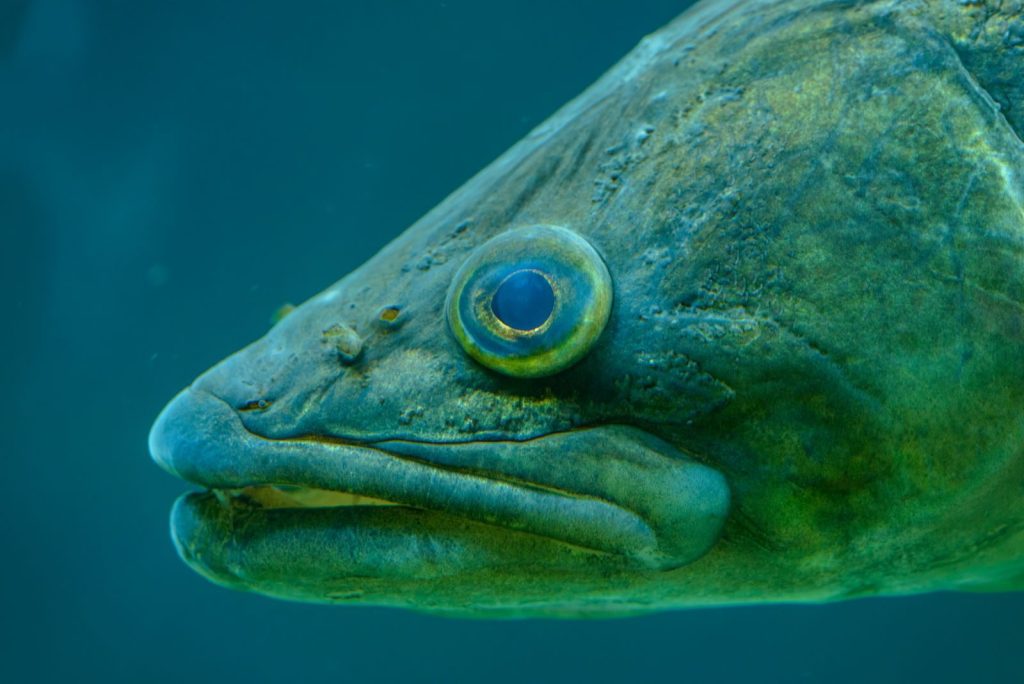
Jungle natives have long told stories of a mysterious white fluid released from the heads of adult Arapaimas. According to a study published in the journal Nature, scientists have finally analyzed this substance. The liquid is white. This thick secretion plays a critical role in the survival of thousands of tiny fry, but the exact composition of this fluid surprised researchers.
A Cocktail Of Active Hormones

Chemical analysis revealed that this fluid does not match mammalian milk. According to researchers from the National Institute for Amazonian Research, the secretion contains hundreds of active proteins. It is highly complex. The fluid contains prolactin, the exact same hormone that drives milk production in human mothers, but this biological cocktail serves a highly protective purpose.
Chemical Shields For Babies
The Amazon waters teem with deadly parasites and pathogens. According to the published proteome analysis, the cephalic fluid contains powerful antimicrobial agents and immune-boosting compounds. The fry are delicate. This secretion builds a chemical shield around the babies to keep them healthy in muddy waters, but the fluid also acts as a powerful communication system.
Unseen Pheromone Guiding Signals
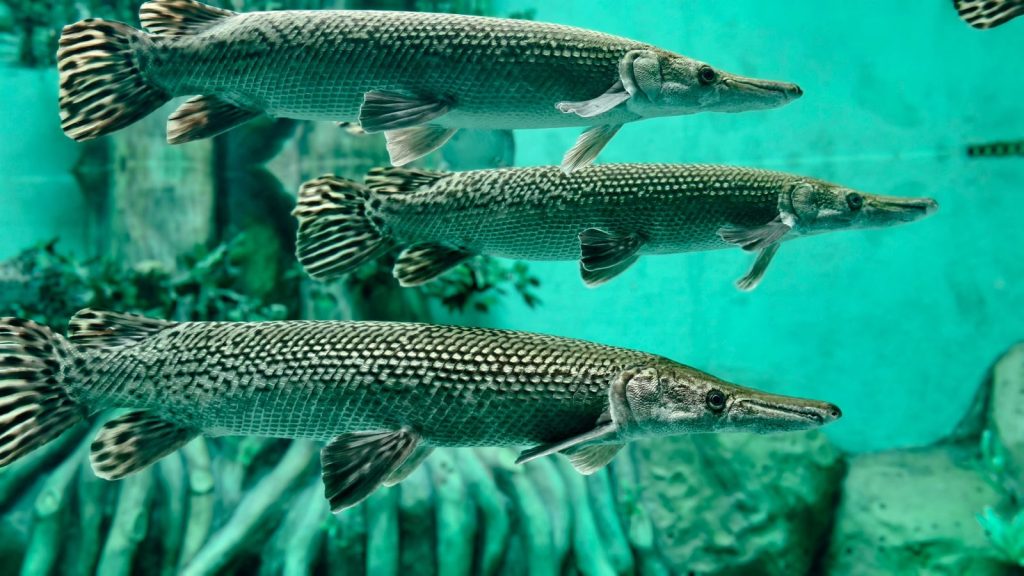
Arapaima fathers lead giant schools of up to 1,000 babies through the dark river bends. According to reports from the U.S. Fish and Wildlife Service, the head fluid contains pheromones that attract the young. The babies follow closely. This chemical tether keeps the massive shoal clustered tightly around the parent’s head, but this intense parental care is incredibly demanding.
Dedicated Fatherly Protection
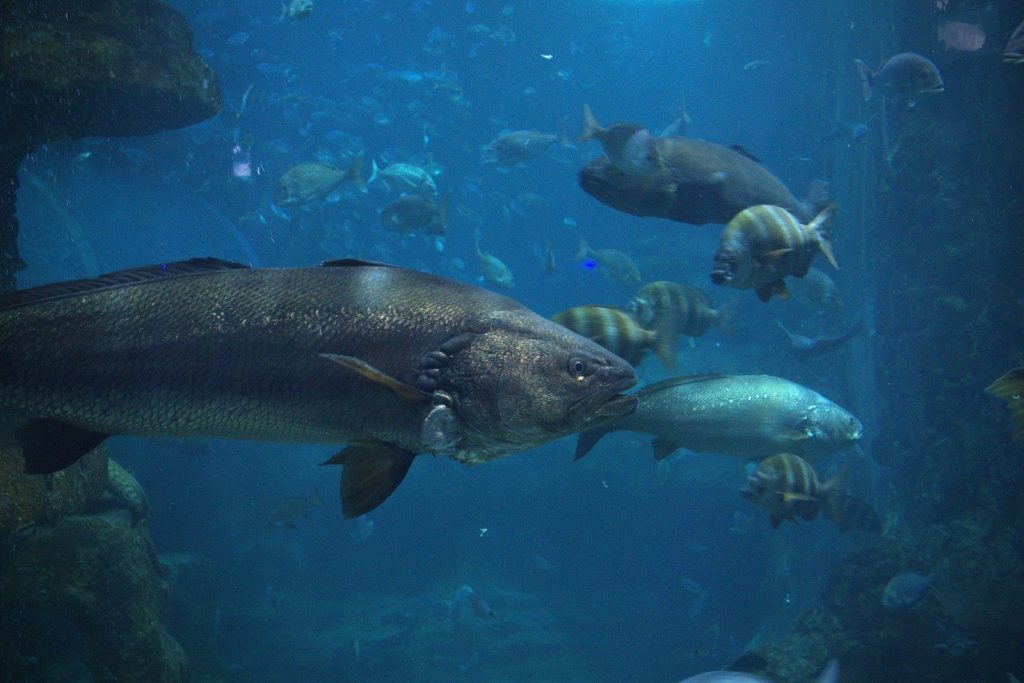
The male Arapaima takes on the primary responsibility of protecting the young. According to Amazonian field studies, the father guards the fry for up to three months while the female patrols the perimeter. He never leaves them. This grueling task requires the male to forgo feeding while guiding his offspring to zooplankton-rich areas, but this ancient survival strategy has allowed the species to persist.
A Jurassic Evolutionary Secret
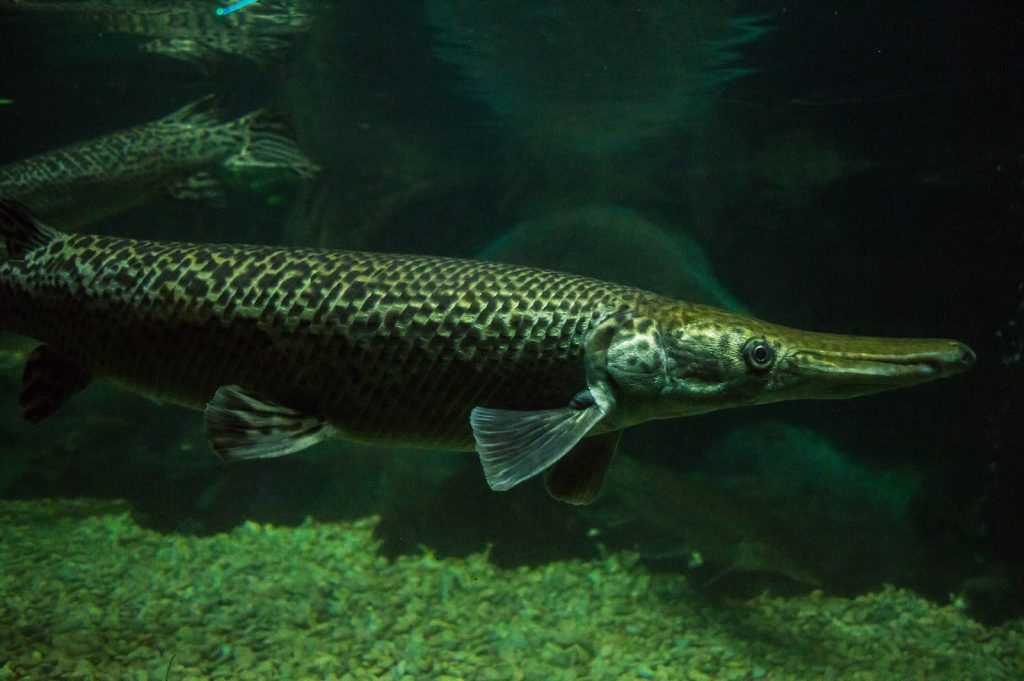
According to evolutionary biologists, this complex parenting explains how the massive Arapaima has survived since the Jurassic period. Their dedication is incredible. This ancient defense strategy proves that complex parental care is not exclusive to land mammals. This article is for informational purposes only.
Featured Image: Photo by Egor Kamelev on Pexels
Leave a Reply