Most people assume that the deepest parts of the ocean are barren, frozen deserts completely devoid of life. We believe that no organism can survive under the crushing pressure of the abyss.
But a record-breaking marine expedition has just revealed a thriving hidden ecosystem miles beneath the waves. This stunning world of alien-like creatures is changing how we understand biology.
Venturing Into The Deep
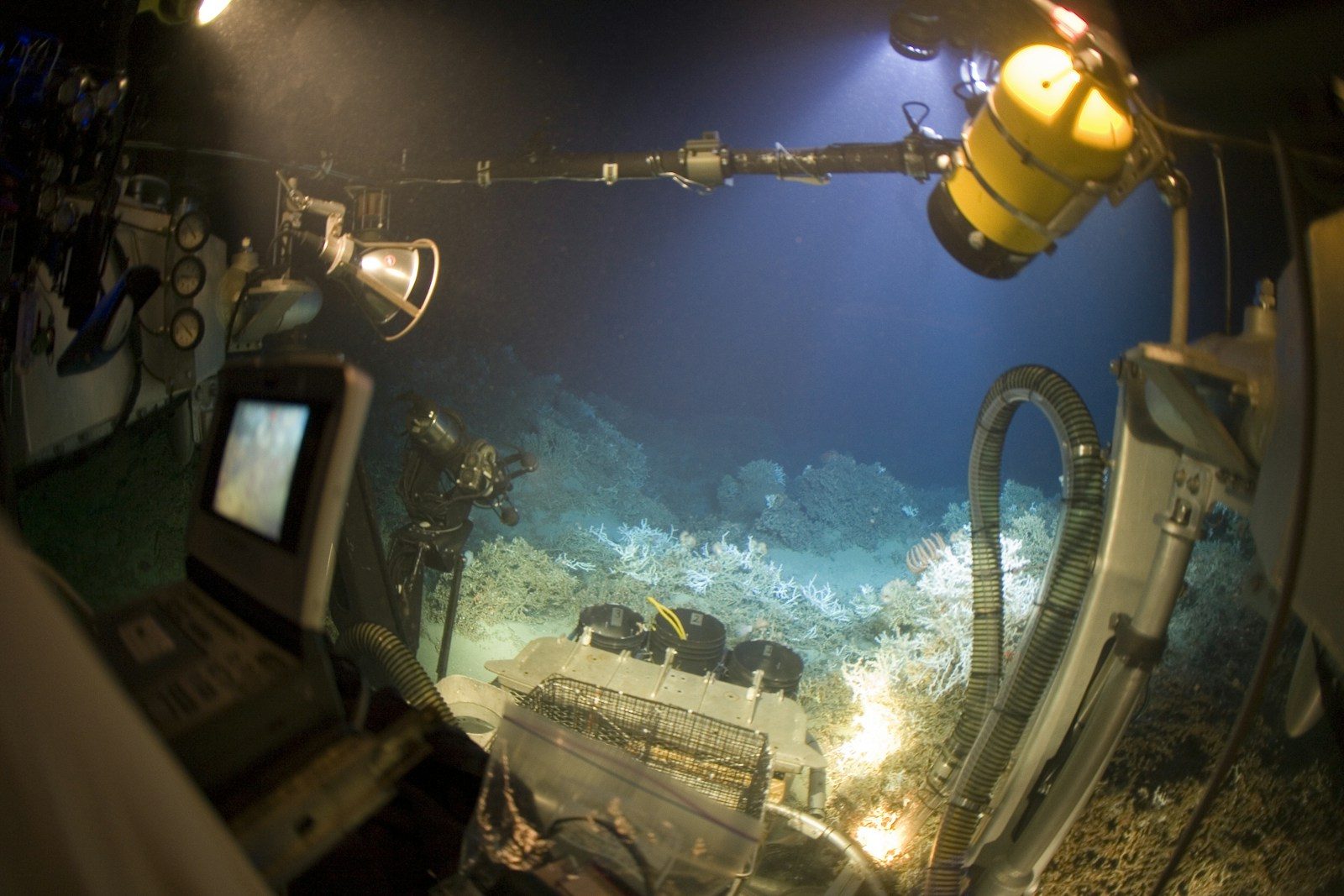
A specialized titanium capsule recently descended into the dark waters of the northwest Pacific Ocean. According to a study published in the journal Nature, scientists reached an incredible depth of 31,000 feet. The environment was brutal. The team peered through the tiny viewport into a pitch-black world where sunlight never penetrates, but the ocean floor held a massive surprise.
Thriving Under Crushing Pressure
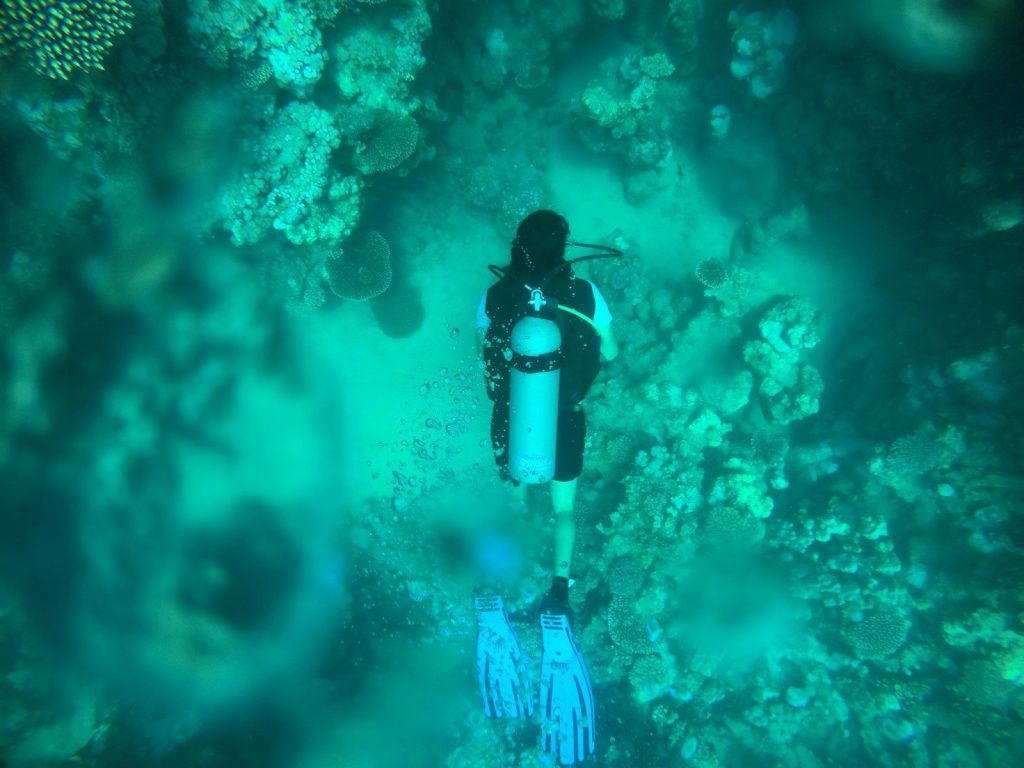
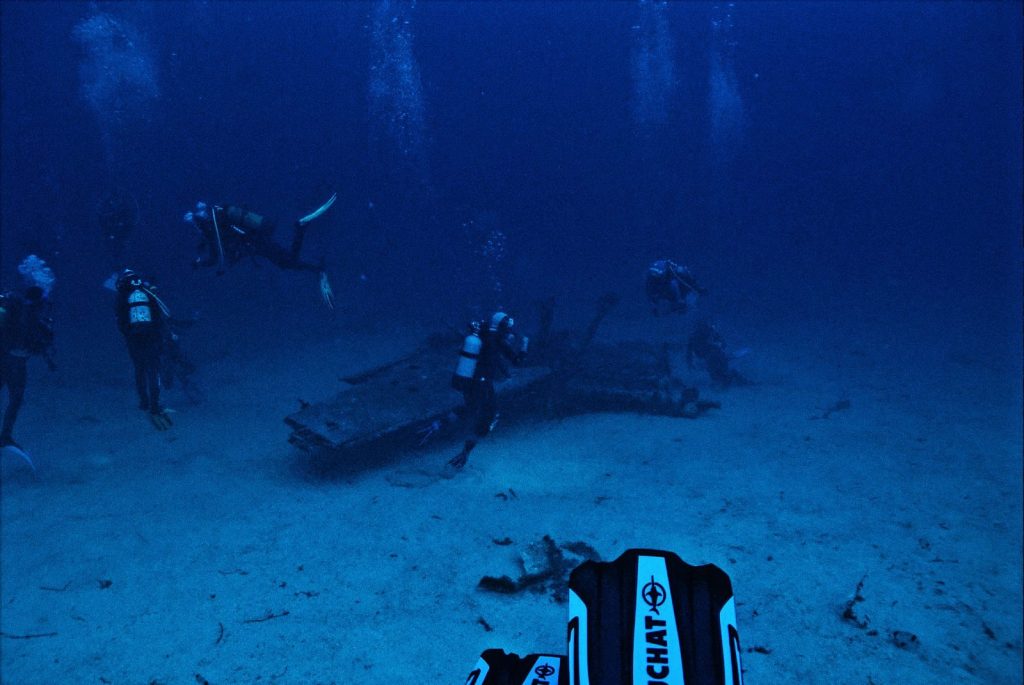
At these extreme depths, the water pressure is more than 1,000 times greater than at the surface. According to the Chinese Academy of Sciences, this force would instantly crush most man-made vessels. Yet, the ocean floor was crawling with life. They were everywhere. Whole communities of strange organisms thrived on the muddy seabed, but their survival relies on a chemical secret.
The Power Of Chemosynthesis
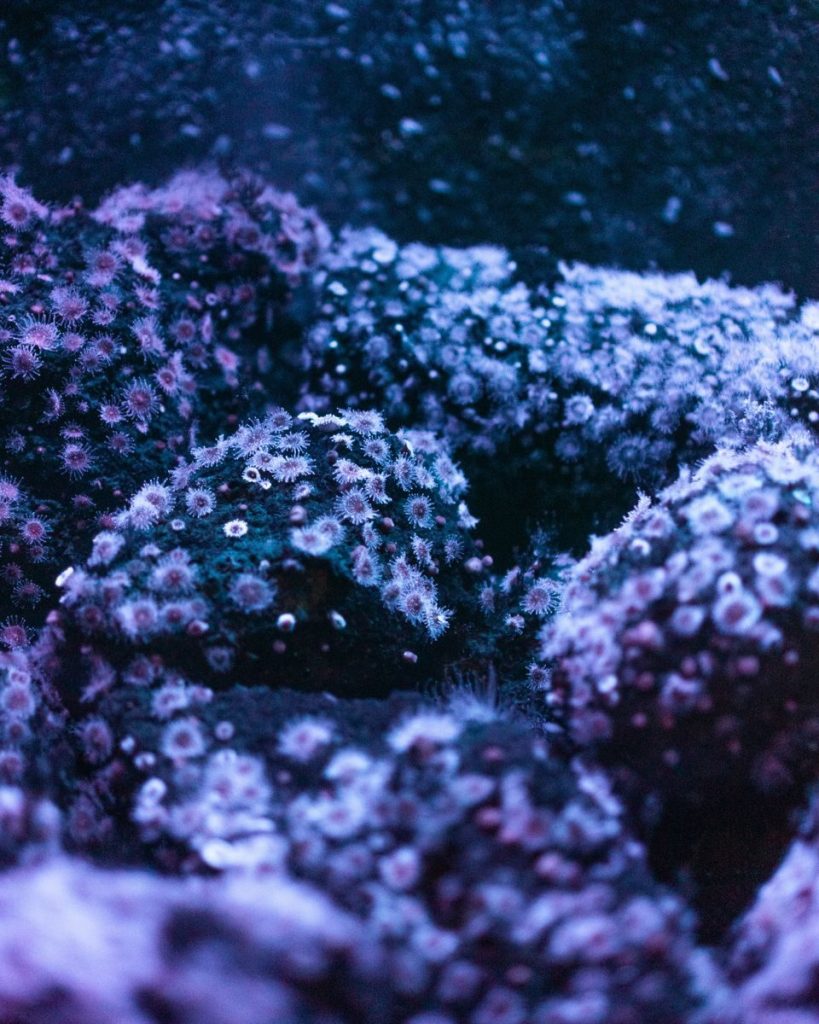
Sunlight cannot reach these depths to fuel photosynthesis. According to reports from the Woods Hole Oceanographic Institution, these deep-sea creatures use chemosynthesis instead. Microbes convert toxic chemicals like hydrogen sulfide and methane into energy. This process is fascinating. These tiny bacteria form the base of a unique food web, but they also support larger, bizarre creatures.
Strange Deep Sea Giants
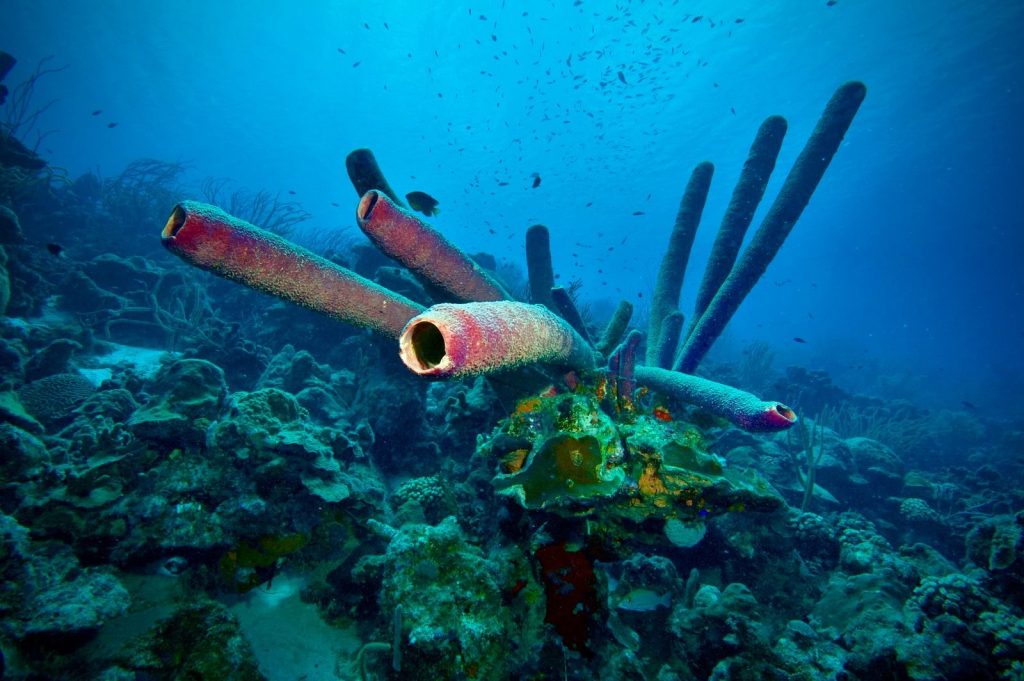
The robotic arms of the submersible collected samples of giant tube worms and deep-sea clams. According to marine biologists, these invertebrates live in symbiotic relationships with the chemosynthetic bacteria. The animals grow to surprising sizes in the freezing water. They have no eyes. These white worms form dense thickets around chemical seeps, but another creature captured the scientists’ attention.
Ghostly Deep Sea Snailfish
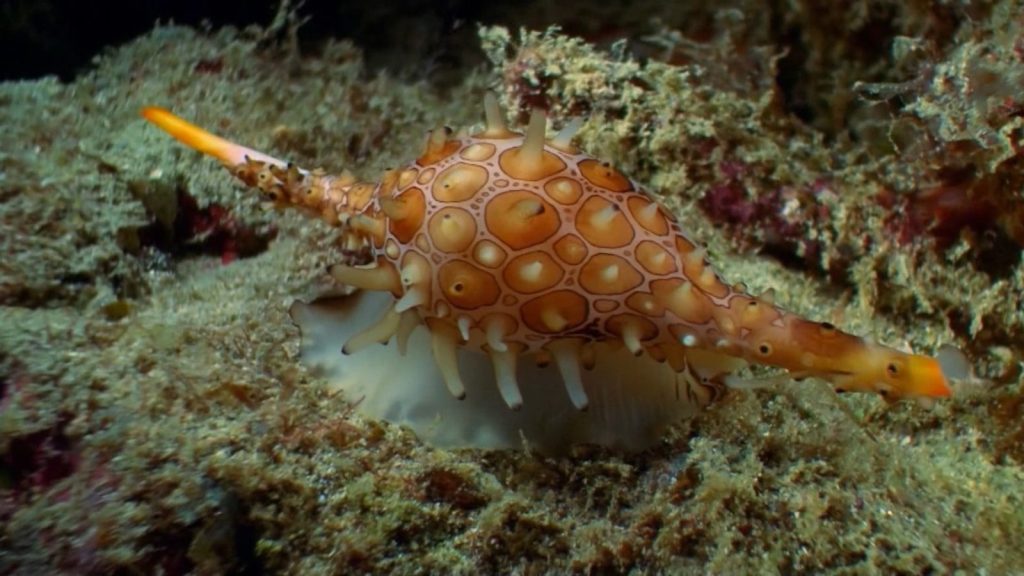
Ghostly white snailfish darted through the water just feet from the ocean floor. According to researchers, these are the deepest known fish on the planet. Their bodies are completely translucent. These fragile predators survive the intense pressure through specialized proteins, but studying these creatures required a major technological breakthrough.
The Fendouzhe Titanium Submersible
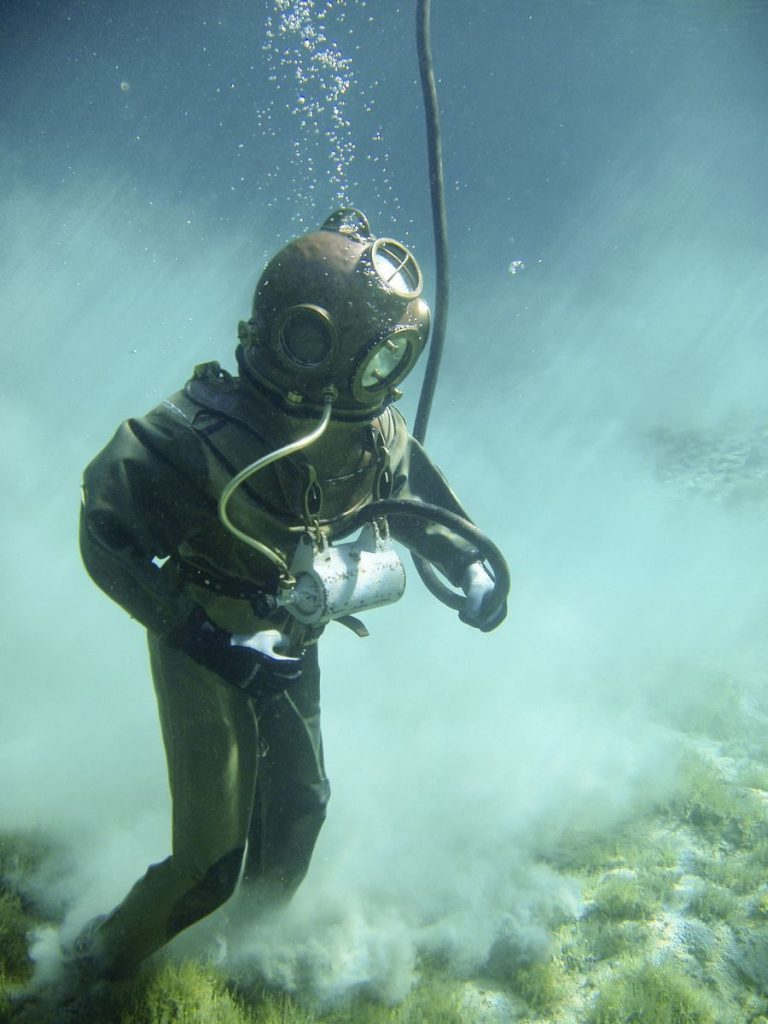
A state-of-the-art Chinese vessel made this incredible voyage possible. According to reports from JAXA, the Fendouzhe submersible utilizes a unique titanium alloy hull designed to withstand extreme pressure. The vehicle carries high-definition cameras and sensitive claw arms. It is incredibly tough. This robust machine gathered thousands of new samples, but laboratory analysis soon revealed another shocking fact.
A Goldmine Of New Species

Back in the shipboard laboratory, scientists examined the collected mud samples under microscopes. According to the Nature study, the team identified thousands of brand-new microbial species. They are completely new. These bizarre single-celled organisms possess unique genetic pathways, but researchers are still trying to understand how this discovery impacts the search for alien life.
Rethinking The Biological Limits
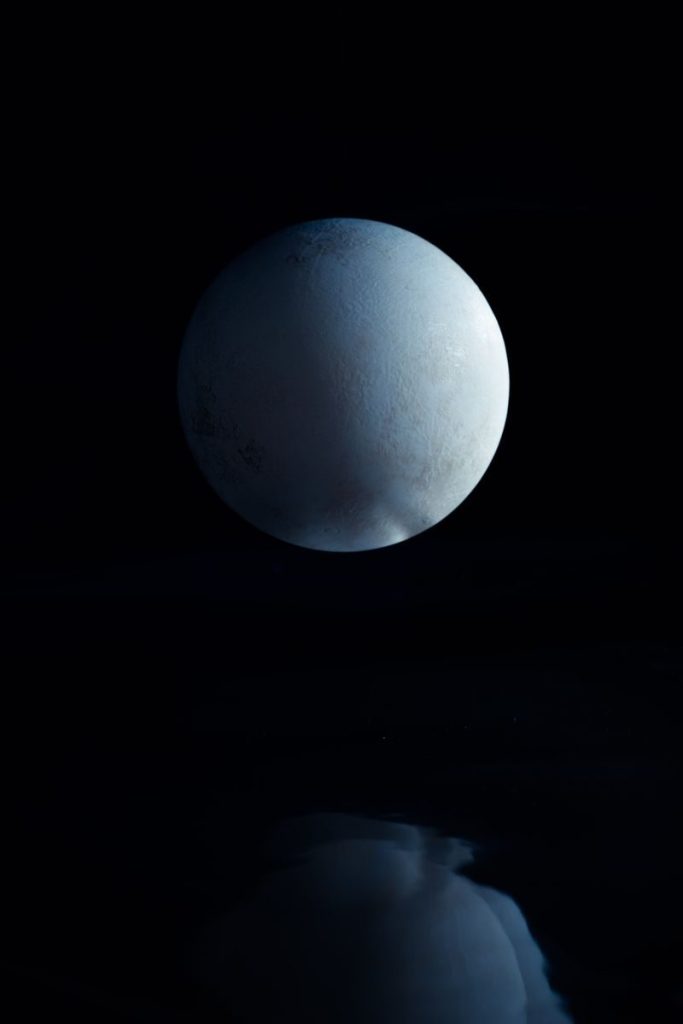
According to astrobiologists, this deep-sea discovery suggests that life could easily exist in the dark oceans of Europa. Life finds a way. These groundbreaking findings completely redefine the physical boundaries of terrestrial biology. This article is for informational purposes only.
Leave a Reply