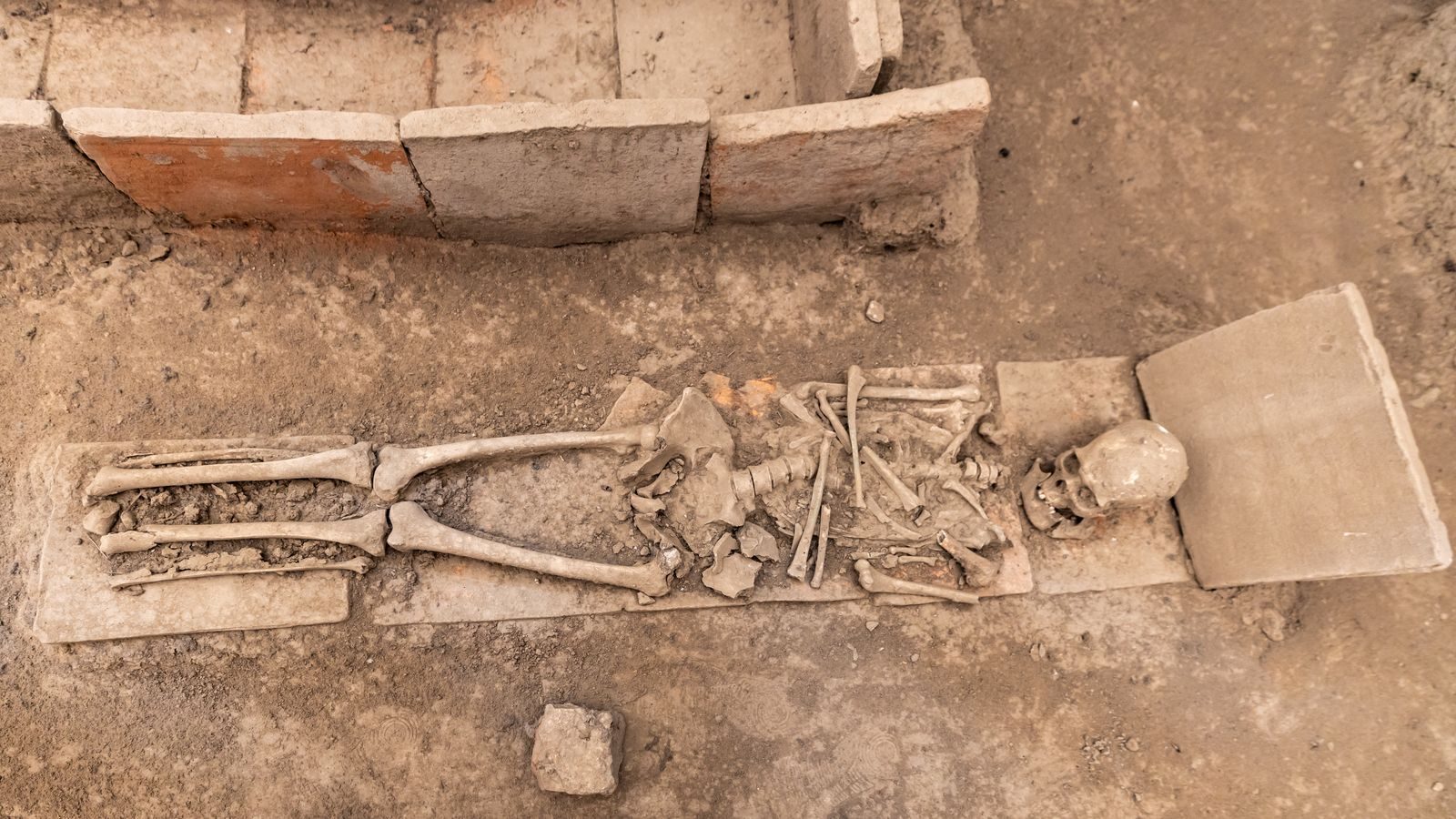
Most history lovers assume that ancient mass graves contain soldiers of average height and build. We believe that physical giants only existed in mythology and folklore stories.
But archaeology students on a training dig have unearthed a shocking historical anomaly. Inside a medieval execution pit lay the bones of an incredibly massive warrior.
A Training Dig Discovery
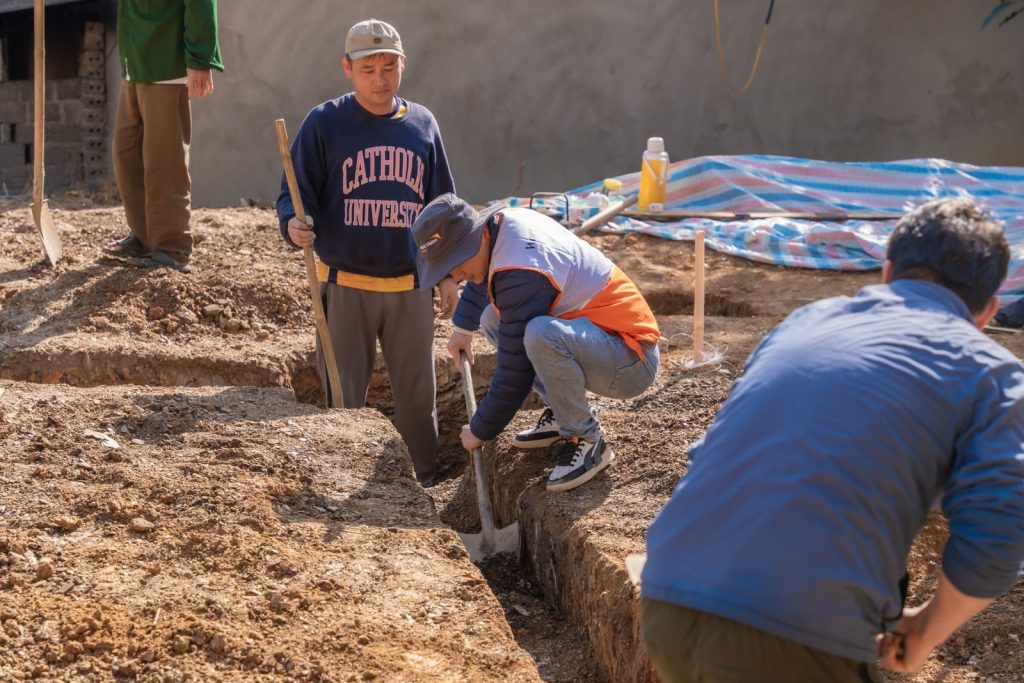
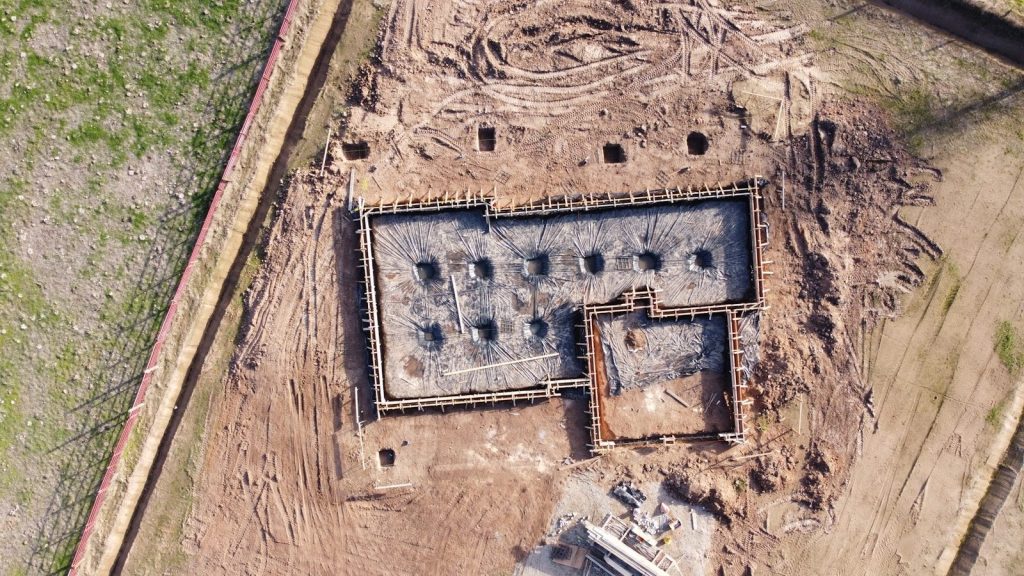
Undergraduates from the University of Cambridge were conducting a routine practice excavation at Wandlebury Country Park. According to project records, they did not expect to find anything beyond basic ancient pottery. They were wrong. Just outside an Iron Age hillfort, the students hit a mass grave containing at least ten young men. But the most shocking skeleton lay at the very center of the trench.
The Giant Of Wandlebury
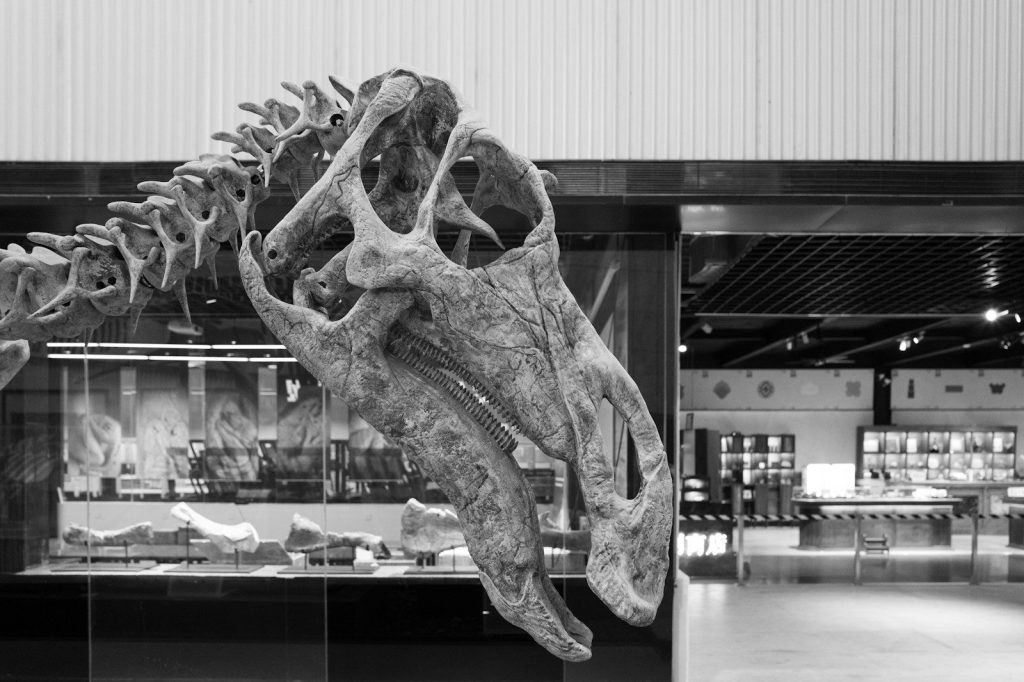
One complete skeleton immediately stood out due to its immense, hulking proportions. According to osteological reports, the young man stood roughly six feet five inches tall. He was incredibly huge. During the ninth century, the average male height reached only five feet six inches. But his impressive stature was actually caused by a rare, painful medical condition.
The Pituitary Gland Secret

Scientists examining the massive limb bones noticed unique markers of abnormal development. According to researchers at the University of Cambridge, the man suffered from a brain tumor that triggered excess growth hormones. His joints surely ached. This pituitary disorder forced his body to grow to giant proportions. However, his skull revealed that medieval doctors attempted an incredibly complex surgery to save him.
Ancient Brain Surgery Evidence
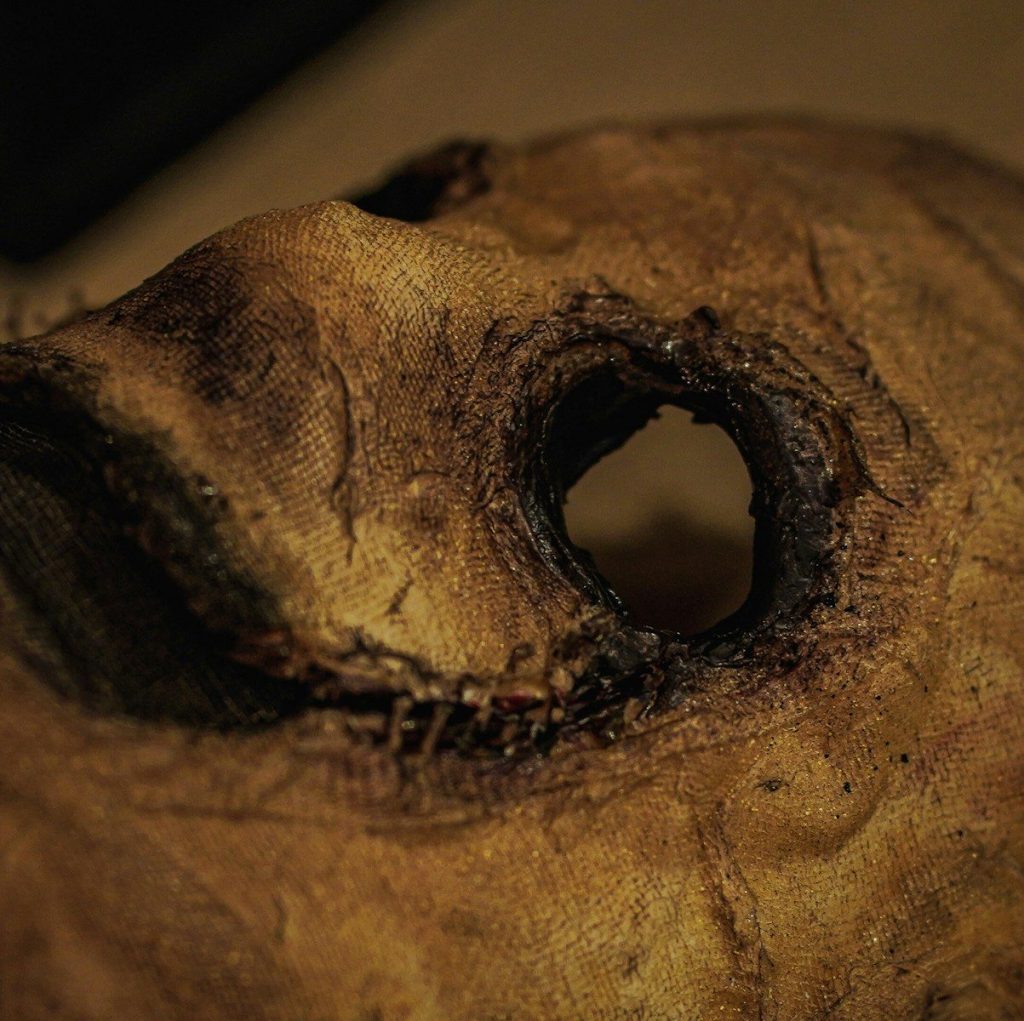
Archaeologists discovered a large, healed oval hole in the left side of the giant’s skull. According to the Duckworth Laboratory, medieval practitioners performed a surgical procedure called trepanation to relieve pressure on his brain. The surgery actually worked. The healed edges of the bone prove the massive warrior survived this brutal operation. But his ultimate fate would be decided on the battlefield.
The Frontier Execution Pit
The giant lay haphazardly alongside nine other young men bound hand and foot. According to carbon dating results, the burial pit dates back to a turbulent era of conflict between Saxons and Vikings. The violence was brutal. Skeletal marks suggest a chaotic mass execution or the immediate aftermath of a bloody border skirmish. Yet, the mix of remains inside the grave still puzzled the excavation team.
Unusual Dismembered Bodies Found
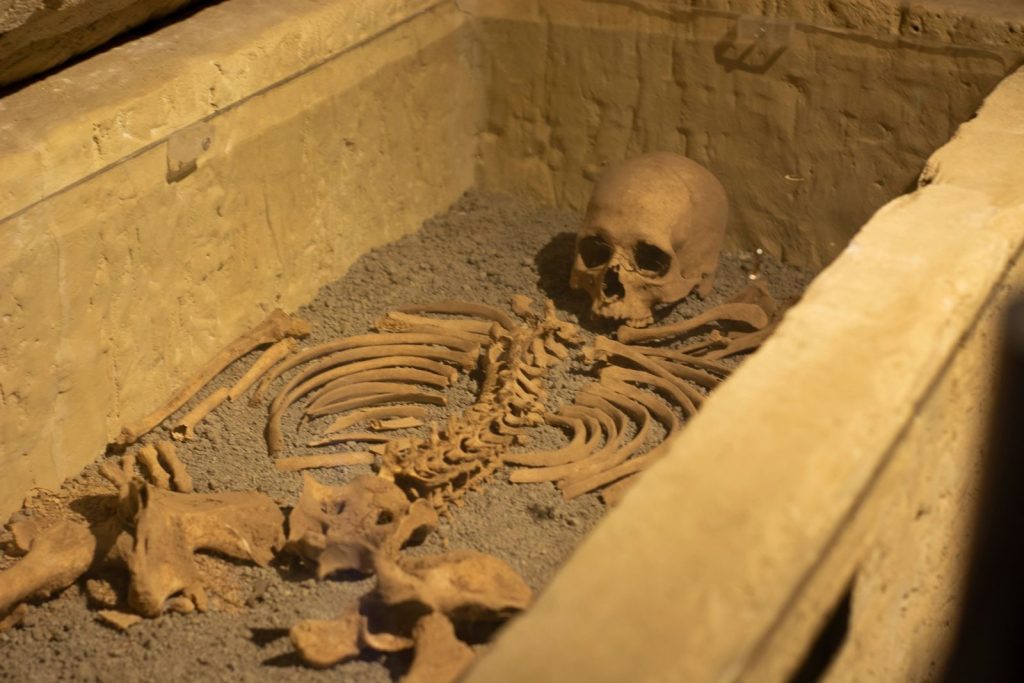
The grave did not contain just standard battlefield skeletons thrown into the dirt. According to archaeologists, the pit also held a stack of severed legs and loose skulls. This is highly bizarre. The varying states of decomposition suggest some bodies were already falling apart before burial. But researchers are still running advanced genetic tests to uncover who these warriors truly were.
Decoding The Medieval Past

According to historical anthropologists, the Wandlebury skeleton provides a rare look at early medicine and warfare. Analyzing these bones helps reconstruct the brutal reality of the Saxon-Viking frontier. History is written in bone. This article is for informational purposes only.
Featured Image: Photo by Boris Hamer on Pexels
Leave a Reply