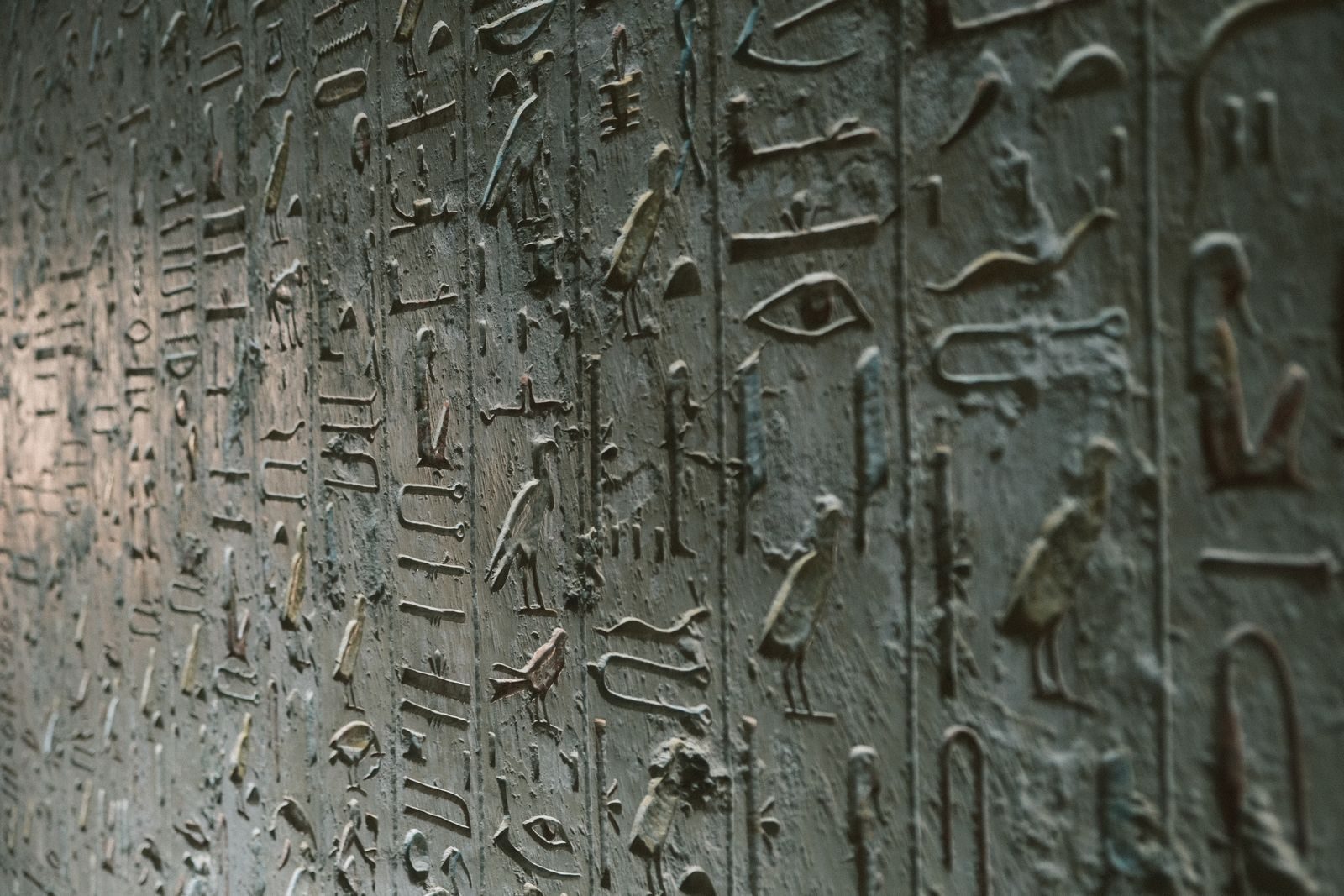
Most history buffs believe that archaeologists have completely mapped the timeline of ancient Mayan writing. We assume that the origins of their famous calendar system are set in stone.
But a crumbling monument hidden in a Mexican storage room has shattered those expectations. A high-tech scan has revealed an inscription that pushes back history by over a century.
A Forgotten Relic Resurfaces
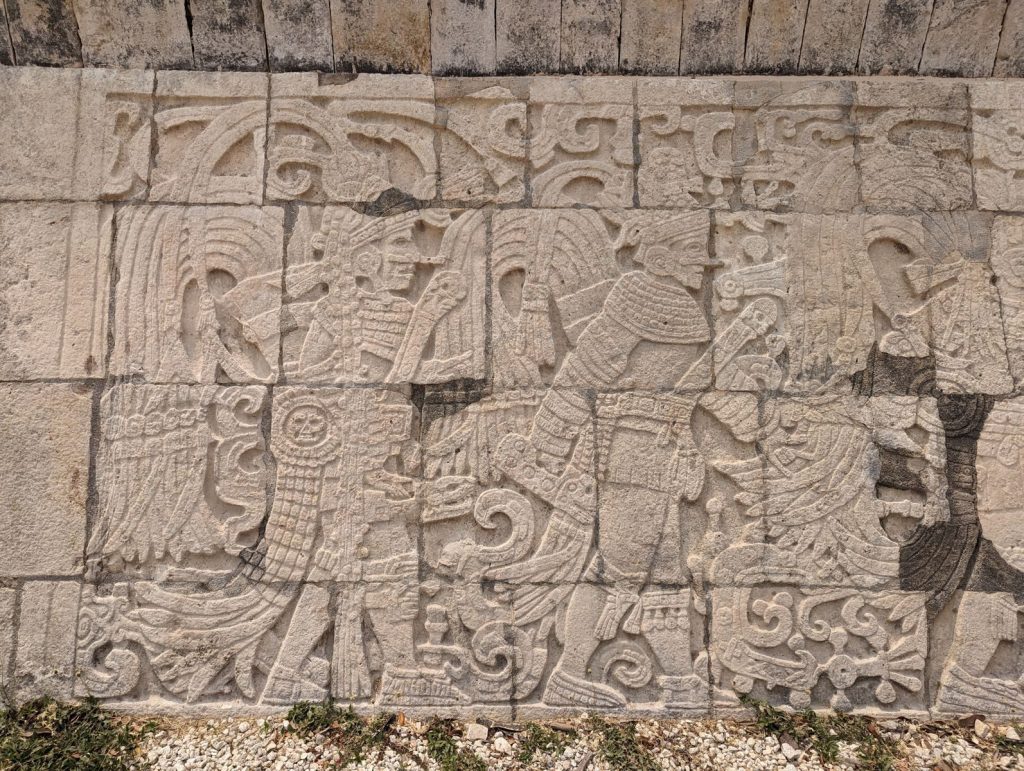
A heavily eroded limestone block sat undisturbed in a Mexican archaeological vault for several decades. According to the National Institute of Anthropology and History, researchers first discovered Stela 46 at the El Palmar site. The stone was unreadable. Decades of weathering had completely smoothed over the intricate glyphs on its surface. But a brilliant team of scientists refused to let its secrets remain hidden.
Unlock Erosion With Tech

Researchers utilized advanced three-dimensional scanning devices to study the battered monument. According to details published in the academic journal Ancient Mesoamerica, this high-resolution photogrammetry captured details down to a tenth of a millimeter. Hidden shapes appeared. By illuminating the digital model from multiple angles, archaeologists suddenly saw the faint outlines of complex hieroglyphs. But what these carvings revealed would stun the entire academic community.
The Oldest Lowland Date
The scan revealed an incredibly precise Long Count calendar date carved on the stone. According to epigraphers, the inscription corresponds directly to the year 180 CE. History was rewritten. This incredible record predates the famous stela at Tikal by more than a hundred years. However, this ancient calendar date was not just a simple record of a day.
A Royal Coronation Day
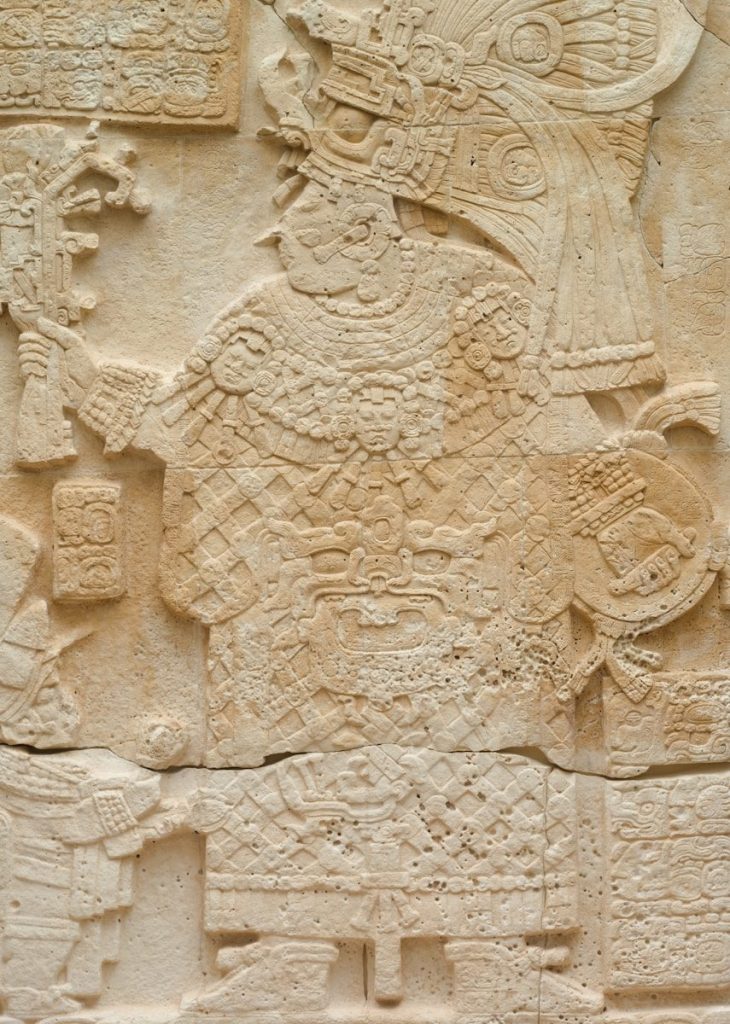
The hieroglyphs directly linked the calendar date to a major political transition. According to translation reports, the monument details the coronation of a powerful Maya sovereign named Lord Ajaw Kal Ubaah. He was highly revered. This early king came to power in the year 131 CE, ruling for several decades before commissioning the stela. But the carvings also described a highly unusual spiritual ritual.
An Offering To Time
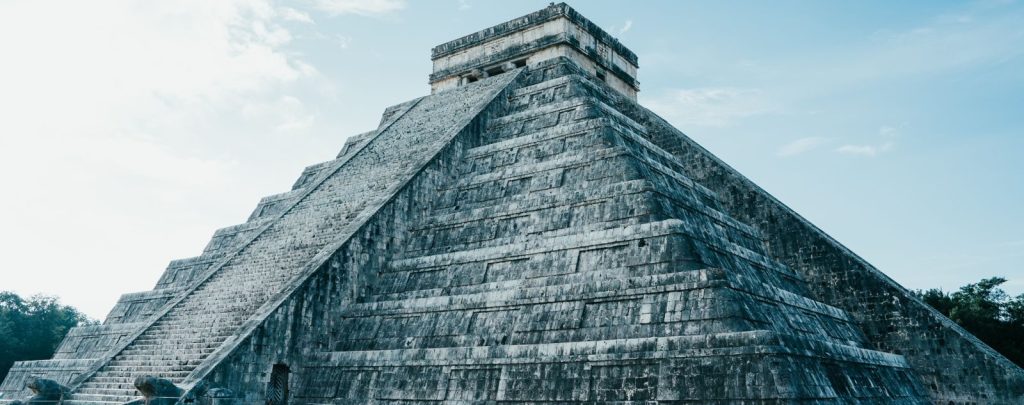
The king performed a sacred ceremony on the exact date of a major calendar cycle. According to the limestone inscriptions, he offered sacrifices to honor the end of a critical time period. Time was sacred. By completing this ritual, the ruler legitimized his power through the cosmic calendar. But this discovery also challenges how we view the growth of early Maya cities.
Complex Writing Pushed Back
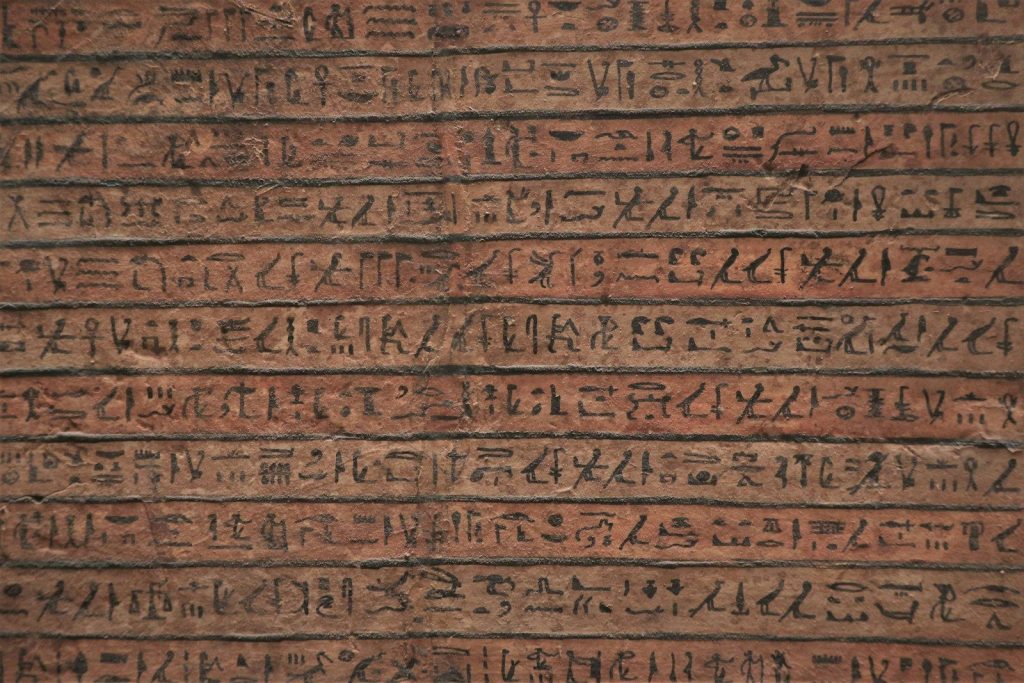
Finding such sophisticated writing so early proves that Maya civilization matured much faster than believed. According to archaeologists, the lowlands already possessed organized dynastic structures and advanced scribes during the first centuries of our era. Their culture was booming. This pushes back the accepted timeline of Maya political development. Yet, researchers still wonder how many more ancient monuments are waiting to be scanned.
The Preservation Race Begins
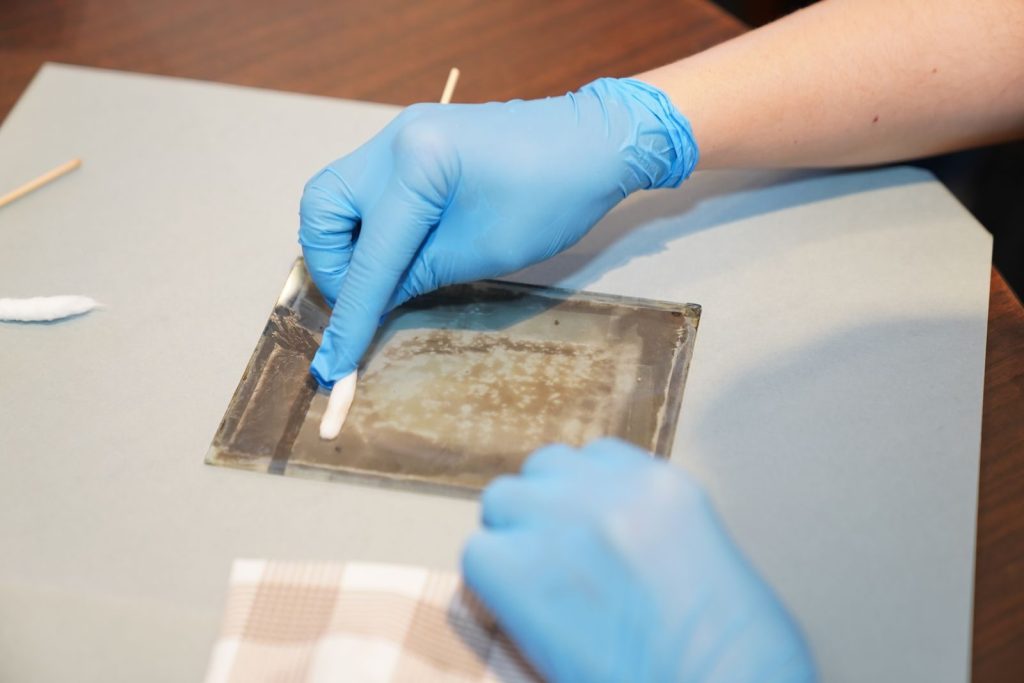
Many other eroded monuments sit in humid jungle ruins and dark museum basements worldwide. According to conservationists, applying 3D scanning technology to these fragile relics could recover dozens of lost historical dates. We are losing time. The rapid decay of limestone makes this high-tech scanning effort incredibly urgent for historians. But the decoded message of Stela 46 has already changed our textbooks forever.
A Masterpiece of History
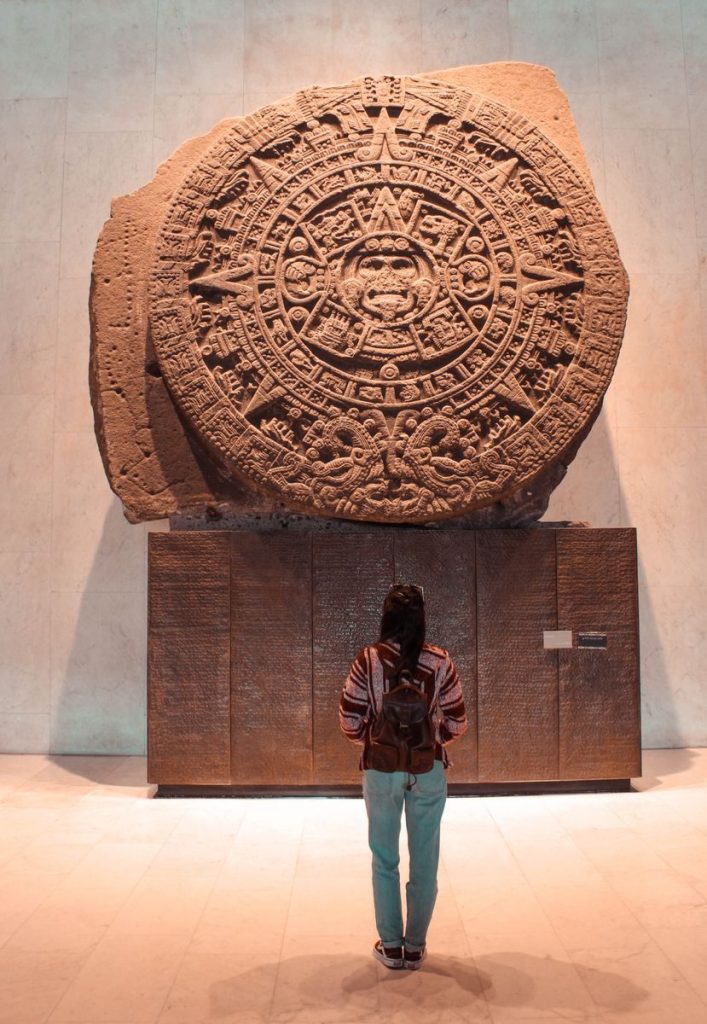
According to Mesoamerican historians, Stela 46 stands as a monumental key to understanding early Maya authority and math. This incredible discovery proves that the secrets of the ancient past are never truly lost. Technology bridges the eras. This article is for informational purposes only.
Featured Image: Photo by Muhammed Fatih Beki on Pexels
Leave a Reply