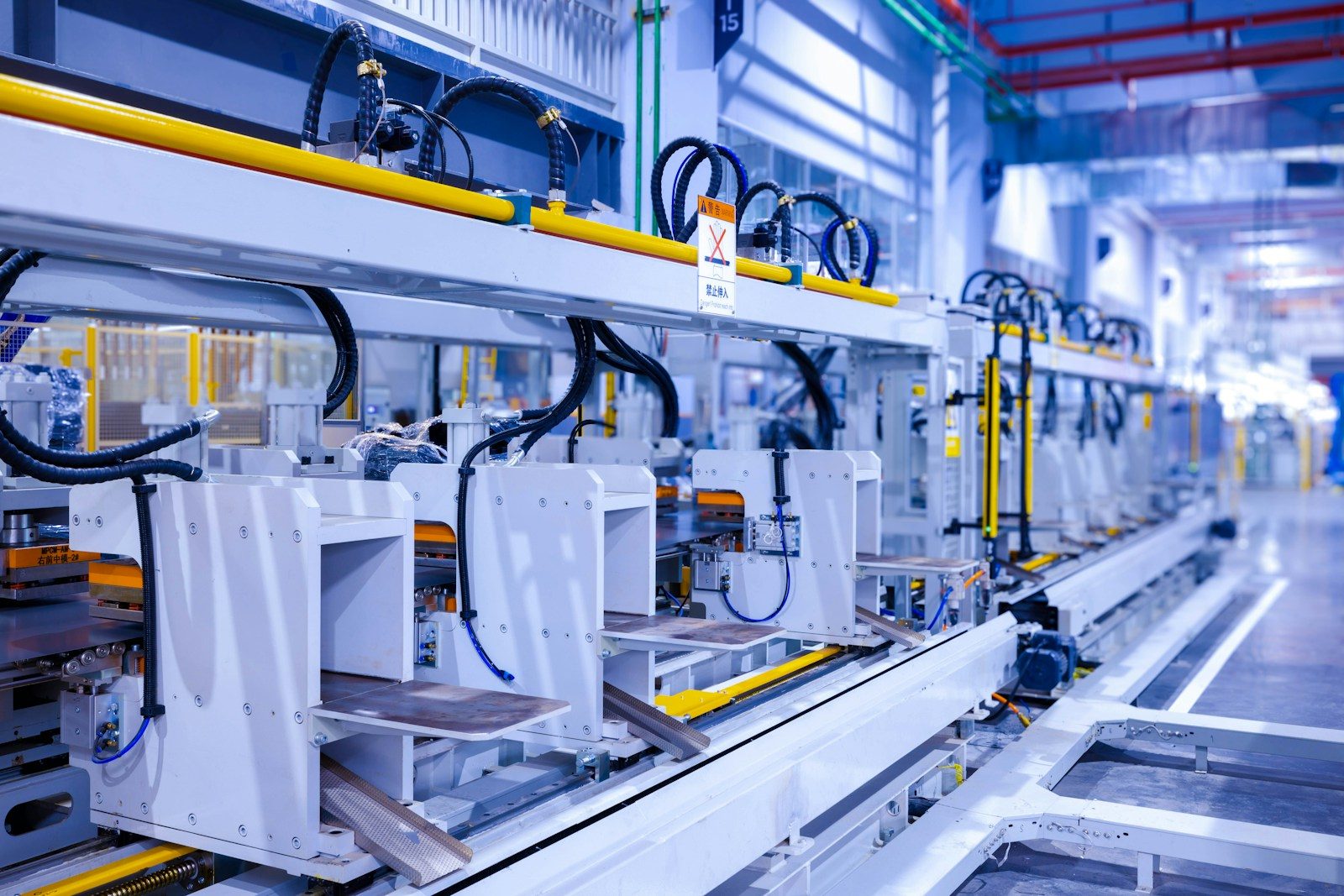
Most drivers assume that their vehicles are built entirely in local factories. We believe that domestic car assembly represents the absolute peak of modern industrial output.
But a closer look at international logistics reveals a highly connected manufacturing network. A few powerhouse nations are quietly building the vast majority of the world’s transport fleets.
Rising Industrial Assembly Power
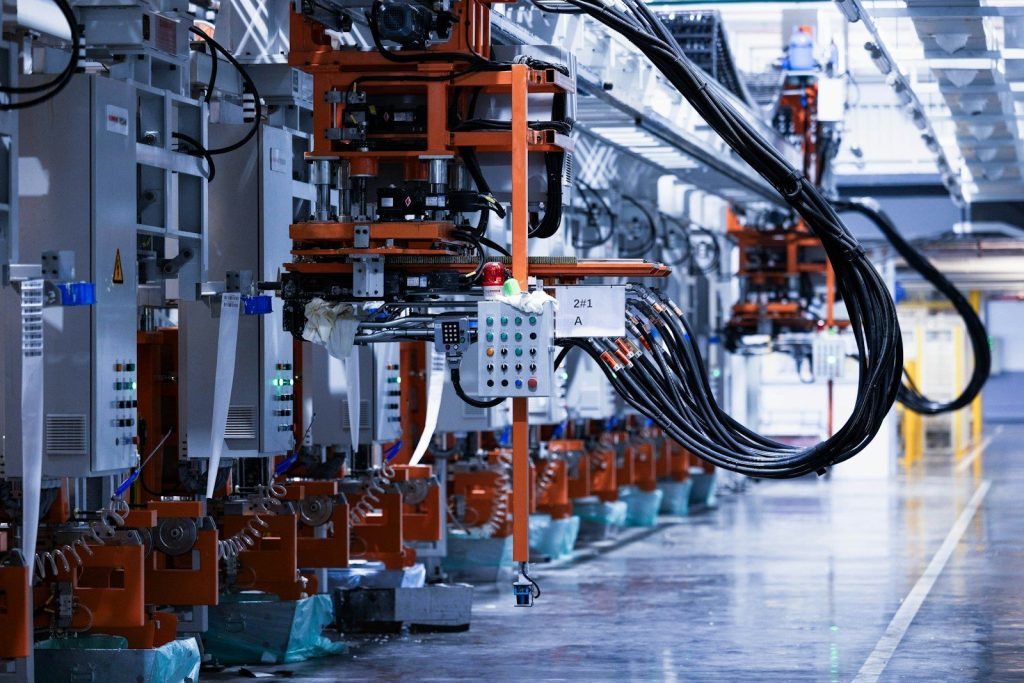
Keeping global assembly lines moving requires a massive network of automated factories and raw materials. According to reports from the International Organization of Motor Vehicle Manufacturers, global car production is heavily concentrated in a few highly efficient nations. The scale is massive. These industrial hubs utilize thousands of robotic arms to stamp out vehicle frames around the clock. But one Asian nation dominates the entire global market.
The Unrivaled Output King

Producing millions of passenger vehicles every year requires an incredibly vast supply chain. According to industrial manufacturing data, China remains the undisputed leader in car manufacturing by producing over twenty-six million vehicles annually. They are highly efficient. This massive output keeps the global economy supplied with essential passenger cars and commercial trucks. But a secondary power is quietly leading the way in robotic precision.
Engineering Precision Microchips

Advanced modern vehicles rely heavily on specialized microchips and electric sensors to operate safely. According to reports from the Japan Automobile Manufacturers Association, Japanese factories excel at integrating these high-tech components directly into their assembly lines. The technology is perfect. This focus on reliability has made their vehicles highly popular across multiple continents. But European factories are taking a completely different approach to design.
Crafting Luxury Steel Frames
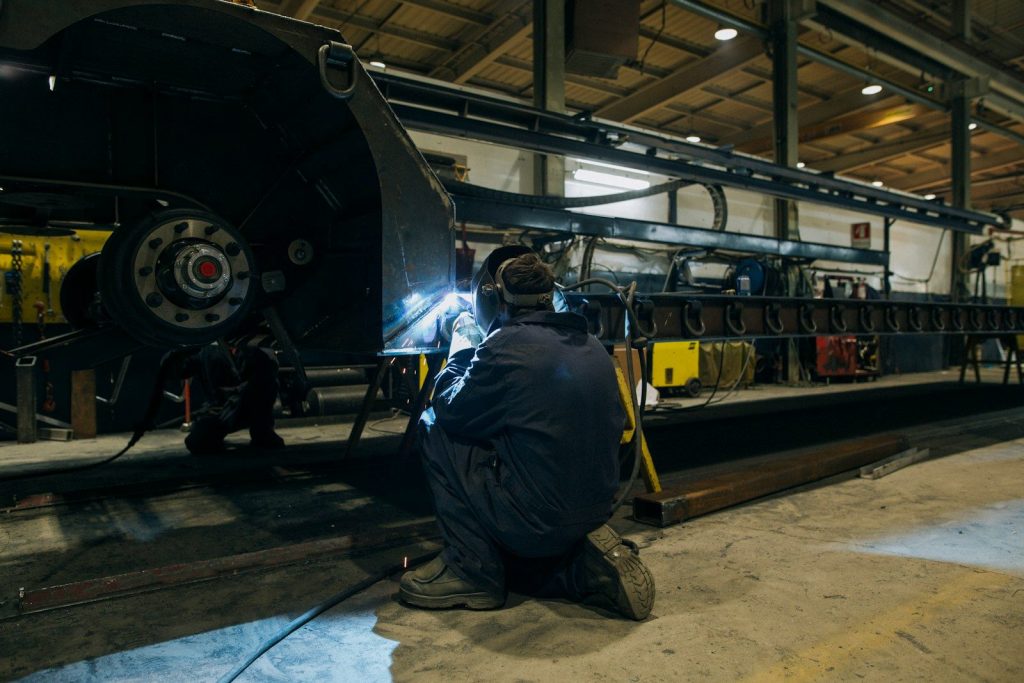
Designing high-performance luxury vehicles requires using specialized metal alloys and advanced safety engineering. According to German automotive industry reviews, local brands focus heavily on custom aerodynamic structures and powerful engine mechanics. They are truly robust. This dedication to craft keeps their vehicle exports highly valued in international markets. But keeping these massive factories running requires sourcing materials from unexpected places.
Sourcing Critical Battery Minerals
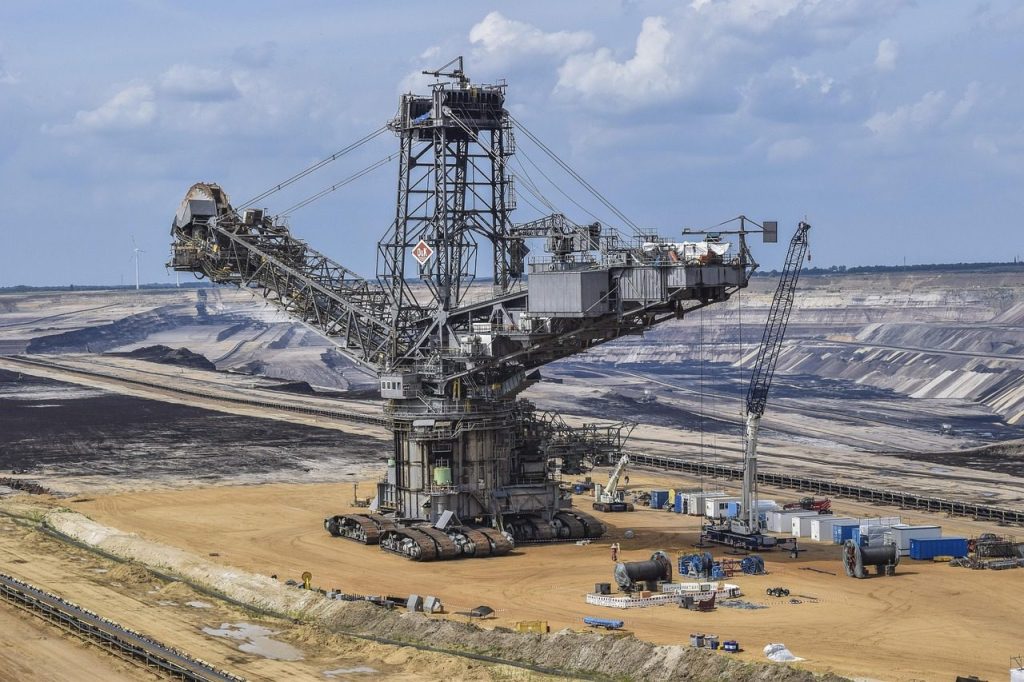
The rapid global shift toward electric vehicles requires a massive amount of rare earth elements. According to reports from the United States Geological Survey, countries with rich mineral deposits are quickly becoming the new centers of manufacturing power. The resource is vital. This shift is forcing traditional car-producing nations to build new alliances to secure their assembly pipelines. But a rising South American hub is entering the race.
Emerging Global Trade Hubs
Developing new automotive factories requires massive investments and highly trained engineering teams. According to economic analyst reports, nations in South America and Southeast Asia are rapidly expanding their local assembly plants. The growth is rapid. These emerging hubs are slowly challenging the dominance of traditional manufacturing giants. But the final success of this global shift relies on one critical technological leap.
Reimagining The Factory Floor

Transitioning toward complete automation will determine who leads the future of transportation. According to industrial historians, the next era of vehicle assembly will rely entirely on smart software and sustainable energy sources. The future is arriving. This article is for informational purposes only.
Featured Image: Photo by Homa Appliances on Unsplash
Leave a Reply