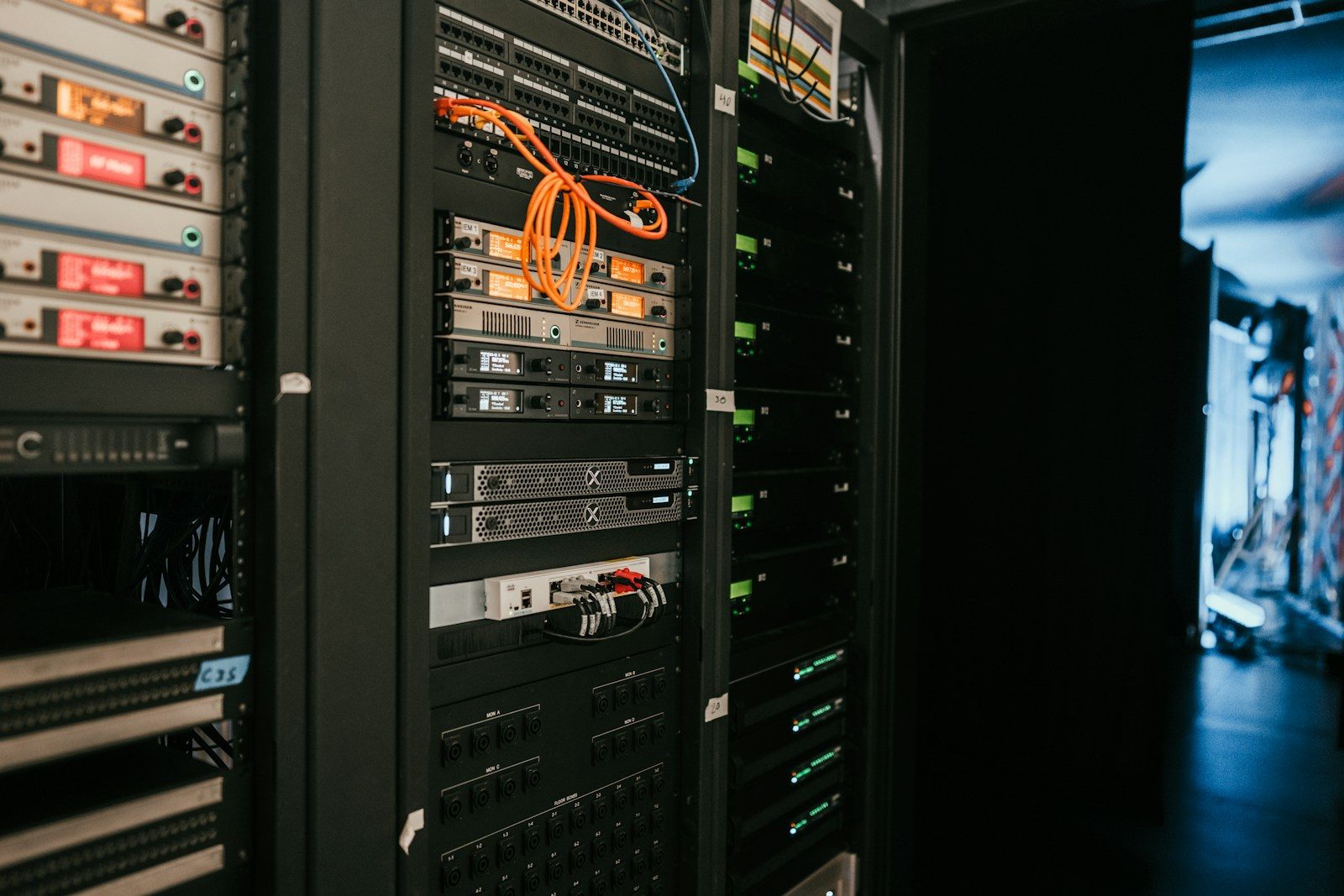
Most technology users assume that smart software runs on standard commercial servers. We believe that any large computing system can easily process complex neural network calculations.
But the rapid evolution of self-driving software requires a highly specialized hardware design. Engineers have constructed a custom supercomputing beast built specifically to train autonomous machines.
The Silicon Processing Wall
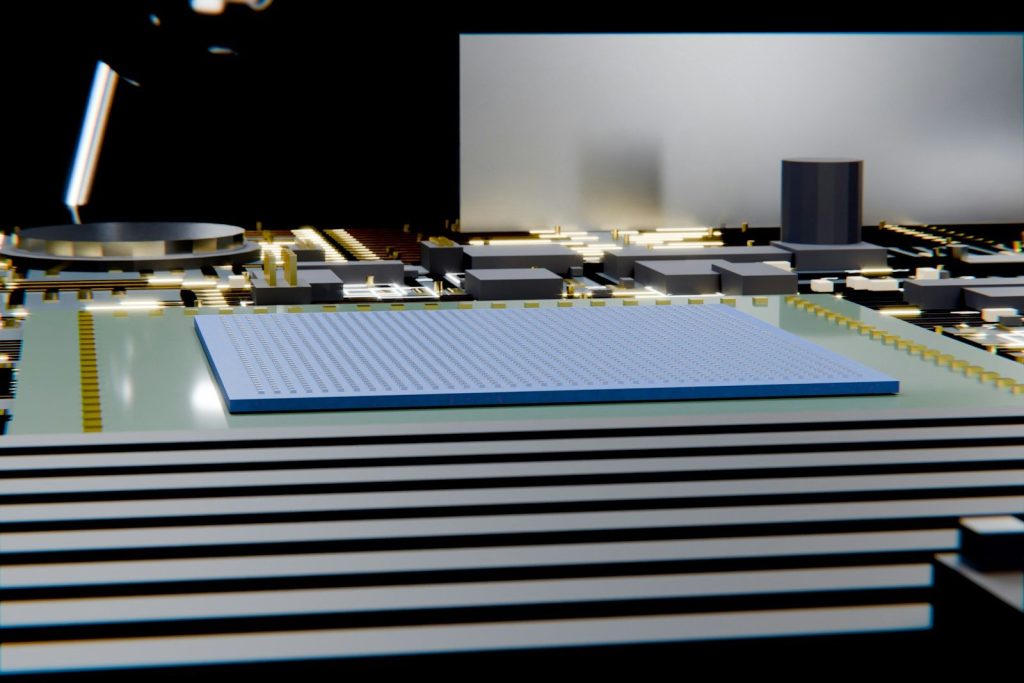
Standard computer processors struggle to handle the massive amounts of video data required for machine learning. According to reports from chip design analysts, traditional servers generate excessive heat when running autonomous driving simulations. The systems run hot. This thermal bottleneck slows down development times for advanced software engineers. But a revolutionary custom chip design has completely shattered this hardware barrier.
Building Custom Computer Chips
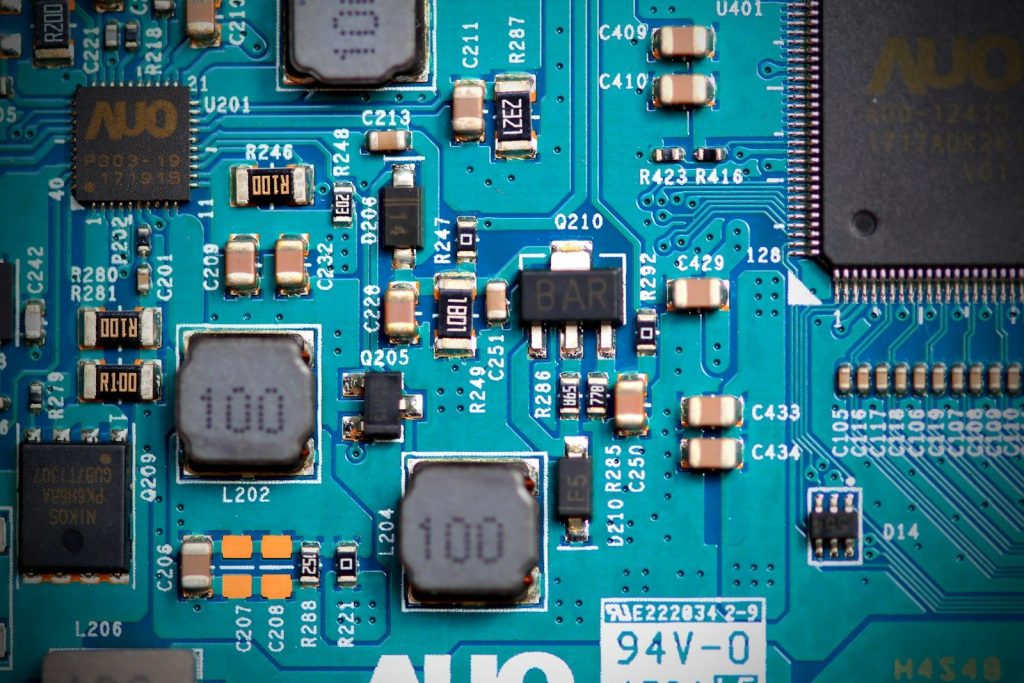
Designing custom silicon allows engineers to optimize how data flows through the processor cores. According to technical hardware trials by Tesla, their custom D1 microchip can process video frames at staggering speeds. The chip is tiny. This dedicated chip layout eliminates the typical lag found in off-the-shelf processing units. But scaling this power requires stacking these chips together.
Splicing The Processing Tiles
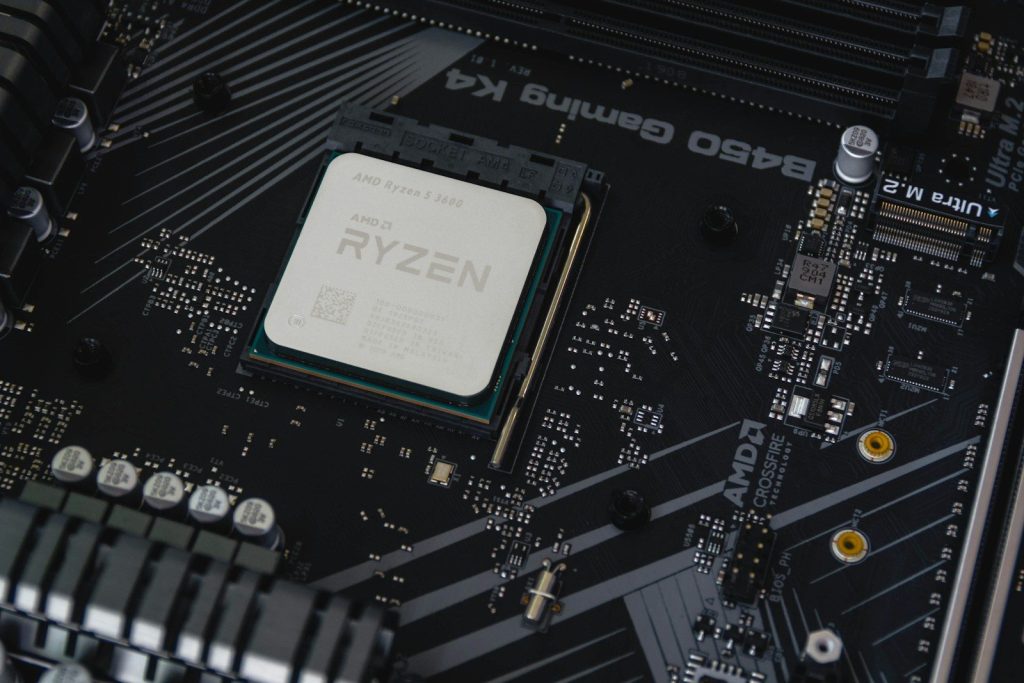
Combining multiple custom processors onto a single computing tile allows for massive data throughput. According to computer architecture studies, these integrated tiles share critical memory resources instantly without slowing down. The speed is shocking. This massive coordination lets the system run complex visual networks simultaneously. But powering this giant silicon grid demands an incredible amount of electricity.
Draining The National Grid
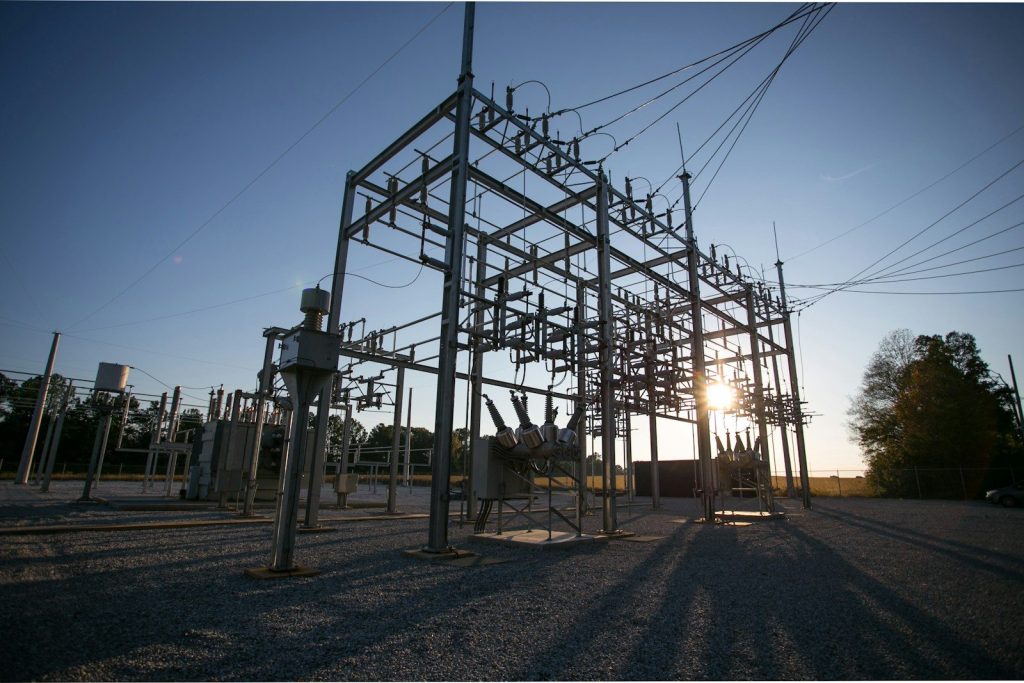
Running thousands of active supercomputing cores drains more power than a small town consumes. According to energy grid audits, the massive facility requires highly specialized power lines to keep the hardware running. The load is monumental. This intense energy crunch forces developers to seek highly efficient cooling methods. But managing this extreme heat requires an advanced fluid loop.
Liquid Cooling Thermal Safety
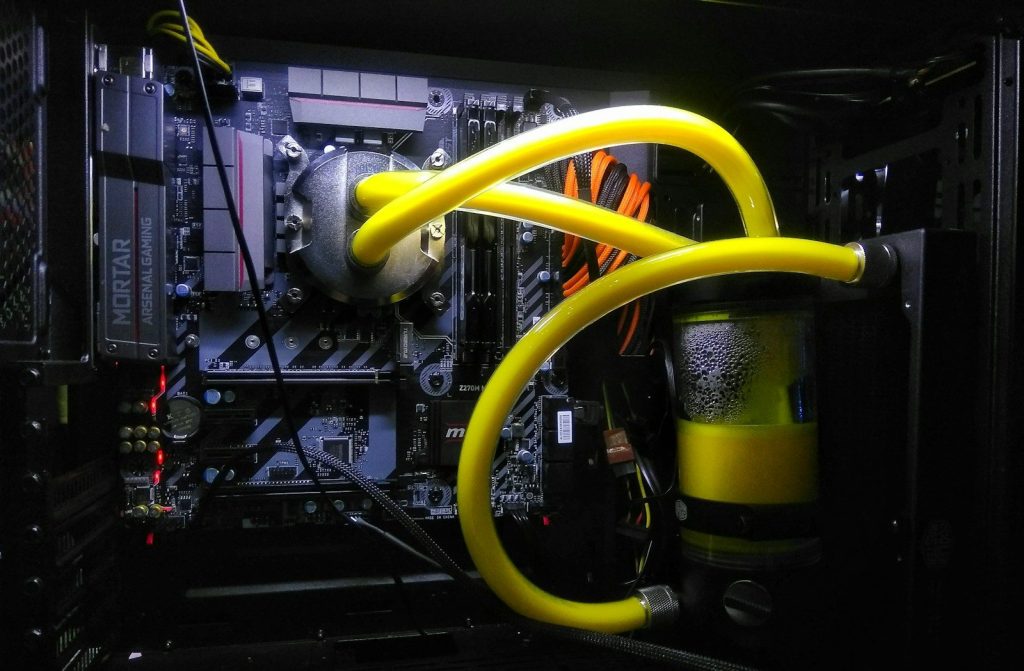
Keeping millions of dense transistors cool requires running continuous liquid lines through the hardware racks. According to thermal engineering reports, the cooling system operates silently to prevent dangerous hotspots inside the supercomputer. It is highly active. This protective setup keeps the processors running at peak performance without warping the delicate silicon. But the real goal of this giant machine is software training.
Training The Autonomous Brains

The supercomputer is designed to analyze millions of hours of real-world driving footage every single day. According to artificial intelligence developers, the system uses this video data to teach self-driving cars how to navigate obstacles. The learning is constant. This rapid training allows autonomous vehicles to master complex road layouts without human help. But this digital brain is also learning to predict the future.
Simulating Real-World Scenarios
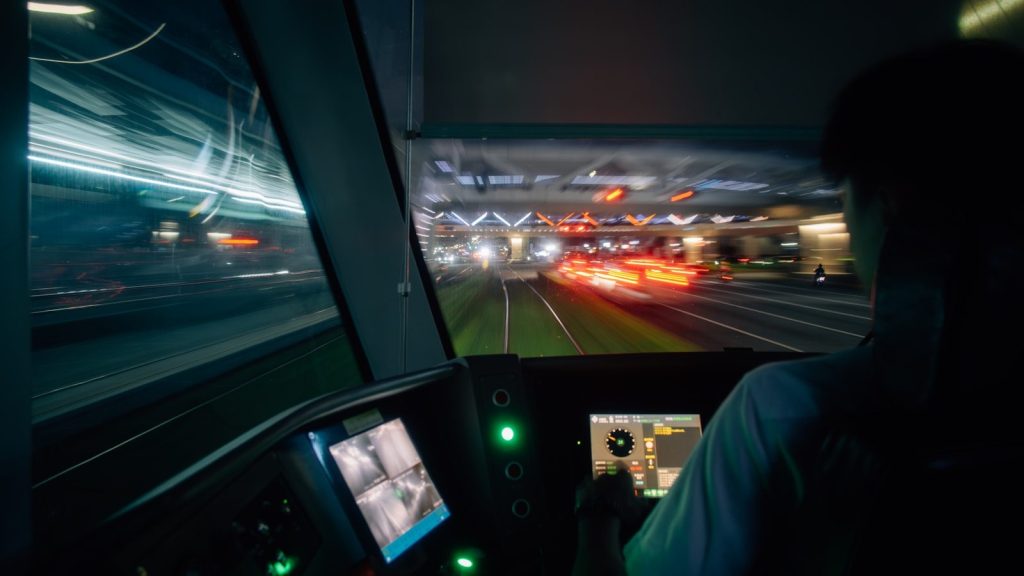
The supercomputing network can generate millions of virtual driving scenarios to test software limits. According to software engineering logs, the system creates unexpected road events to see how the autonomous car reacts. The simulations are flawless. This virtual testing ensures the self-driving software is completely safe before it reaches public roads. But this technological leap is triggering a massive industry race.
Reclaiming Digital Sovereignty
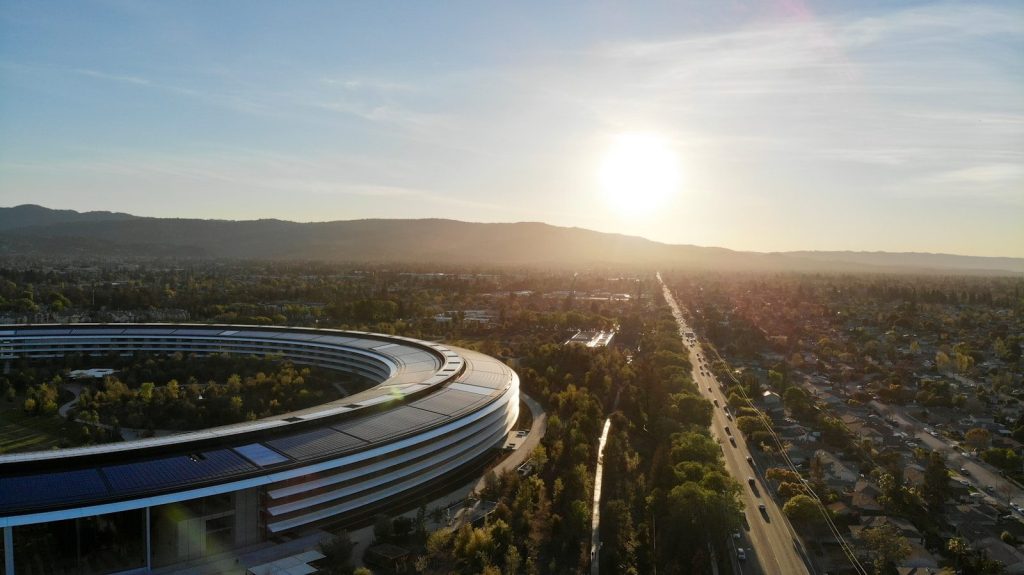
Mastering custom hardware design allows tech companies to reduce their reliance on external chip suppliers. According to technology historians, building independent supercomputers will determine who controls the future of automation. The race is on. This article is for informational purposes only.
Featured Image: Photo by Kevin Ache on Unsplash
Leave a Reply