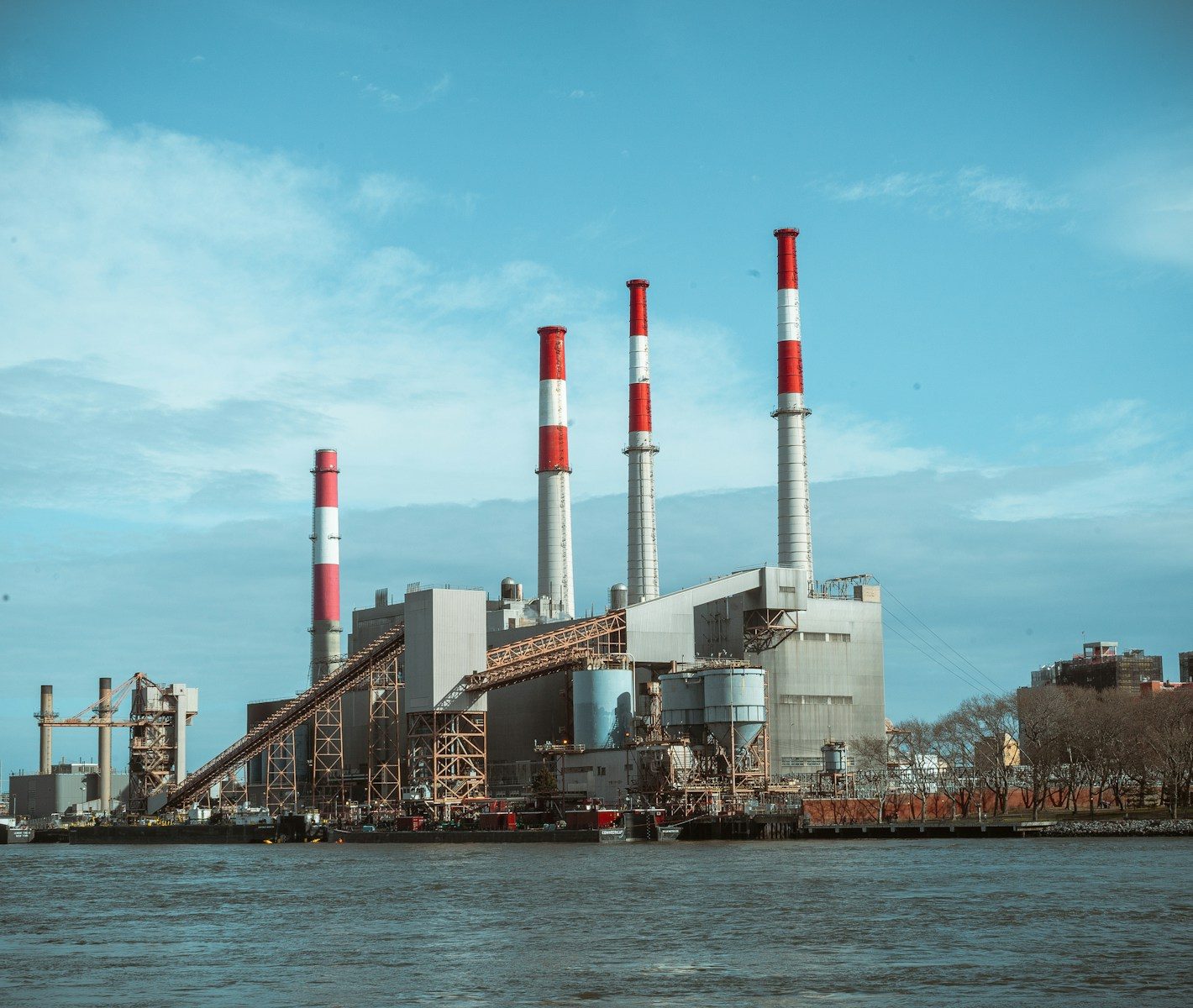
The world is desperate for a “miracle fuel” to save us from climate change. In 2026, that miracle is supposed to be Green Hydrogen. Unlike gas or coal, hydrogen only produces pure water when it burns. Governments are pouring hundreds of billions of dollars into “Hydrogen Hubs.” We are told it is the ultimate clean solution for airplanes, ships, and factories. But behind the beautiful marketing, a dark secret is emerging.
It turns out that “Green” hydrogen has a massive manufacturing flaw that could actually make global warming worse in the short term. From the staggering amount of water it consumes to the “invisible leaks” that no one is tracking, the hydrogen revolution is hitting a wall of reality. We are trading one problem for a set of new ones that no one was prepared for. But how can a fuel that turns into water be dangerous for the planet? Wait until you see the “Methane Trap” hidden in the pipes.
The Hidden Power of the Invisible Leak
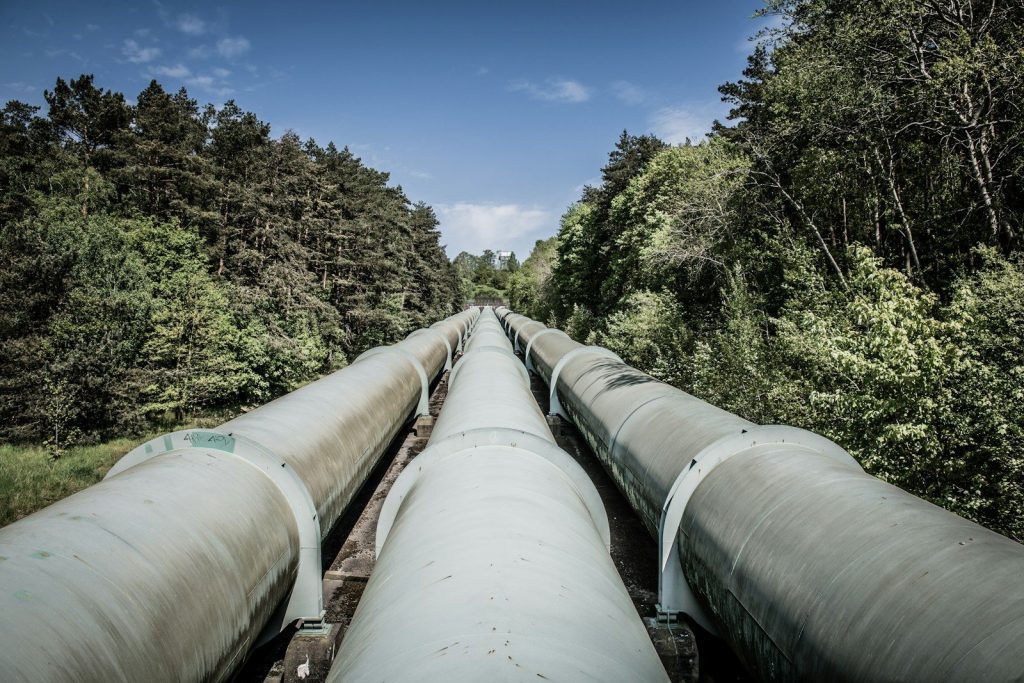
Hydrogen is the smallest molecule in the universe. It is so tiny that it can leak through solid steel pipes and seals. While hydrogen itself isn’t a greenhouse gas, it has an “indirect” effect. When it leaks into the sky, it prevents methane from breaking down. This means that if we switch to hydrogen but don’t fix the leaks, the methane already in the air will stay there longer, heating the planet even faster. It is a “cooling” solution that could accidentally turn up the thermostat. But the water problem is even more immediate.
Guzzling the World’s Drinking Water

To make “Green” hydrogen, you need to split water molecules using electricity. To produce enough fuel to power the world, we would need billions of gallons of fresh, pure water every day. Many of the world’s biggest hydrogen plants are being built in desert regions like Saudi Arabia and Australia. This means we are using our most precious resource—drinking water—to create fuel. We are essentially choosing between “thirst” and “energy.” But wait until you see the “Inefficiency Gap.”
The Energy That Disappears into Thin Air
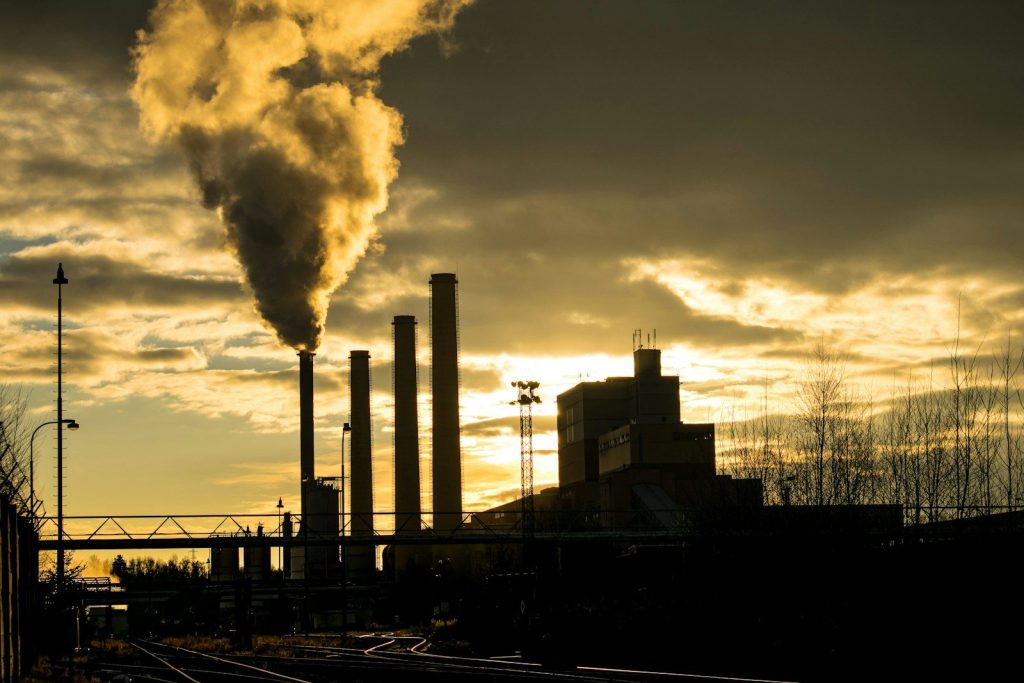
Green hydrogen is incredibly inefficient. By the time you use electricity to make the fuel, compress it, ship it, and finally burn it, you have lost 70 percent of the original energy. It would be much cheaper and cleaner to just use the electricity directly in a battery. We are throwing away a massive amount of “Green” power just to create a fuel that we can put in a tank. So why are the big oil companies so obsessed with it?
The Great Corporate Re-Branding
Many critics argue that green hydrogen is just a “lifeline” for the fossil fuel industry. Since hydrogen can use the same pipes and tankers as oil and gas, it allows these giant companies to keep their old business models alive. They call it “Clean” to get government subsidies, but much of the hydrogen today is still made from natural gas (Grey Hydrogen). They are using the “Green” label to hide a “Grey” reality. But the transportation cost is the final blow to the dream.
Shipping a Bomb Across the Ocean
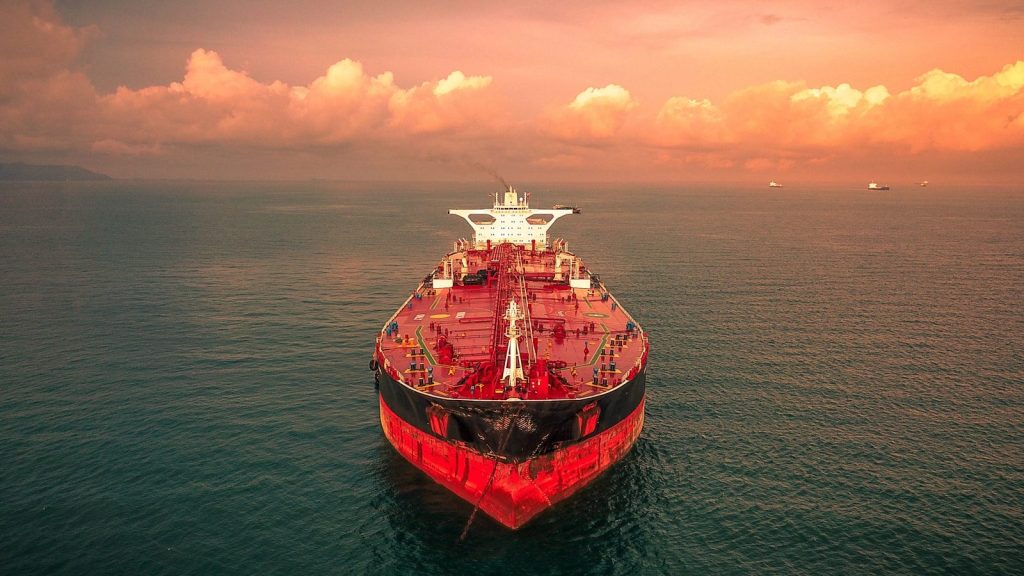
Hydrogen is highly explosive and needs to be kept at -423 degrees Fahrenheit to stay liquid. Shipping it across the ocean requires specialized “cryogenic” tankers that are essentially floating bombs. One small accident could lead to a massive disaster. The cost of keeping the fuel that cold during a three-week voyage adds even more energy waste to the system. It is a logistical nightmare that no one has solved yet. But can we build a “Better” hydrogen?
The Search for Pink and Gold Hydrogen
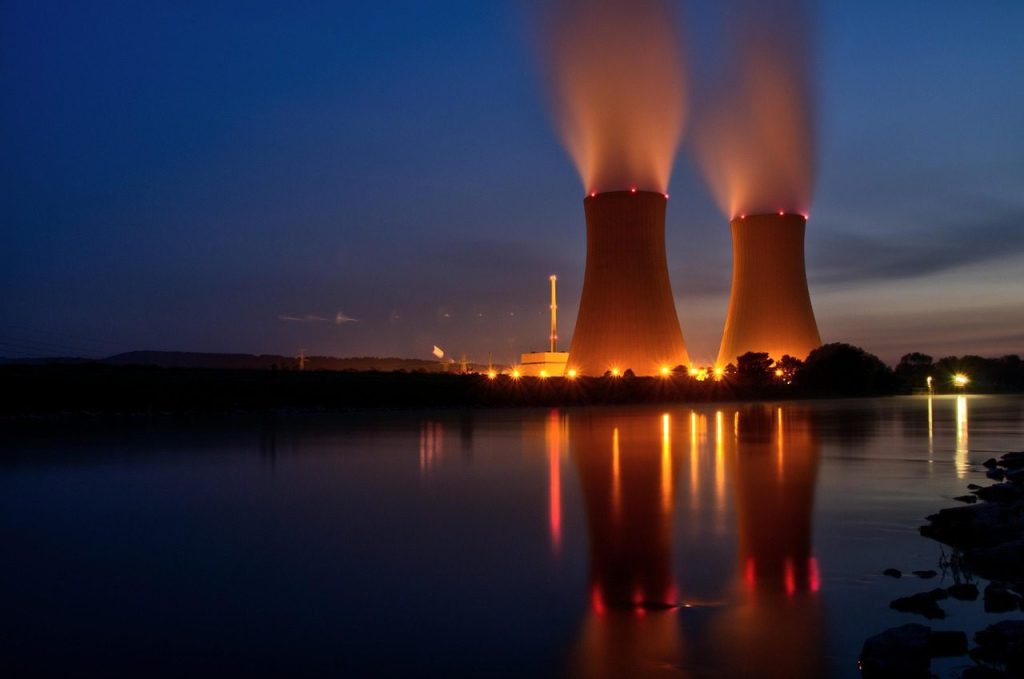
Scientists are now looking for “Gold Hydrogen”—natural deposits of the gas deep inside the Earth. If we can mine it like we mine oil, it would be much cheaper and more efficient than making it in a lab. There is also “Pink Hydrogen,” which uses nuclear power to split water. These alternatives could solve the efficiency problem, but they don’t solve the “leaky pipe” problem. We are still chasing a ghost in the machine. But what does this mean for your future car?
The Battery vs Hydrogen Showdown
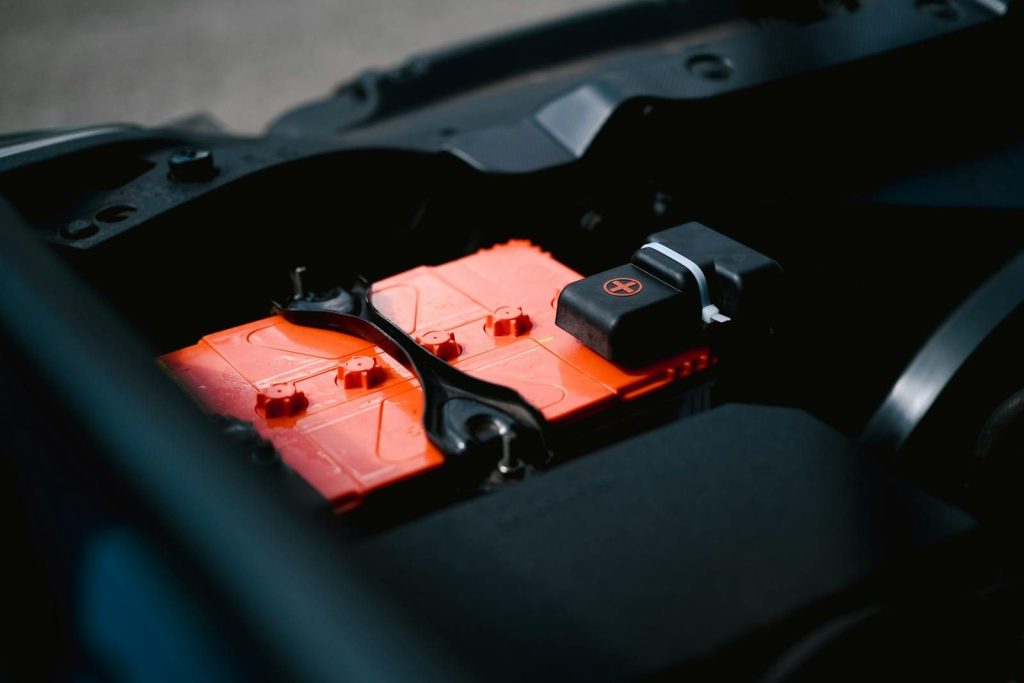
The 2026 data shows that battery-powered cars have already won the race for personal travel. Hydrogen is simply too expensive and difficult for the average person to use. However, for massive cargo planes and steel factories, hydrogen might be our only hope. We have to decide if we are willing to pay the “Environmental Tax” that comes with this fuel. We are moving from a world of “easy” oil to a world of “difficult” water. But is the planet actually healing?
A Future Beyond the Hype
Green hydrogen is not the “silver bullet” we were promised, but it is a tool in our toolkit. We have to use it smartly, fix the leaks, and protect our water. The 2026 breakthroughs in Engineering and Manufacturing are proof that there are no perfect solutions, only trade-offs. As we build our 3D-printed houses, our maglev trains, and our space elevators, we have to stay honest about the cost. The future is bright, but it is going to take a lot of work to keep it that way.
Featured Image: Photo by Alex Simpson on Unsplash
Leave a Reply