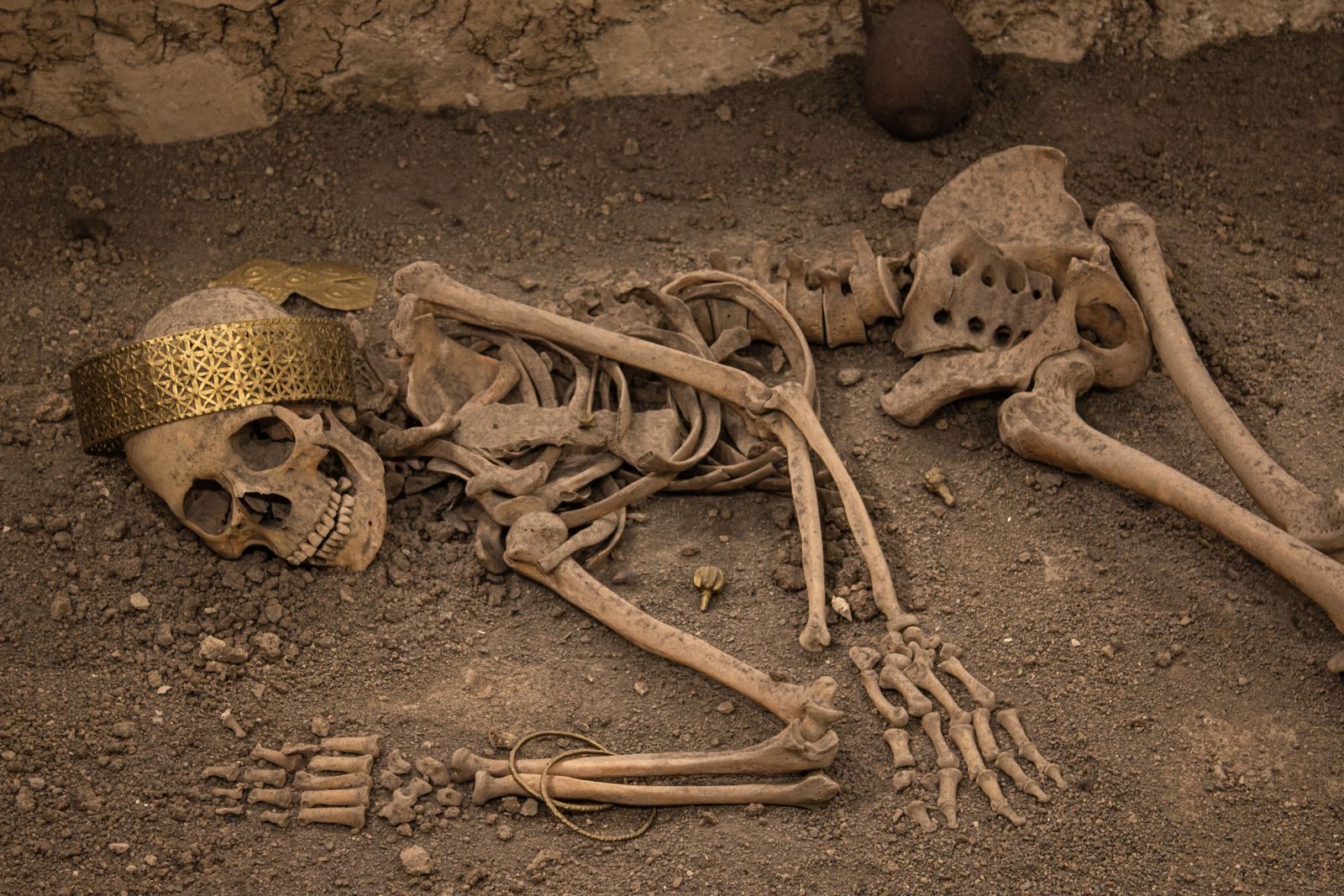
Most history lovers believe that complex metalworking and social hierarchies emerged with the rise of Egypt or Mesopotamia. We assume that prehistoric cultures only worked with basic stones and simple clay pots.
But a spectacular cemetery excavation in Bulgaria has completely shattered this timeline. Researchers have recovered the oldest processed gold artifacts in human history from a prehistoric grave.
The Varna Necropolis Find
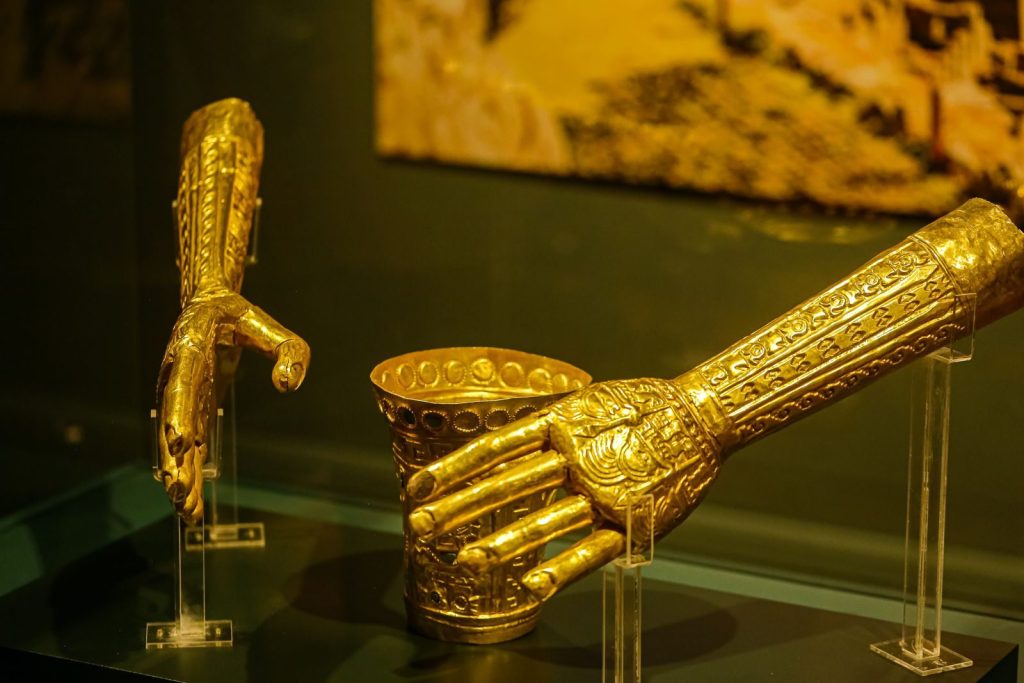
Archaeologists exploring a quiet seaside construction site in Bulgaria made the discovery of a lifetime in 1972. According to reports from the National Museum of History, they uncovered a massive prehistoric cemetery dating back over six thousand years. The site was old. Under the heavy clay floor lay a collection of undisturbed graves containing priceless artifacts. But what lay hidden in the center grave would stun the research team.
The Golden Chief Grave
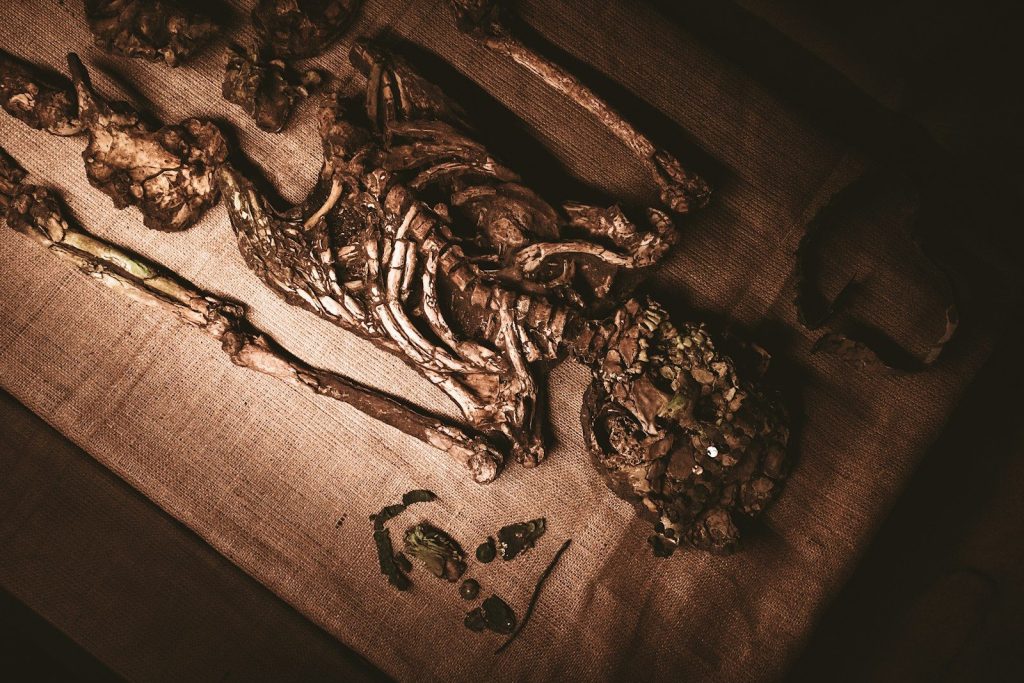
Excavators carefully cleared away the soil to reveal a skeleton buried with unprecedented wealth. According to archaeological reports, this single male grave contained over three pounds of pure polished gold. The view was breathtaking. He was decorated with golden bracelets, scepters, and even a golden sheath. But this extreme wealth suggested a highly complex social system existed long before the pharaohs.
Perfect Geometric Craft
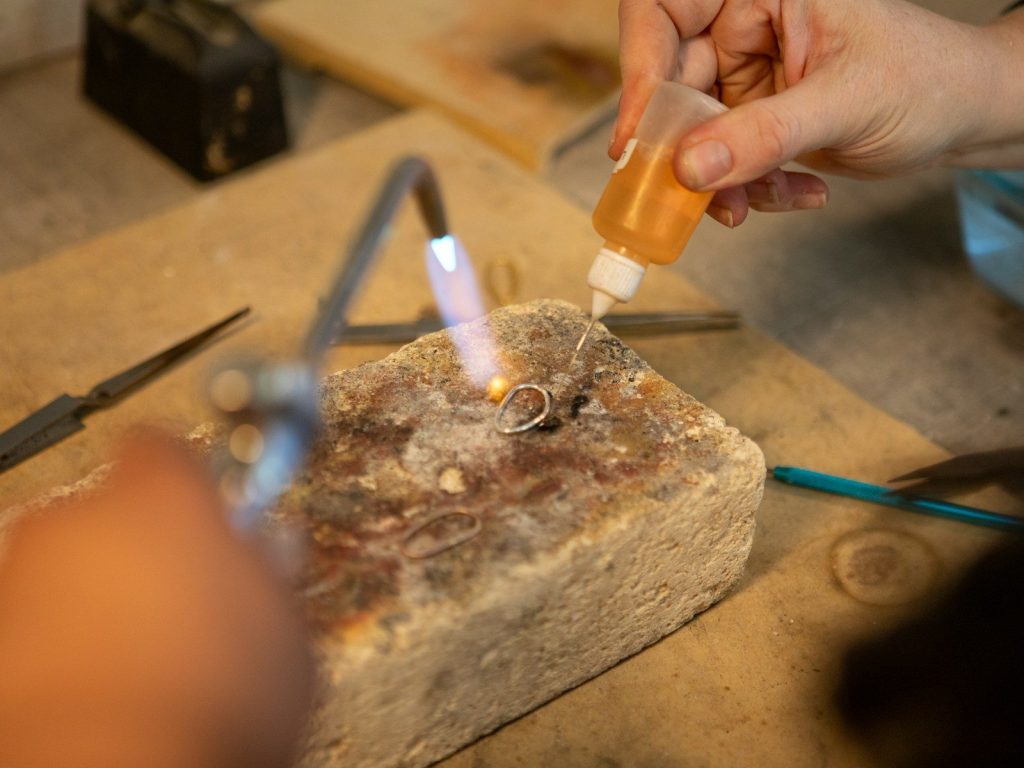
The prehistoric gold pieces were not crude hammered nuggets but highly sophisticated ornaments. According to metallurgy reports, the artisans mastered the art of micro-soldering and casting with incredible precision. They were highly skilled. This advanced metallurgy allowed them to shape delicate gold beads and geometric appliqués. But determining how they reached such high temperatures remains a major challenge.
Sourcing Advanced Heat

Melting and refining gold requires furnaces that can reach temperatures exceeding one thousand degrees Celsius. According to material science studies, the prehistoric builders developed advanced clay kilns that could control oxygen flow. It was genius. This thermal technology allowed them to process copper and gold on an industrial scale. But this metal wealth attracted highly active trade networks.
Global Trade Hubs
The presence of rare obsidian and Mediterranean seashells inside the graves proved that the community was highly connected. According to archaeological analysts, the Varna culture operated a dominant trading network that spanned across Eastern Europe. They were prosperous. This active commerce is likely what allowed the community to accumulate such vast amounts of precious metal. But this golden era would soon face a sudden end.
Swallowed By Rising Waters
A sudden environmental shift likely forced the wealthy gold-working community to abandon their lakeside settlements. According to geological climate models, rising sea levels and shifting lake beds flooded the coastal plains. The people scattered. Over centuries, layers of wet silt and soil slowly buried the cemetery under a protective shield of earth. But modern technology is finally helping us read these ancient stories.
Reclaiming Forgotten Voices

The spectacular gold treasures of Varna prove that complex human civilizations emerged far earlier than our textbooks state. According to archaeologists, studying these ancient masterworks helps us appreciate the true scale of early human intelligence. Nature and art unite. This article is for informational purposes only.
Featured Image: Photo by Yunus Emre Ilıca on Pexels
Leave a Reply