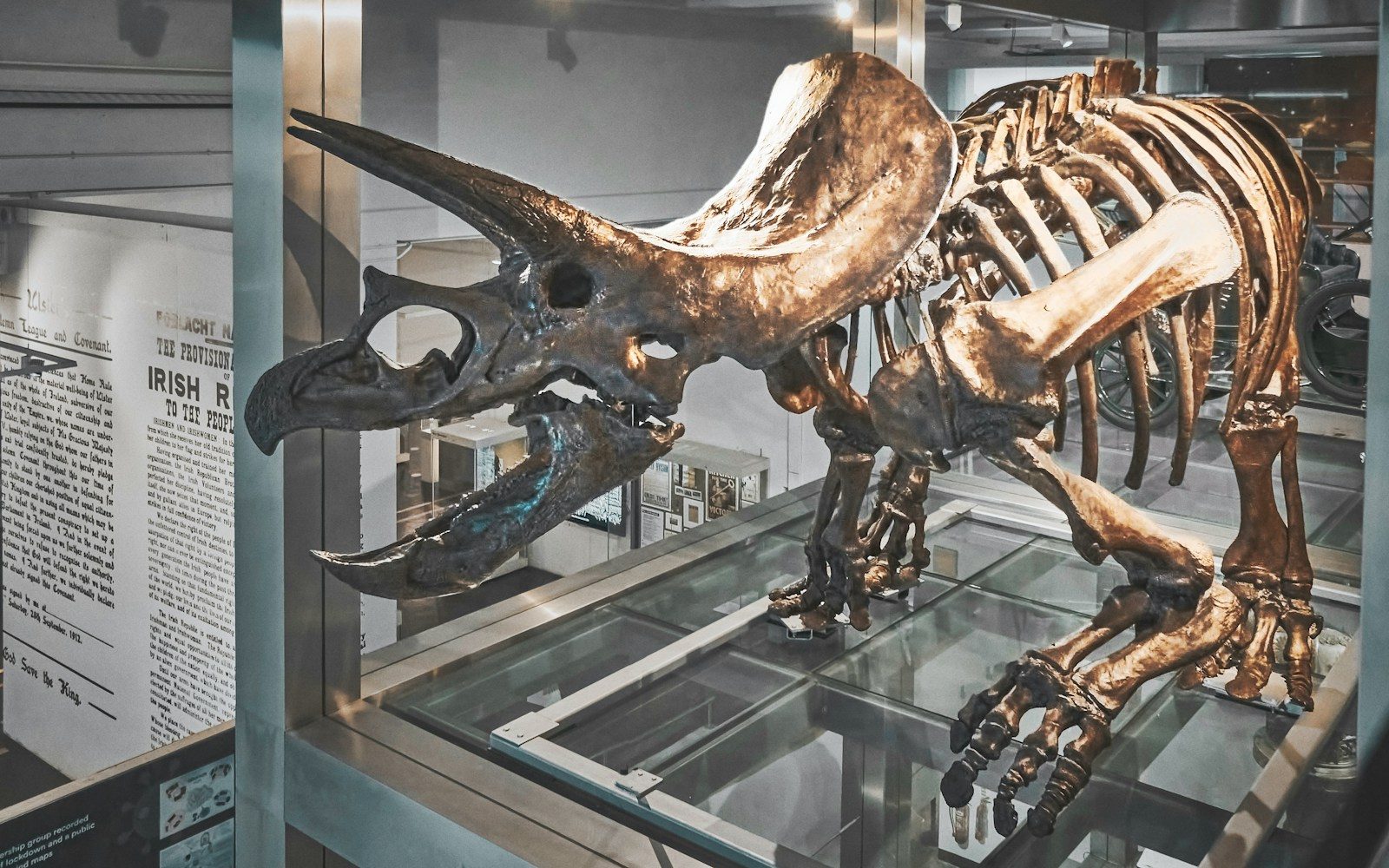
Most biology lovers believe that modern mammals represent the absolute peak of land animal size. We assume that physical limits prevent land creatures from growing any larger than elephants.
But the ancient fossil record reveals a spectacular era of truly colossal prehistoric giants. These massive dinosaurs grew to sizes that completely challenge our modern ideas of biology.
Rich Prehistoric Vegetation Feasts
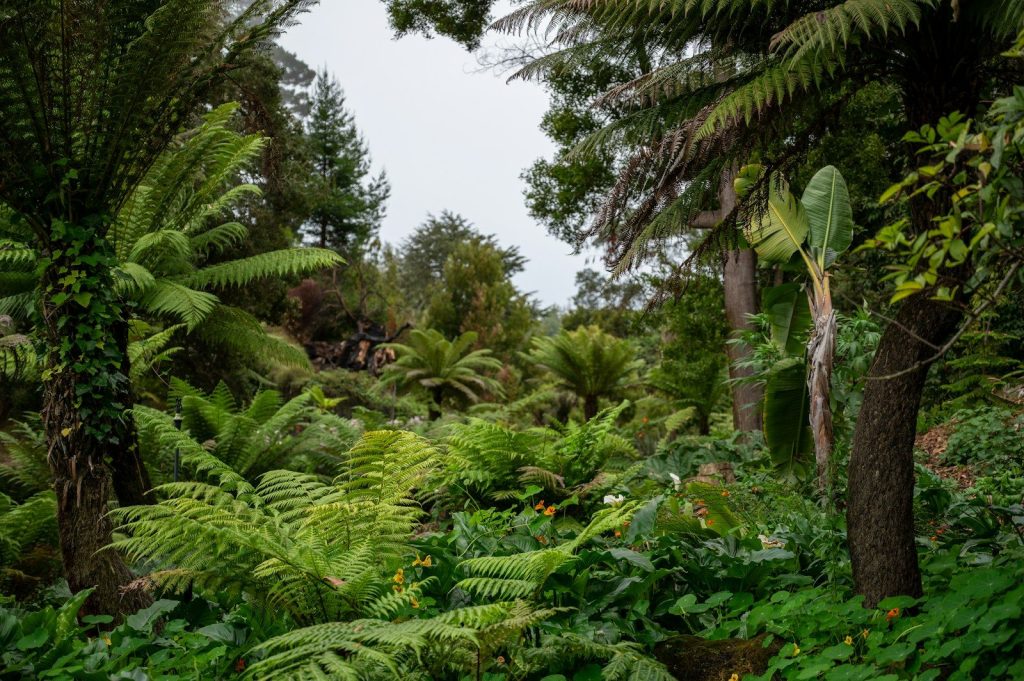
The ancient Earth supported a highly unique climate filled with lush tropical plants. According to paleobotanical reports, high levels of carbon dioxide allowed giant ferns and conifers to grow rapidly. The food was endless. Plant-eating sauropods could harvest massive amounts of calories daily without moving their heavy bodies. But digesting this tough prehistoric fiber required a highly specialized gut system.
Giant Natural Fermentation Vats

Processing tons of tough conifer needles required a highly slow and efficient digestive process. According to evolutionary biology studies, colossal dinosaurs possessed massive stomach chambers that acted like fermentation vats. They were huge. This internal heat allowed gut bacteria to dissolve the tough plant cells over several days. But carrying this heavy digestive weight required a major skeletal adaptation.
Hollow Air-Filled Skeletons
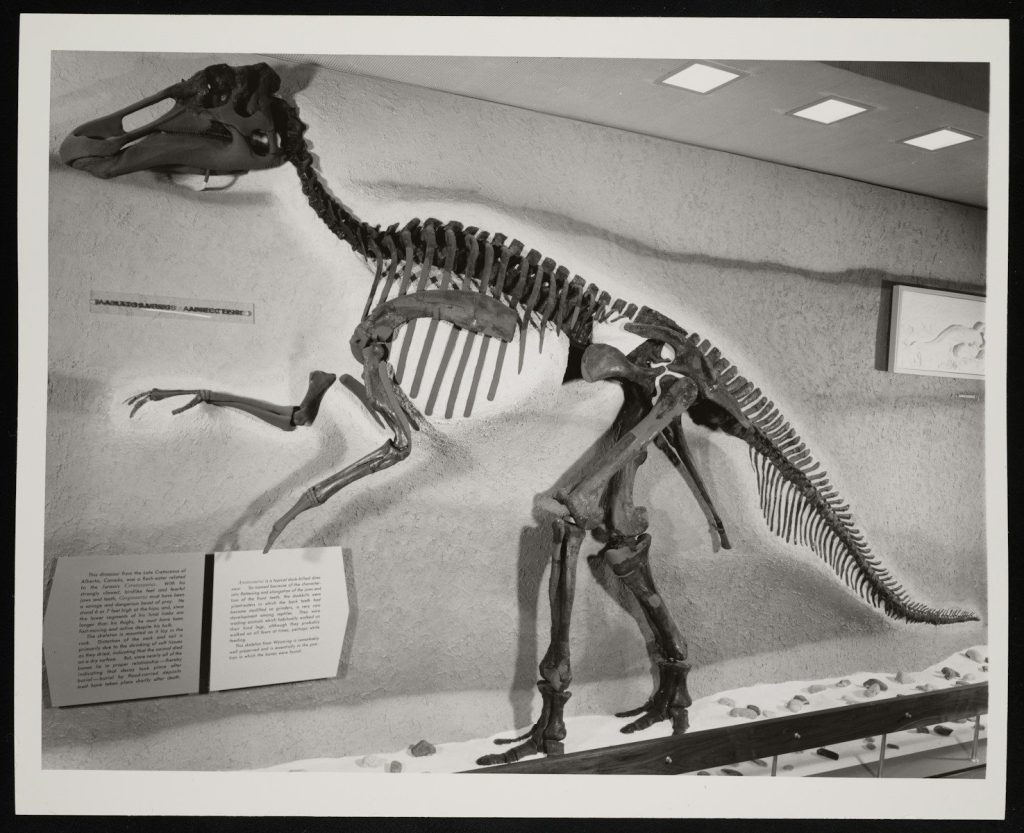
Moving a body that weighed seventy tons required throwing out traditional solid bone structures. According to paleontological reports, giant dinosaurs developed hollow bones filled with light air sacs. They were geniuses. This lightweight design kept the skeleton robust without crushing the animal under its own weight. But these air sacs also powered an incredibly efficient breathing system.
Constant One-Way Oxygen
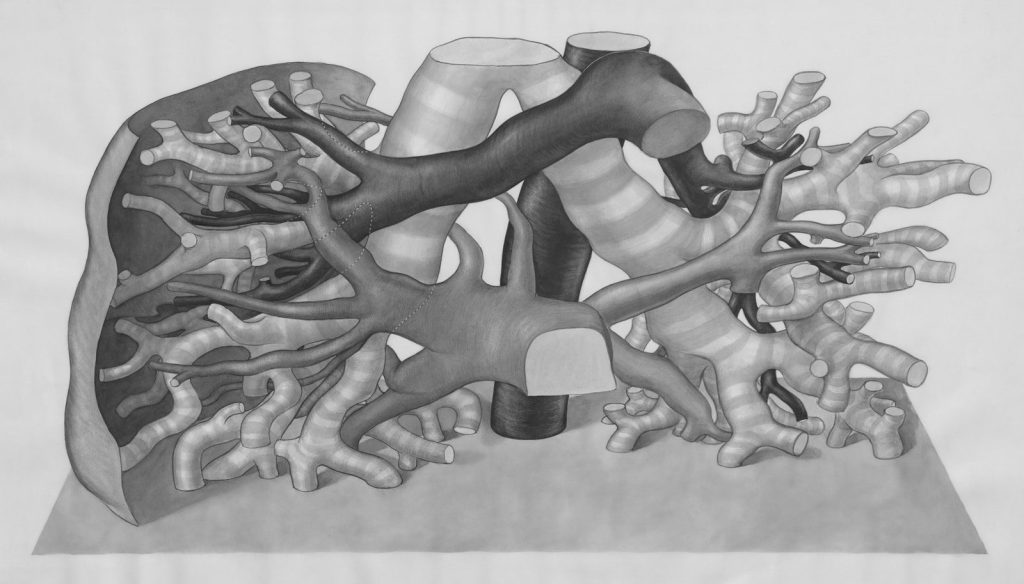
Sustaining a giant body required a continuous flow of fresh oxygen to the muscles. According to respiratory biology studies, dinosaurs used a unique bird-like breathing system that kept air moving in one direction. The flow never stopped. This continuous oxygen supply allowed their cells to generate energy far faster than modern mammals can. But this active metabolism also generated intense internal heat.
Passive Thermal Heat Release
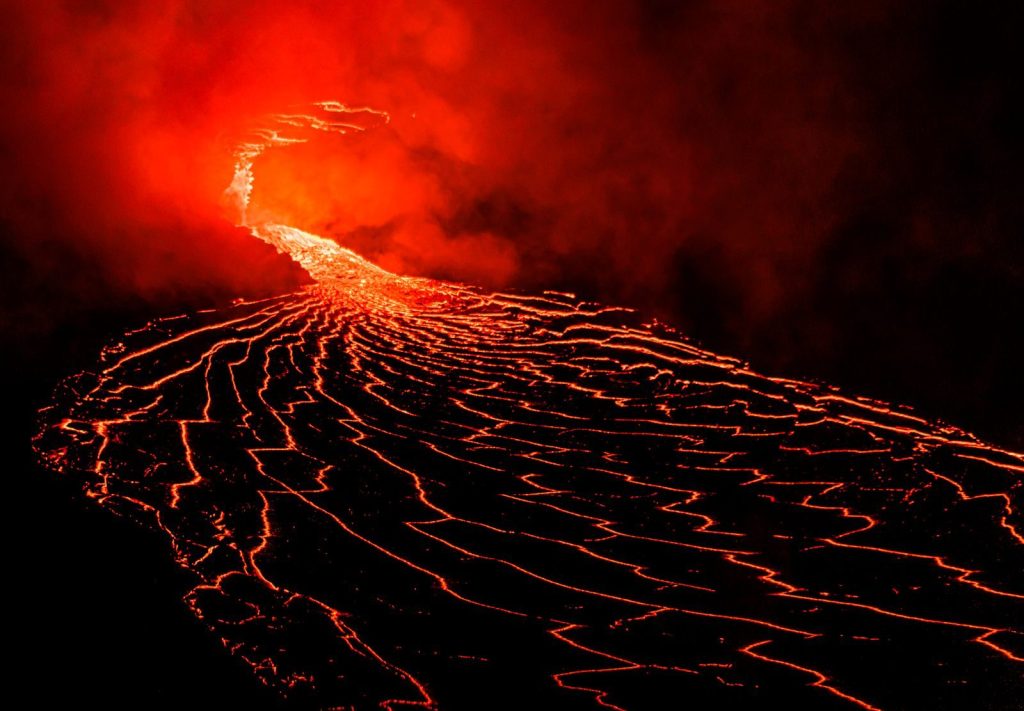
Large bodies naturally trap immense amounts of heat that can easily damage internal organs. According to biophysics research, giant dinosaurs used their long necks and tails to release excess warmth. They were cooling rods. This massive surface area allowed the animals to stay cool under the hot Mesozoic sun. But their long necks also served a highly practical feeding purpose.
Sweeping Low Energy Feeding
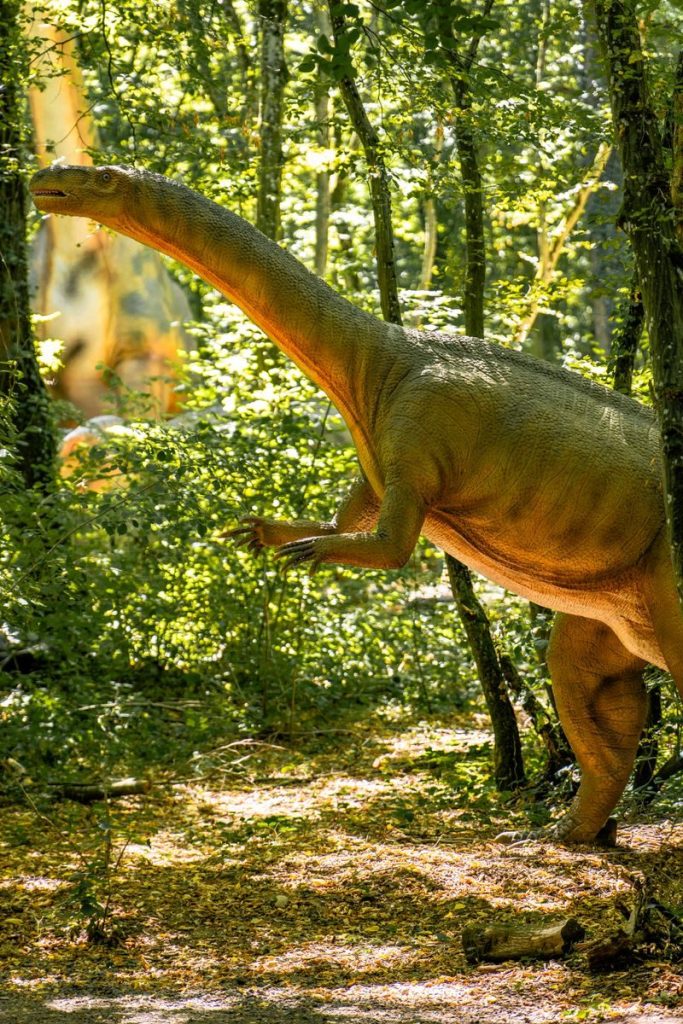
Moving a heavy body to find food wastes precious energy that is vital for survival. According to biomechanics logs, the long necks allowed sauropods to sweep vast fields of plants without moving their feet. It was highly efficient. This energy-saving design made it easy for them to harvest food while remaining stationary. But this rapid growth rate also protected them from active predators.
Reaching Unreachable Safe Heights
Growing incredibly fast was the ultimate defense mechanism for young prehistoric herbivores. According to growth ring studies of fossilized bones, some species could gain several pounds of weight every single day. They grew rapidly. Reaching giant sizes in a few short years made them completely immune to attacks from smaller meat-eaters. But some physical limits would eventually bring an end to this growth.
Limits Of Natural Growth

Uncovering the biological secrets of dinosaurs proves that nature can adapt to extreme planetary conditions. According to researchers, studying these ancient giants helps us map the true boundaries of terrestrial life. The bones hold secrets. This article is for informational purposes only.
Featured Image: Photo by K. Mitch Hodge on Unsplash
Leave a Reply