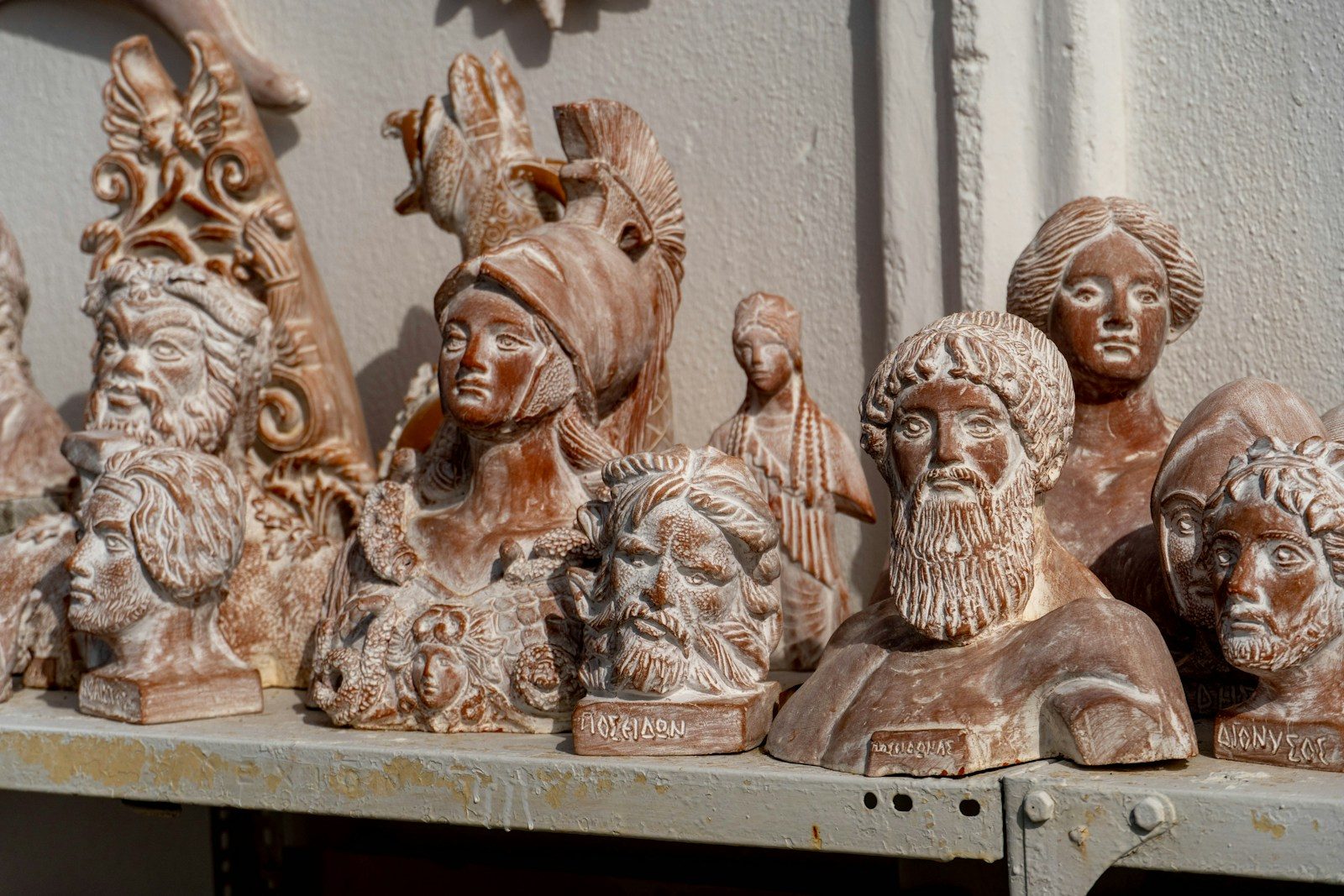
Most history students assume that Christopher Columbus was the first European to reach the Americas. We believe that ancient civilizations lacked the navigational tools to cross the open Atlantic.
But a spectacular archaeological discovery in Mexico has challenged this timeline completely. An authentic ancient Roman artifact has been found buried deep within an undisturbed tomb.
Sifting Through Sealed Graves
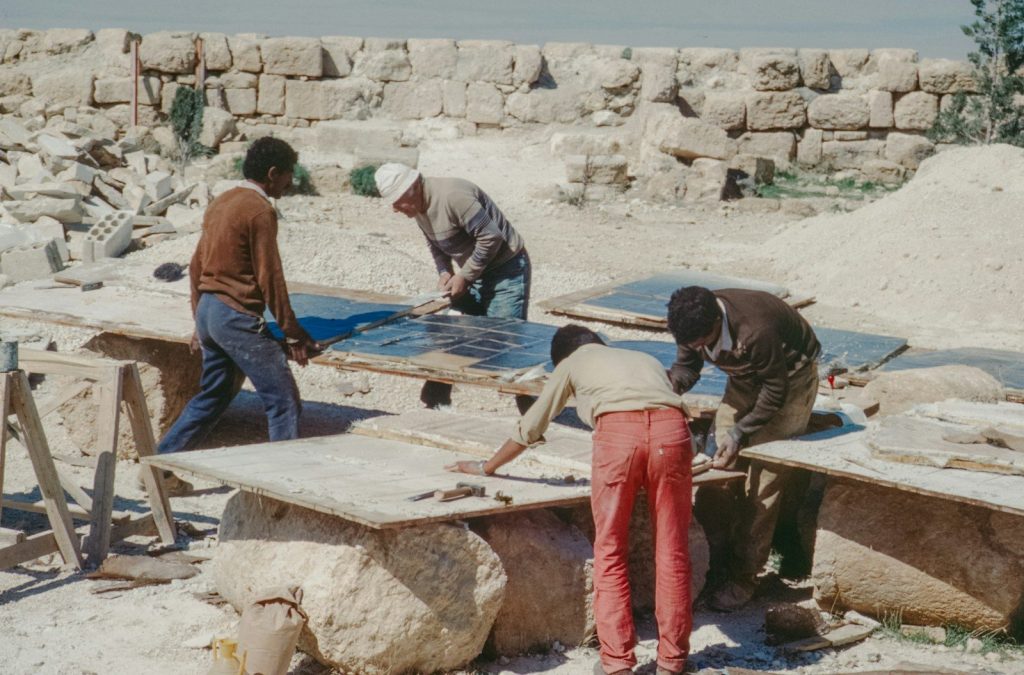
A team of archaeologists exploring a pre-Columbian burial site uncovered a highly unusual grave. According to reports from the National Institute of Anthropology and History, researchers were excavating a burial chamber in Mexico. The tomb was sealed. Beneath the heavy clay floor lay a collection of native ceremonial items. But what lay hidden in the center of the grave would stun the research team.
The Terracotta Head Find
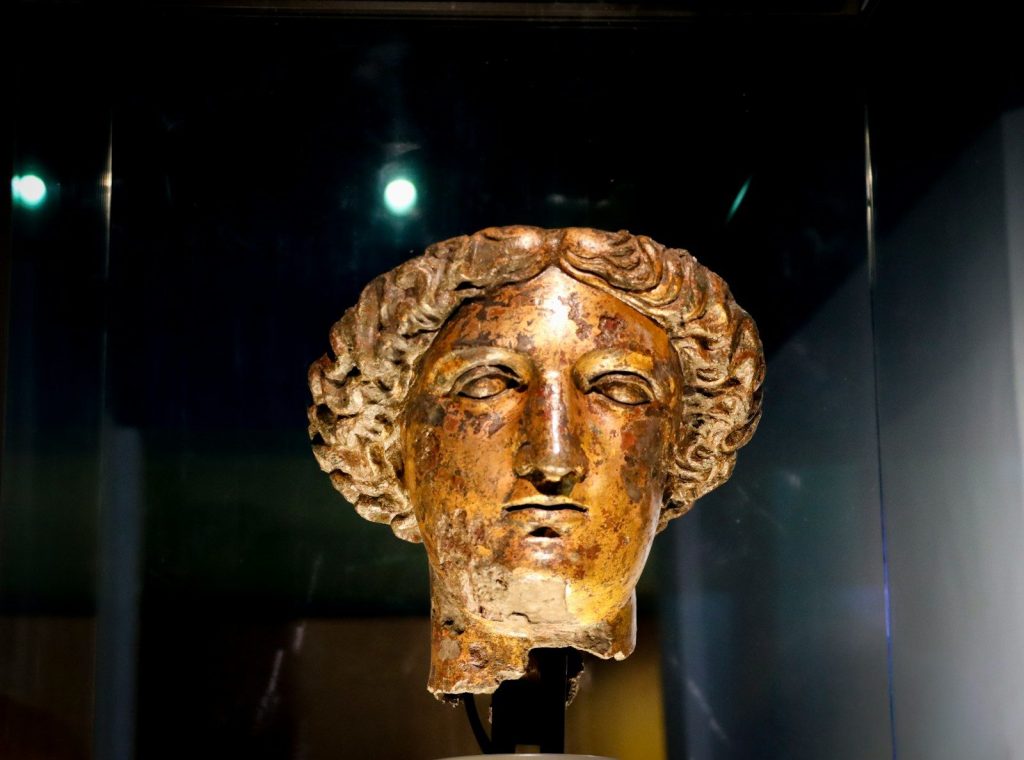
Archaeologists recovered a tiny ceramic figurine head that did not match any local art styles. According to art historians, the style of the carving was strikingly European in its details. It looked out of place. The facial features and hair design resembled standard Roman art from the early centuries. But verifying the authenticity of this artifact required running advanced laboratory tests.
Checking The Mineral Dates
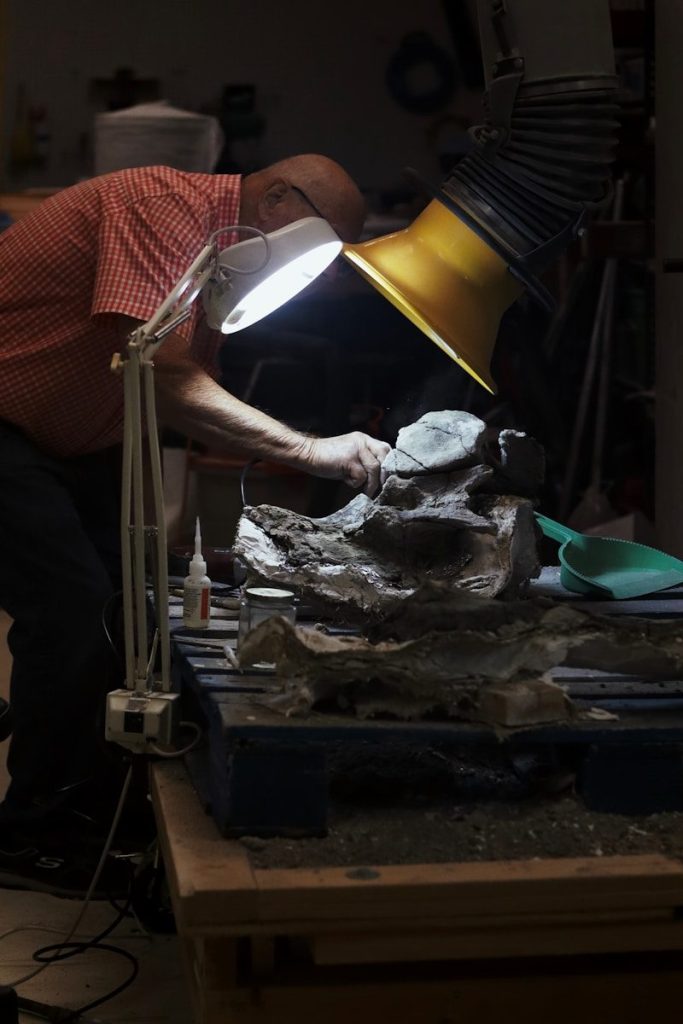
Scientists used a highly precise dating method called thermoluminescence to determine when the ceramic was baked. According to reports from the Max Planck Institute, the minerals in the clay were heated nearly two thousand years ago. The dates are shocking. This timeline aligns perfectly with the height of the early Roman Empire. But explaining how this artifact crossed the ocean remained a major challenge.
The Shipwreck Theory

Some maritime historians suggest that a Roman merchant vessel was blown off course by a violent Atlantic storm. According to oceanographic drift studies, a disabled ship could easily float across the ocean currents toward the Caribbean. The journey was long. Surviving sailors might have reached the shores and shared their cultural tools with local tribes. But some researchers suggest an alternative trading route.
Prehistoric Maritime Traders
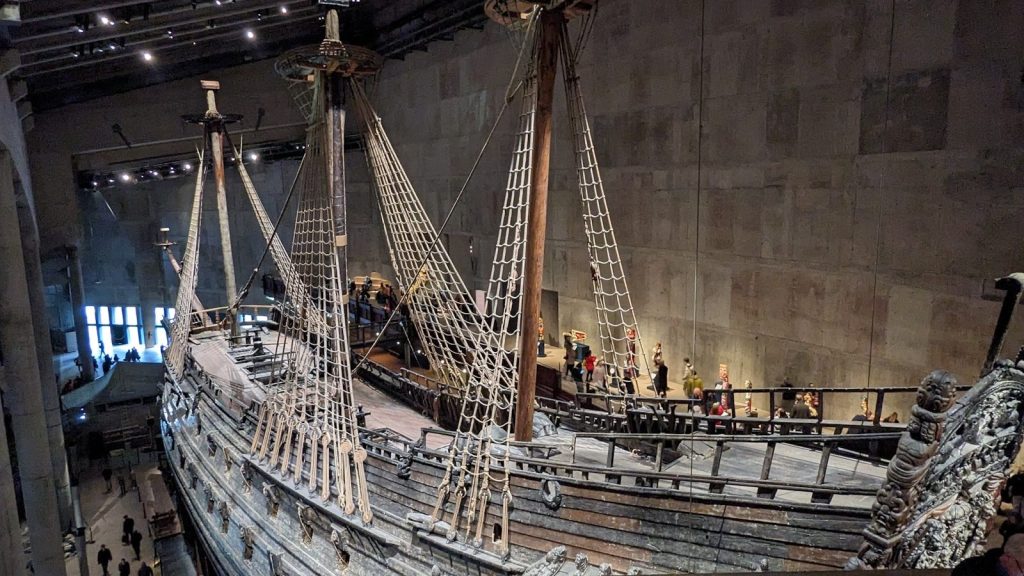
A different theory argues that ancient Phoenician or Roman sailors possessed highly advanced navigation skills. According to classical historical archives, early explorers documented long sea journeys beyond the Mediterranean gates. They were brave. These skilled navigators might have actively crossed the ocean to trade with early American civilizations long before Columbus. But this trade theory remains highly controversial.
The Academic Divide

Mainstream archaeologists remain highly cautious about rewriting history based on a single small artifact. According to traditional historians, the ceramic head could be a later colonial plant or a modern hoax. They demand absolute proof. They believe that claiming early contact requires finding multiple pre-Columbian European settlements. But the geological context of the sealed tomb makes a hoax highly unlikely.
Redefining Our Deep Past
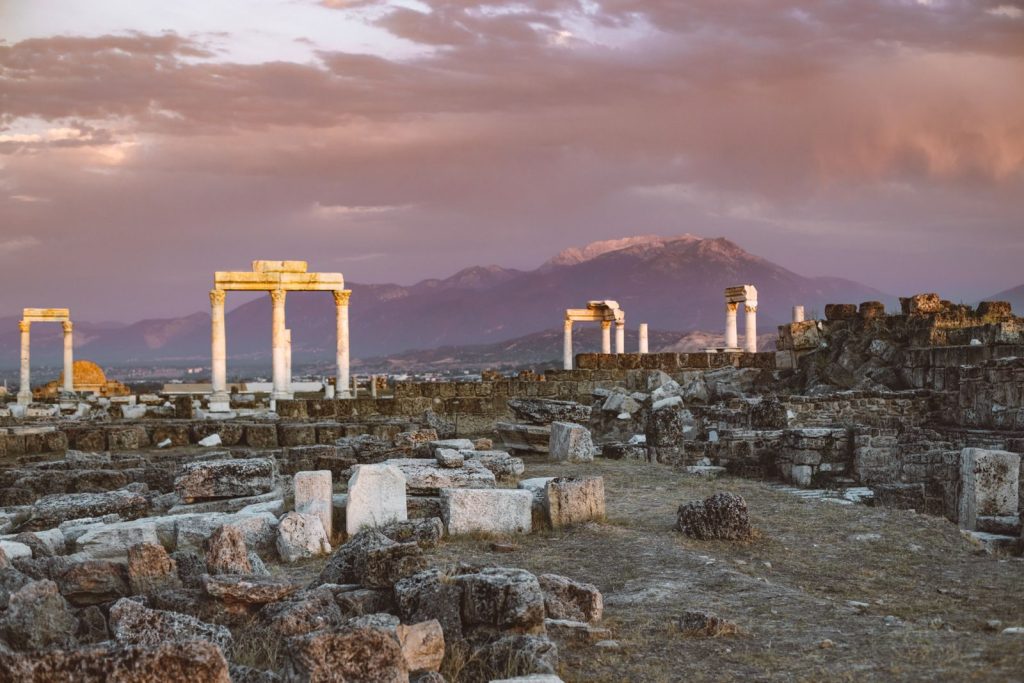
This mysterious Roman artifact proves that ancient history is filled with unmapped connections and hidden stories. According to researchers, studying these out-of-place items helps us appreciate early human intelligence and maritime exploration. The past is active. This article is for informational purposes only.
Featured Image: Photo by Andrey Nuraliev on Unsplash
Leave a Reply