Some places on Earth are so dangerous or sacred that the public is strictly banned from entering. These are not just fenced-off government buildings. We are talking about entire islands and ancient sites that have been sealed away for decades. Some bans protect the visitors from certain death. Others protect the site from us. Governments across the globe spend millions every year to ensure these borders remain untouched by modern feet. Why are these locations so heavily guarded?
From a deadly island filled with thousands of venomous snakes to a vault containing the future of human food, these landmarks hold secrets that few will ever see. You might think you can buy your way into anywhere with enough money. However, these restricted zones prove that some doors stay closed forever. The reasons range from national security to biological hazards that could end civilization as we know it. But wait until you see the island where the residents will attack anyone who tries to land on their shore.
The Island Where Modern Humans Are Strictly Forbidden
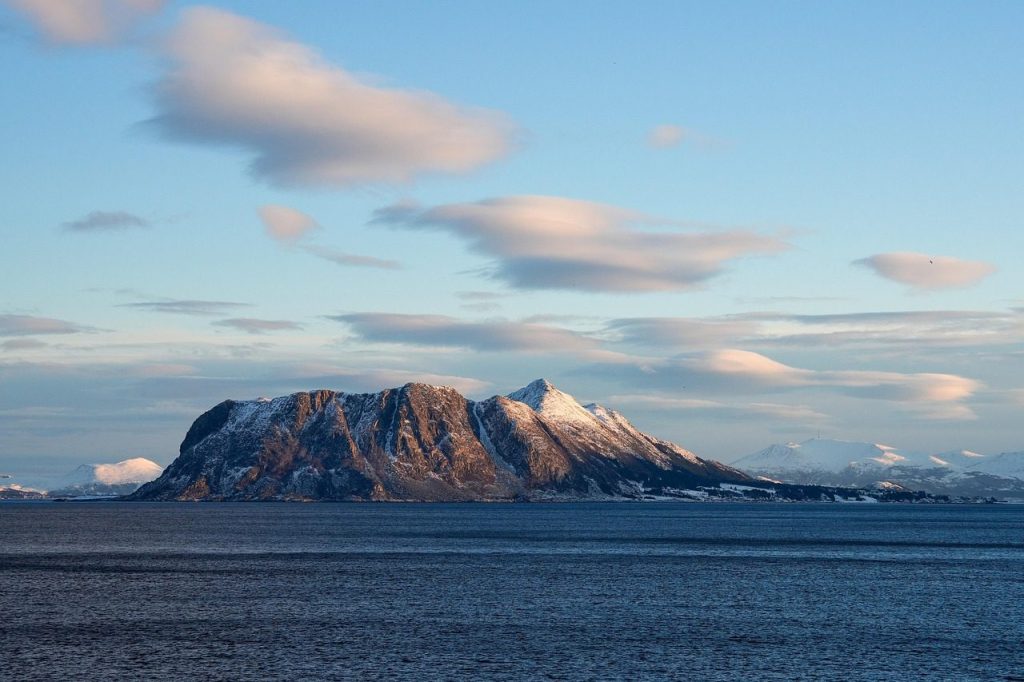
North Sentinel Island looks like a paradise from the air. It sits in the Indian Ocean and features thick jungles and clear water. But do not be fooled by the view. The Sentinelese people have lived here for thousands of years in total isolation. They refuse all contact with the outside world. If you get too close, they will defend their home with arrows and spears. The Indian government has made it illegal to go within five miles of the coast. This keeps the tribe safe from modern diseases they cannot fight. But what about the island where the threat comes from the ground instead of the people?
Brazil’s Deadly Island With Five Snakes Per Square Meter
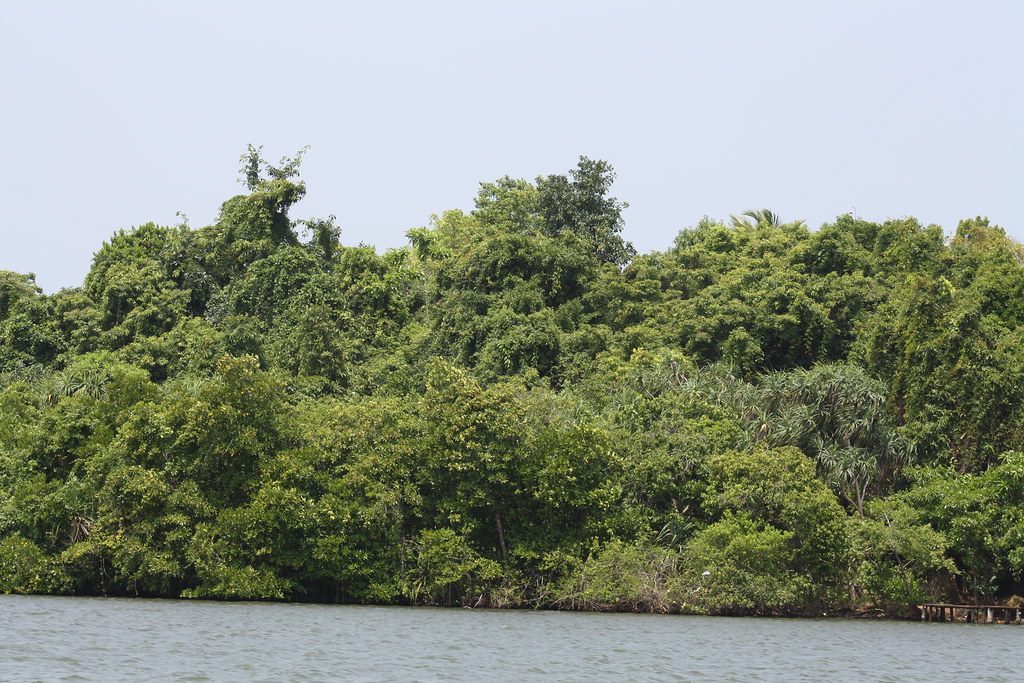
Ilha da Queimada Grande is better known as Snake Island. It is located just off the coast of Brazil and holds one of the world’s deadliest secrets. Experts estimate that there are between one and five snakes for every square meter of land. These are not ordinary snakes. The Golden Lancehead Viper lives only here. Its venom is so strong it can melt human flesh on contact. The Brazilian Navy has closed the island to everyone except a few researchers and the lighthouse maintenance crew. But there is another restricted site that is not about danger but about our survival in the future.
The Doomsday Vault Hidden Deep in the Arctic Circle
The Svalbard Global Seed Vault is built into a mountain on a remote Norwegian island. It is designed to survive earthquakes, nuclear strikes, and rising sea levels. Inside are millions of seeds from every corner of the globe. If a global catastrophe wipes out our crops, this vault will allow us to start over. It is the ultimate insurance policy for humanity. Only a handful of people have the keys to go inside these frozen tunnels. But wait until you see the cave in France that was closed to save the world’s oldest art.
Why the World’s Most Famous Cave Art is Sealed Away
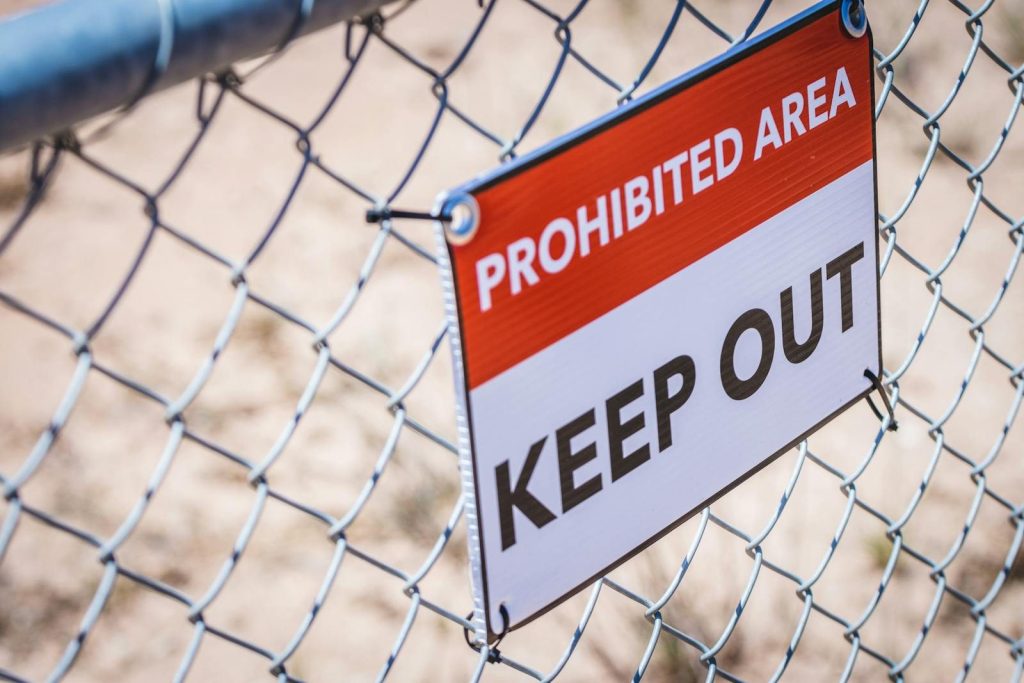
The Lascaux Caves in France contain some of the most impressive prehistoric paintings ever found. For years, thousands of tourists visited these halls. However, the carbon dioxide from their breath started to create mold that destroyed the 17,000-year-old art. To save history, the government sealed the caves in 1963. Now, you can only visit a replica built nearby. The real paintings sit in total darkness to prevent any more damage. But what if a site is restricted because the government is hiding something that might be from another world?
The Nevada Desert Site That Officially Did Not Exist
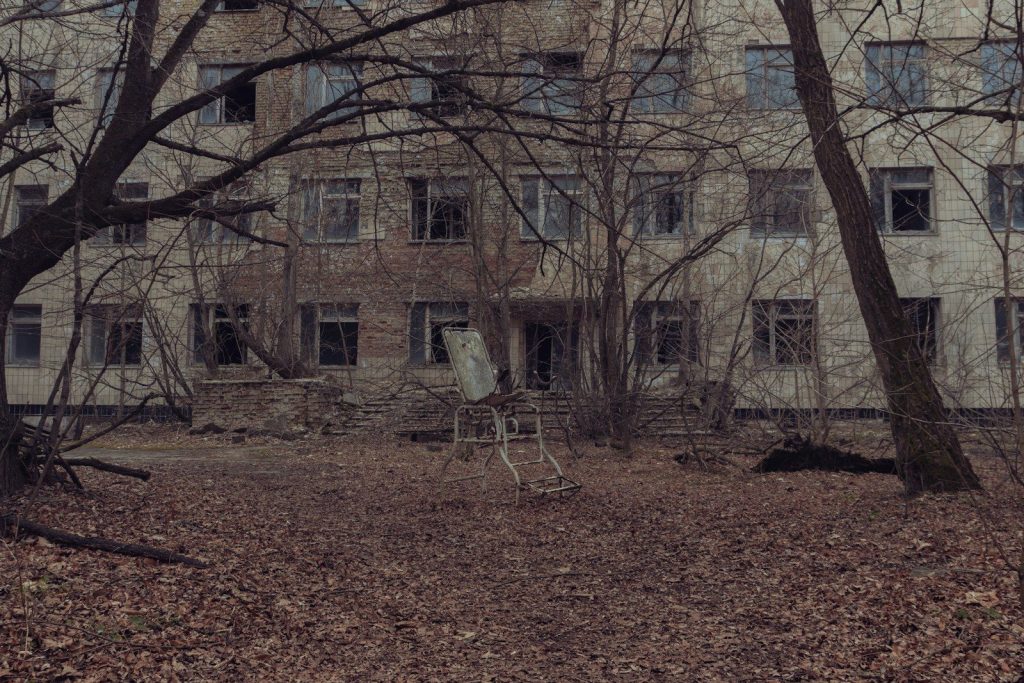
Area 51 is perhaps the most famous restricted landmark on this list. For decades, the U.S. government would not even admit it existed. It is a massive military base in the Nevada desert. Guards with automatic weapons patrol the perimeter 24 hours a day. Signs warn that “deadly force” is authorized if you cross the line. While many believe it holds alien technology, the military says it is just a testing ground for top-secret aircraft. Whatever is inside, you will never get a look at it. But wait until you see the radioactive city that was abandoned in a single day.
The Ukrainian Ghost Town That Nature is Taking Back
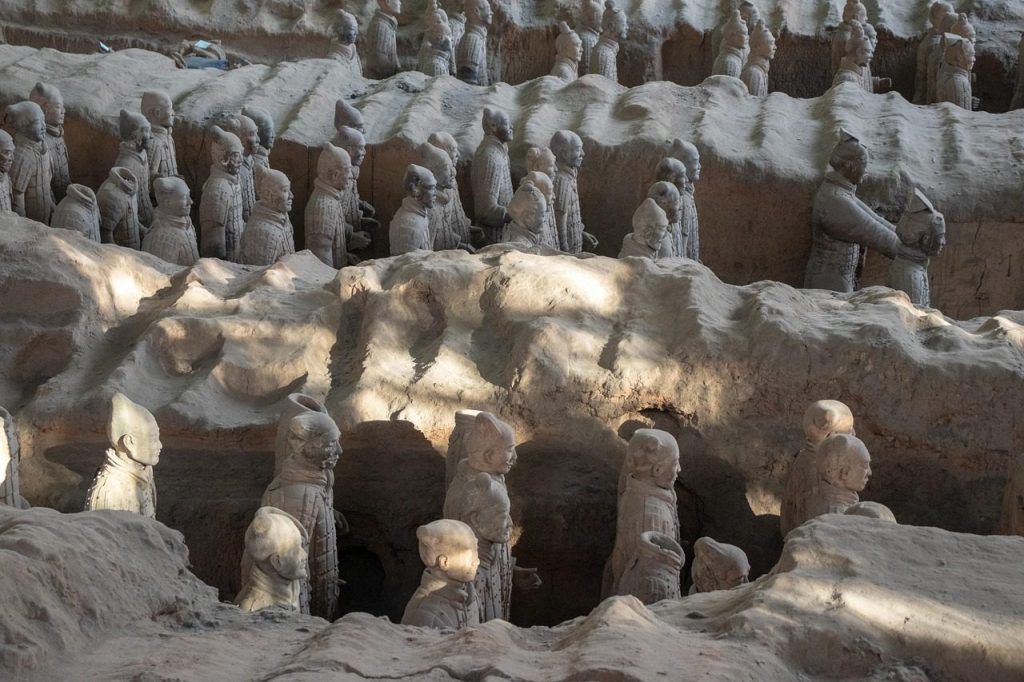
Pripyat was once a booming city for workers at the Chornobyl nuclear plant. After the 1986 disaster, the entire population was evacuated in hours. They left their clothes, toys, and pets behind. Today, the radiation levels are still too high for humans to live there permanently. While small tours are sometimes allowed, most of the “Exclusion Zone” is strictly off-limits. It is a haunting reminder of what happens when technology goes wrong. But there is one more site in China that holds a treasure we are too afraid to touch.
The First Emperor’s Tomb That No One Dares Open
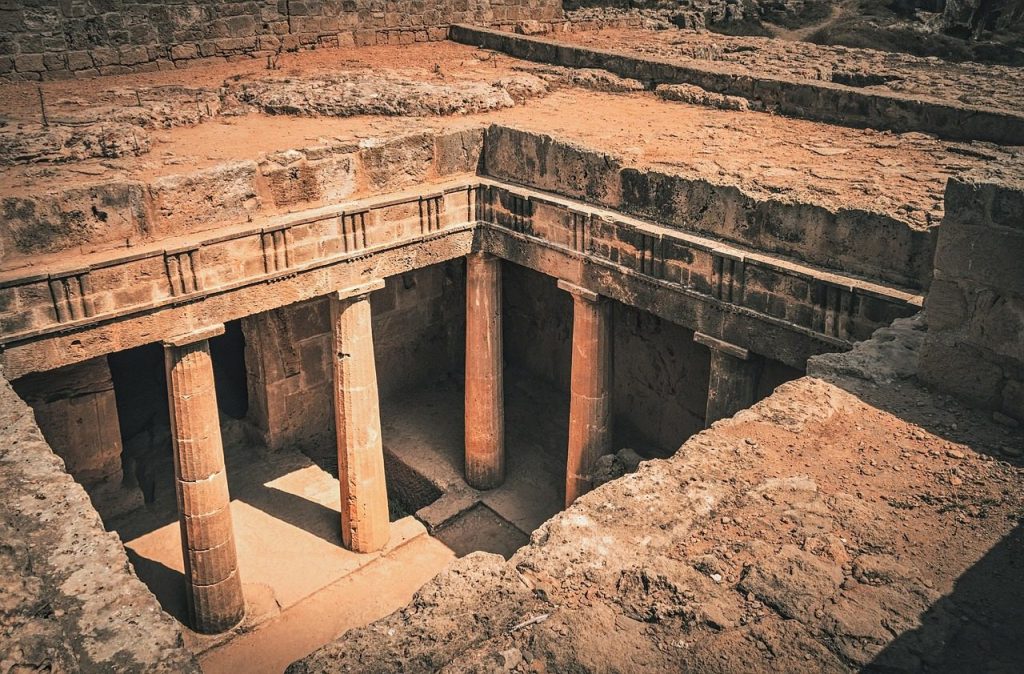
The tomb of Qin Shi Huang is guarded by the famous Terracotta Army. Archaeologists found the soldiers in 1974, but they have never opened the central tomb of the Emperor. Ancient texts say the tomb is filled with traps and rivers of poisonous mercury. Scientists also worry that opening it would destroy the delicate artifacts inside with a rush of fresh air. For now, the Emperor sleeps in a massive underground palace that we can only imagine. As we look at these restricted places on land, another mystery waits at the bottom of the ocean.
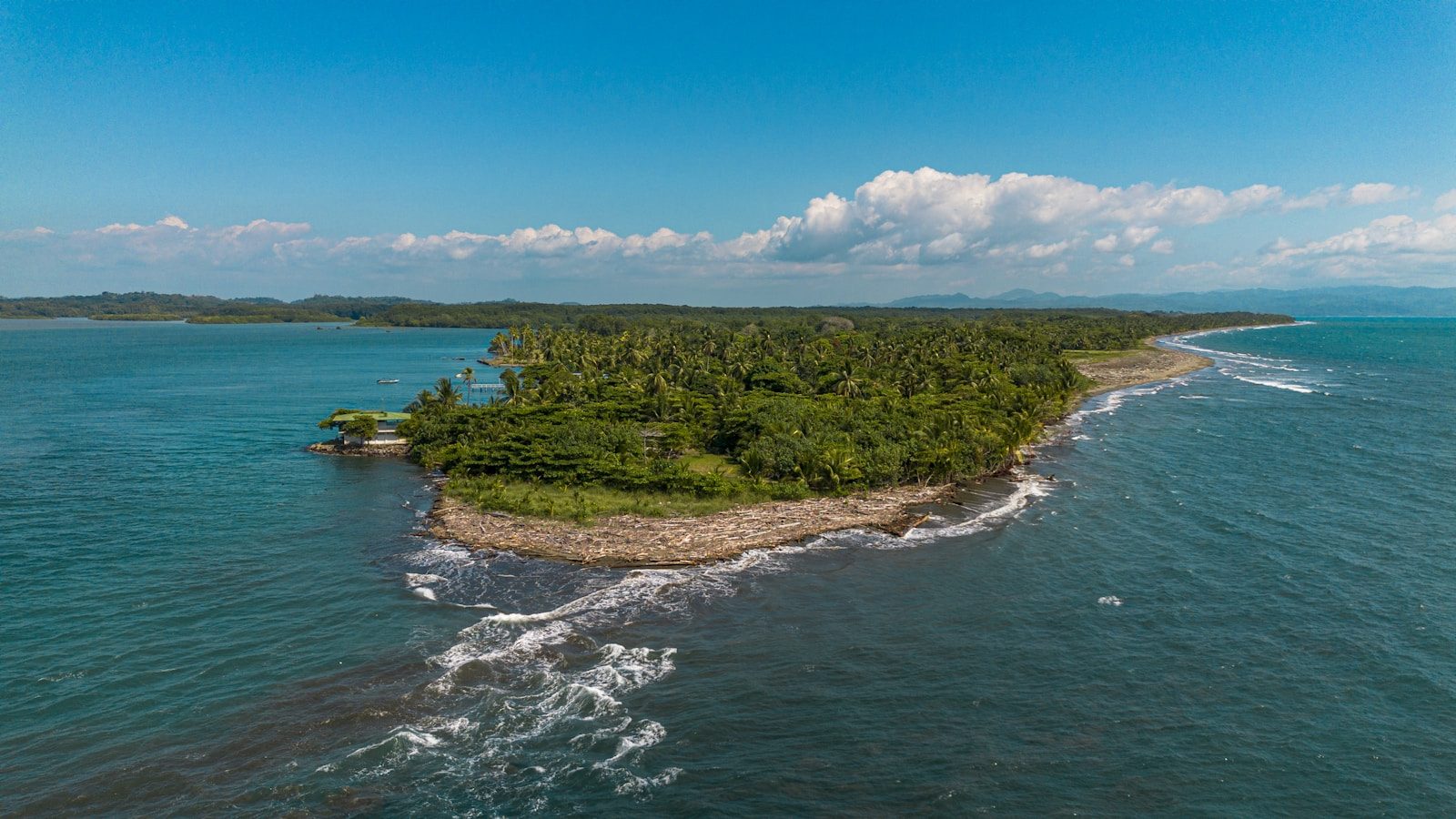
Featured Image: Photo by Santiago López García on Unsplash
Leave a Reply