
Most rescue workers assume that standard search dogs are the best way to locate survivors in collapsed buildings. We believe that traditional training offers the most reliable hope during a major crisis.
But a revolutionary leap in robotic engineering has introduced a highly unusual partner. Advanced mechanical snakes are slithering through tiny rock gaps to find survivors.
Replicating Natural Slithering Moves
Mimicking the fluid motion of a biological snake presents an extreme engineering challenge. According to robotics designers, the mechanical frame relies on dozens of interlocking motorized joints. The physics is complex. If a single joint loses power, the entire body can instantly become immobilized. But this mechanical flexibility allows the robot to crawl through places no human can go.
Navigating Tight Structural Gaps

Collapsed buildings contain highly unstable piles of concrete and twisted metal. According to rescue technology guides, the robotic serpent can slide through spaces narrower than a human arm. They are incredibly agile. This unique locomotion prevents the machine from disturbing loose debris during search operations. But guiding this metallic body through the rubble requires a smart on-board brain.
Operating With Artificial Intelligence
No human operator can manually adjust every single joint while steering a robot through dark ruins. According to software engineering logs, the machine uses built-in algorithms to adapt its movement patterns automatically. The learning is constant. This artificial intelligence helps the robot climb over obstacles and slide through wet mud easily. But capturing real-time data is the primary goal of the mission.
Tracking Heat And Sounds

The head of the mechanical serpent is packed with highly sensitive thermal cameras and microphones. According to search and rescue reports, these sensors can detect the body heat and weak cries of survivors. The feedback is instant. This real-time data is beamed back to rescue teams on the surface immediately. But keeping these electronic sensors safe requires a highly robust outer shell.
Designing The Sealed Exoskeleton
Operating in wet and dusty rubble can easily destroy delicate computer processors. According to materials science reviews, the robotic body is wrapped in a highly durable protective sleeve. It is remarkably tough. This waterproof barrier blocks sand and water from entering the internal motor chambers. But this slithering technology is already inspiring other extreme exploration programs.
Exploring Other Worlds
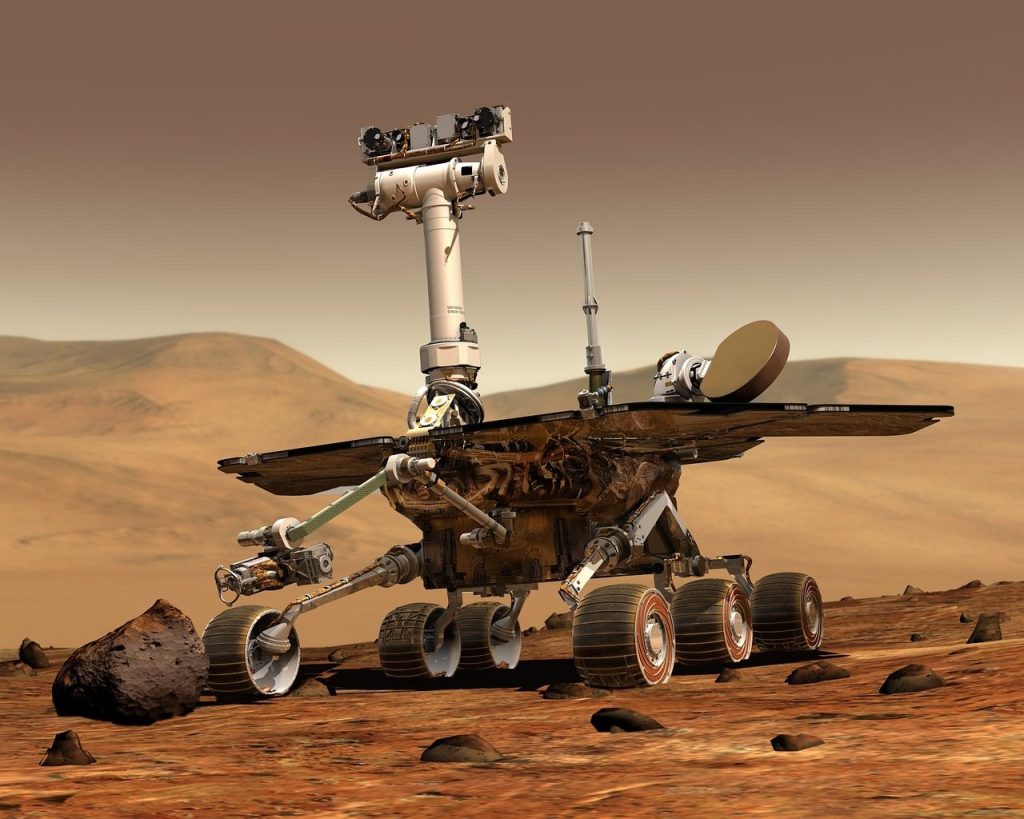
Space agencies are looking at these slithering frames to design the next generation of planetary rovers. According to NASA development plans, robotic snakes are ideal for exploring deep volcanic caves on Mars. The terrain is rugged. These machines could easily navigate tight tunnels where standard wheeled rovers would get stuck. But the ultimate success of these systems depends on regular field testing.
Redefining Search Operations
Developing these smart mechanical serpents is transforming how we manage natural disasters and explore uncharted environments. According to technology historians, using flexible automation preserves human life during extreme emergencies. Change is happening. This article is for informational purposes only.
Featured Image: Photo by dilsadakcaoglu on Pixabay
Leave a Reply