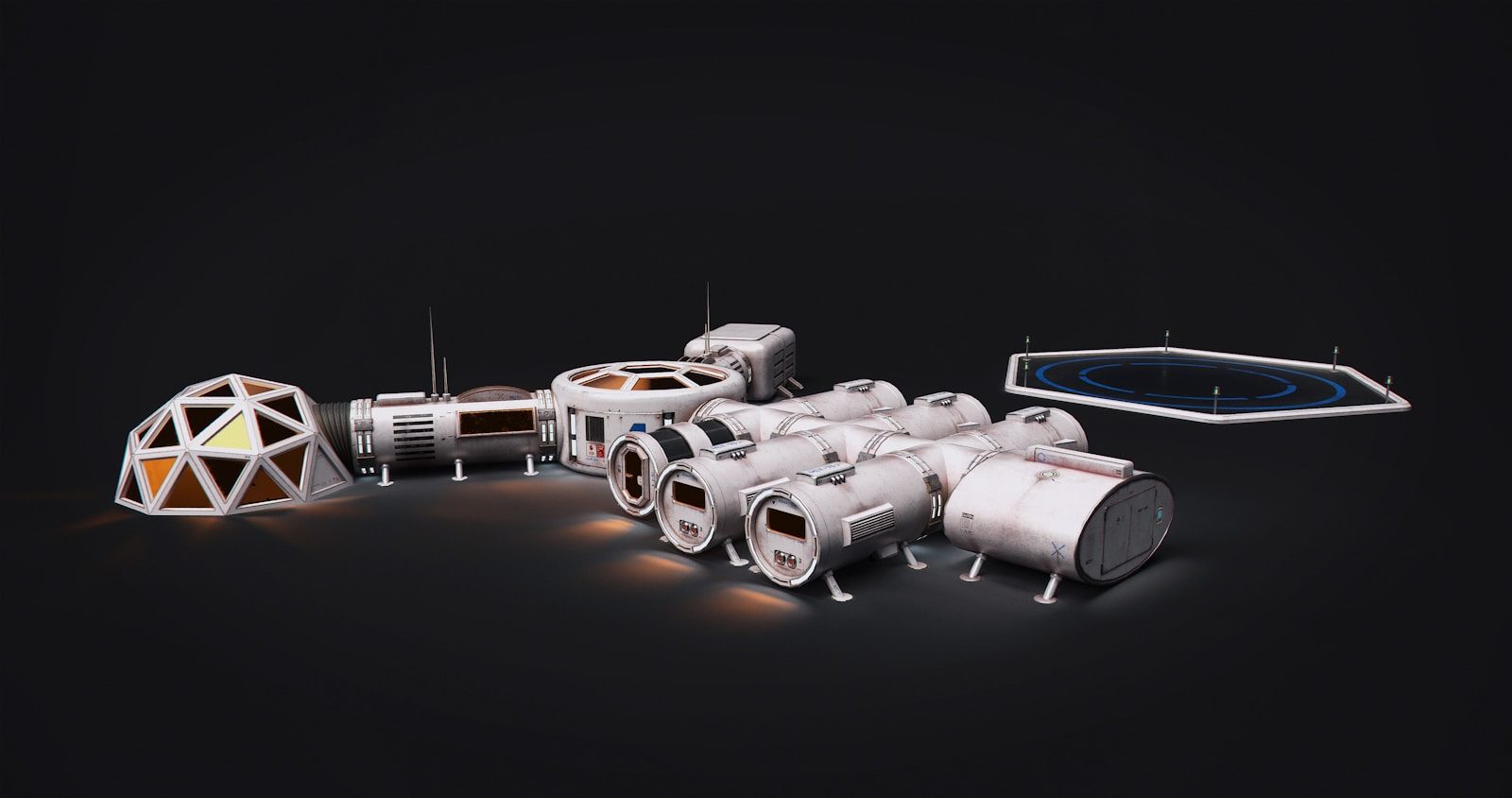
Most space enthusiasts assume that rocket designs are only shaped by strict mathematical formulas. We believe that aerospace engineers ignore creative stories and focus entirely on raw physics.
But legendary science fiction designs have quietly guided the development of real spacecraft. These creative models are actively helping humanity build vehicles to explore other worlds.
Imagining The Final Frontiers

Early writers dreamed of traveling to the stars long before the first metal rocket left Earth. According to reports from the Smithsonian Institution, classic fictional spaceships inspired the pioneers of modern aerospace engineering. They were highly ambitious. These early stories pushed young scientists to turn fictional blueprints into real metal machines. But matching these fictional shapes with real physics brings a major structural challenge.
Designing The Sleek Hulls
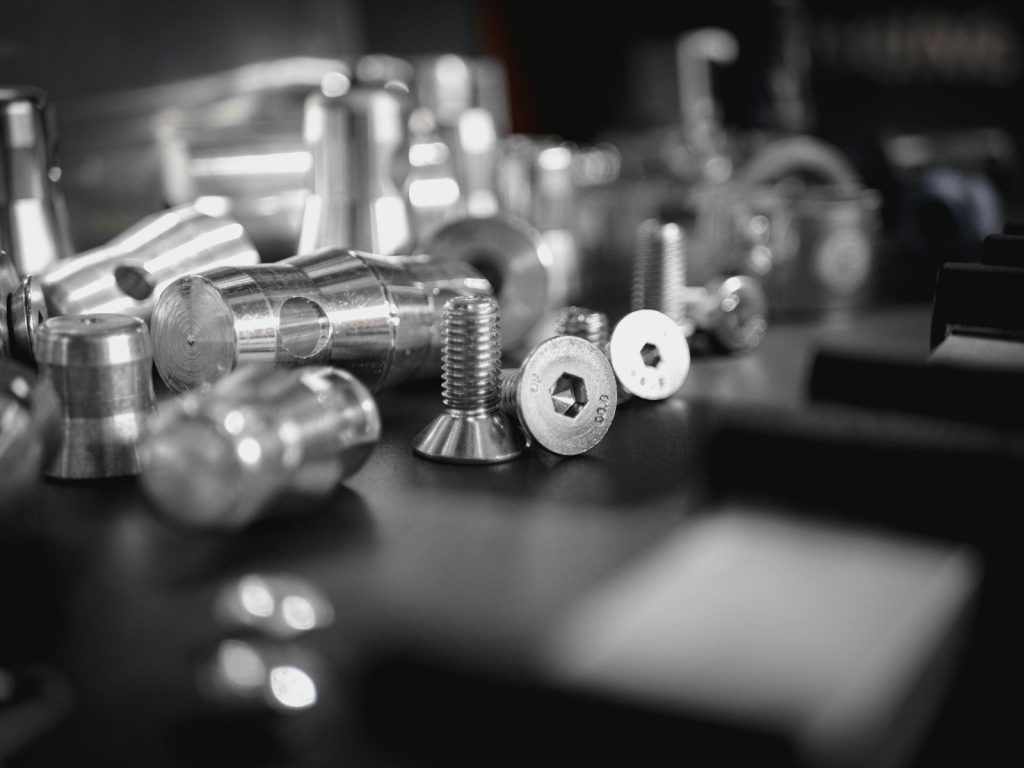
Fictional starships often feature streamlined wings and sharp noses designed to cut through the atmosphere. According to aerospace engineering logs, real deep-space vehicles do not need aerodynamic shapes because space has no air. The designs are practical. However, engineers still use sleek metallic hulls to protect delicate cargo from tiny space debris. But this structural shielding is only the first design puzzle.
Powering The Galactic Engines
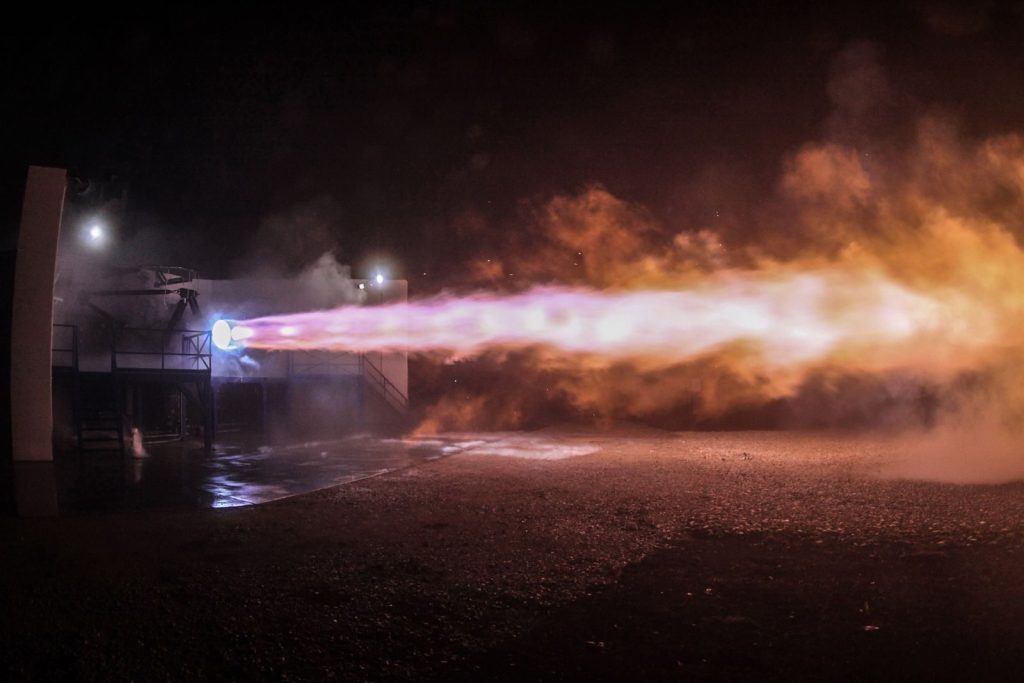
Sci-fi vessels rely on exotic power sources like antimatter or fusion to cross the cosmos. According to reports from NASA, modern researchers are actively testing advanced ion thrusters and solar sails to mimic these fictional engines. They are highly efficient. This real-world technology uses light pressure to pull a vehicle through the dark void. But managing these propulsion systems requires a smart onboard pilot.
Operating On Autonomous Software
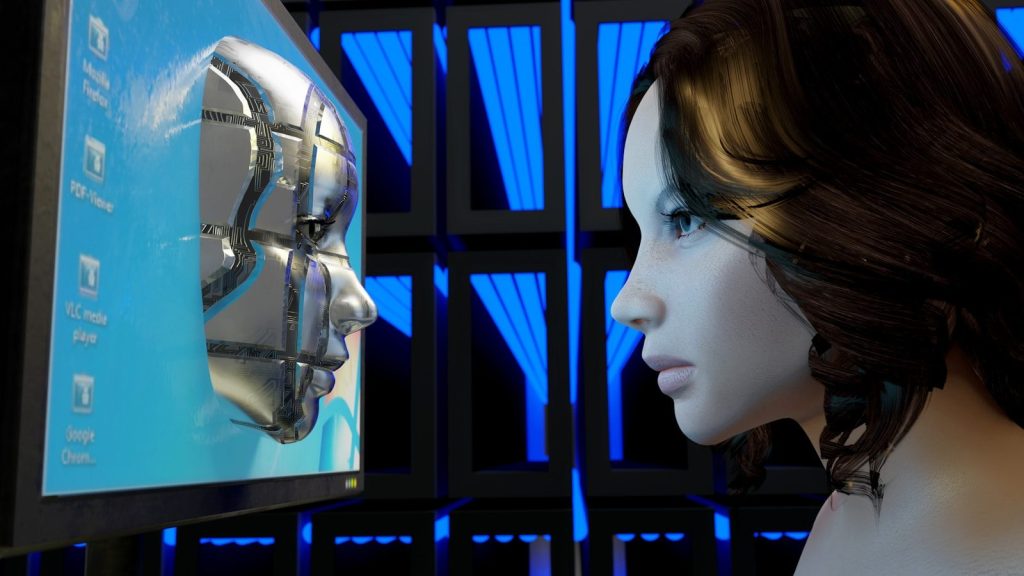
Fictional starships utilize powerful central computer brains to navigate dangerous asteroid belts. According to software engineering logs, modern space probes rely on built-in artificial intelligence to map their paths in real time. The code is smart. This automated system allows spacecraft to make critical flight corrections without waiting for delayed commands from Earth. But these smart systems are also changing our cabins.
Building Bionic Living Quarters
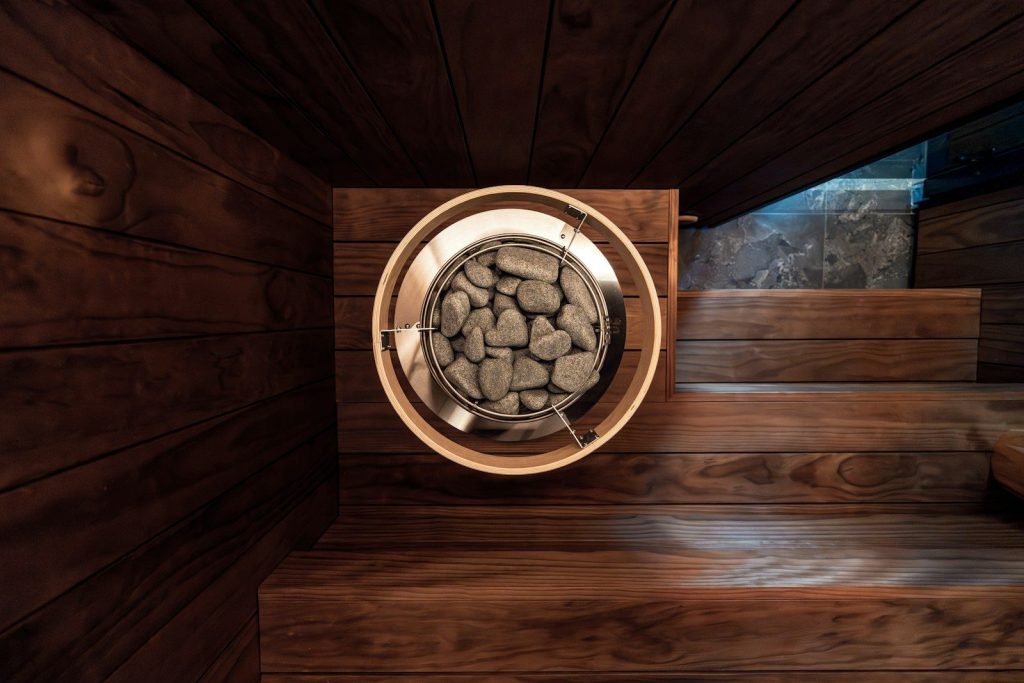
Keeping astronauts healthy during long space transits requires a highly stable internal climate. According to space medicine studies, modern capsule designs copy the modular living quarters seen in classic sci-fi movies. The layout is cozy. These compact rooms use smart air recycling systems to keep crews safe during long journeys. But the ultimate success of these designs relies on a major launch network.
Reusing Massive Steel Boosters
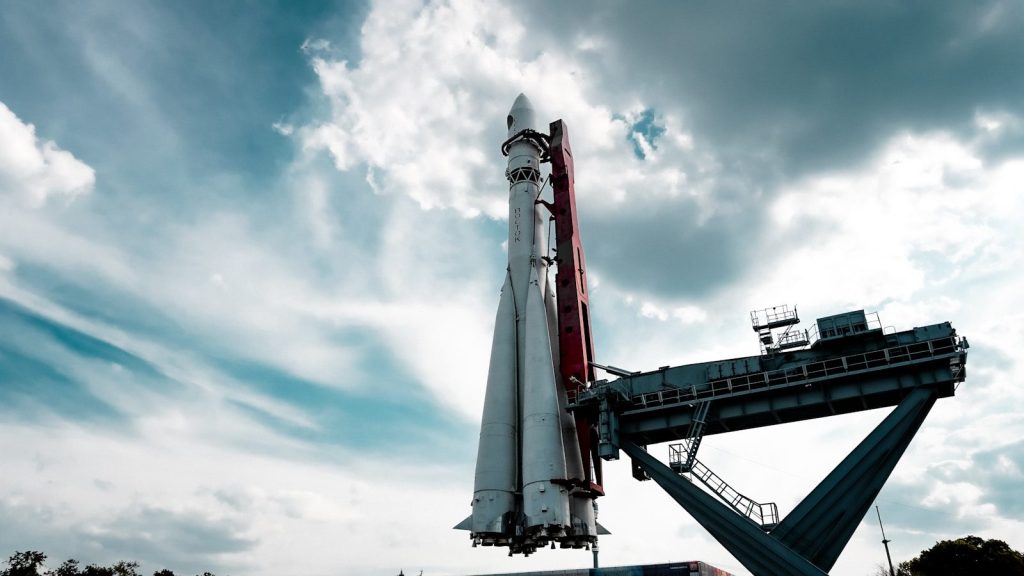
Fictional ships can land and take off repeatedly without needing a team of mechanics. According to reports from SpaceX, building fully reusable steel rockets is turning this old fictional dream into a daily reality. The progress is rapid. This capability slashes the cost of space travel to unlock the next era of stellar exploration. But our journey beyond Earth is just beginning.
Reaching Toward The Stars
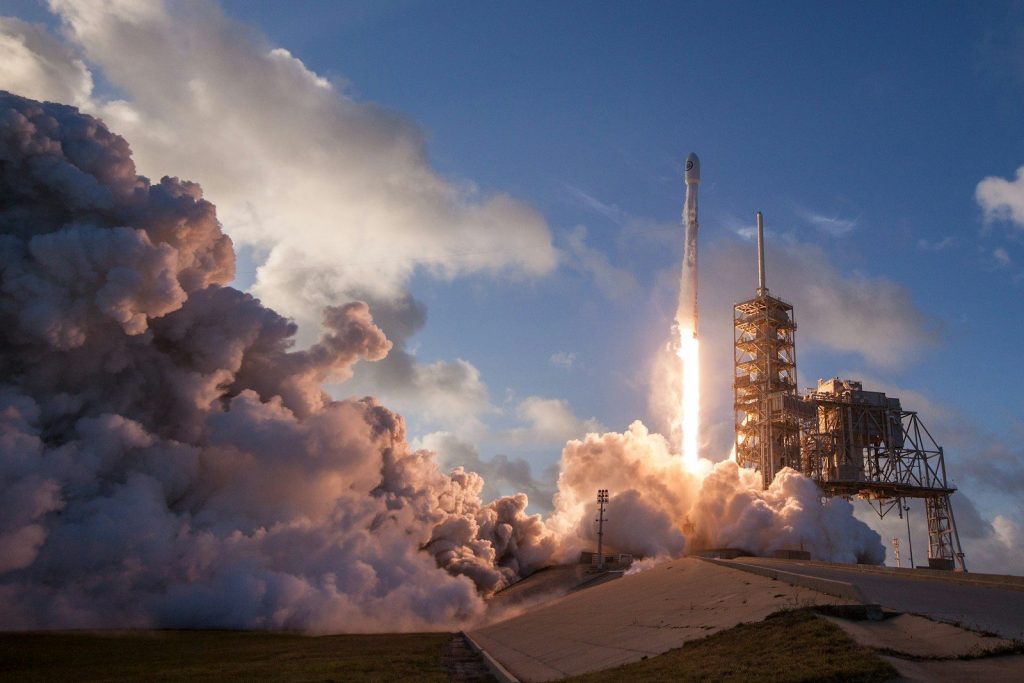
The connection between science fiction and aerospace engineering proves that imagination is a vital driver of human progress. According to researchers, studying creative designs helps us build a more resilient multiplanetary future. The stars are waiting. This article is for informational purposes only.
Featured Image: Photo by Sergey Koznov on Unsplash
Leave a Reply