
Most history lovers assume that ancient cultures only worked with basic bronze and simple stone hammers. We believe that advanced engineering is a unique product of our modern industrial era.
But spectacular archaeological discoveries have challenged this historical timeline. Several ancient inventions reveal highly complex designs that baffle modern scientists and engineers.
The Ancient Greek Computer

Divers exploring an ancient Roman shipwreck recovered a heavily corroded bronze block in nineteen one. According to reports from the National Archaeological Museum in Athens, the relic was actually an analog computer. It was remarkably complex. The device utilized dozens of interlocking bronze gears to track astronomical cycles with absolute precision. But this mechanical marvel was lost for a millennium.
The Secret Glass Formula
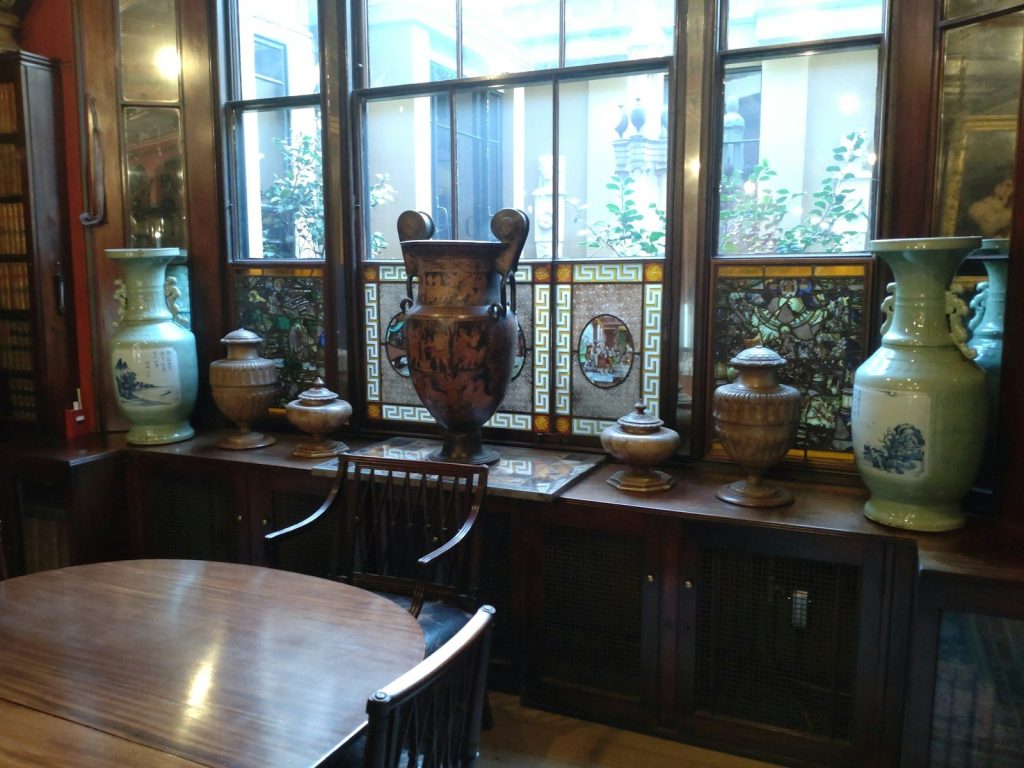
Ancient Roman glassmakers possessed a highly unique recipe that allowed them to create flexible vessels. According to historical records, an artisan presented a glass bowl that could bend without breaking to the emperor. The formula was hidden. Fearing the new material would devalue gold, the ruler ordered the craftsman beheaded to protect the economy. But some ancient concrete holds an even stronger secret.
Concrete That Heals Itself
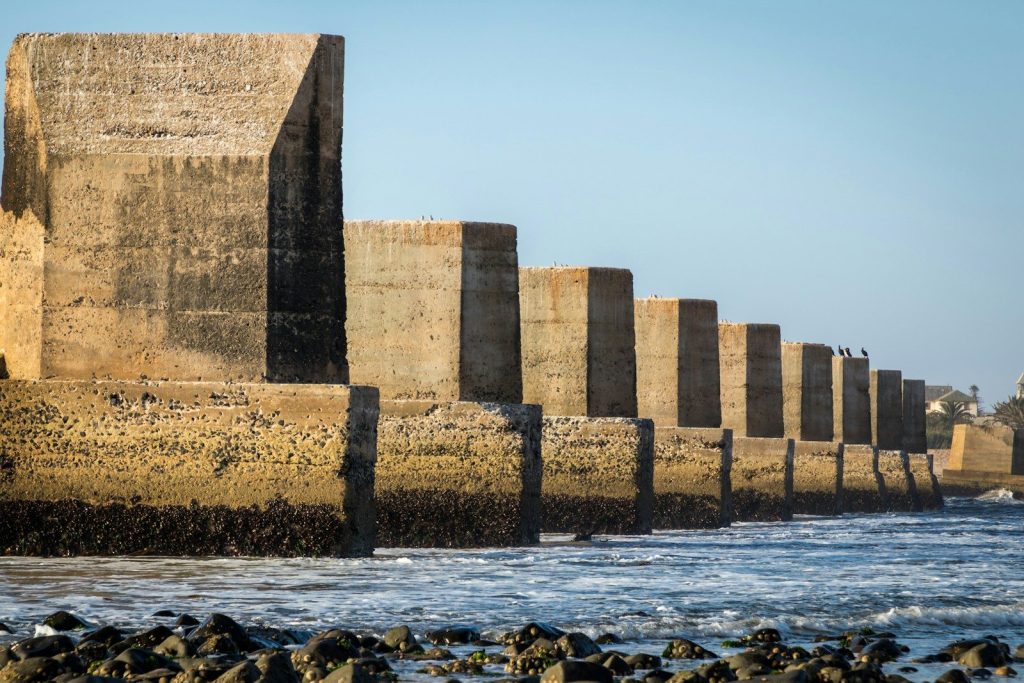
Massive Roman harbors and monuments have stood secure against ocean waves for over two thousand years. According to a study from the Massachusetts Institute of Technology, their concrete contains specialized lime clasts. They are highly active. This unique ingredient allows the concrete to self-heal cracks automatically when exposed to rainwater or seawater. But this advanced construction method vanished with the empire.
The Baghdad Battery Mystery
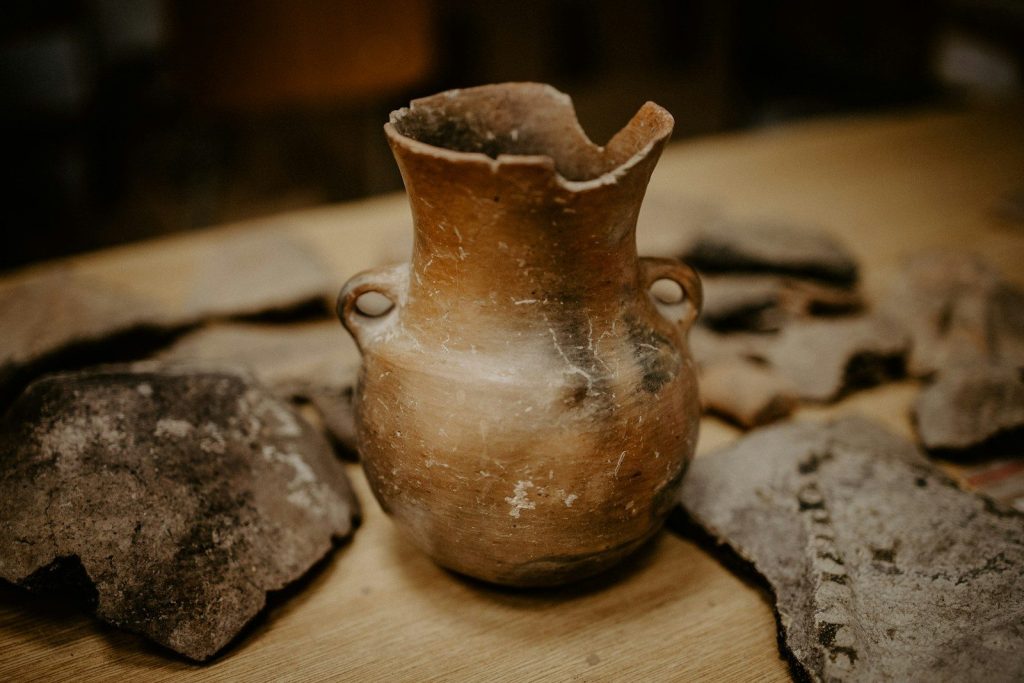
Excavators working near the ancient capital of Mesopotamia uncovered a highly unusual clay jar in nineteen thirty-six. According to archaeological reports, the jar contained a copper cylinder and an iron rod. The design was simple. When filled with an acidic liquid, this simple setup could generate a weak electrical current. But whether ancient priests used this setup for electroplating remains a mystery.
The Flexible Damascus Steel

Medieval blacksmiths forged incredibly sharp swords that could bend without shattering during intense combat. According to metallurgical reports, these legendary weapons contained highly aligned carbon nanotubes inside the steel core. They were incredibly tough. This advanced nanotechnology gave the blades their unmatched strength and famous wavy patterns. But the original smelting recipe was lost in the eighteenth century.
The Roman Lycurgus Cup

An ancient decorative glass cup changes color dynamically depending on the angle of the light. According to reports from the British Museum, the glass was infused with microscopic nanoparticles of gold and silver. The work was flawless. This prehistoric nanotechnology is what allowed the cup to shift from green to vibrant red when lit. But how ancient glassmakers achieved this precision remains unknown.
The Self-Lit Tombs

Early explorers entering sealed Egyptian tombs reported finding ancient lamps still burning in the dark chambers. According to historical diaries, these legendary perpetual lamps could burn for centuries without consuming any oil. They were highly silent. While skeptics dismiss these claims as simple legends, some alternative theorists believe they used basic electrical currents. But proving this theory requires launching new excavations.
Lessons From The Past

The mystery of these forgotten inventions proves that ancient builders possessed a master grasp of materials science. According to researchers, studying these silent relics helps us appreciate the true scale of early human intelligence. Nature and art unite. This article is for informational purposes only.
Featured Image: Photo by Ahmet Yüksek ✪ on Unsplash
Leave a Reply