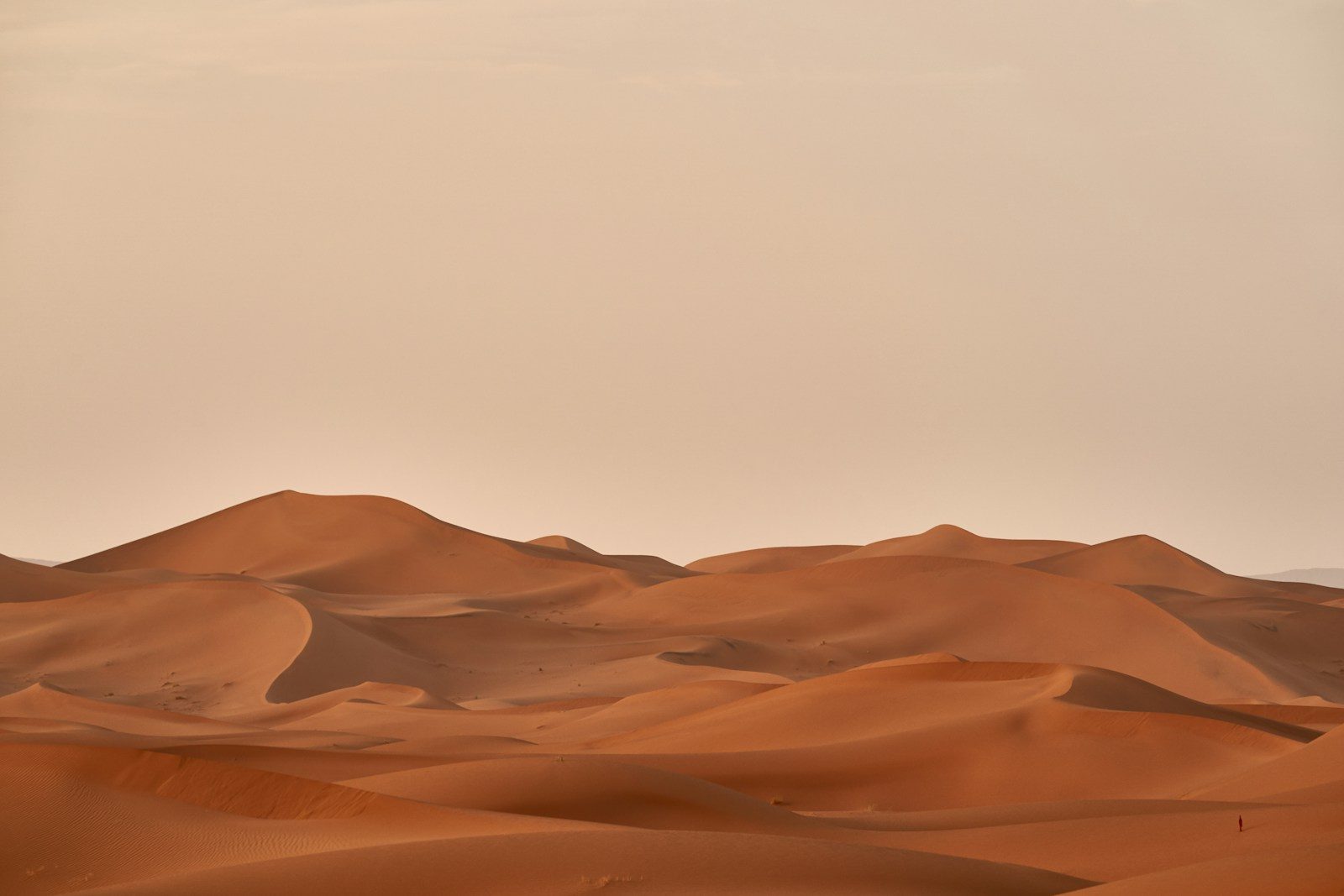
Deserts can look empty at first glance, but they are often full of quiet, clever life. The trick is that desert plants and animals do not waste energy or water the way life in wetter places can. Many deserts receive very little rain each year, and NASA notes that most deserts get under 300 millimeters of rain annually, far less than rainforests.
Still, life finds a way through smart survival habits. Plants store water, grow deep or wide roots, and wait for rare rain. Animals avoid the hottest hours, move at night, or get moisture from their food. The desert may seem still, but it is always working behind the scenes.
Deserts are not lifeless
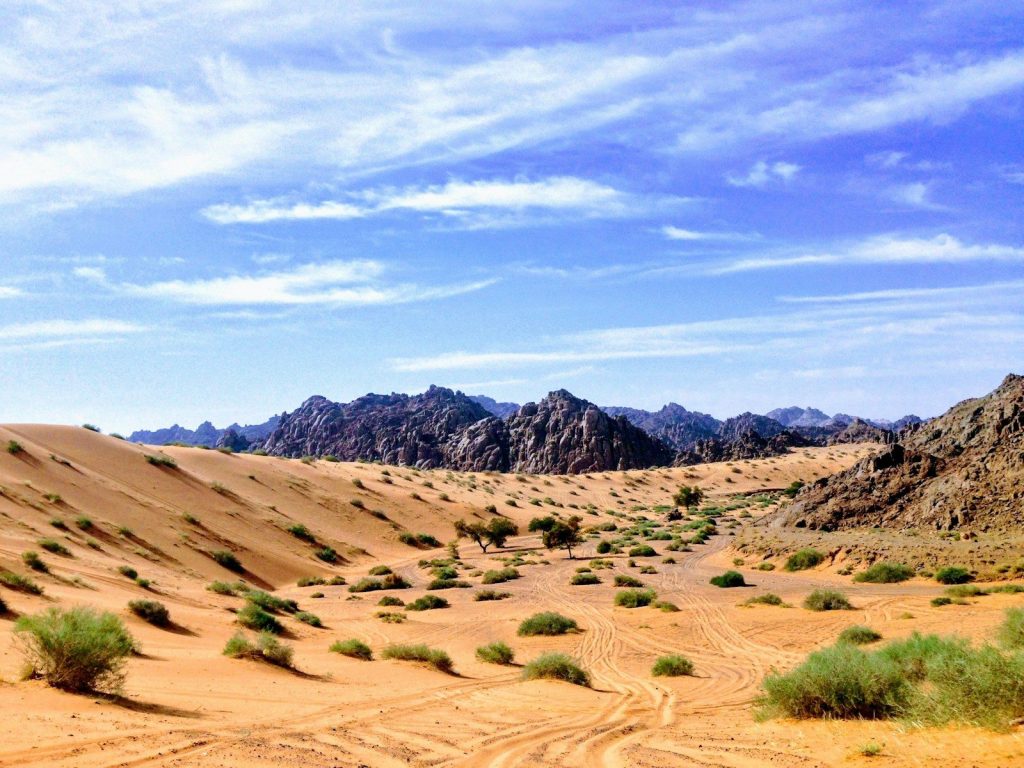
A desert is mostly defined by dryness, not by emptiness. Some deserts are hot, while others are cold, but they all share one big challenge: water is hard to find.
That does not stop life from growing there. Plants, insects, reptiles, birds, and mammals survive by using less water, avoiding heat, and making the most of short wet seasons.
Plants store every drop
Some desert plants act like living water tanks. Cacti and other succulents can store water in thick stems, leaves, or roots, helping them survive long dry stretches.
This storage is one reason they look so different from many garden plants. Their round, thick shapes are not just for looks. They help hold moisture until rain returns.
Roots hunt for moisture
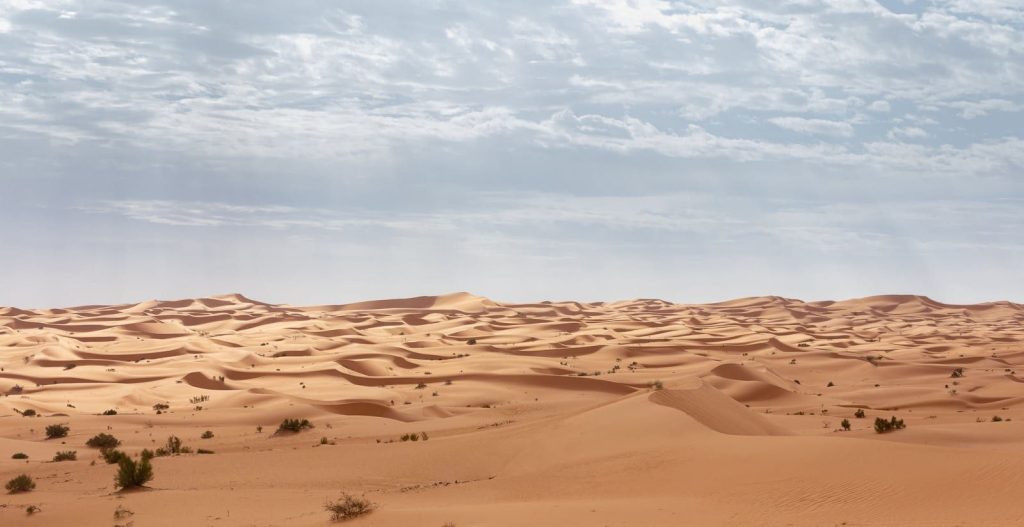
Desert roots are built for the job. Some plants spread shallow roots wide across the ground so they can quickly grab rain before it disappears.
Others send deep roots down toward hidden water below the surface. PBS notes that some desert plants use deep taproots, while others use small leaves to reduce water loss.
Leaves stay small
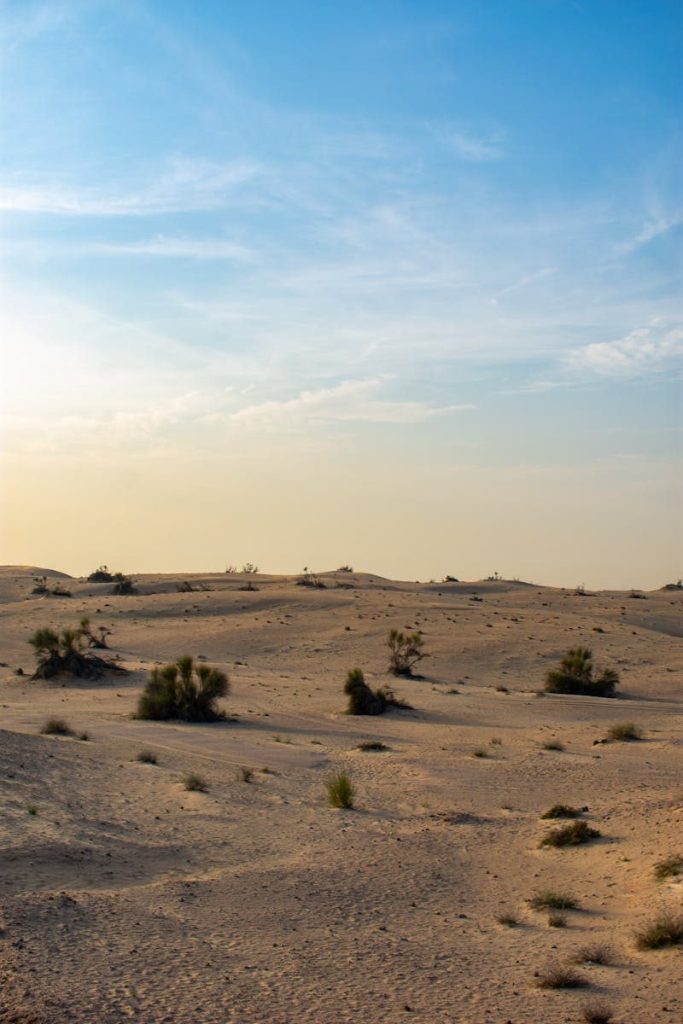
Big leaves can lose lots of water in hot, dry air. That is why many desert plants have tiny leaves, narrow leaves, or no normal leaves at all.
Some plants even drop their leaves during dry times. This may look harsh, but it helps the plant save water and stay alive until better conditions return.
Shade becomes shelter
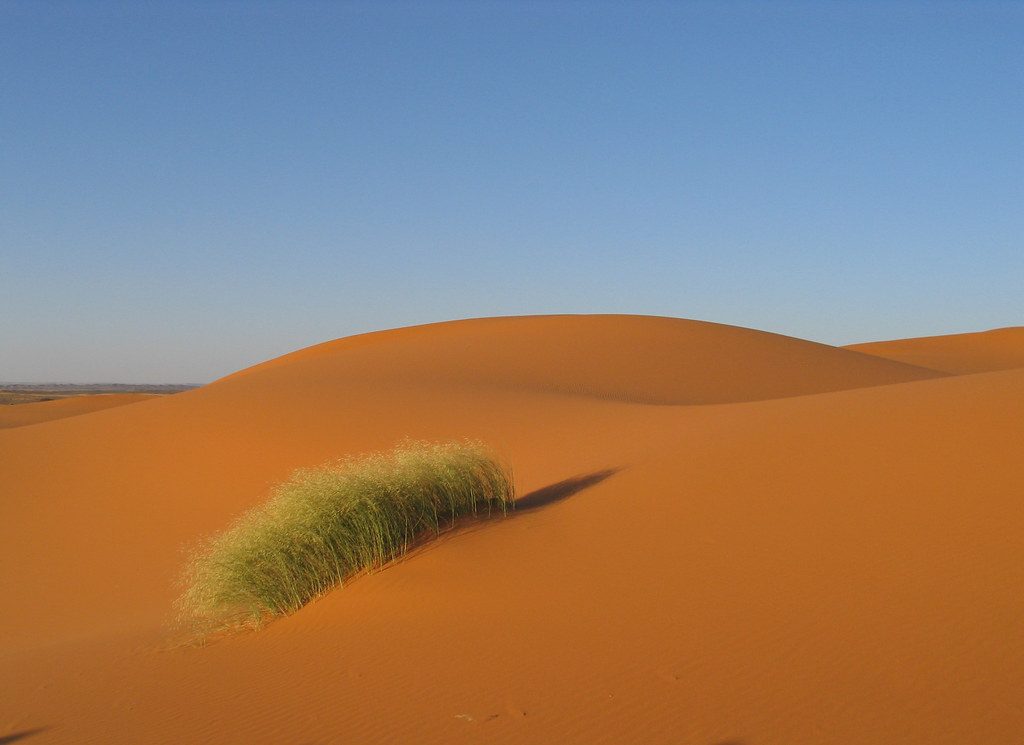
For desert animals, staying cool can be just as important as finding water. Many avoid the hottest hours by resting underground, under rocks, or in shaded spaces.
This simple habit can save energy and moisture. National Geographic notes that many desert animals come out at night, when temperatures are cooler and survival is easier.
Food can provide water
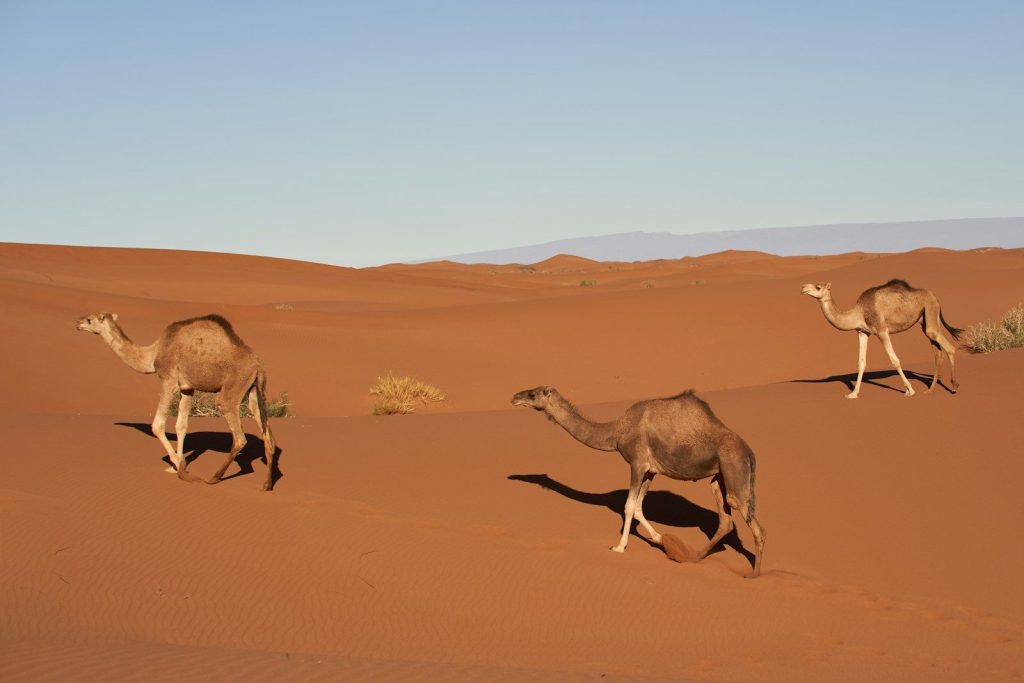
Some desert animals do not need to drink often because they get moisture from what they eat. Seeds, plants, insects, or prey can provide enough liquid for certain species.
Kangaroo rats are a famous example. National Geographic explains that they can get water from the seeds they eat, which helps them survive in dry places.
Nighttime is prime time
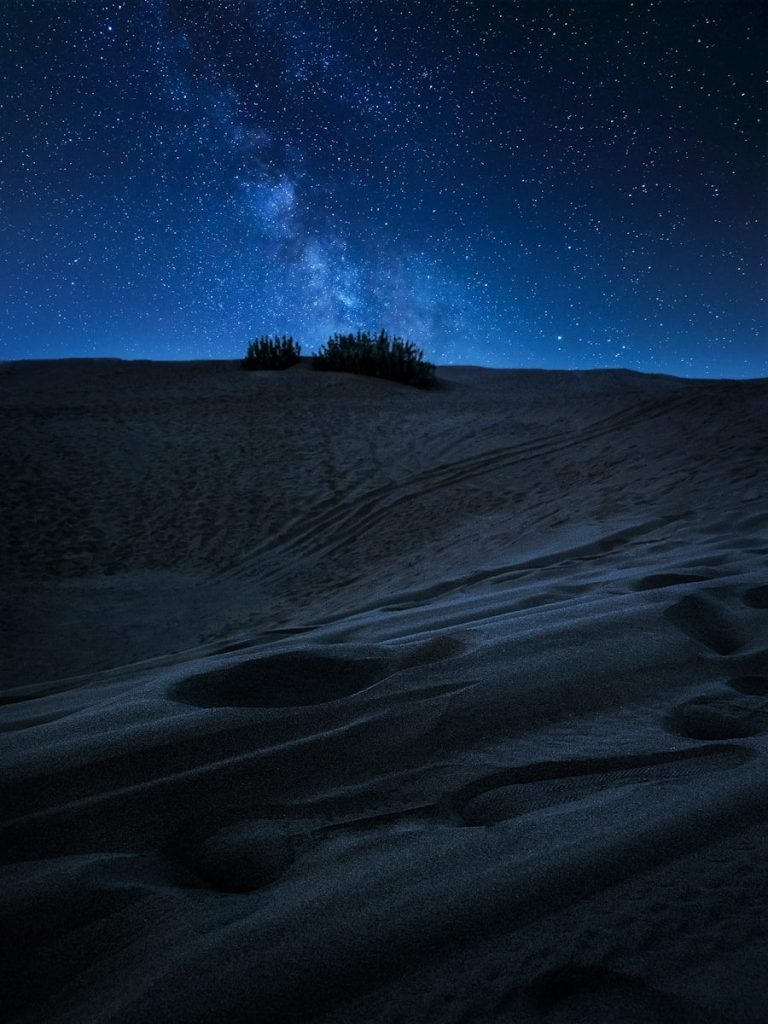
The desert often feels most alive after sunset. As the ground cools, animals can move, hunt, and search for food without fighting the full force of the sun.
This nighttime lifestyle is called being nocturnal. It helps many desert animals avoid heat, save water, and stay hidden from daytime dangers.
Rain wakes the land
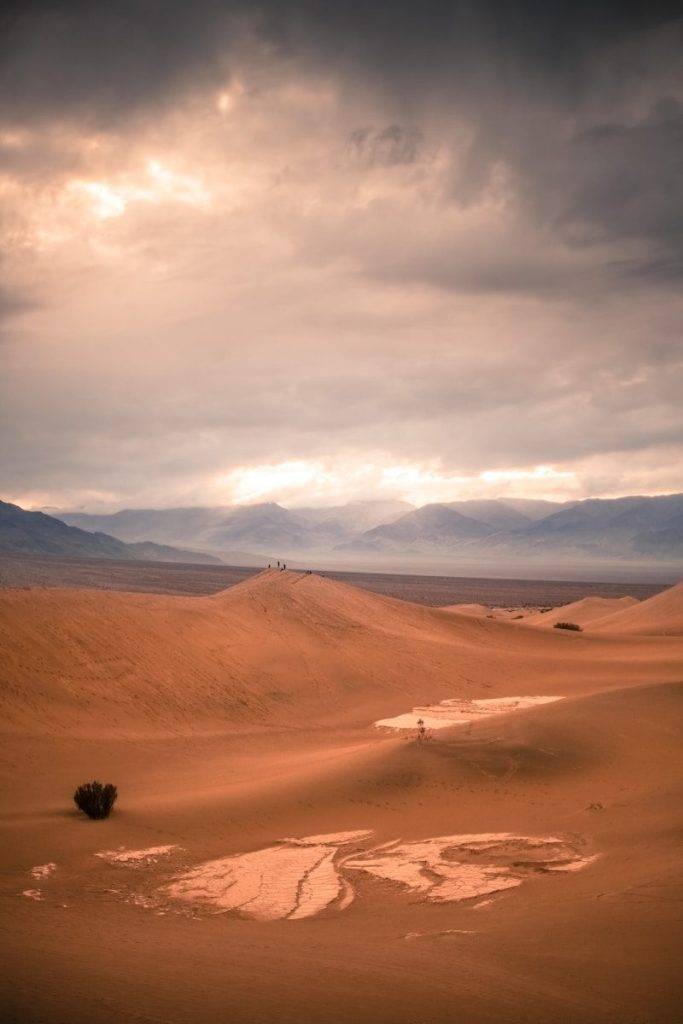
When rain finally comes, deserts can change fast. Seeds that waited in dry soil may sprout, flowers may bloom, and insects may appear in large numbers.
This burst of life does not always last long. Many desert plants grow, bloom, and make seeds quickly, finishing their cycle before the ground dries out again.
Spacing helps plants survive
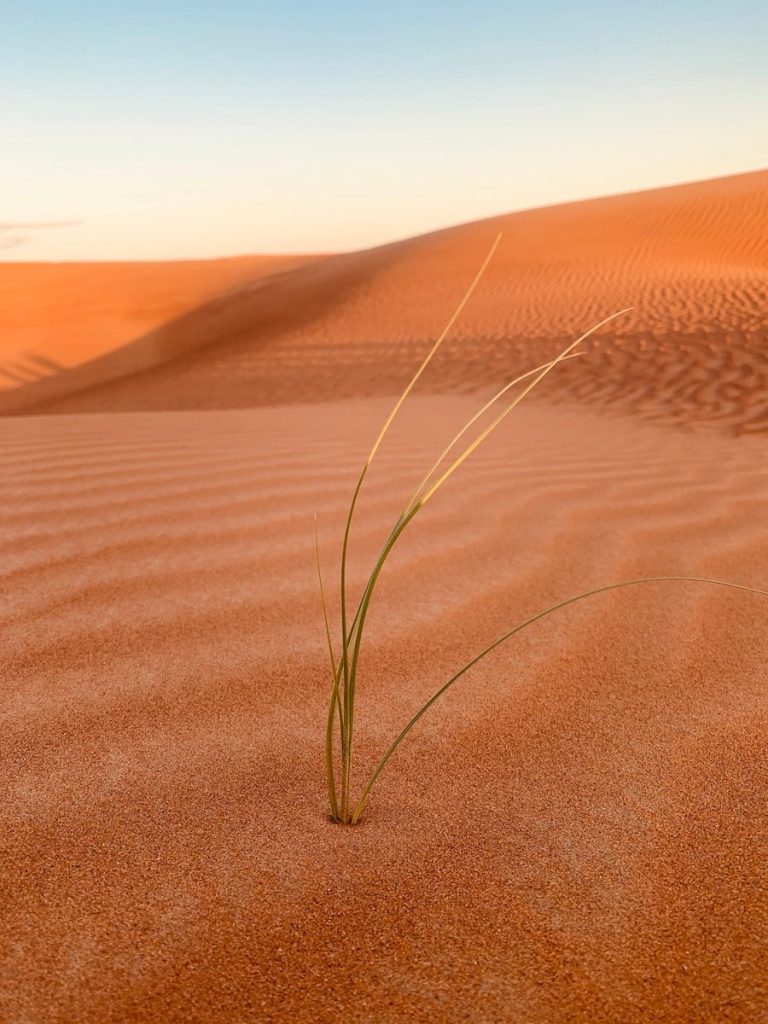
Desert plants often grow far apart. That space may make the land look bare, but it gives each plant a better chance to collect enough water and nutrients.
National Geographic Education notes that desert plants grow apart so they can use as much surrounding water as possible. In a dry place, even empty space has a purpose.
Survival is quiet teamwork
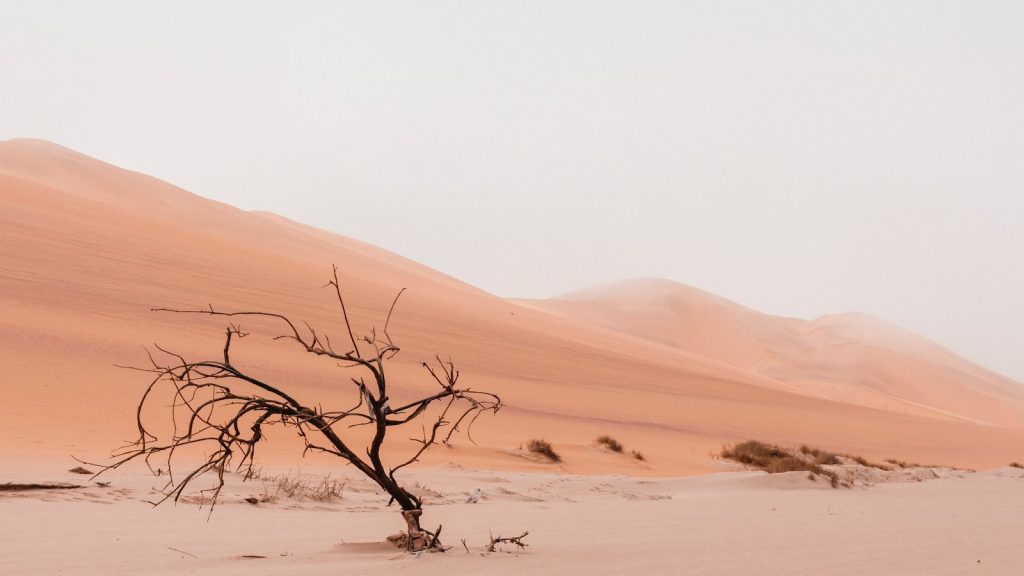
Desert life depends on timing, patience, and careful water use. Plants feed animals, animals spread seeds, and small bursts of rain keep the whole system moving.
That is why deserts are not dead landscapes. They are slow, tough, and deeply adapted ecosystems where every drop matters and every living thing has a strategy.
Leave a Reply