Category: Uncategorized

  • Mystery creature found in Japan’s deepest ocean trenches

    Mystery creature found in Japan’s deepest ocean trenches

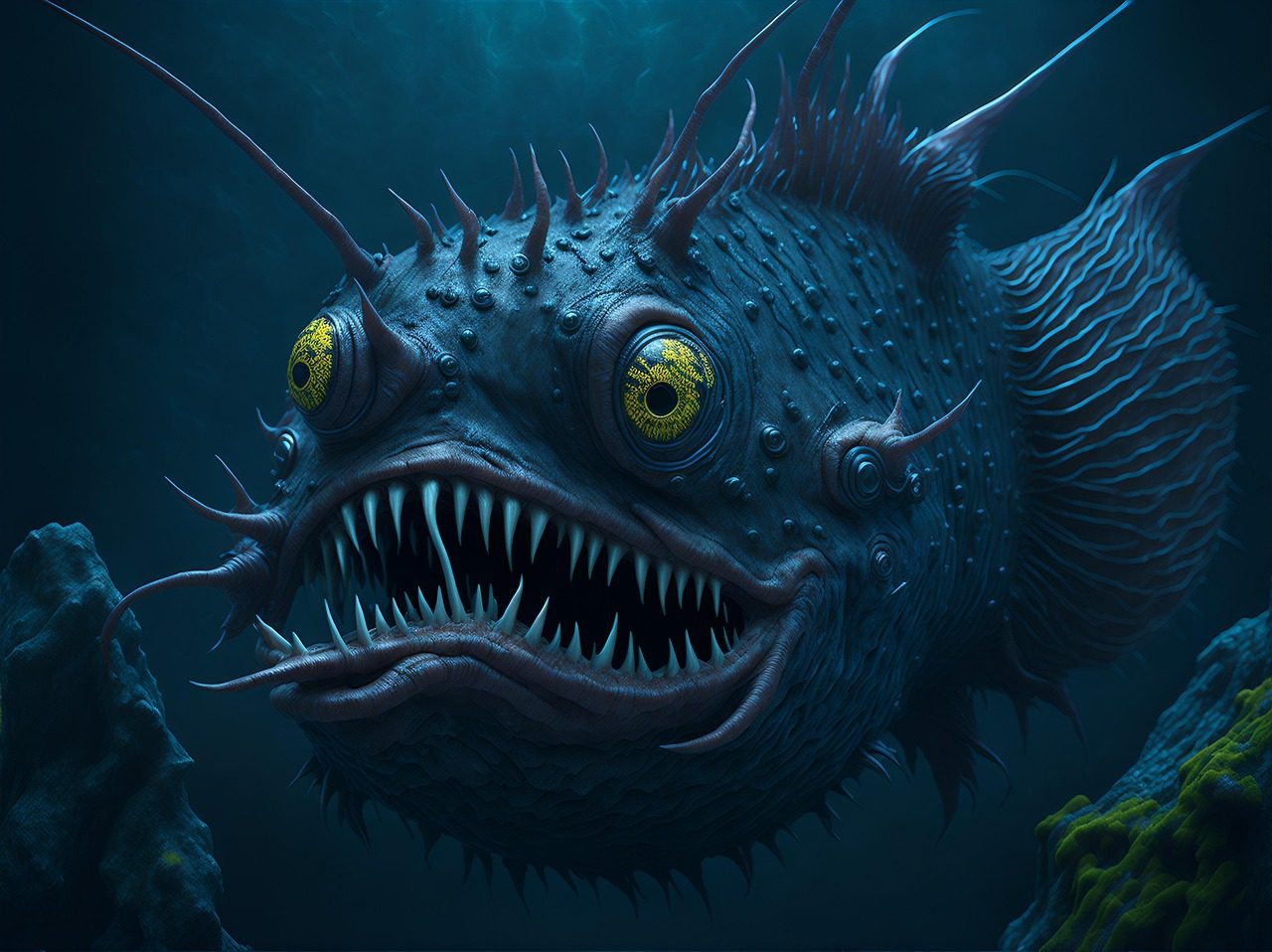
    The ocean is Earth’s final frontier, and Japan just pushed the boundary. A high-tech robotic explorer has just returned from the Izu-Bonin Trench, over five miles beneath the surface. What it found there has left the scientific community in a state of shock. Cameras captured a “mystery creature” that defies every known rule of marine biology. This isn’t just a new fish; it is a totally different form of life that seems to thrive in a world of total darkness and crushing pressure.

    In 2026, we thought we had mapped the basics of our planet, but this discovery proves we have been looking at a “Ghost Map.” The creature, which glows with a soft, pulsing violet light, has no visible eyes and a body that looks like it is made of liquid glass. It survived in conditions that would crush a human-built submarine in seconds. We are looking at a biological miracle that is rewriting the textbooks on how life begins. But the real mystery is how this creature is actually “thinking.”

    The Ghost of the Izu-Bonin Trench
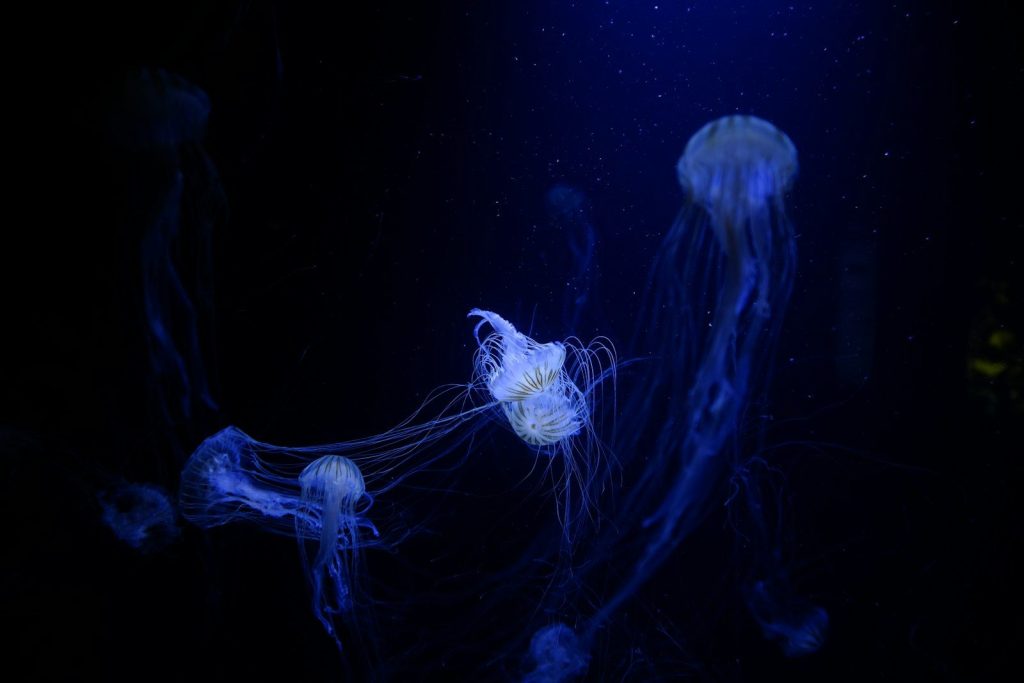
    bloom of jellyfish under water
    Photo by Falco Negenman on Unsplash

    Researchers have named the creature “The Phantasm” because of its transparent, flickering skin. It was found floating near a hydrothermal vent, where the water is hot enough to melt lead. While most deep-sea animals are small and slow, this creature moved with a fluid, intelligent grace. It appeared to be observing the robotic sub, mimicking the movements of the mechanical arm. Scientists believe this is the first evidence of high-level intelligence at these extreme depths. But wait until you see the “chemical cocktail” that keeps it alive.

    Surviving the Crushing Weight of Miles
    underwater camera capture
    Photo by Tim Marshall on Unsplash

    At five miles down, the pressure is equivalent to having an elephant stand on your thumb. Most biological tissues would be flattened instantly. However, the mystery creature has a unique cellular structure that uses “piezo-proteins.” These proteins actually get stronger as the pressure increases. It is a masterpiece of natural engineering that human materials can’t yet match. The creature essentially “uses” the weight of the ocean to hold its shape together. But its diet is even more shocking than its strength.

    A Creature That Eats Radioactive Silt
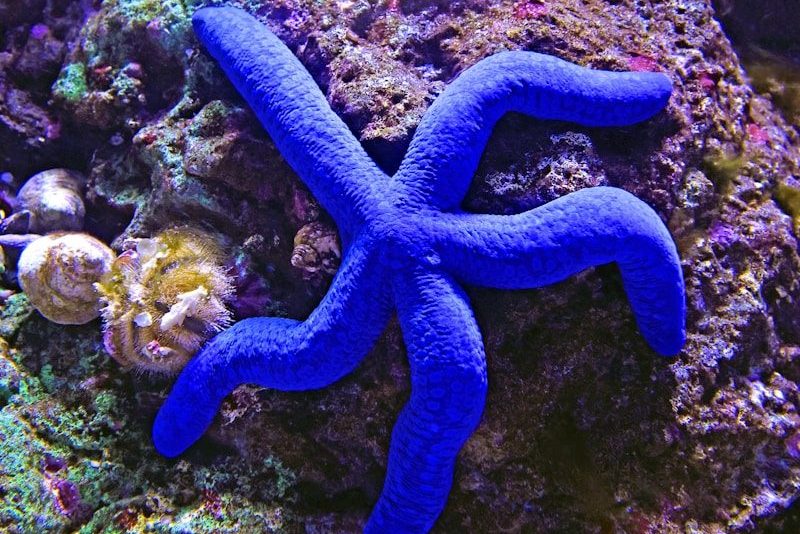
    a blue starfish on a coral reef
    Photo by David Clode on Unsplash

    Unlike animals that hunt fish or eat plants, this mystery creature was seen “grazing” on radioactive silt near the trench wall. Its DNA suggests it has a specialized organ that converts radiation into metabolic energy. It is essentially a living nuclear reactor. This discovery has massive implications for our search for life on other planets, like Jupiter’s moon Europa. If life can thrive on radiation in Japan’s trenches, it could be everywhere in the solar system. But the creature’s tentacles hide a second secret.

    Tentacles That Act Like Neural Cables
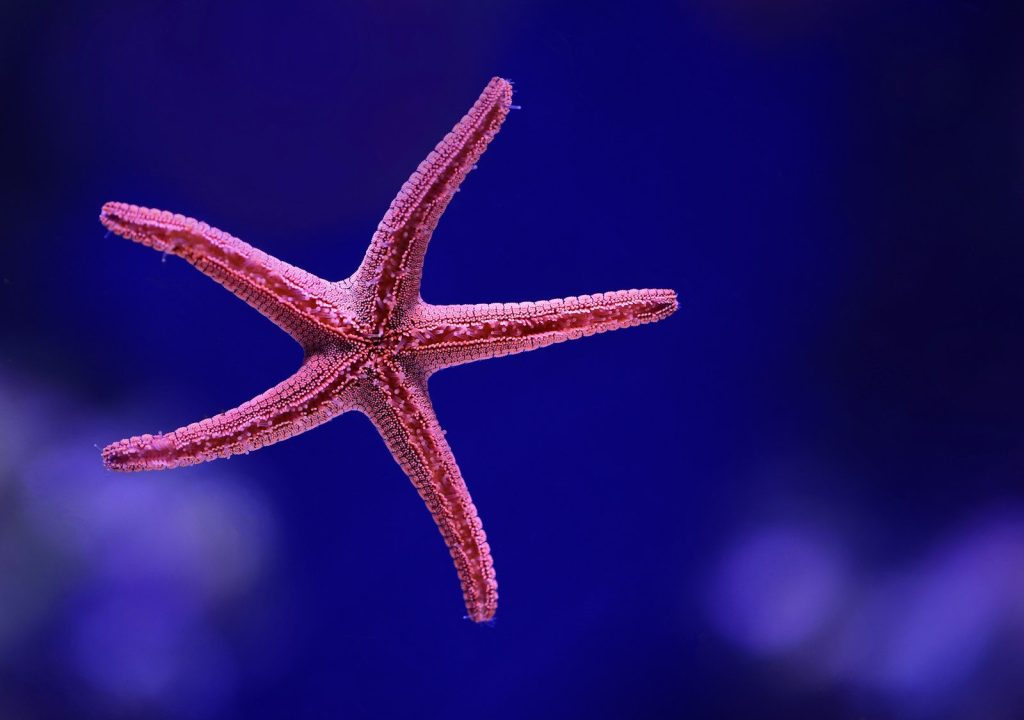
    macro shot photography of starfish
    Photo by David Clode on Unsplash

    The creature has hundreds of microscopic filaments that reach out several feet from its body. These aren’t just for grabbing food. Scientists used laser sensors to detect that these tentacles are actually “firing” electrical signals into the water. It appears the creature is creating a massive, invisible web to feel the vibrations of the Earth’s crust. It might be able to “hear” an earthquake days before it happens. It is a biological early warning system that has been silent for millions of years. But is it alone down there?

    The Discovery of a Sunken Nursery
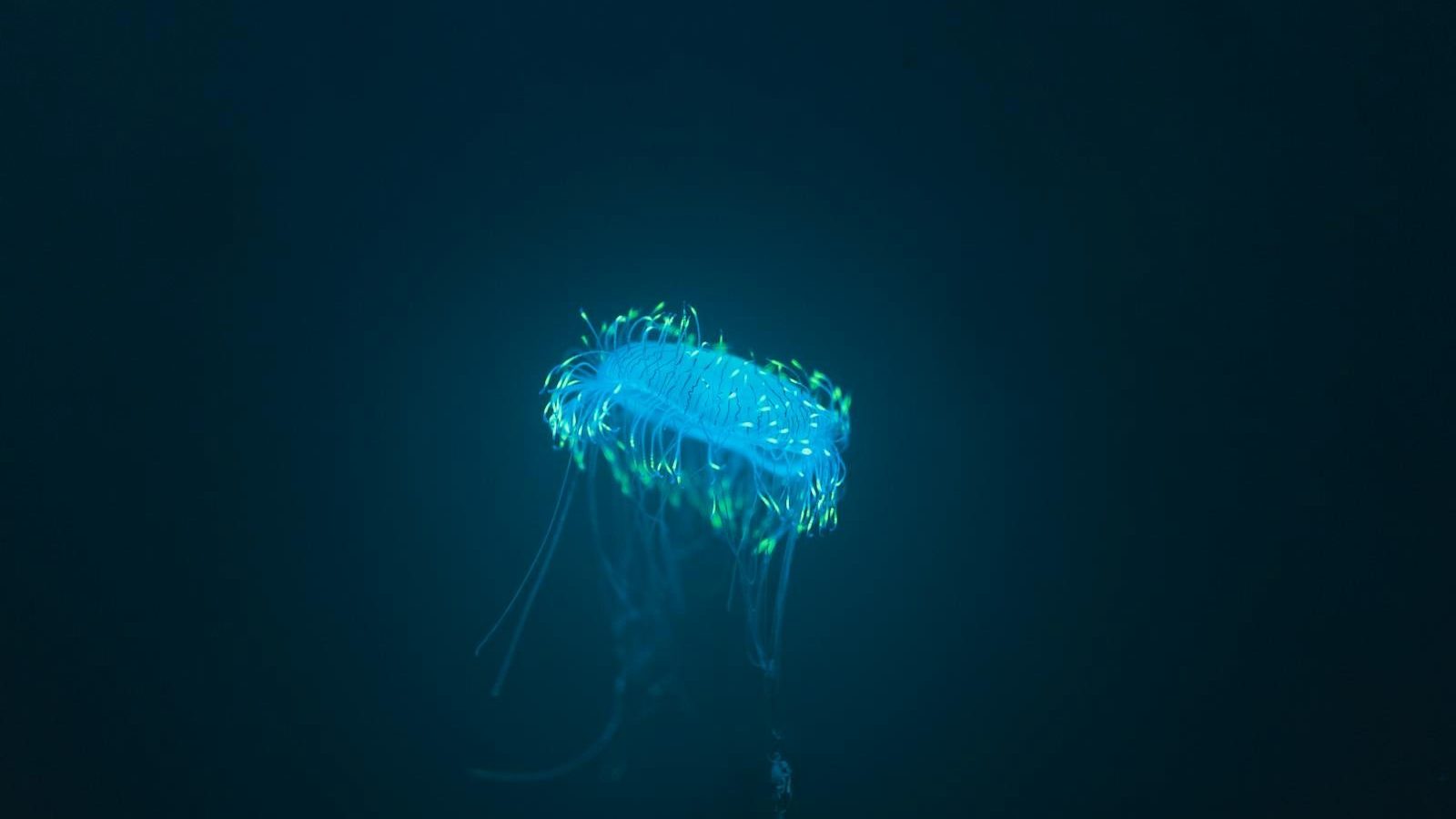
    Captivating image of a glowing blue jellyfish in a dark, mysterious underwater setting.
    Photo by Selvin Esteban on Pexels

    Following the creature, the robotic sub discovered a hidden cavern in the side of the trench. Inside were thousands of smaller, glowing orbs. It appears to be a communal nursery for the mystery species. The cavern is protected by a natural magnetic field, which suggests the creatures might be using the Earth’s magnetism to navigate and communicate. We aren’t just looking at one weird animal; we are looking at a hidden civilization of the abyss. But what happens if we bring one to the surface?

    The Problem with Bringing Light to the Dark
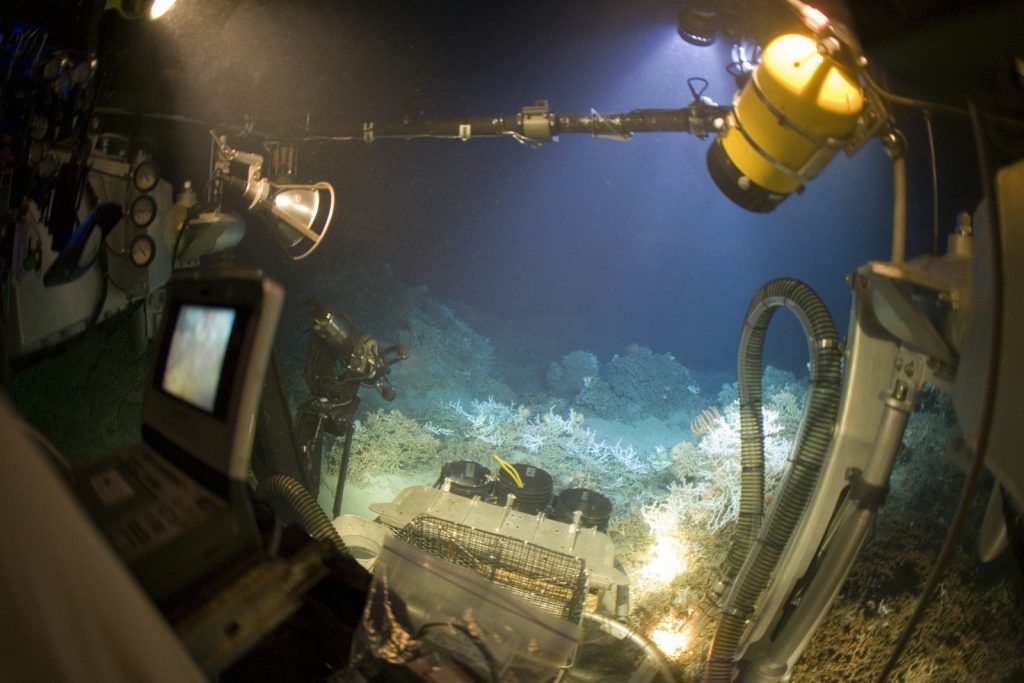
    yellow and black gas lamp
    Photo by NOAA on Unsplash

    Capturing one of these creatures is nearly impossible. As soon as they are moved into lower pressure or exposed to sunlight, their liquid-glass bodies begin to dissolve. To study them, Japanese scientists had to build a “hyperbaric lab” on the sea floor. This allows them to observe the creatures in their natural habitat without killing them. The 2026 data show that these beings have a genetic memory that dates back to the time of the dinosaurs. But wait until you see the message they are sending.

    A Biological Warning for the Surface
    the sun shines brightly in the blue water
    Photo by Aristos Aristidou on Unsplash

    The electrical pulses from the creature’s tentacles aren’t random. AI researchers have found a repeating pattern that matches the “rhythm” of the ocean currents. It seems the creatures are communicating the “health” of the deep sea to each other. By decoding these signals, we might be able to understand the true impact of climate change from the bottom up. The mystery creature is acting as a silent witness to our world’s transformation. But can we actually learn to “talk” to them?

    The New Bridge Between Worlds
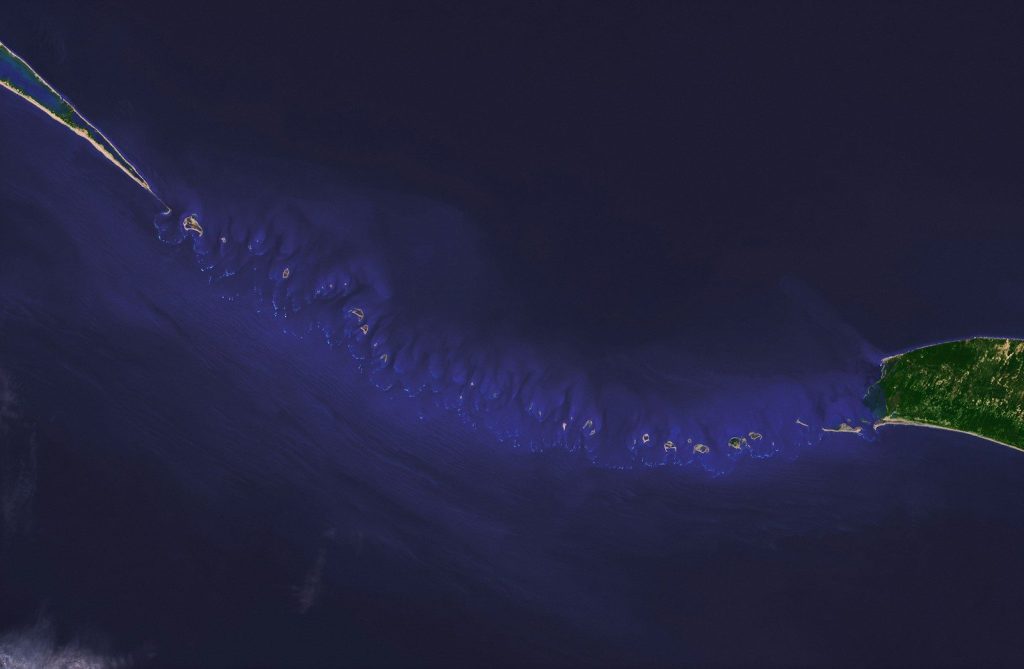
    Aerial view of a chain of islands in the ocean.
    Photo by USGS on Unsplash

    Japan is now planning a permanent “Deep Sea Embassy” in the trench. This facility will use AI-powered sensors to translate the electrical language of the abyss. We are moving from being observers to being participants in this underwater world. The mystery creature is no longer a monster, but a potential partner in our understanding of life. This is the most significant discovery of our time. But what will we find when we finally “crack the code” of their ancient language?

    The Final Countdown for Deep Sea Secrets
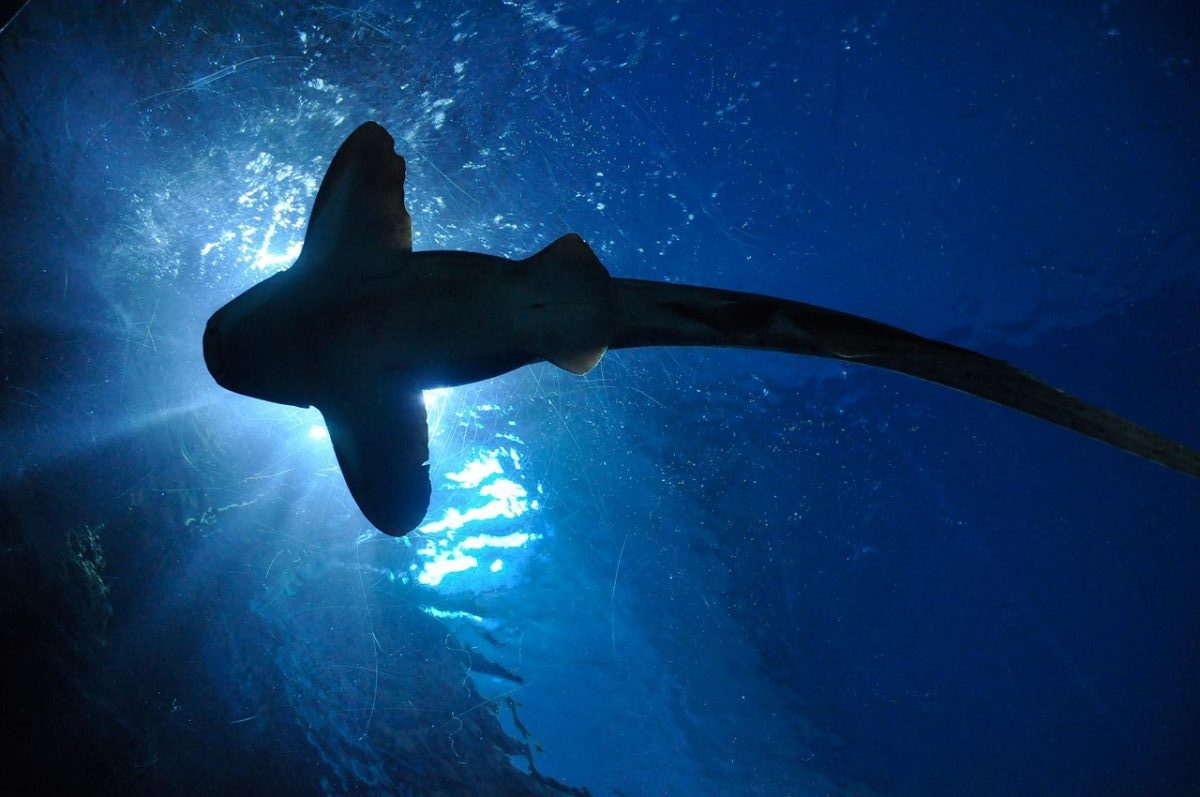
    shark, fish, sea, ocean, underwater, aquarium, nature, marine life, sea life, ocean life, animal, wildlife, fauna
    Photo by PublicDomainPictures on Pixabay

    We are standing at the end of a long period of ignorance. The 2026 deep-sea scans have revealed that we are not the only intelligent life on this planet. The mystery creature of the Japan Trench is a reminder that the world is much bigger and stranger than we can imagine. The journey to understand the abyss has just begun. Stay curious, because the next big discovery is just a few miles below your feet.

    Featured Image: Photo by TheDigitalArtist on Pixabay

  • How deserts stay alive with almost no water

    How deserts stay alive with almost no water

    Deserts can look empty at first glance, but they are often full of quiet, clever life. The trick is that desert plants and animals do not waste energy or water the way life in wetter places can. Many deserts receive very little rain each year, and NASA notes that most deserts get under 300 millimeters of rain annually, far less than rainforests.

    Still, life finds a way through smart survival habits. Plants store water, grow deep or wide roots, and wait for rare rain. Animals avoid the hottest hours, move at night, or get moisture from their food. The desert may seem still, but it is always working behind the scenes.

    Deserts are not lifeless

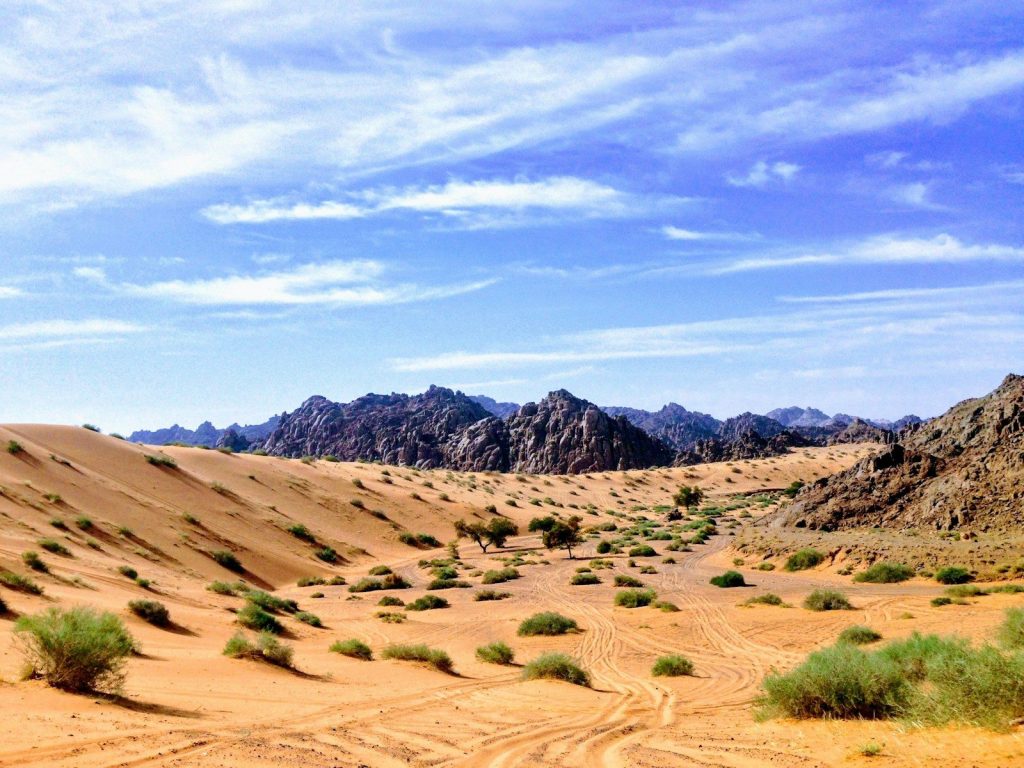
    sand dune and mountain scenery
    Photo by Rabah Al Shammary on Unsplash

    A desert is mostly defined by dryness, not by emptiness. Some deserts are hot, while others are cold, but they all share one big challenge: water is hard to find.

    That does not stop life from growing there. Plants, insects, reptiles, birds, and mammals survive by using less water, avoiding heat, and making the most of short wet seasons.

    Plants store every drop

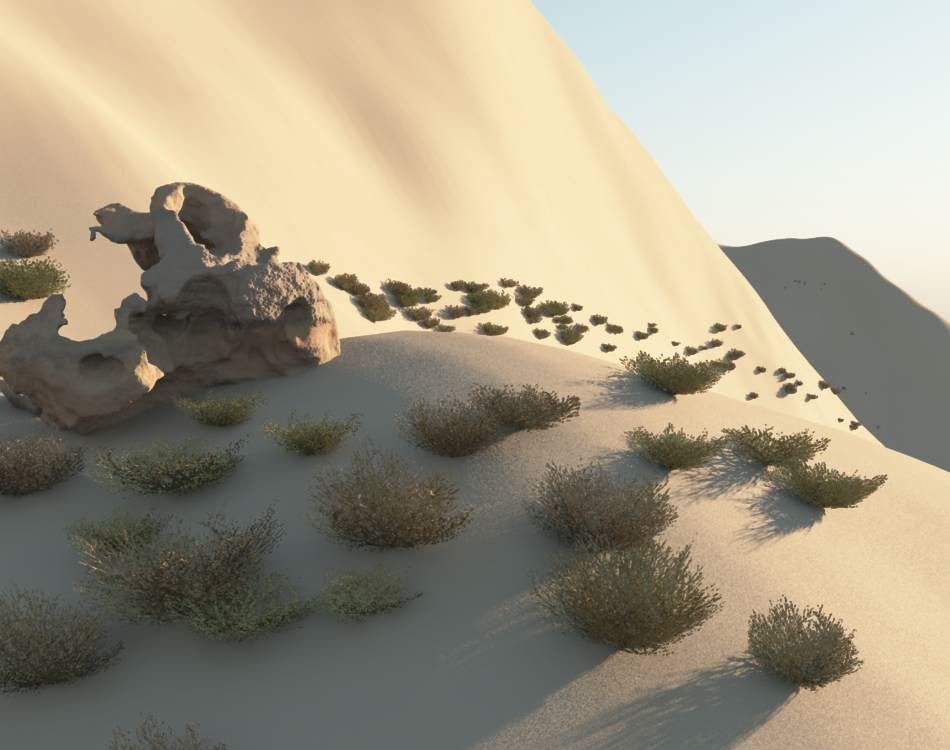
    Desert” by JoreJj Z. Elprehzleinn is licensed under CC BY 2.0

    Some desert plants act like living water tanks. Cacti and other succulents can store water in thick stems, leaves, or roots, helping them survive long dry stretches.

    This storage is one reason they look so different from many garden plants. Their round, thick shapes are not just for looks. They help hold moisture until rain returns.

    Roots hunt for moisture

    Expansive sand dunes stretch under a cloudy sky in the Algerian Sahara Desert.
    Photo by Djamel Ramdani on Pexels

    Desert roots are built for the job. Some plants spread shallow roots wide across the ground so they can quickly grab rain before it disappears.

    Others send deep roots down toward hidden water below the surface. PBS notes that some desert plants use deep taproots, while others use small leaves to reduce water loss.

    Leaves stay small

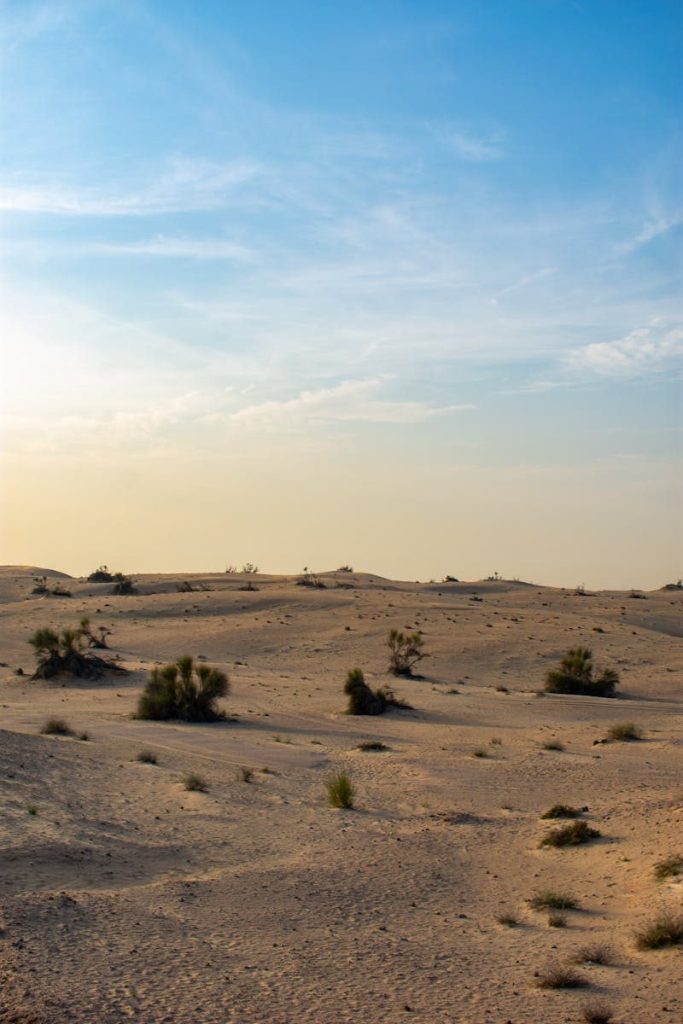
    Scenic view of a dry desert landscape with sparse vegetation and clear blue skies.
    Photo by Costa Karabelas on Pexels

    Big leaves can lose lots of water in hot, dry air. That is why many desert plants have tiny leaves, narrow leaves, or no normal leaves at all.

    Some plants even drop their leaves during dry times. This may look harsh, but it helps the plant save water and stay alive until better conditions return.

    Shade becomes shelter

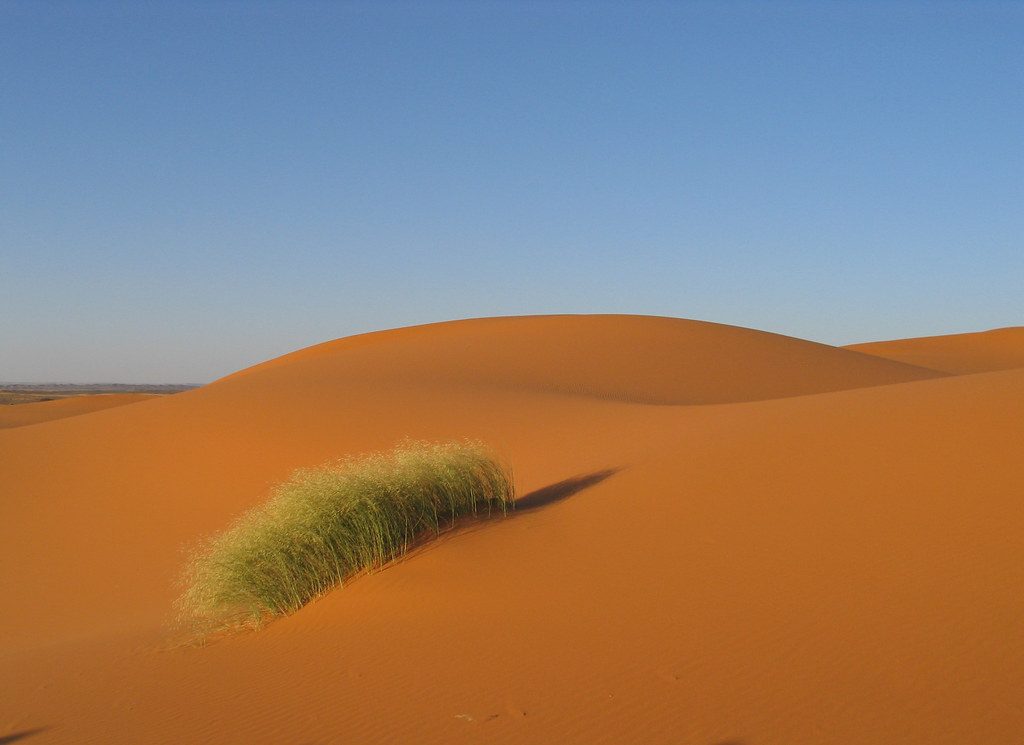
    Desert grass” by Juan_Sanchez is licensed under CC BY-NC-SA 2.0

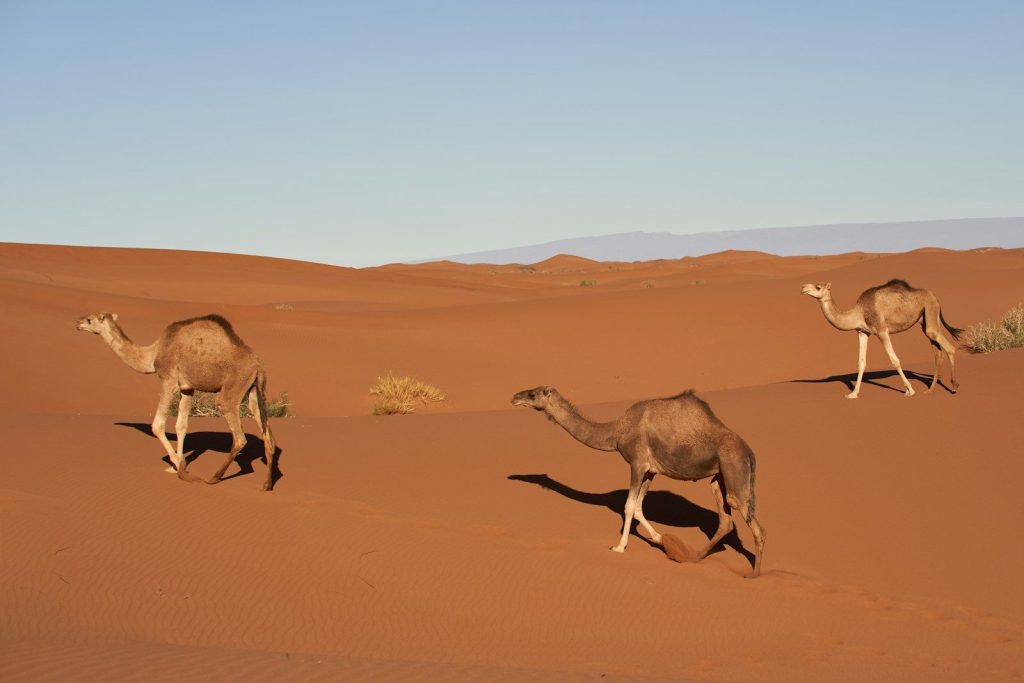
    For desert animals, staying cool can be just as important as finding water. Many avoid the hottest hours by resting underground, under rocks, or in shaded spaces.

    This simple habit can save energy and moisture. National Geographic notes that many desert animals come out at night, when temperatures are cooler and survival is easier.

    Food can provide water

    three camel walking on desert
    Photo by Wolfgang Hasselmann on Unsplash

    Some desert animals do not need to drink often because they get moisture from what they eat. Seeds, plants, insects, or prey can provide enough liquid for certain species.

    Kangaroo rats are a famous example. National Geographic explains that they can get water from the seeds they eat, which helps them survive in dry places.

    Nighttime is prime time

    silhouette of trees on snow covered field under blue sky during night time
    Photo by Chirayu Sharma on Unsplash

    The desert often feels most alive after sunset. As the ground cools, animals can move, hunt, and search for food without fighting the full force of the sun.

    This nighttime lifestyle is called being nocturnal. It helps many desert animals avoid heat, save water, and stay hidden from daytime dangers.

    Rain wakes the land

    orange desert under gray cloudy sky at day
    Photo by Denys Nevozhai on Unsplash

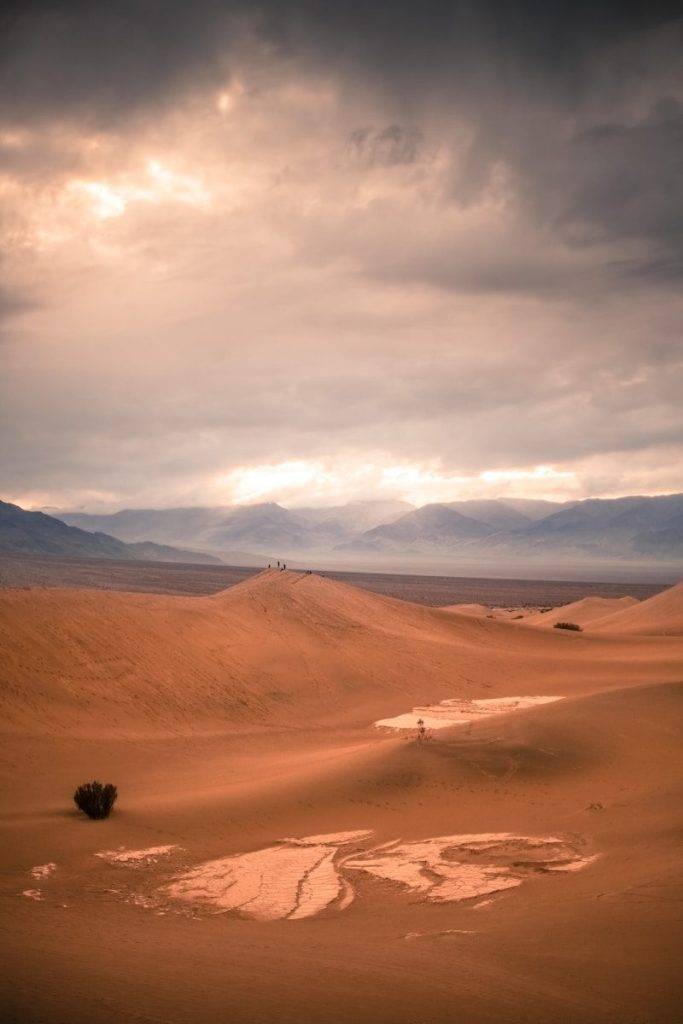
    When rain finally comes, deserts can change fast. Seeds that waited in dry soil may sprout, flowers may bloom, and insects may appear in large numbers.

    This burst of life does not always last long. Many desert plants grow, bloom, and make seeds quickly, finishing their cycle before the ground dries out again.

    Spacing helps plants survive

    brown sand under white sky during daytime
    Photo by Noah Bikoro on Unsplash

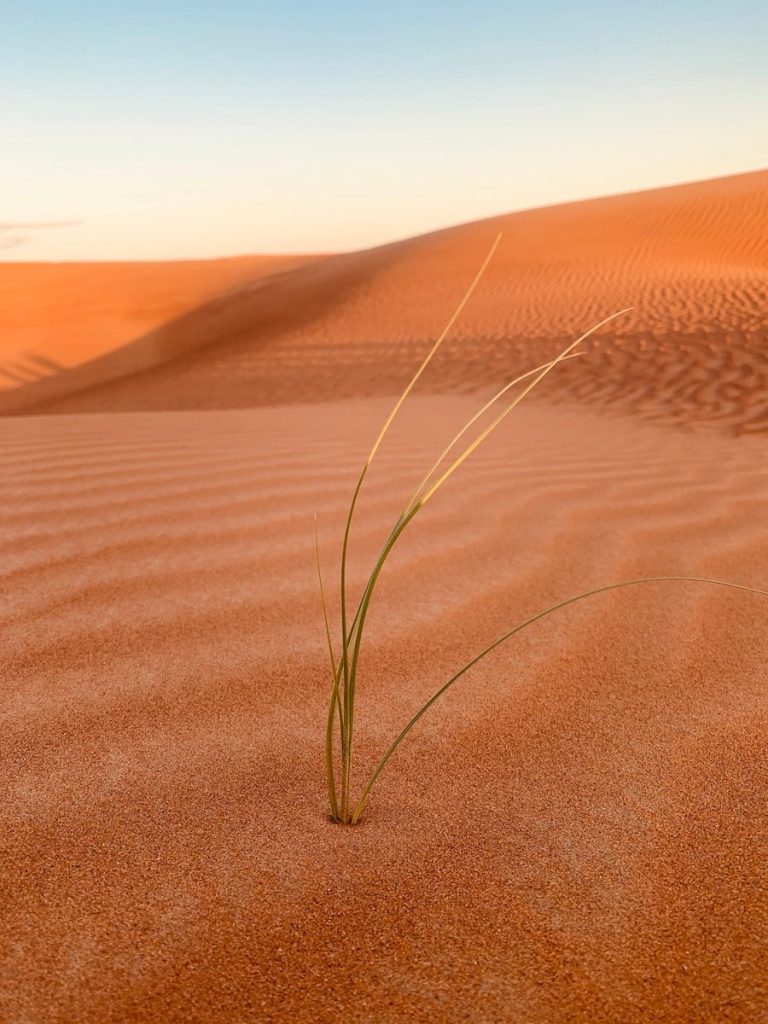
    Desert plants often grow far apart. That space may make the land look bare, but it gives each plant a better chance to collect enough water and nutrients.

    National Geographic Education notes that desert plants grow apart so they can use as much surrounding water as possible. In a dry place, even empty space has a purpose.

    Survival is quiet teamwork

    brown no leaves tree near hill at daytime
    Photo by Ryan Cheng on Unsplash

    Desert life depends on timing, patience, and careful water use. Plants feed animals, animals spread seeds, and small bursts of rain keep the whole system moving.

    That is why deserts are not dead landscapes. They are slow, tough, and deeply adapted ecosystems where every drop matters and every living thing has a strategy.