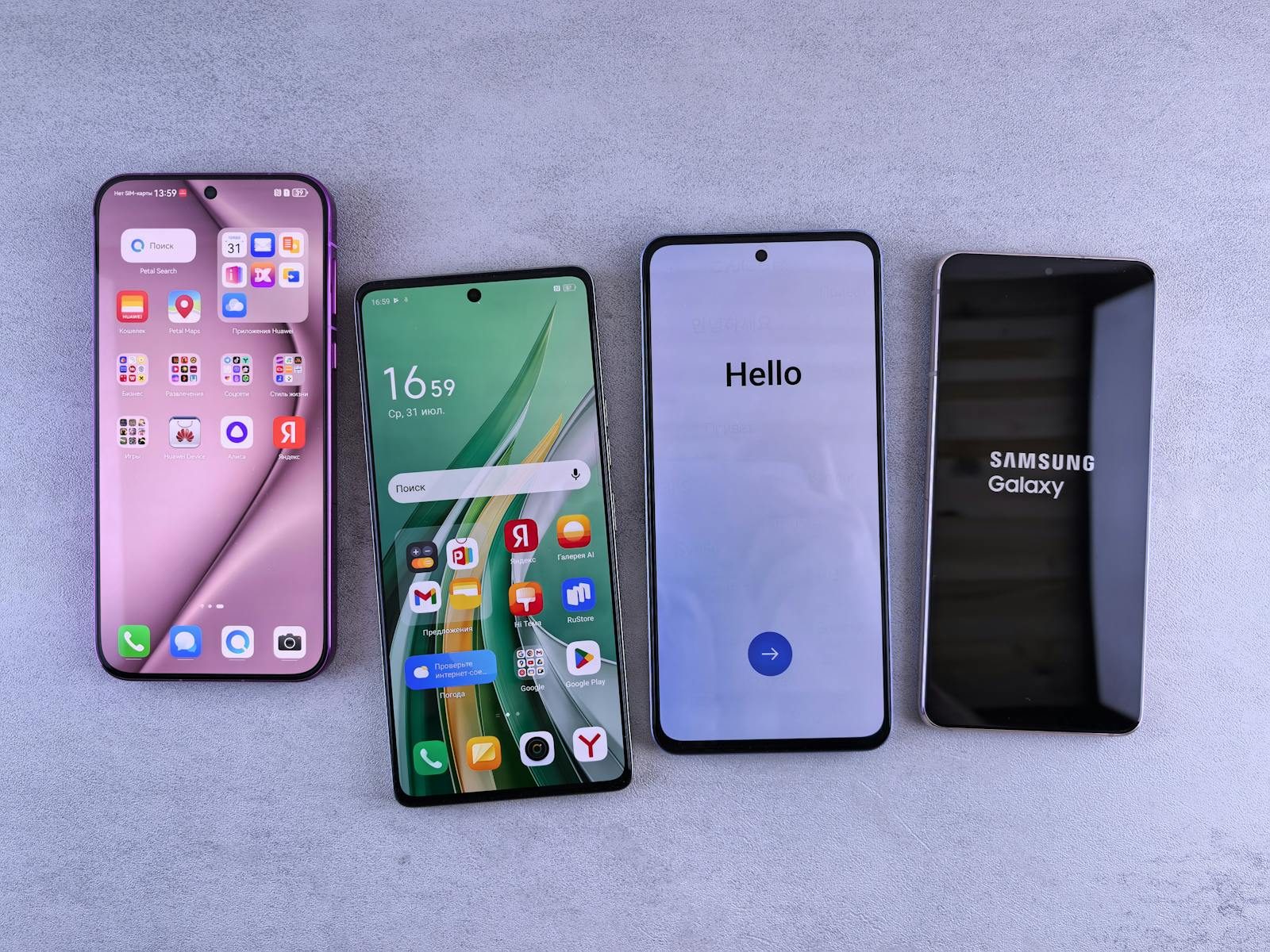
Buying a phone can feel tricky because the names do not always tell the whole story. A “flagship” usually means a brand’s top model, packed with its best cameras, screen tech, materials, chips, and long-term support. A “flagship killer” tries to offer much of that speed and style for less money, often by trimming extras most people may not use every day.
The difference is not always obvious on a store page. For example, Apple lists premium display features like ProMotion up to 120Hz on the iPhone 16 Pro Max, Samsung highlights titanium design and an S Pen on the Galaxy S25 Ultra, Google promotes long Pixel update support, and OnePlus pushes flagship-level power in the OnePlus 13.
Price is only the start

A flagship killer often gets attention because it costs less than the biggest-name premium phones. That lower price can be attractive, especially when the phone still has a fast chip, bright screen, and strong charging features.
But buyers should look beyond the sticker price. Trade-in offers, carrier deals, storage upgrades, cases, repairs, and resale value can change the real cost over two or three years.
The chip can be similar
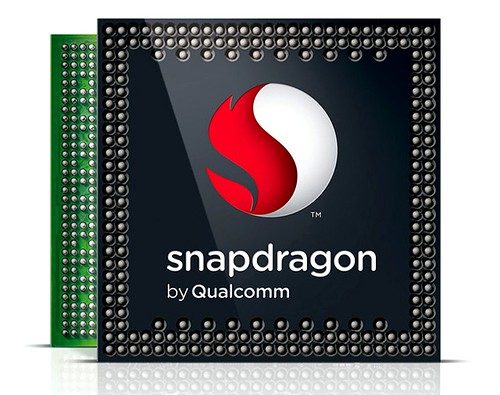
Many flagship killers use high-end processors, which helps them feel fast in daily use. That means apps, games, videos, and multitasking may run smoothly even without the highest price tag.
For example, OnePlus lists the OnePlus 13 with Qualcomm’s Snapdragon 8 Elite platform, showing how performance-focused phones can compete hard on raw speed.
Cameras tell the story
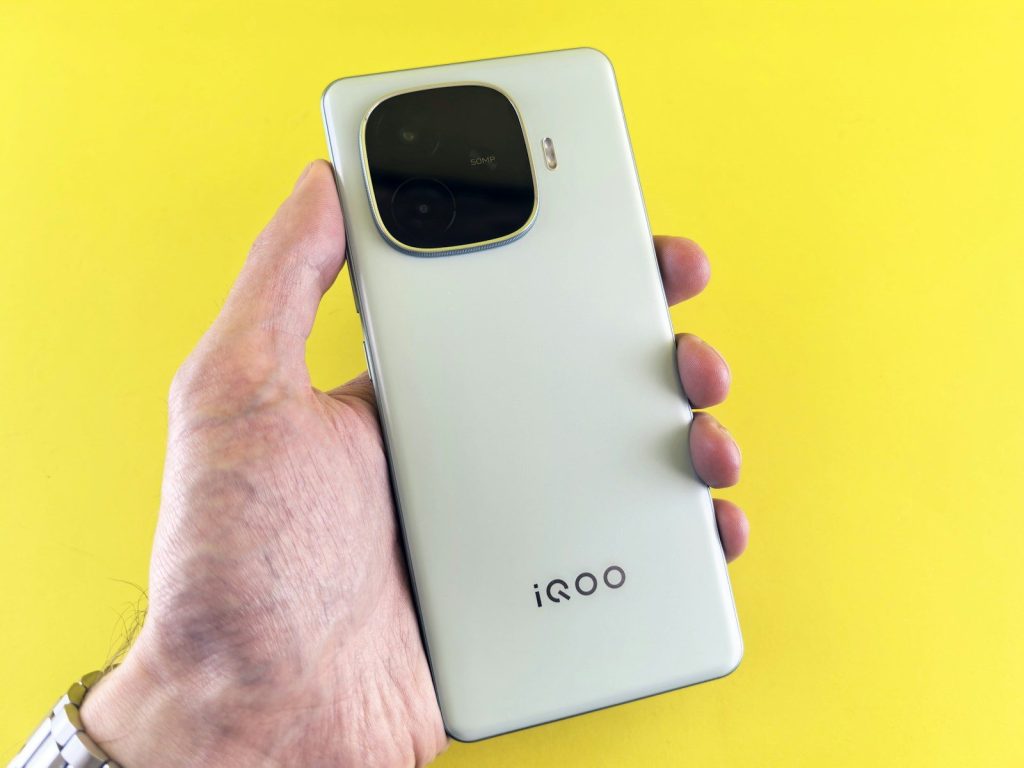
Flagships often spend more money on camera hardware, image processing, zoom systems, and video features. That can matter if you take lots of photos of kids, pets, travel, sports, or night scenes.
Flagship killers may still take great pictures, but they sometimes cut costs on extra lenses or advanced zoom. Buyers should check real camera samples, not just megapixel numbers.
Screens are not equal
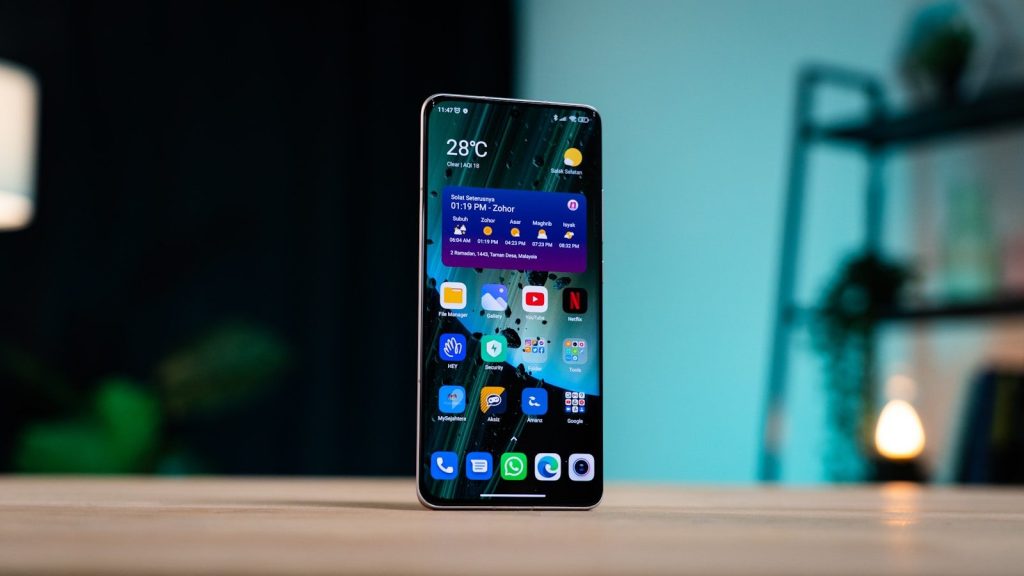
A phone screen is something you use every time you pick up the device. Brightness, refresh rate, outdoor visibility, color quality, and glass protection can make a big difference.
Apple lists the iPhone 16 Pro Max with a Super Retina XDR OLED display, ProMotion up to 120Hz, and high outdoor peak brightness. Those details show why premium screens remain a major flagship selling point.
Build quality matters
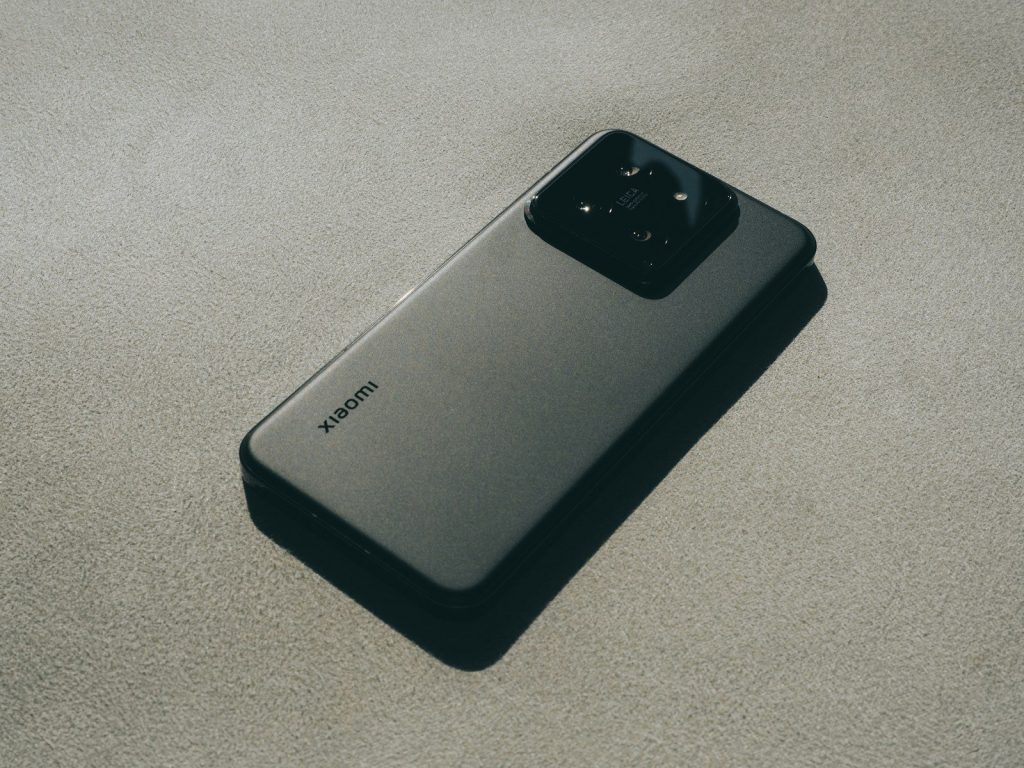
Flagship phones often use premium materials, stronger glass, tighter water resistance, and more polished designs. Those details can help the phone feel better and last longer.
Samsung, for example, highlights a titanium frame and built-in S Pen on the Galaxy S25 Ultra. A flagship killer may feel premium too, but buyers should still check materials, durability ratings, and repair options.
Software support adds value
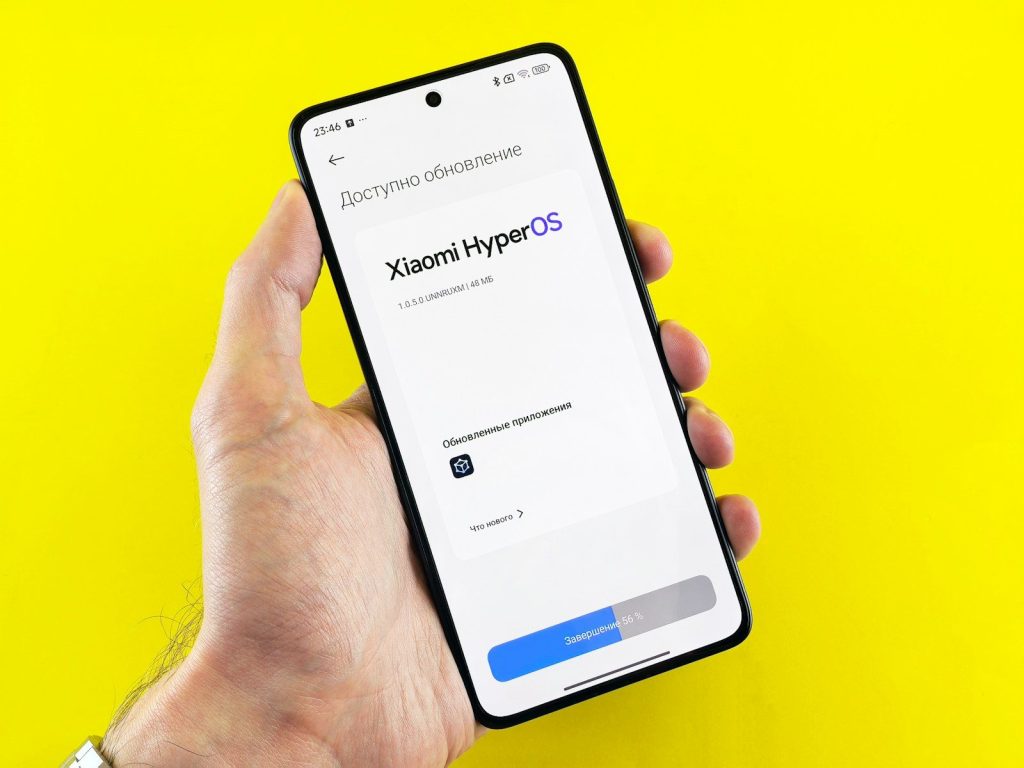
A cheaper phone can lose some of its value if updates stop too soon. Security patches, Android or iOS upgrades, and feature updates help keep a phone useful longer.
Google says Pixel 9 phones receive seven years of updates from when the device first became available on the Google Store in the U.S. That kind of support is a big deal for long-term buyers.
Charging can hide tradeoffs
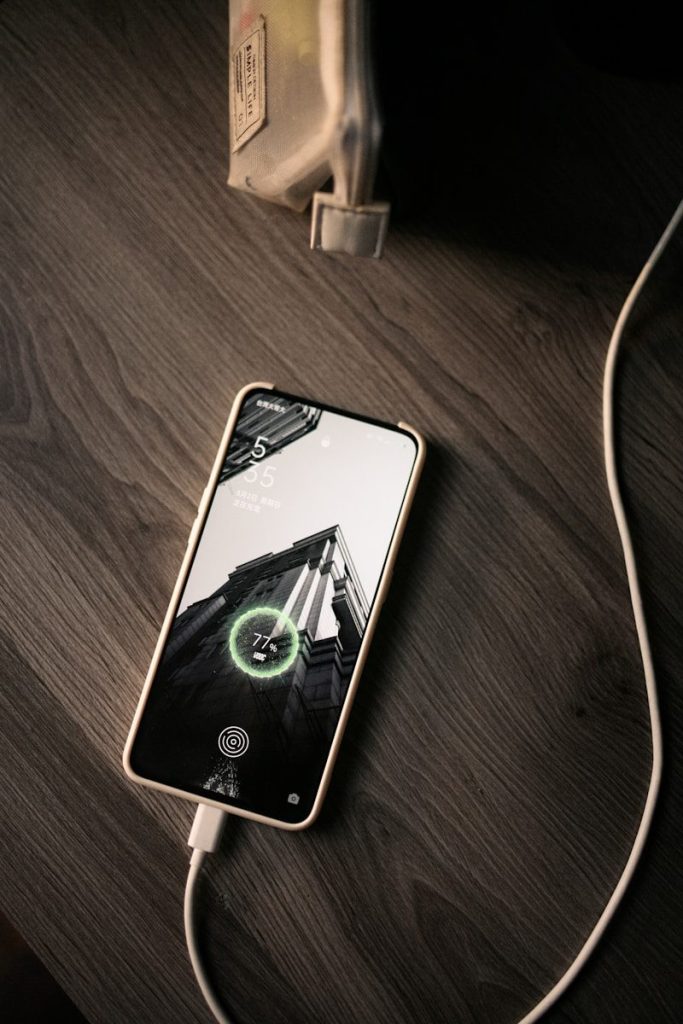
Some flagship killers promote very fast charging, which is useful when you forget to plug in overnight. A quick top-up can make a phone feel easier to live with.
But charging is not the whole battery story. Buyers should also check battery size, screen efficiency, heat control, wireless charging support, and whether the fast charger is included in the box.
Extras may sway buyers
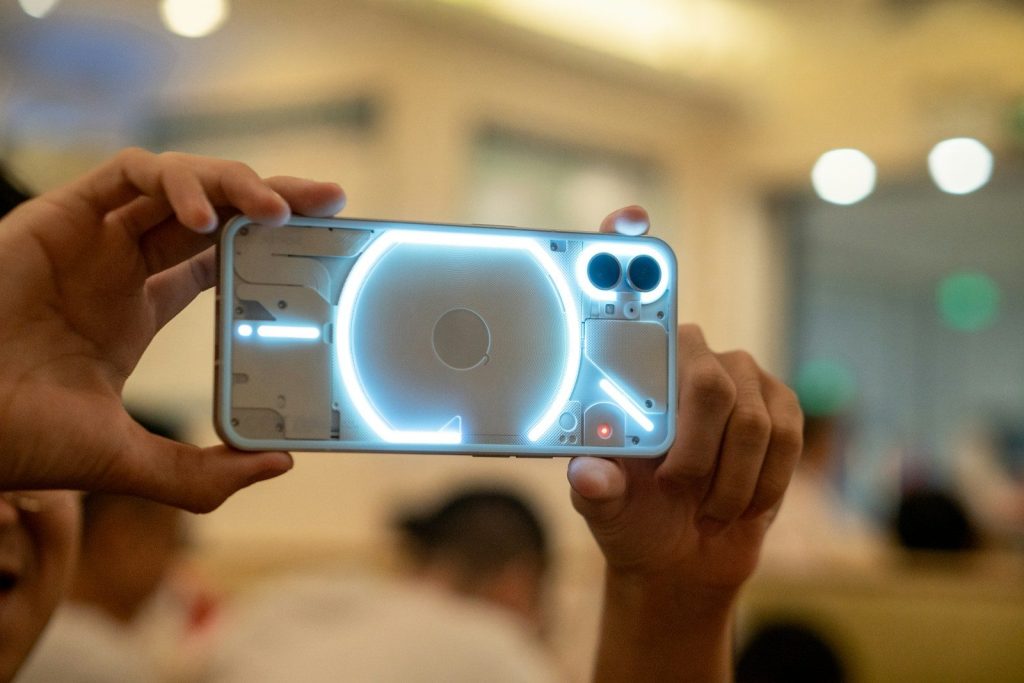
Flagships often include small extras that are easy to overlook at first. These can include stronger zoom, better speakers, satellite features, ultra-wideband, stylus support, or deeper ecosystem tools.
Flagship killers may skip some of those features to hit a lower price. That is not always bad. The key is knowing which extras you actually use and which ones just sound impressive.
Storage affects real cost
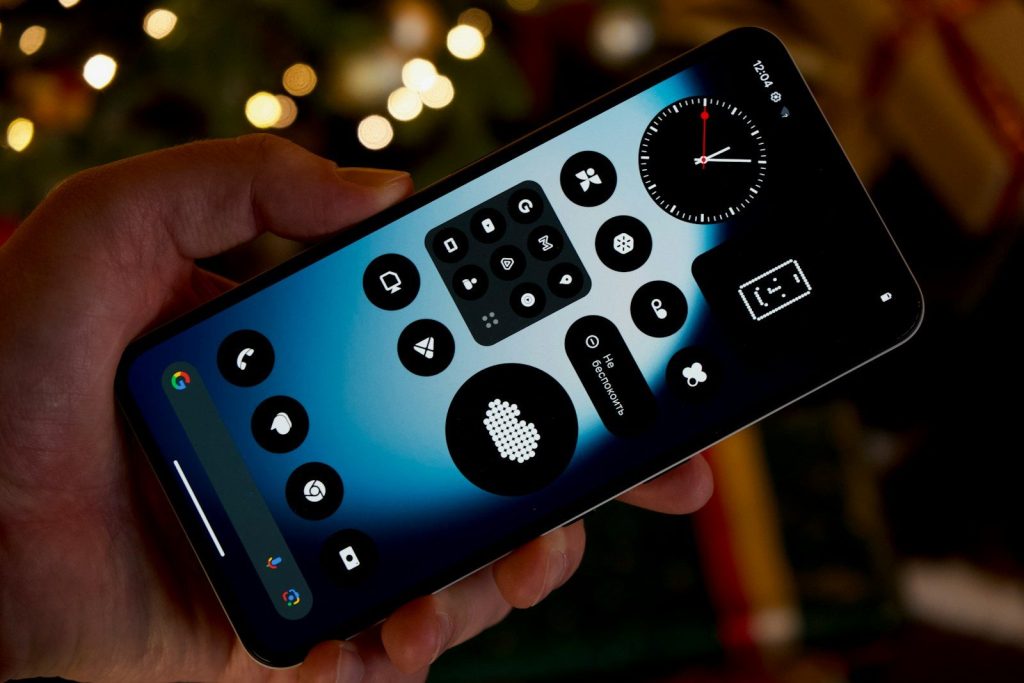
The cheapest version of a phone may not be the best deal if it has limited storage. Photos, videos, apps, offline music, and games can fill space faster than expected.
Flagship phones and flagship killers both may charge more for higher storage. Buyers should compare the exact storage version, not just the starting price shown in ads.
The best choice feels practical
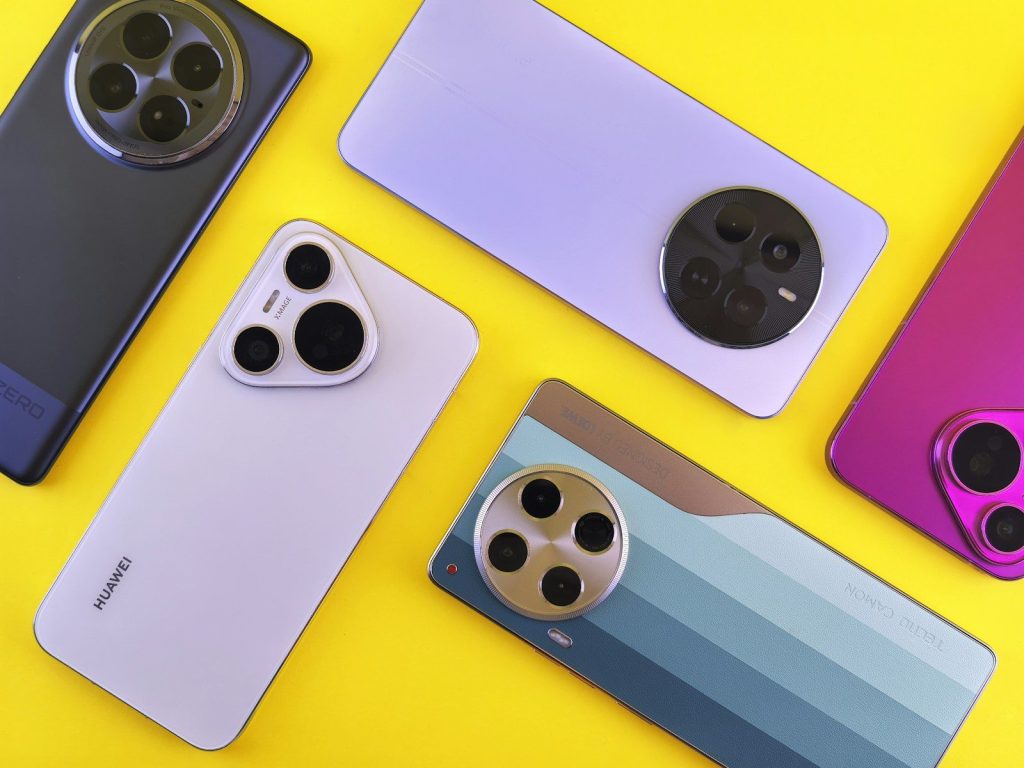
A flagship is often the safer pick for buyers who want the best camera, strongest support, premium design, and top extras. It costs more, but it may stay satisfying longer.
A flagship killer makes sense for buyers who want speed, a modern screen, and strong daily performance without paying for every luxury feature. The smart choice is the phone that fits your habits, not just the one with the loudest label.
Leave a Reply